


The Indonesian Ministry of Communication and Digital Affairs, in collaboration with the ASEAN Secretariat and Good News from Southeast Asia (Seasia), successfully organized the Regional Workshop for Mapping Best Practices of Content Creation for National Branding in ASEAN Member States in Jakarta. The initiative reflects ASEAN’s growing commitment to strengthening constructive storytelling and shaping a more positive information landscape across the region. Held over several days, the event combined substantive discussions, collaborative refinement of guidelines, and a cultural immersion experience in Bandung.
Opening the Conversation: Setting a Vision for Constructive Storytelling
The workshop began with an opening speech from a representative of the Indonesian Ministry of Communication, who underlined ASEAN’s shared responsibility to promote narratives that highlight progress, resilience, innovation, and unity. The speech emphasized that in a region as diverse and interconnected as Southeast Asia, positive storytelling is not merely aspirational—it is strategic. It helps build trust, counters the pervasive dominance of negative content in today’s media ecosystem, and strengthens a collective ASEAN identity.
This was followed by a keynote address from Akhyari Hananto, founder of Good News from Indonesia, who spoke passionately about the transformative power of constructive journalism. He reflected on his experience building platforms that intentionally elevate stories of hope, solutions, and community achievements. Akhyari highlighted that the goal of constructive journalism is not to ignore problems, but to broaden the public’s understanding by showing how institutions, communities, and individuals respond to challenges. Such stories, he argued, are essential for nurturing optimism and civic engagement across the region.
The workshop’s proceedings were guided by Mohammad Reiza of Good News from Southeast Asia (Seasia), who served as moderator for the one-day formal program. His facilitation encouraged open dialogue and cross-cultural exchange, ensuring that participants from various ASEAN Member States could articulate their perspectives and challenges.
A Region Represented: Hybrid Participation Across ASEAN
The workshop welcomed delegates from Indonesia, Malaysia, Vietnam, and Cambodia, who attended in person in Jakarta. To ensure inclusivity, participants from Brunei, Myanmar, and Singapore joined the sessions online. This hybrid setup allowed for full participation from across the region despite logistical constraints and affirmed ASEAN’s commitment to collaborative regional efforts in media development.
Throughout the day, participants delved into the current state of information dissemination in Southeast Asia. Discussions highlighted common concerns—such as the skewing of audience attention toward negative content driven by digital platform algorithms, the spread of disinformation, and the widening trust gap between the public and traditional news sources. These challenges underscored the need for cross-border cooperation in promoting constructive and credible journalism.
The workshop also incorporated insights from extensive regional surveys conducted prior to the event. Respondents from government media, content creators, journalists, and communication officers across ASEAN shared similar difficulties: limited access to credible data, inadequate resources for storytelling, and a persistent struggle to attract public interest in positive narratives. These findings offered an evidence-based foundation for refining the ASEAN Good News Guidelines.
Collaborative Refinement: Building a Framework for Good News in Southeast Asia
A series of country presentations provided space for participants to share local contexts and reflect on how their experiences align with or differ from regional trends. Government media representatives discussed their efforts to portray national achievements accurately, while content creators highlighted the challenges of balancing authenticity, audience engagement, and constructive messaging.
Breakout discussions allowed mixed groups—combining government and creator representatives from several countries—to refine key sections of the draft ASEAN Good News Guidelines. Three major thematic areas emerged:
- Verification and Credibility:
Participants agreed that constructive storytelling must remain firmly rooted in accuracy. Clear verification processes, standardized editorial practices, and transparent sourcing were identified as essential pillars for credibility. - Inclusive and Culturally Sensitive Storytelling:
With ASEAN’s enormous cultural diversity, participants stressed that positive stories must reflect local nuances, honor cultural expressions, and remain sensitive to community values. They emphasized that good news is not only about achievements—it is also about resilience, identity, and lived experiences. - Tools for Implementation and Strengthening Cooperation:
Delegates proposed the creation of shared databases, regional fact-checking mechanisms, and a future ASEAN Good News Hub. These ideas aimed to facilitate collaboration, reduce resource gaps, and make it easier for creators and government media alike to access credible information.
The day concluded with consolidated recommendations and an outline of next steps for finalizing the guidelines and planning their eventual endorsement by ASEAN bodies. The momentum generated signaled a shared commitment toward a more constructive regional media environment.
Cultural Exploration: Bandung as a Living Classroom
On the second day, participants embarked on a cultural immersion visit to Bandung, traveling from Jakarta on the high-speed Whoosh train. This journey itself symbolized Indonesia’s technological progress and offered delegates a firsthand experience of the country’s modern infrastructure.
In Bandung, the group visited the Selasar Sunaryo Art Space, gaining insight into the region’s vibrant creative arts ecosystem. This was followed by a stop at the historically rich Savoy Homann Hotel, a landmark tied to the legacy of Bandung’s international diplomacy and cultural heritage. The day concluded with an exploration of Jalan Braga,an iconic street known for its blend of colonial-era charm, local artistry, and contemporary cultural expressions.
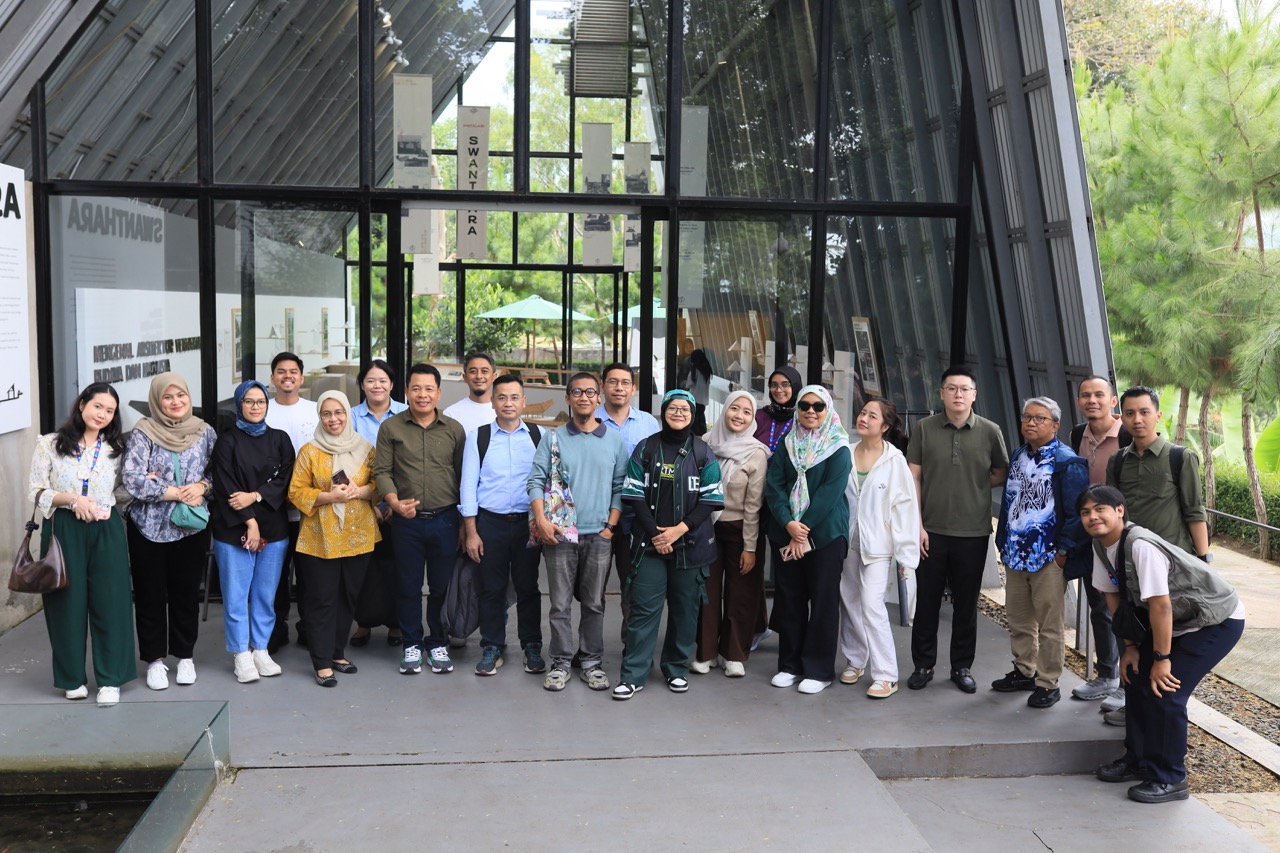
The cultural visit served not only as leisure but also as a deeper reflection on how heritage, creativity, and urban narratives can fuel positive storytelling.
Why a Good News Guidebook for ASEAN Matters
The long-term objective of this workshop is to produce a comprehensive Good News in Southeast Asia Guidebook, intended for government officials, journalists, media workers, and content creators. This guidebook will outline standards for constructive journalism, verification methods, ethical safeguards, and frameworks for inclusive storytelling.
Such a guidebook comes at a crucial moment. Across Southeast Asia, journalism faces tremendous pressure: shrinking newsroom budgets, political constraints in several countries, widespread misinformation, and changing audience habits. Press freedom varies significantly across the region, yet journalists everywhere face similar challenges in maintaining credibility while adapting to the digital age.
Despite these obstacles, Southeast Asia has a long history of regional media collaboration—through reporting networks, cross-border investigative projects, capacity-building workshops, and cultural exchange initiatives. This foundation of cooperation demonstrates a shared desire to strengthen press systems and ensure journalism remains a force for the public good.
The envisioned guidebook is both timely and necessary. It aims to address existing challenges while promoting a healthier, more balanced information ecosystem—one that uplifts solution-oriented stories, fosters trust, and inspires hope.
Looking Ahead: A Shared Future for Southeast Asian Journalism
The Jakarta workshop, with its combination of expert insights, multi-country dialogue, and cultural immersion, marked an important step toward advancing constructive storytelling in ASEAN. The collective aspiration is clear: a future where journalism informs, empowers, and unites; where good news is recognized not as superficial optimism but as a meaningful reflection of resilience, creativity, and regional progress.
Through continued collaboration, Southeast Asia can build a media landscape that celebrates what connects its people—while telling the good stories of the region with integrity, depth, and purpose.


