


Many people imagine penguins living among polar bears on vast sheets of ice, but this familiar image is a myth. Penguins have never lived at the North Pole, and their absence is the result of geography, evolution, and ecology rather than chance.
Understanding why penguins are not found in the Arctic reveals much about how species adapt to specific environments and how Earth’s two polar regions are fundamentally different.
Understanding the North Pole and the South Pole

The North Pole lies in the middle of the Arctic Ocean and is surrounded by continents such as North America, Europe, and Asia. It is covered by sea ice that expands and contracts with the seasons, but it has no permanent landmass beneath it.
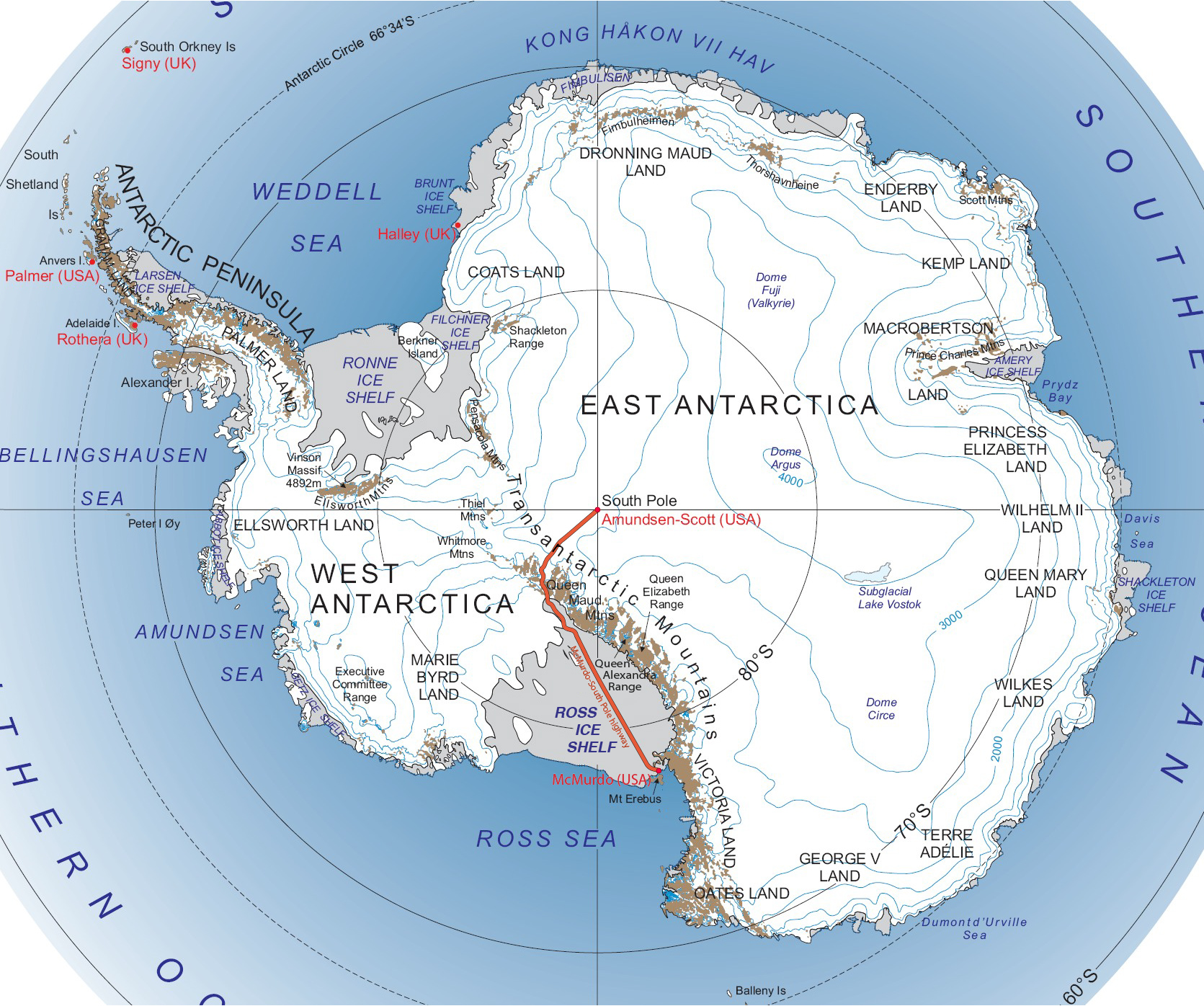
In contrast, the South Pole is located on the continent of Antarctica, a massive landmass covered by thick ice sheets and surrounded by the Southern Ocean.
This geographic distinction is crucial. Antarctica has been isolated by ocean currents and distance for millions of years, creating a unique evolutionary environment.
The Arctic, on the other hand, is closely connected to other landmasses, allowing animals to move in and out of the region more easily.
Where Penguins Actually Came From

Penguins evolved in the Southern Hemisphere. The earliest penguin fossils, dating back more than 60 million years, have been found in regions such as Antarctica, New Zealand, and South America.
These ancient penguins evolved from flying seabirds that gradually adapted to life in cold southern oceans, trading flight for powerful swimming abilities.
As penguins diversified, they spread across the Southern Hemisphere, inhabiting environments ranging from Antarctic ice to temperate coasts and even tropical islands near the equator. However, they never crossed into the Northern Hemisphere.
This historical pattern of evolution explains why penguins are absent not only from the North Pole but from the entire Arctic region.
Ocean Barriers and Evolutionary Limits
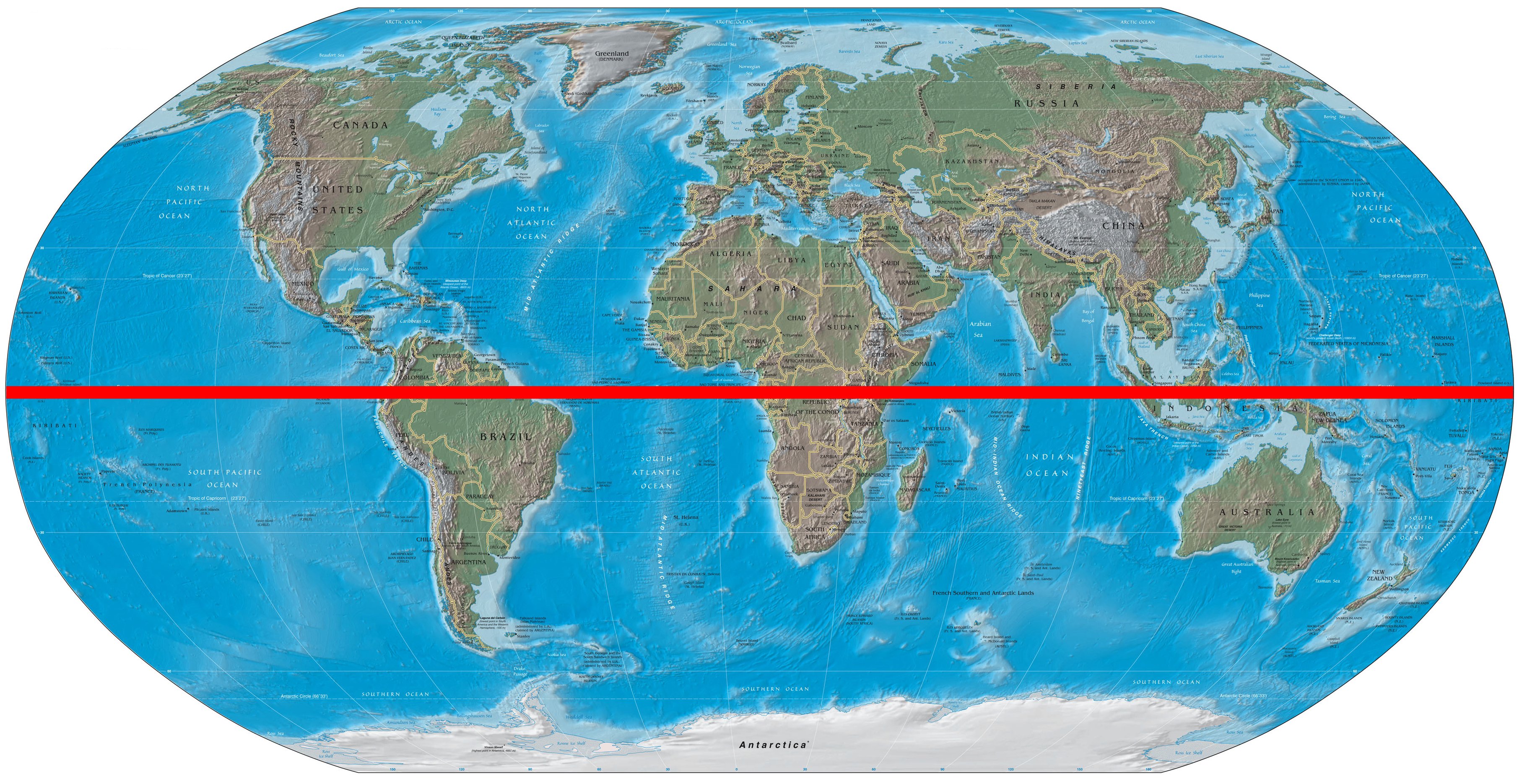
One of the main reasons penguins never reached the Arctic is the presence of natural barriers. The equator and the warm tropical oceans act as a significant obstacle for cold-adapted species.
Penguins are highly specialized for cold water, relying on dense feathers and layers of fat to retain heat.
Prolonged exposure to warm tropical waters would be physiologically stressful and potentially fatal for many penguin species.
Additionally, major ocean currents in the Southern Hemisphere, such as the Antarctic Circumpolar Current, help keep penguins within southern waters.
These currents circulate cold water around Antarctica and limit the northward movement of cold-adapted marine animals. Over evolutionary time, penguins simply never had a viable pathway to migrate north.
The Arctic Existing Wildlife

Another reason penguins are absent from the North Pole is that the Arctic already has its own well-established ecosystems. Animals such as polar bears, Arctic foxes, seals, walruses, and various seabirds evolved to fill ecological roles similar to those penguins occupy in the south.
Seals, for example, are excellent swimmers and fish hunters in Arctic waters, occupying a niche that penguins fill in Antarctic seas.
If penguins had somehow reached the Arctic, they would have faced intense competition for food and breeding space.
Polar bears, in particular, would pose a serious threat, as penguins evolved without land predators like large terrestrial mammals. In Antarctica, penguins are relatively safe on land because there are no bears or similar predators.
Climate and Habitat Differences

Although both poles are cold, their climates differ in important ways. The Arctic experiences more seasonal variation, with warmer summers that can significantly reduce sea ice. The Antarctic climate is more stable in its extreme cold, especially in inland regions.
Penguins are adapted to these southern conditions, particularly the predictable availability of sea ice and cold waters rich in krill.
Furthermore, most penguin species depend on specific breeding grounds, such as rocky coasts or stable ice shelves. The North Pole lacks these features, as it is composed mainly of floating sea ice. This environment is unsuitable for penguin nesting and raising chicks.
Why the Myth Persists
The idea of penguins at the North Pole persists largely because of popular culture. Cartoons, movies, and children’s books often place penguins and polar bears together for visual simplicity, reinforcing the misconception that all polar animals live in the same place.
The term polar itself contributes to the confusion, as many people assume the Arctic and Antarctic are mirror images of each other.
In reality, the two regions are separated by half the planet and have entirely different evolutionary histories. Penguins belong to the south, while polar bears belong to the north, and their paths have never crossed in the wild.
A Story of Evolution, Not Absence
Penguins are not missing from the North Pole by accident. Their absence is the result of millions of years of evolution shaped by geography, climate, and ecological balance.
They are perfectly adapted to life in the Southern Hemisphere, just as Arctic animals are perfectly suited to the north.
Understanding why penguins do not live at the North Pole helps clarify how species evolve within specific boundaries. It also reminds us that Earth’s ecosystems are deeply shaped by history, and that even places that seem similar at first glance can be profoundly different.


