


Tucked away at the northernmost edge of the Philippines, Batanes is often described as the New Zealand of Asia. This comparison may seem surprising at first, but travelers who set foot on these remote islands quickly understand why.
With rolling green hills, dramatic coastlines, stone houses, and a calm, pastoral atmosphere, Batanes feels worlds apart from the tropical image usually associated with the Philippines.
Its landscapes and lifestyle evoke the serene countryside of New Zealand, earning it a reputation as one of Asia’s most distinctive destinations.
Rolling Hills and Open Landscapes
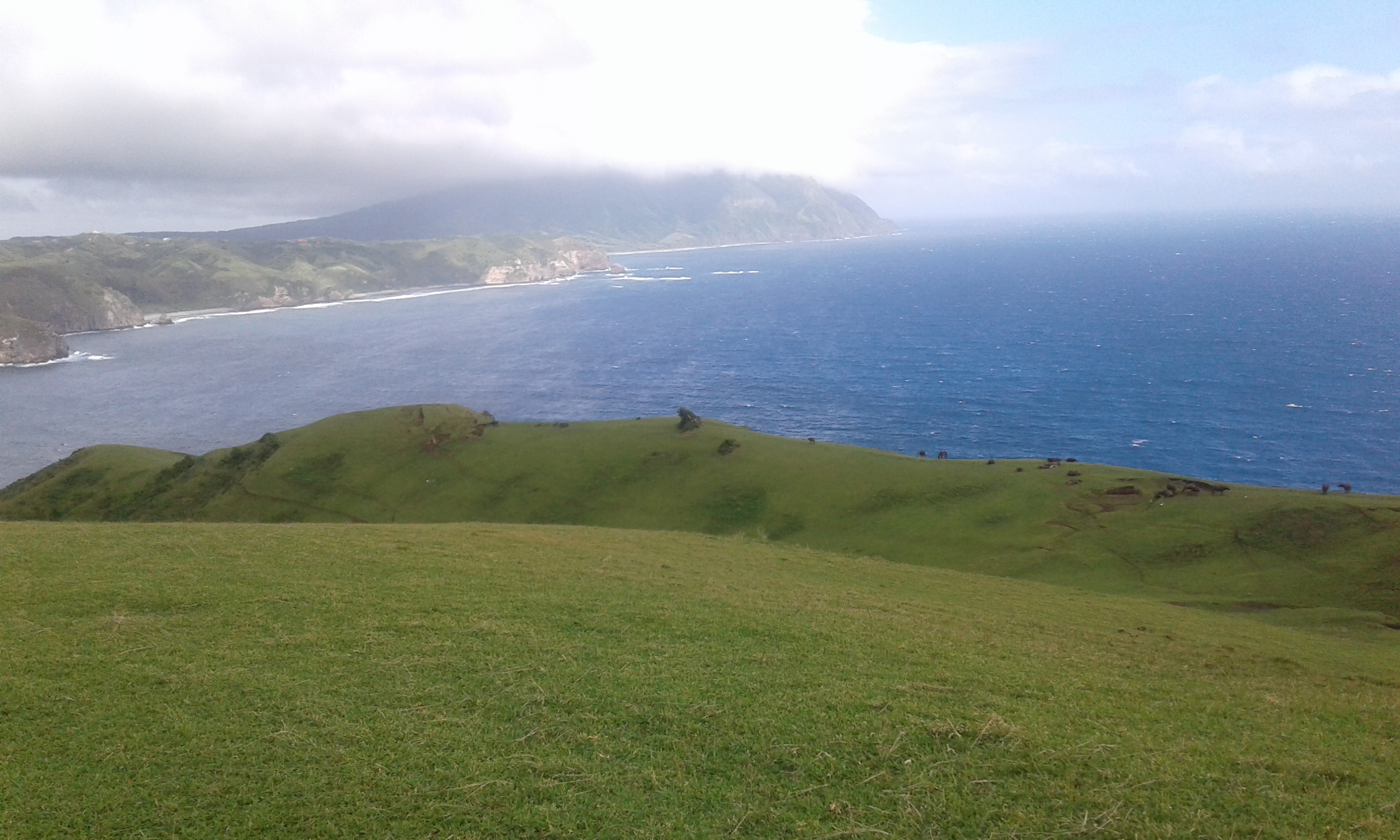
One of the strongest reasons Batanes is likened to New Zealand is its scenery. Instead of palm-lined beaches and dense jungles, the islands are defined by vast grasslands that ripple with the wind.
Hills stretch toward the horizon, uninterrupted by towering buildings or crowded developments. From viewpoints like Marlboro Hills and Rakuh a Payaman, visitors are greeted with sweeping vistas that resemble the open pastures of rural New Zealand.
Cows and goats graze freely across these fields, reinforcing the pastoral feel. Stone fences divide the land into neat sections, much like farmland in New Zealand’s countryside.
The constant presence of the sea adds drama to the landscape, with steep cliffs dropping into deep blue waters, creating a striking contrast between land and ocean.
A Cool Climate, Unlike the Rest of the Philippines

Another factor behind the comparison is Batanes’ climate. While much of the Philippines is hot and humid year-round, Batanes enjoys cooler and windier weather. Strong ocean breezes are common, and temperatures are generally milder, especially during the amihan season.
This cooler climate supports the growth of lush grass rather than tropical foliage, further enhancing the New Zealand-like environment.
The weather also shapes daily life in Batanes. Homes are built to withstand powerful winds and frequent storms, and outdoor activities often revolve around appreciating the landscape rather than escaping the heat.
The climate encourages a slower, more reflective pace that mirrors the relaxed rural lifestyle found in parts of New Zealand.
Ivatan Architecture and Cultural Resilience
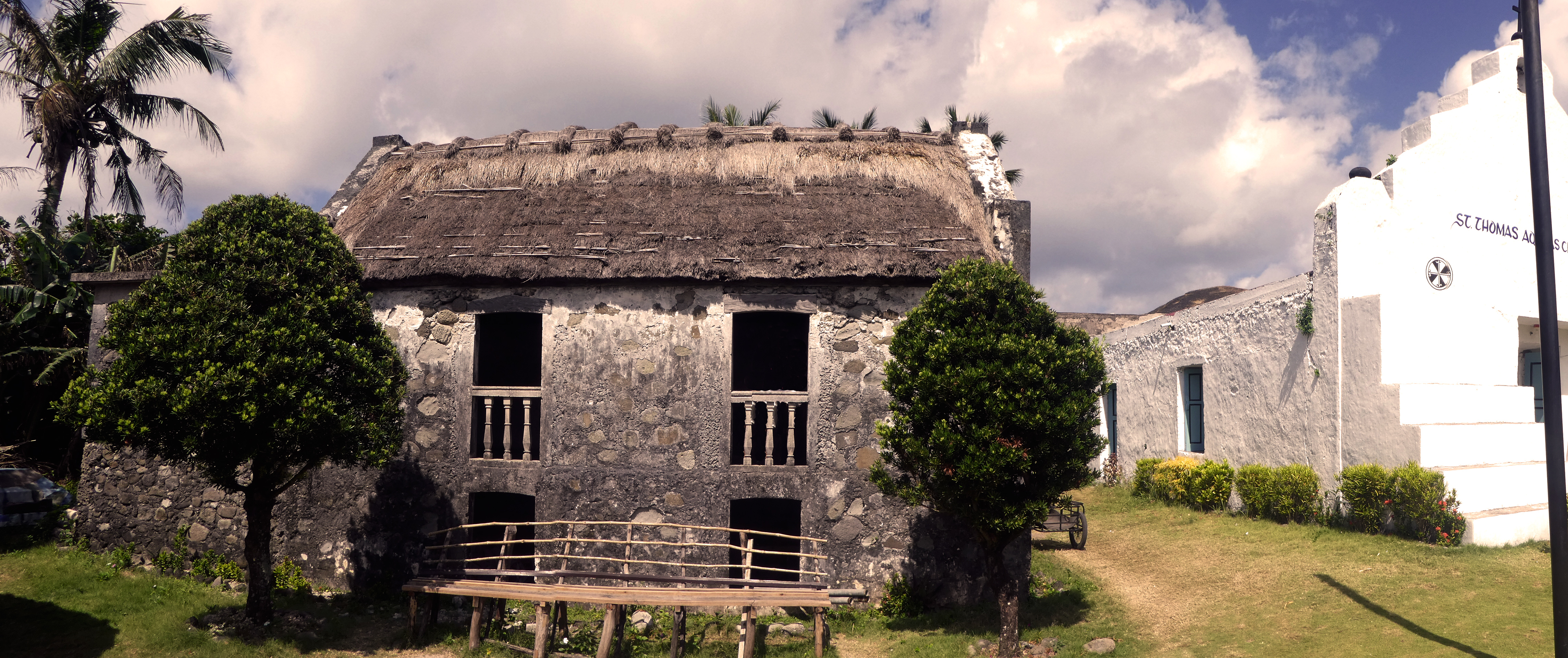
The traditional stone houses of Batanes add another layer to its unique identity. Built from limestone and coral, these structures are designed to endure typhoons and earthquakes.
Their thick walls, small windows, and low profiles blend naturally into the surroundings, much like traditional farmhouses in New Zealand’s countryside.
Beyond architecture, the Ivatan people are known for their resilience, discipline, and deep respect for nature. Life in Batanes is shaped by the elements, and the community has adapted through practices that emphasize sustainability and cooperation.
This strong connection between people, land, and weather echoes the rural values often associated with New Zealand communities.
Dramatic Coastlines and Untamed Beauty

Batanes’ coastline is another reason it earns the New Zealand of Asia title. Jagged cliffs, rocky shores, and crashing waves define much of the islands’ edges. Instead of crowded beaches, visitors find raw, untamed seascapes that feel wild and cinematic.
Places like Valugan Boulder Beach, with its smooth volcanic stones and powerful surf, resemble the rugged coastal areas of New Zealand rather than typical Southeast Asian shores.
These coastlines invite contemplation rather than recreation. People come to watch the waves, feel the wind, and take in the vastness of the ocean. The sense of isolation and natural grandeur is a major part of Batanes’ appeal.
A Slower Pace of Life

Perhaps the most compelling similarity between Batanes and New Zealand is the pace of life. Batanes is quiet, uncrowded, and refreshingly simple. There are no shopping malls, no traffic jams, and limited nightlife.
Days revolve around farming, fishing, family, and community. Visitors are often struck by the sense of order and calm, as well as the honesty and warmth of the locals.
This slower rhythm allows people to truly experience their surroundings. Like rural New Zealand, Batanes encourages long walks, scenic drives, and moments of stillness. It is a place where nature sets the schedule, not the other way around.
Does the Comparison Matter?

Calling Batanes the New Zealand of Asia is not just about visual similarities. It highlights how rare and precious the islands are within the region. Batanes offers a different vision of the Philippines, one defined by restraint, balance, and harmony with nature.
While it remains proudly Filipino in culture and identity, its landscapes and lifestyle resonate with the same sense of freedom and openness that people associate with New Zealand.
In a world of fast-growing tourism and rapid development, Batanes stands out by staying true to itself. That authenticity, combined with its breathtaking scenery, is what truly earns it the title of the New Zealand of Asia.


