


Hidden beneath limestone mountains on the island of Palawan, the underground river of Puerto Princesa flows through a spectacular labyrinth of caves before meeting the sea.
This remarkable natural wonder combines dramatic rock formations, rare wildlife, and geological history millions of years in the making. It stands today as one of the Philippines’ most extraordinary and celebrated landscapes.
A Natural Treasure in Palawan

The underground river is located within the Puerto Princesa Subterranean River National Park, about fifty kilometers north of the city of Puerto Princesa on the island of Palawan.
The park protects a pristine ecosystem that stretches from forested mountains down to a white-sand coastline facing the West Philippine Sea.
Recognized in 1999 as a UNESCO World Heritage Site, the park is celebrated for its outstanding universal value. It also gained international attention after being named one of the New7Wonders of Nature in 2011.
These honors reflect not only the river’s beauty but also its scientific importance and ecological richness.
The surrounding landscape is dominated by karst limestone formations. Over millions of years, slightly acidic rainwater seeped into cracks in the rock, dissolving and reshaping it into dramatic cliffs, sinkholes, and cave systems.
This stunning underground river is the most impressive result of this extremely long geological process.
The Journey Beneath the Mountain

The Puerto Princesa Underground River stretches for more than eight kilometers beneath the St. Paul Mountain Range, making it one of the longest navigable underground rivers in the world.
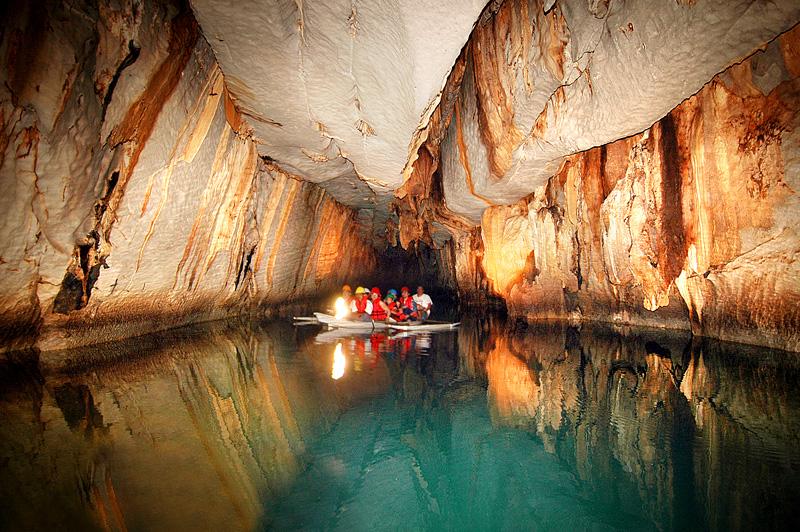
Visitors typically explore a portion of the cave by small paddle boat, guided quietly through dark chambers illuminated by handheld lights.
As the boat glides into the cavern, daylight fades and towering chambers unfold overhead. Stalactites hang from the ceiling like stone icicles, while stalagmites rise from the cave floor in sculpted forms.
In some sections, the formations appear to resemble animals, vegetables, or religious figures, sparking the imagination of visitors and guides alike.
One of the most striking features of the river is its direct connection to the sea. The lower section of the cave is influenced by ocean tides, creating a brackish water environment where fresh and saltwater mix.
This rare phenomenon makes the system scientifically significant, as it supports unique ecological interactions within the cave.
A Labyrinth of Chambers and Formations

The cave system is often described as a labyrinth because of its complex network of chambers, side passages, and hidden corridors. Although only a portion is open to tourists, researchers continue to study deeper sections that remain less explored.
Some chambers soar up to sixty meters high, with vast cathedral-like ceilings that dwarf the boats below. Rock formations display intricate patterns created by mineral deposits accumulating drop by drop over thousands of years.
Flowstones cascade down walls like frozen waterfalls, and delicate curtain formations ripple across the cave interior.
The slow, patient artistry of nature is evident everywhere. Each stalactite and stalagmite forms at a pace almost imperceptible to humans, sometimes growing just a few centimeters in a century.
This makes the cave both fragile and irreplaceable, requiring careful management to preserve its delicate environment.
Wildlife in Darkness and Light
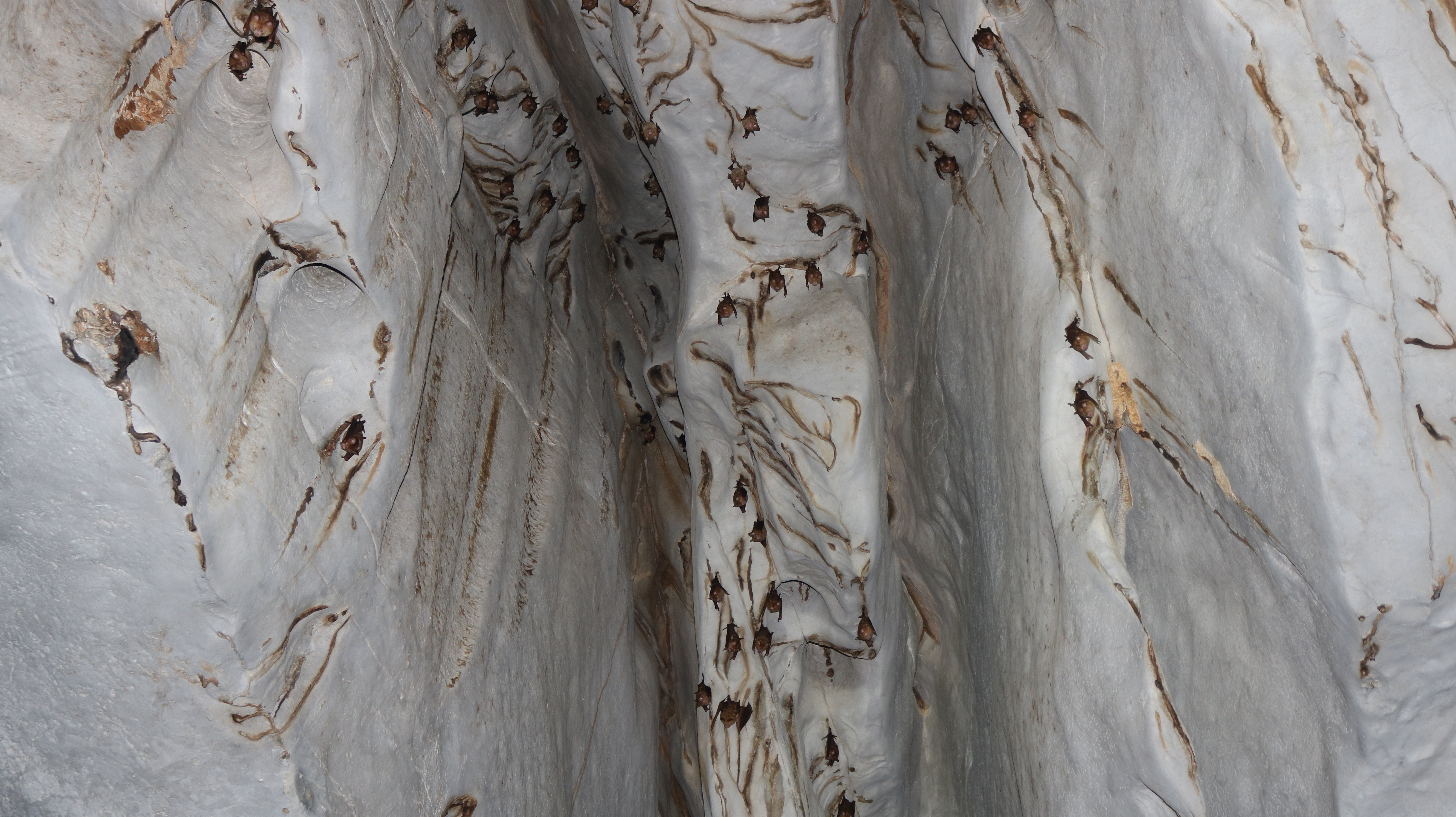
Despite the darkness within the cave, life thrives both inside and around the underground river. Colonies of bats roost in the upper chambers, while swiftlets build nests high along the cave walls.
Their movements and calls echo through the cavern, adding a dynamic presence to the stillness of stone.
Outside the cave, the national park shelters diverse wildlife. Monitor lizards, long-tailed macaques, and various bird species inhabit the forested areas near the entrance.
The park’s coastal zone includes mangroves and coral reefs, linking marine and terrestrial ecosystems into a continuous chain of biodiversity.
The combination of mountain, forest, cave, and sea in a single protected area makes Puerto Princesa Subterranean River National Park ecologically unique. It represents a rare example of a complete “mountain-to-sea” ecosystem preserved within one landscape.
Conservation and Sustainable Tourism

Because of its global recognition and popularity, the underground river faces the challenge of balancing tourism with conservation. Visitor numbers are regulated through a permit system, and guided tours follow strict environmental guidelines.
Flash photography is limited, noise is minimized, and boats are carefully managed to reduce disturbance to wildlife.
Local communities play a crucial role in protecting the site. Tourism provides livelihoods for boat operators, guides, and park staff, creating incentives to maintain the area’s natural integrity. Education programs also promote awareness of the cave’s geological and ecological value.
These conservation efforts are essential to ensuring that future generations can experience the underground river much as it appears today. The delicate formations and sensitive ecosystems cannot easily recover from damage, making responsible stewardship vital.
A Stunning Natural Wonder
The underground river and labyrinth of Puerto Princesa stand as powerful reminders of nature’s capacity for creativity and endurance. Formed through slow geological transformation and sustained by a rich web of life, the cave system invites awe and reflection.
For visitors, the journey into the mountain is both an adventure and a lesson in humility. Surrounded by towering stone chambers shaped over millions of years, one gains a deeper appreciation for the forces that shape our planet.
In the Philippines, this subterranean wonder remains not only a source of national pride but also a testament to the extraordinary beauty hidden beneath the earth’s surface.


