


For 250 years, a single sea route stretching roughly 15,000 miles stitched together Asia, the Americas, and Europe into an integrated trading system. From 1565 to 1815, Spanish galleons sailed once a year between Manila (Philippines) and Acapulco (Mexico).
From Asia, the ships carried silk, porcelain, spices such as cinnamon and cloves, ivory, fine woods, lacquerware, Persian carpets, Indian cotton, perfumes, gemstones, and Chinese gold bullion. From the Americas, the same vessels returned loaded with gold and, above all, vast quantities of silver.
This two-way flow formed the foundation of the early global economy, long before the Industrial Age.
Foundations of the Trans-Pacific Route
The need for a Pacific route emerged after the division of the world between Spain and Portugal through the Treaty of Tordesillas and the Treaty of Zaragoza. Spain required a maritime corridor that avoided Portuguese-controlled waters around the Cape of Good Hope.
After difficult early voyages, Andrés de Urdaneta identified Pacific ocean currents in 1565, including the Kuroshio Current, which made eastward sailing toward the Americas possible. From that point on, the Manila–Acapulco route, covering roughly 11,500 miles, became a fixed annual passage.
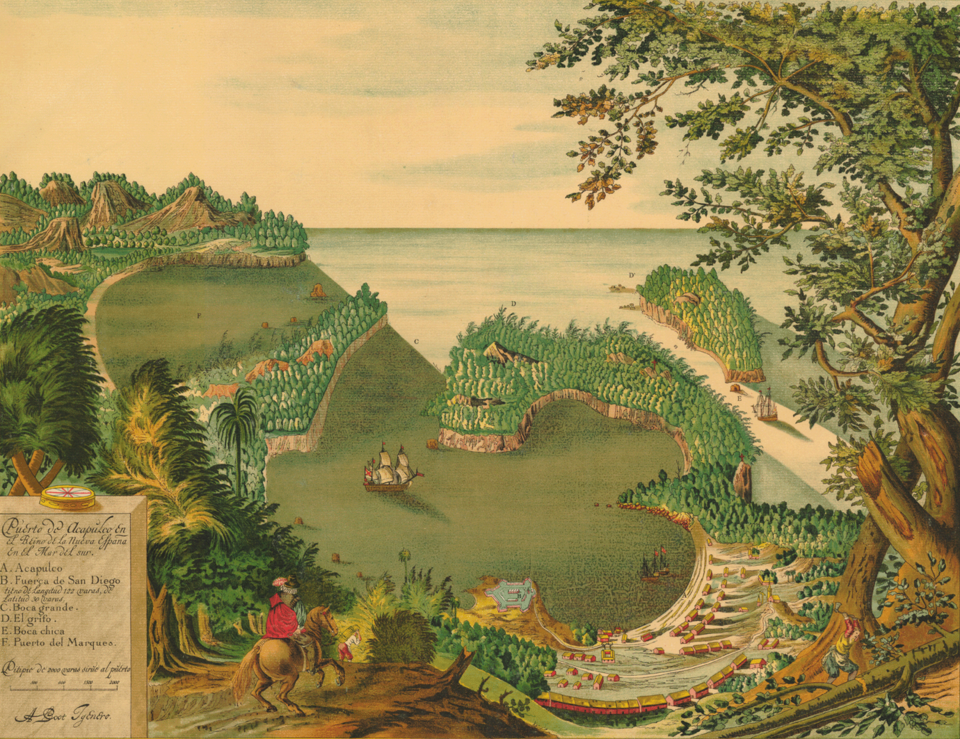
Manila functioned as the main shipping hub. Most goods originated in China, Japan, India, Thailand, and Siam. From Manila, cargo crossed the Pacific to Acapulco, was transported across Mexico by land, and then shipped onward to Spain.
Silver Driving Trans-Pacific Exchange
At the heart of the galleon trade was the exchange of American silver for Asian luxury goods. As much as one-third of the silver produced in New Spain and Peru is estimated to have flowed eastward.
After China adopted a silver-based monetary standard in 1567, silver from the Americas became a vital component of Asian trade. Over the lifespan of the galleon system, an estimated 400 million silver pesos arrived in Manila.
This wealth transformed Manila into a cosmopolitan city. Grand structures within Intramuros reflected the prosperity generated by the trade.
Goods unloaded in Acapulco were transported across Mexico to Veracruz before being shipped to Spain. Some merchandise remained in the Americas, influencing local artistic production, particularly Mexican ceramics and Guatemalan sculpture.
Mexican silver pesos were widely accepted across Southeast Asia. Even though the Spanish Crown imposed a 20 percent tax on goods arriving in the Americas, the trade remained highly profitable. These high returns also encouraged widespread smuggling, known as fayuca.
Risks of Trans-Pacific Voyages
The Manila galleons were among the largest and most powerful ships of their era, armed with dozens of cannons and crewed by hundreds of men. Despite sailing without regular naval escorts, only four galleons are known to have been successfully captured over more than two centuries of operation.
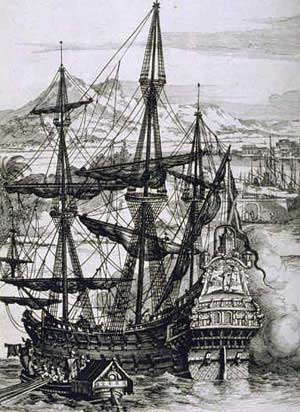
Other dangers proved far deadlier. Storms, reefs, fires, disease, and logistical shortages posed constant threats. A voyage from Manila to Acapulco could take five to six months, while the return journey typically lasted three to four months.
Supplies frequently ran out mid-ocean. Scurvy spread due to the lack of fresh food, and high mortality rates were not uncommon.
At the same time, Manila’s reliance on a single annual sailing made the city vulnerable. When a galleon failed to arrive or was lost, the economic impact was immediate and severe.
The Route That Finally Ended
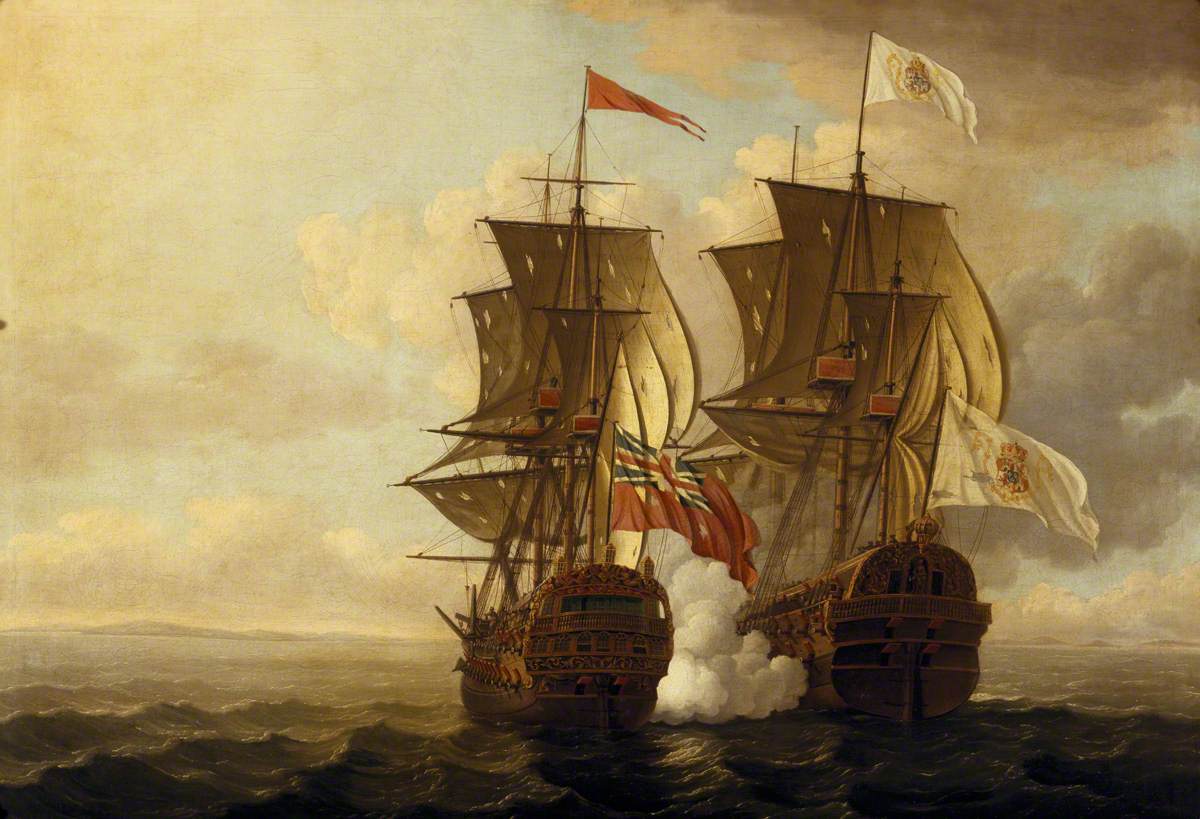
By the late eighteenth century, Spain’s dominance was increasingly undermined by rising competition and shifts in global trade patterns. Expanding commodity production elsewhere, combined with political upheaval in Mexico, weakened the system.
The final galleon sailed in 1815, marking the end of the trans-Pacific route that had linked East and West for nearly two and a half centuries.
Although the system came to an end, its legacy is unmistakable. This network moved precious metals, luxury goods, people, and cultural influences across continents on an unprecedented scale. Across the Pacific, the Manila galleon trade helped lay one of the earliest foundations of the modern global economy.
With the cessation of the annual voyages, the trans-Pacific trading system that had connected East and West for centuries collapsed, closing one of the earliest chapters in modern global economic history.