Tragedy struck the Indonesian peacekeeping contingent in Southern Lebanon recently, with the reported loss of two brave soldiers serving under the United Nations banner. These fallen heroes were part of a global effort to maintain stability in one of the world's most volatile border regions.
Their sacrifice highlights the immense dangers faced by those who stand between conflicting parties to prevent a total descent into war. Beyond the headlines of grief, this incident serves as a solemn reminder of why the United Nations Interim Force in Lebanon (UNIFIL) remains a critical pillar of international security.
Established in March 1978 through UN Security Council Resolutions 425 and 426, UNIFIL was a direct response to the Israeli invasion of Southern Lebanon. The mission’s initial objectives were clear: to confirm the withdrawal of Israeli forces, restore international peace, and assist the Lebanese government in regaining effective authority over its southern territory.
According to official historical records from UNIFIL’s official website, the force was created during a time of intense cross-border commando operations and military reprisals that threatened to destabilize the entire Middle East.
A Strengthened Mandate Amidst Growing Tensions
Mandates for peacekeeping often evolve as ground realities shift, and UNIFIL is no exception. Following the devastating crisis in the summer of 2006, the Security Council adopted Resolution 1701, significantly enhancing the mission’s capabilities and responsibilities.
Under this strengthened framework, peacekeepers now monitor the cessation of hostilities and support the deployment of the Lebanese Armed Forces throughout the south, including the sensitive "Blue Line." Their presence ensures that the area between the Blue Line and the Litani River remains free of unauthorized armed personnel and weapons.
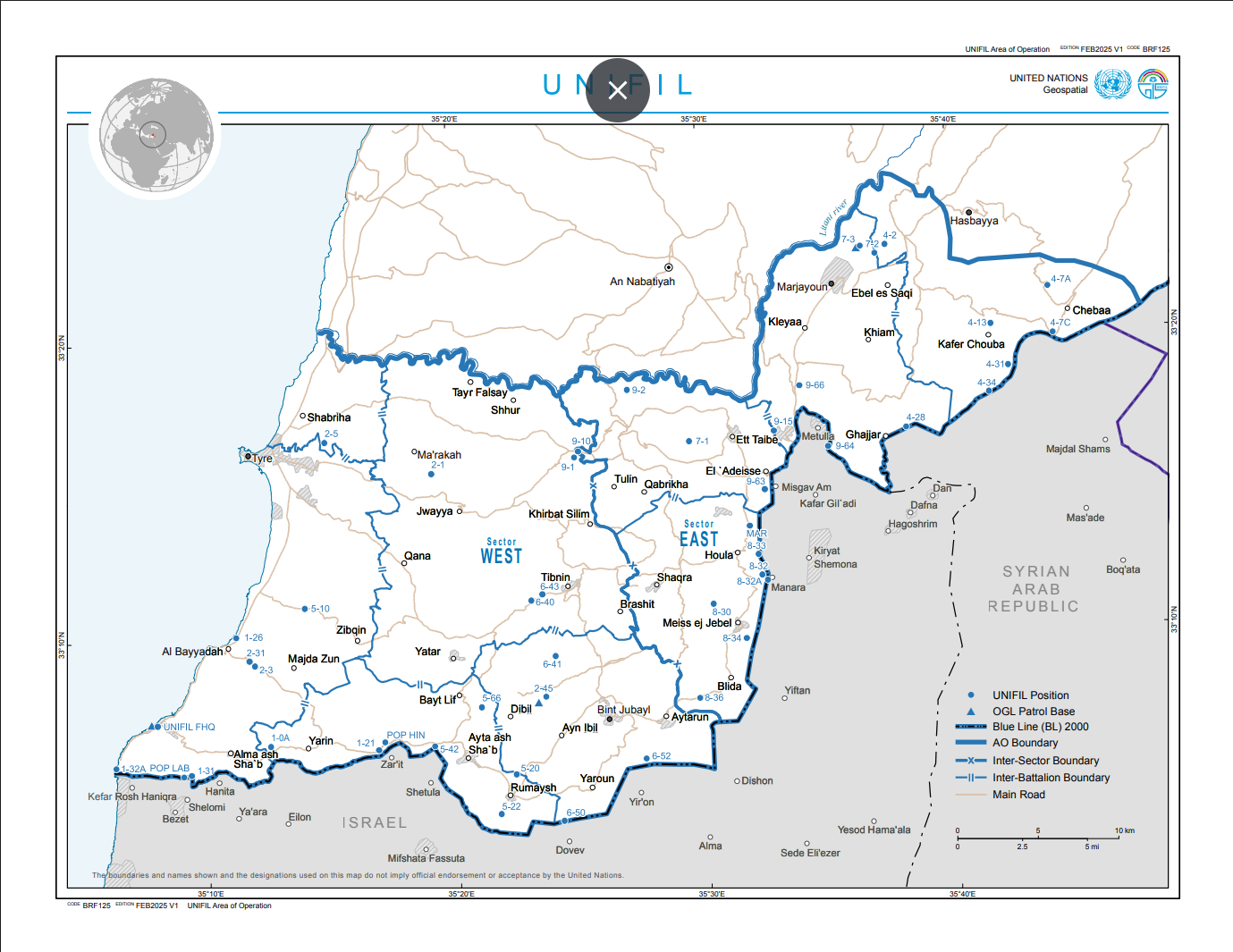
Operations in the field are extensive, with UNIFIL maintaining approximately 14,500 activities per month, ranging from foot patrols to maritime surveillance. Around seventeen percent of these tasks are conducted jointly with the Lebanese military, fostering a collaborative environment for national security.
Beyond military duties, the mission also plays a humanitarian role by ensuring civilian access to aid and supporting the voluntary return of displaced persons. Such a multifaceted approach is essential for preventing a return to the large-scale violence witnessed in previous decades.
Southeast Asian Contributions to Global Stability
Contributing troops to such a high-stakes mission requires significant political will and a commitment to humanitarian principles.
As of March 30, 2026, UNIFIL consists of over 7,500 peacekeepers hailing from 47 different nations. This diverse force represents a global coalition dedicated to the "Blue Helmet" cause.
Interestingly, Indonesia stands as a primary leader in this regard, contributing 755 personnel, the highest number among all participating countries. This leadership position reflects Jakarta’s long-standing constitutional mandate to participate in a world order based on freedom and perpetual peace.
Southeast Asia, as a region, maintains a robust presence within the UNIFIL force. Malaysia follows closely with 515 dedicated peacekeepers, while Cambodia contributes 181 personnel to the mission. Brunei also plays a specialized role with 21 personnel integrated into the force.
The collective participation of these ASEAN nations demonstrates a regional dedication to global peacekeeping that extends far beyond their own borders. By sending their best soldiers to the Blue Line, these countries prove that Southeast Asia is a major stakeholder in maintaining international law and order.
The Road Toward Mission Completion
Future plans for UNIFIL have already been set in motion by the UN Security Council. Under Resolution 2790 (2025), the mission’s mandate has been extended until December 31, 2026, with a planned drawdown and withdrawal scheduled throughout 2027.
This transition period marks a critical phase where the full implementation of Resolution 1701 becomes paramount. Respect for the Blue Line and a total cessation of hostilities are non-negotiable requirements for a successful exit strategy. Until that day comes, the "Blue Helmets" continue to serve as the only buffer preventing further escalation.
Reflecting on the recent loss of Indonesian peacekeepers, the world is reminded that peace is never free. It is built on the daily vigilance of thousands of men and women who leave their homes to protect strangers in a foreign land.
As UNIFIL moves toward its final chapters, the legacy of those who served, and those who fell, remains etched in the history of Lebanon’s struggle for sovereignty. Their mission remains a testament to the idea that international cooperation, however difficult, is the only path toward a stable and prosperous future for all.