Before Southeast Asia started making headlines with its own hit films and games, its artists were already helping build global pop culture. In Manila, animators at Toei Animation Philippines helped produce in between animation for the Dragon Ball franchise, with some artists spending more than a decade working on the series.
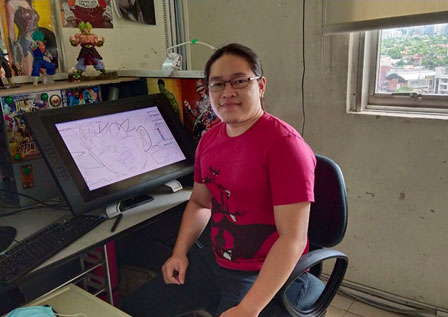
Meanwhile, in Kuala Lumpur, Lemon Sky Studios has grown into one of Asia's largest game art and co-development companies, employing over 300 artists and contributing to more than 180 AAA game projects, including Marvel's Spider-Man, The Last of Us, Final Fantasy VII Remake, and Warcraft III: Reforged.
From Supporting Global Projects to Creating Original IP
During the 1990s and early 2000s, local studios from Kuala Lumpur to Manila operated primarily as back end service providers. While this built invaluable technical experience, it kept local talent at the bottom of the global value chain.
However, by the mid 2010s, digital distribution channels democratized the media landscape, allowing regional creators to build, own, and export their unique Intellectual Properties (IP).
When Les' Copaque Production introduced a short Ramadan-themed animated clip titled Upin & Ipin in 2007, few anticipated its trajectory. What started as a local cultural project expanded into a massive regional franchise.
The show began airing on Disney Channel Asia in November 2009, after Disney approached Les' Copaque following the release of their feature film Geng: The Adventure Begins (Malay: Geng: Pengembaraan Bermula) earlier that year.
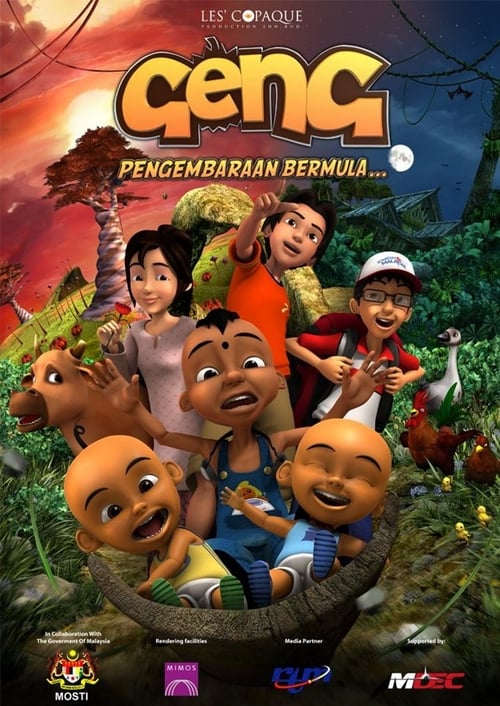
It later became available on Disney+ Hotstar starting June 2021. The show proved that deeply localized elements such as life in a traditional Malay kampung could resonate across borders.
Following this blueprint, the animation industry continues to mature with much larger scale theatrical releases. Indonesia's Visinema produced Jumbo in 2025, an animated feature that addresses contemporary social issues such as bullying through high-quality 3D animation.
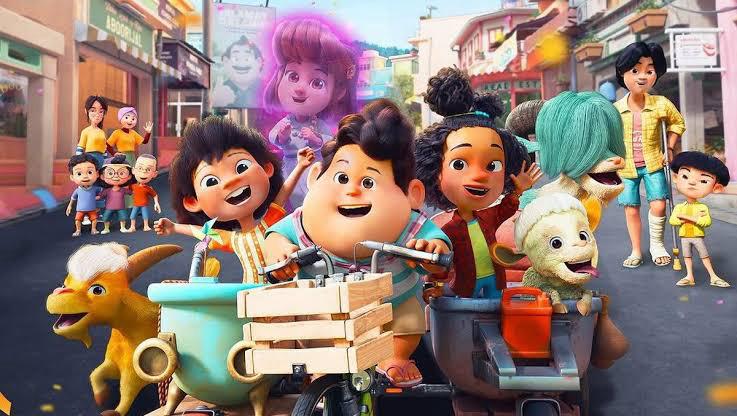
The film crossed 10 million ticket sales within 60 days, making it one of the highest-grossing films in Indonesian box office history, and secured theatrical and streaming releases across international markets.
Meanwhile in the Philippines, a dark fantasy animated series set in the neon lit, creature infested streets of Manila achieved something unprecedented. Within just three days of its release, Trese entered Netflix's Top 10 TV shows in 19 countries, including Non Asian markets like New Zealand, Canada, and Jamaica
Building Global Games From Local Experiences
Southeast Asia's gaming industry has mirrored this evolution by trading generic clones for authentic local narratives. A definitive milestone occurred in January 2023, when Mojiken Studio and Toge Productions released A Space for the Unbound.
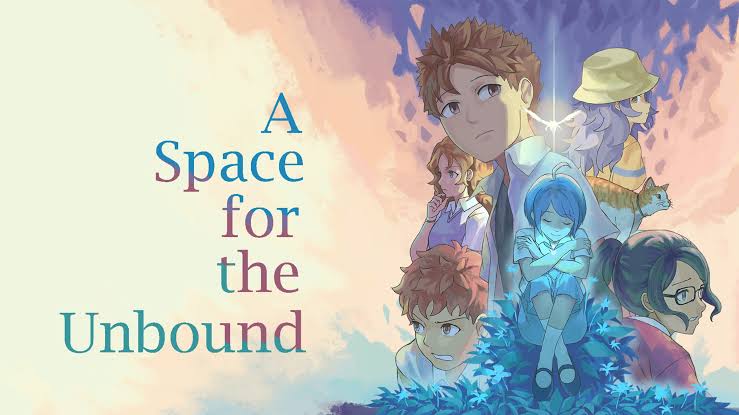
Set in rural 1990s Indonesia, that pixel art narrative game did not hide its identity, it leaned into Indonesian school uniforms, local street food vendors, and traditional neighborhood dynamics.
The result was global acclaim. The game secured a prestigious nomination at the 2023 Game Awards in Los Angeles and achieved an "Overwhelmingly Positive" rating on Steam, with a significant portion of buyers coming from China, Europe, and North America.
It proved an essential industry lesson, global audiences are no longer seeking carbon copies of Western or Japanese styles, they are drawn to fresh, culturally authentic worlds.
Southeast Asia's Next Creative Chapter
The exciting part is that this is not a story of old studios being replaced by new ones. Instead, the whole industry is just getting bigger.
Giant studios like Lemon Sky and Toei Animation Philippines are still rocking the global stage, working on the world's biggest blockbusters. But now, they share the spotlight with local creators who are bringing hits like Upin & Ipin, Jumbo, Trese, and A Space for the Unbound to life.
International media reports consistently highlight how this entire movement is focused on one big thing, expanding original IP content within Southeast Asia. It proves that the region's creative world is not letting go of its roots, it’s just adding more unique stories and characters to the mix.