


On the map of Southeast Asia, Sarawak appears to be just another Malaysian state. But around 180 years ago, this territory on the island of Borneo had a history unlike almost anywhere else in the world: it was ruled by a British family, not as a colony, but as a recognized sovereign kingdom.
The dynasty later became known as the "White Rajahs" because they were Europeans who ruled much like indigenous monarchs on Asian soil.
What makes the story particularly remarkable is that its founder was neither a member of the British royal family, nor a government official, nor a military commander of the Crown. He was an ordinary adventurer who happened to own a ship.
His name was James Brooke. And in 1841, he was officially crowned Rajah of Sarawak.
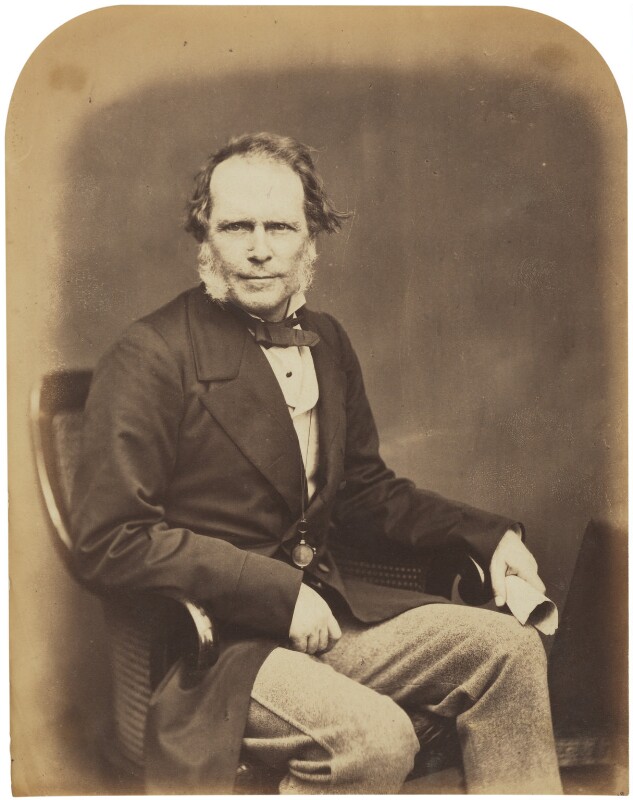
How an English Adventurer Became the Rajah of Sarawak
Brooke was not an insignificant figure, but neither was he anyone of particular importance in the eyes of the British government. He was a former soldier of the East India Company who returned home wounded from the First Anglo-Burmese War of 1825.
After his father's death, he inherited £30,000, enough money to purchase a 142-ton schooner named Royalist and equip it with six cannons.
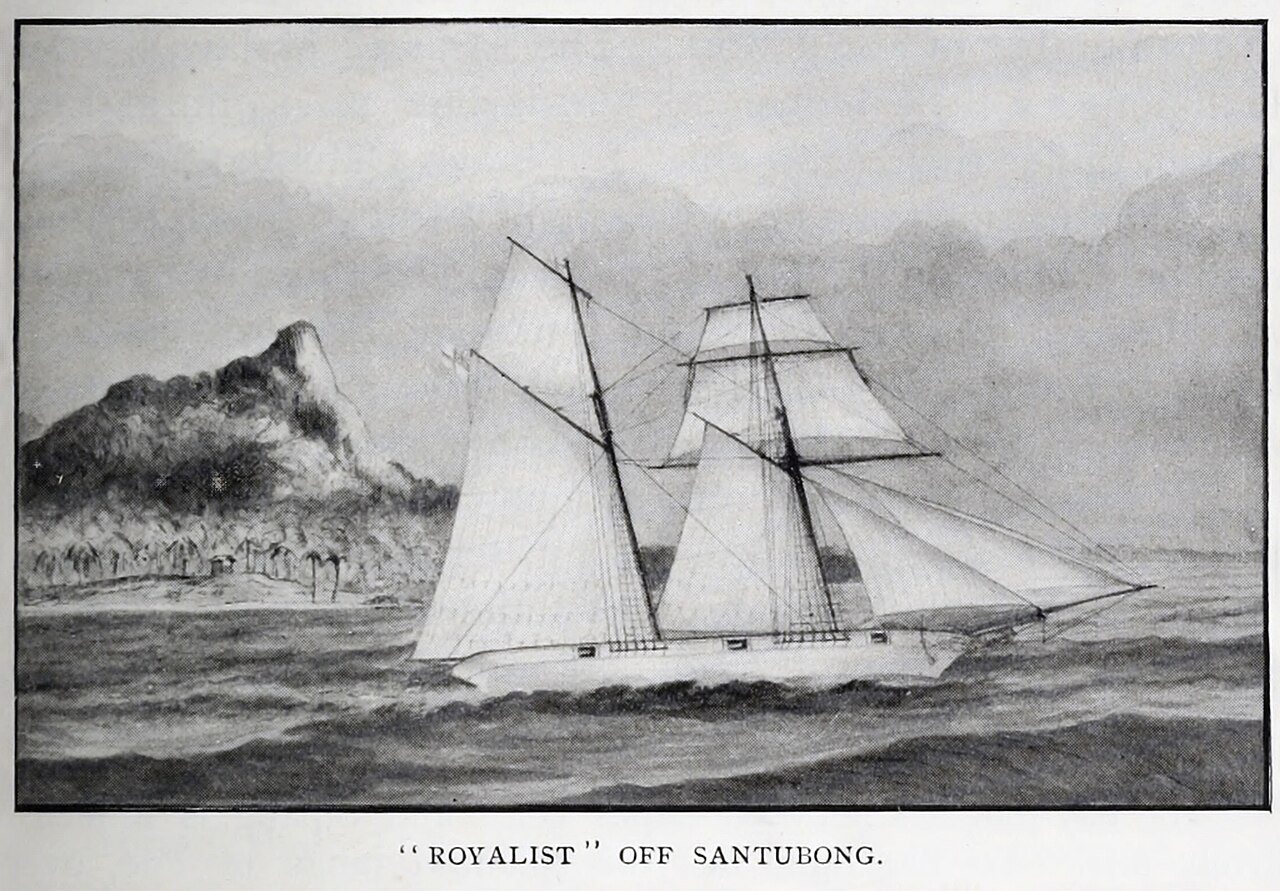
In 1838, he sailed to Borneo without any official mission. Upon arriving in Sarawak, he found a region in turmoil. Local communities were rebelling against heavy taxes imposed by Brunei, pirates controlled the surrounding waters, and the Sultan's representatives had spent years struggling to restore order without success.
The Brunei Sultanate itself was in a prolonged period of decline and lacked the capacity to reassert control over its distant territories.
Brooke helped suppress the rebellion. To the Sultan's increasingly frustrated representative, the arrival of an armed foreigner willing to solve the problem was an opportunity too valuable to reject. Sarawak was offered to him as a reward.
On 24 September 1841, James Brooke officially became the Rajah of Sarawak. Not a governor. Not a colonial resident. But a king.
A Century Under the Brooke Dynasty
What makes the Sarawak story truly unique is its status. The Raj of Sarawak was not a British colony. From 1841 to 1888, Sarawak existed as a fully sovereign state.
The United States recognized it in 1850, while Britain followed only in 1864, twenty-three years after James Brooke ascended the throne.
When British warships finally entered Kuching in 1864, they saluted a former soldier who had arrived with his own private vessel with a 21-gun salute.
For 105 years, Sarawak was ruled by just three members of the same family. James Brooke laid the foundations of government, suppressed piracy, and abolished slavery.
His nephew, Charles Brooke, expanded the territory, encouraged the migration of Chinese merchants, and developed the exports of rubber, pepper, and petroleum that became the backbone of Sarawak's economy.
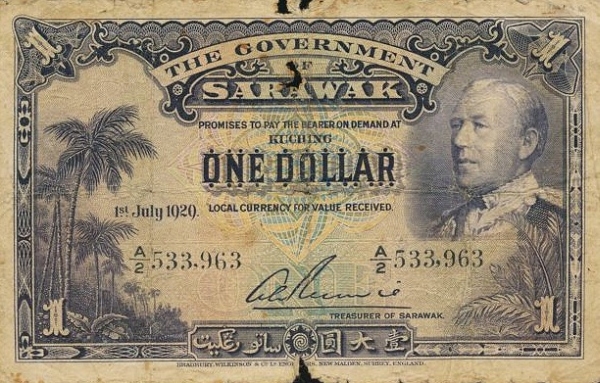
He also transformed Kuching by building hospitals, schools, railway lines, and the Sarawak Museum, which still stands today. The Astana Palace, constructed in 1870, remains the official residence of Sarawak's governor.
The third Rajah, Charles Vyner Brooke, continued the modernization process by introducing a criminal code in 1924 and expanding public services.
An Uneasy End
The dynasty came to an end not because of rebellion, but because of war.
When Japan invaded Sarawak on 16 December 1941, the third Rajah, Charles Vyner Brooke, was on holiday in Sydney.
Sarawak fell within weeks. After the Japanese occupation ended and much of the territory's infrastructure lay in ruins, Vyner ceded Sarawak to the United Kingdom on 1 July 1946.
Many members of the local council opposed the decision. The legitimate heir to the throne, Anthony Brooke, also rejected it.
For the next seventeen years, Sarawak became a British Crown Colony. Yet opposition did not disappear. A total of 338 indigenous Sarawak civil servants resigned en masse in protest against the transfer.
Tensions reached their peak on 3 December 1949, when the second British governor, Sir Duncan Stewart, was assassinated during a visit to Sibu by a Sarawak nationalist.
Resistance gradually faded, and Sarawak eventually joined the Federation of Malaysia in 1963, bringing with it special autonomy rights that continue to be defended today in matters of immigration, finance, and its legal system.
Meanwhile, James Brooke, Charles Brooke, and Charles Vyner Brooke—the three men who ruled Sarawak for more than a century—were buried in a small village in Dartmoor, England, thousands of kilometers from the land they once built.


