Finding a truly quiet vacation spot in Southeast Asia today is getting harder by the day. Most getaways that used to be peaceful are now packed with massive resorts and heavy commercial crowds.
Things change completely if you shift your route just north of Koh Lipe island, Thailand. There lies a massive, quiet island called Ko Tarutao, a name derived from the old Malay word meaning old or ancient island.
As the largest island in the Tarutao National Marine Park, it was never opened up for major commercial developments. You will not find any flashy beach bars or luxury hotel chains messing up its coastlines.
The Thai government deliberately keeps a tight lid on infrastructure to protect the local ecosystem. This policy ensures that the island's unique historical roots and raw nature do not get washed away by modern tourism.
Historical Side of Ko Tarutao
What really sets this island apart from your usual tropical getaway is its heavy historical background. Back in the late 1930s, The Thailand Department of Corrections turned this isolated spot into "an island of prison".
The prison relied on the island's natural isolation, sitting dozens of kilometers away from the mainland. Records from that era show that more than three thousand inmates were eventually sent out to live in this exile.
Deep inside the jungle of Talo Wao Bay, the crumbling brick cells now stand choked by massive banyan roots under a heavy, silent canopy. Sunlight barely pierces through the thick leaves, casting long shadows over the rusted iron bars and moss-covered stone floors.
The colony initially ran like any standard prison under strict guidelines sent directly from Bangkok. However, everything changed when World War II broke out and completely cut off the island's main supply lines.
The Island's Natural Isolation
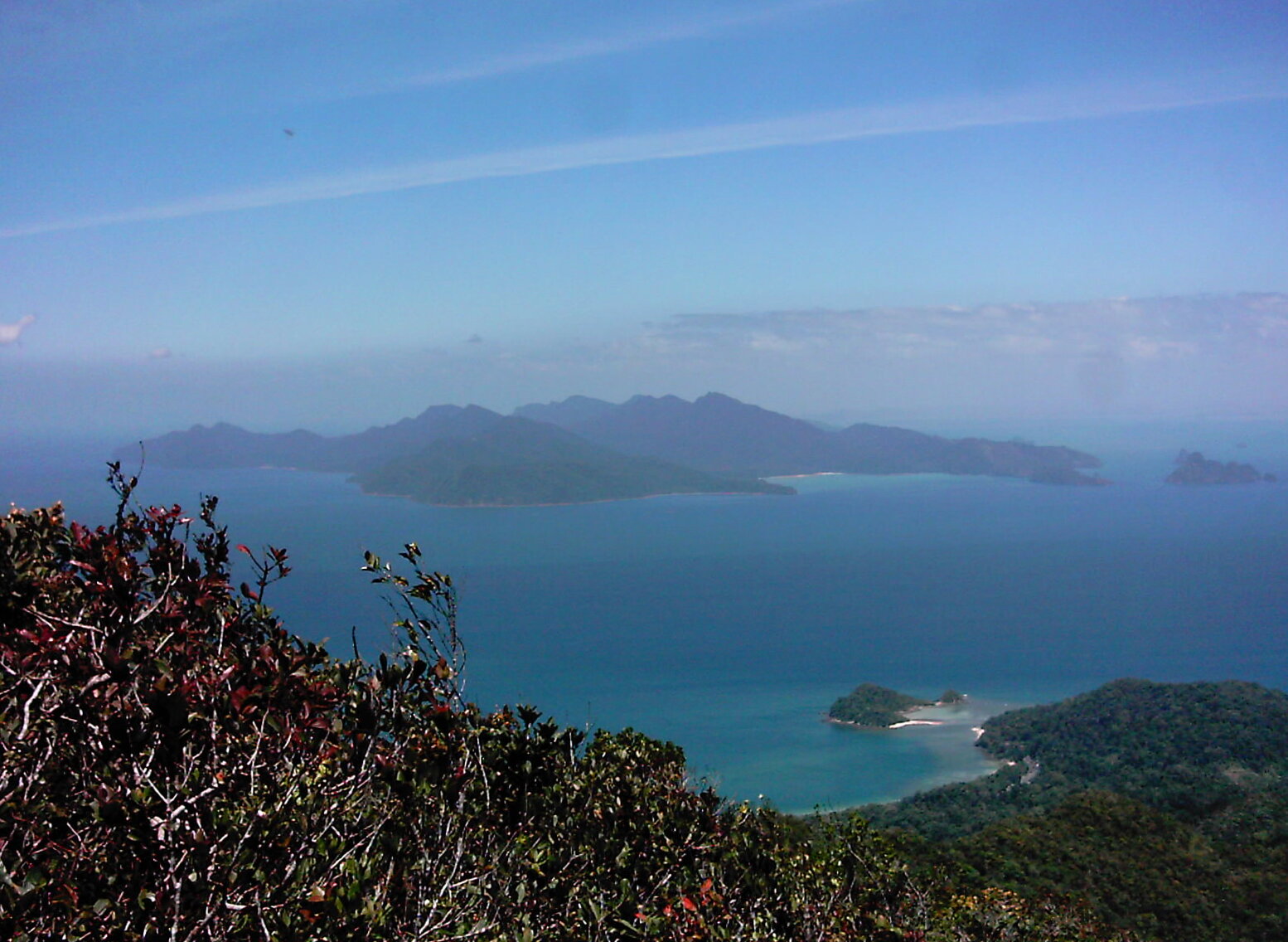
The island's distinct geographical traits were the primary reason why authorities chose it for this purpose in the first place. As part of an older geological formation, the landscape is defined by rugged limestone hills and heavy sandstone structures.
These steep ridges and coastal cliffs created a practical natural barrier around the entire settlement area. Leaving the island without permission was highly difficult because the surrounding waters featured deep channels and strong seasonal currents.
Beyond the cliffs, the local terrain is shaped by dense mangrove networks and deep limestone cave openings. These natural waterways made internal movement across the island complicated and effectively limited access to the outer coast.
Interestingly, this same remote geography is exactly what kept the local environment protected over the following decades. The very features that once made the island a secure confinement site now help preserve its thick forests and coastal ecosystems.
Beauty in Solitude

Today, the entire stretch of Ko Tarutao has transitioned into a strictly protected nature conservation park. Its official marine park status has successfully kept private developers from exploiting its diverse ecosystems.
The park management uses a strict zoning system to balance small-scale tourism with scientific research. Under these rules, visitors are expected to be mindful of their environmental footprint during their stay.
Getting around the island is strictly low-impact, meaning you either rent a bicycle or use a rowboat. The local staff is also on hand to give visitors a straightforward, factual breakdown of the island's past.
A trip here gives you a fresh perspective on what intentional, slow-paced travel actually feels like. It is a rare chance to unplug from the constant noise of the internet and enjoy true peace.