Sometimes, money isn't enough. Imagine spending $4 million on one of the fastest cars ever built, only to find out you cannot legally drive it on public roads.
That sounds absurd, but for some of the world’s rarest hypercars, it is a real possibility in Indonesia.
Cars like the Bugatti Chiron and the newly revealed Tourbillon are among the most exclusive machines on Earth. The Chiron, for example, starts at around US$3 million and can easily exceed US$4 million depending on customization.
Its successor, the Tourbillon, is expected to start even higher, at around €3.8 million before taxes. That puts it in a category far beyond ordinary supercars. Yet in Indonesia, price is not the biggest barrier. The steering wheel is.
Built for Speed
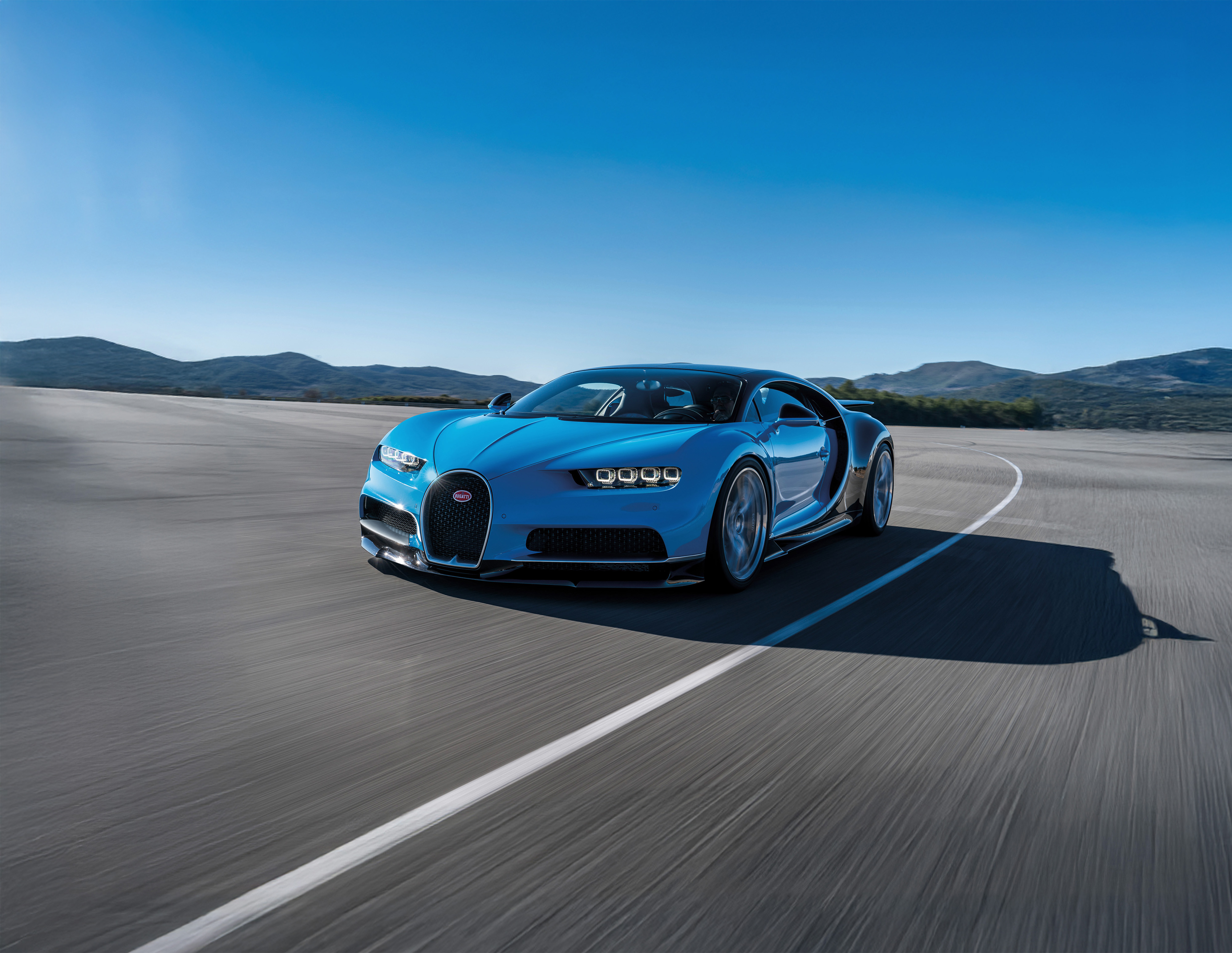
The Bugatti Chiron produces 1,500 horsepower and reaches a top speed above 420 kilometers per hour. The newer Tourbillon raises that figure to 1,800 horsepower through a V16 hybrid powertrain.
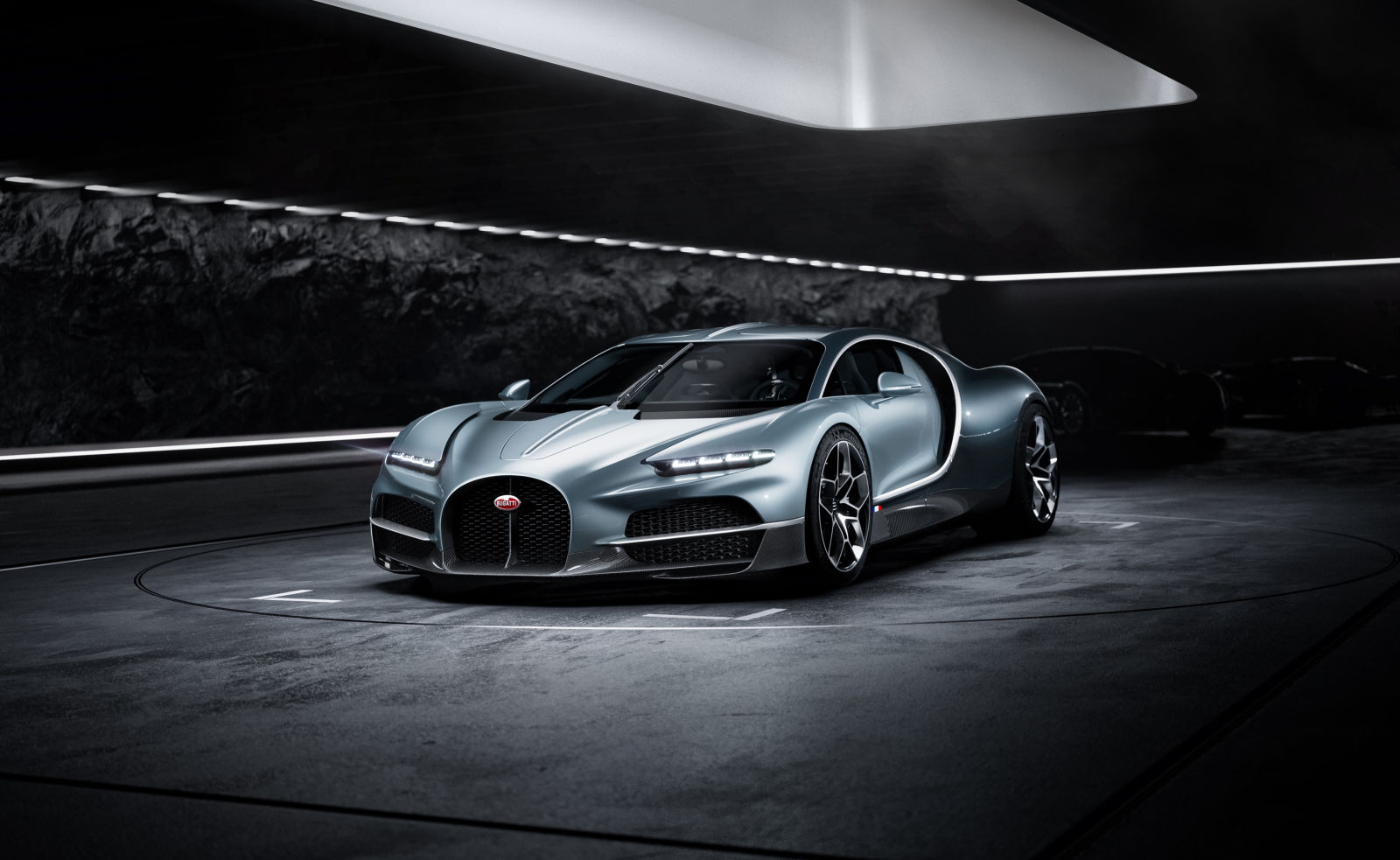
Both represent some of the highest performance road cars currently in production. Both models also sit at the very top of the price ladder. The Chiron launched with a base price of around US$3 million, while the Tourbillon starts at approximately €3.8 million before taxes and customization.
But in Indonesia, performance figures alone do not determine road legality.
The Left Hand Drive Problem
The issue is surprisingly simple, the steering wheel.
Indonesia drives on the left side of the road, which means road legal vehicles are designed around right hand drive (RHD). That setup allows drivers to have better visibility when overtaking and aligns with how traffic flows across the country.
That becomes a problem for Bugatti.
Modern Bugatti models are produced exclusively in left hand drive (LHD). Unlike mass market manufacturers, Bugatti operates in extremely small volumes. The Chiron was limited to just 500 units worldwide, making a separate RHD production line economically impractical.
For Indonesian buyers, this creates a rare paradox. You can afford the car. You can import the car. But legally driving it is another story.
Indonesia's Rules Are Clear
It is backed by regulation.
Indonesia’s vehicle system is governed by Law No. 22 of 2009 on Road Traffic and Transportation, which serves as the country’s main legal framework for vehicle operation and road safety.
Its technical standards are further outlined in Government Regulation No. 55 of 2012 on Vehicles, which requires all vehicles to pass a national type approval process, known as uji tipe, before registration.
That process evaluates whether a vehicle meets Indonesia’s technical and operational standards, including compatibility with the country’s traffic system.
While the regulation does not explicitly mention Bugatti or hypercars, it creates a framework where LHD vehicles face serious limitations for normal civilian road registration. That means a Bugatti owner may clear customs and pay import taxes, but still face major hurdles in getting an STNK (Vehicle Registration Certificate).
A Different Story Across Southeast Asia
Indonesia is not the only country using left side traffic. Singapore, Malaysia, Thailand, and Brunei use the same traffic orientation.
However, regulatory flexibility differs.
In Thailand, LHD supercars are still commonly registered under specific import and homologation pathways. Singapore also allows certain LHD vehicles under special approval from the Land Transport Authority.
Indonesia applies stricter type approval standards for general civilian registration, making the process more restrictive for LHD only vehicles. This makes Indonesia one of the more difficult markets for certain European hypercars that do not offer RHD variants.