


Vietnamese fighters in jungles, armed with bamboo traps and simple weapons, facing one of the most powerful militaries in modern history.
It is a powerful image, it is also incomplete.
Bamboo traps were part of the war, but they were never the main reason North Viet nam was able to sustain a conflict against the United States from 1955 to 1975. Behind the jungle tactics was a much larger military network backed by the industrial power of both the Soviet Union and China.
Understanding that changes how the war is remembered.
Bamboo Traps Were Used in Ground Warfare
Bamboo traps were widely used by Viet Cong guerrillas throughout the 1960s, espescially during the peak years of American ground operations between 1965 and 1969 in South Viet nam.
But they were only one element of a broader North Vietnamese led war effort that combined insurgency, conventional warfare, and foreign military aid.
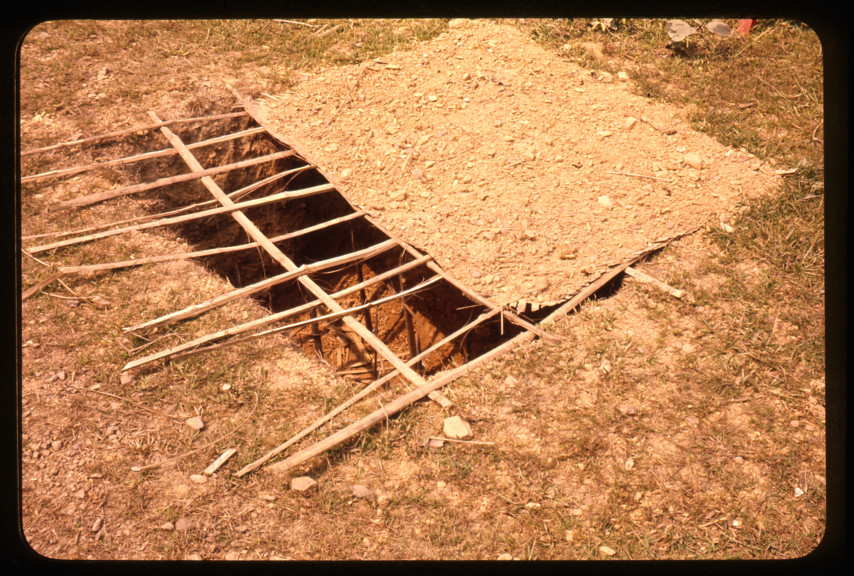
One of the most documented examples was the punji trap, a concealed pit containing sharpened bamboo stakes. These traps were placed along patrol routes, near villages, and in jungle terrain. Their primary function was to injure enemy troops, slow movement, and force changes in patrol patterns.
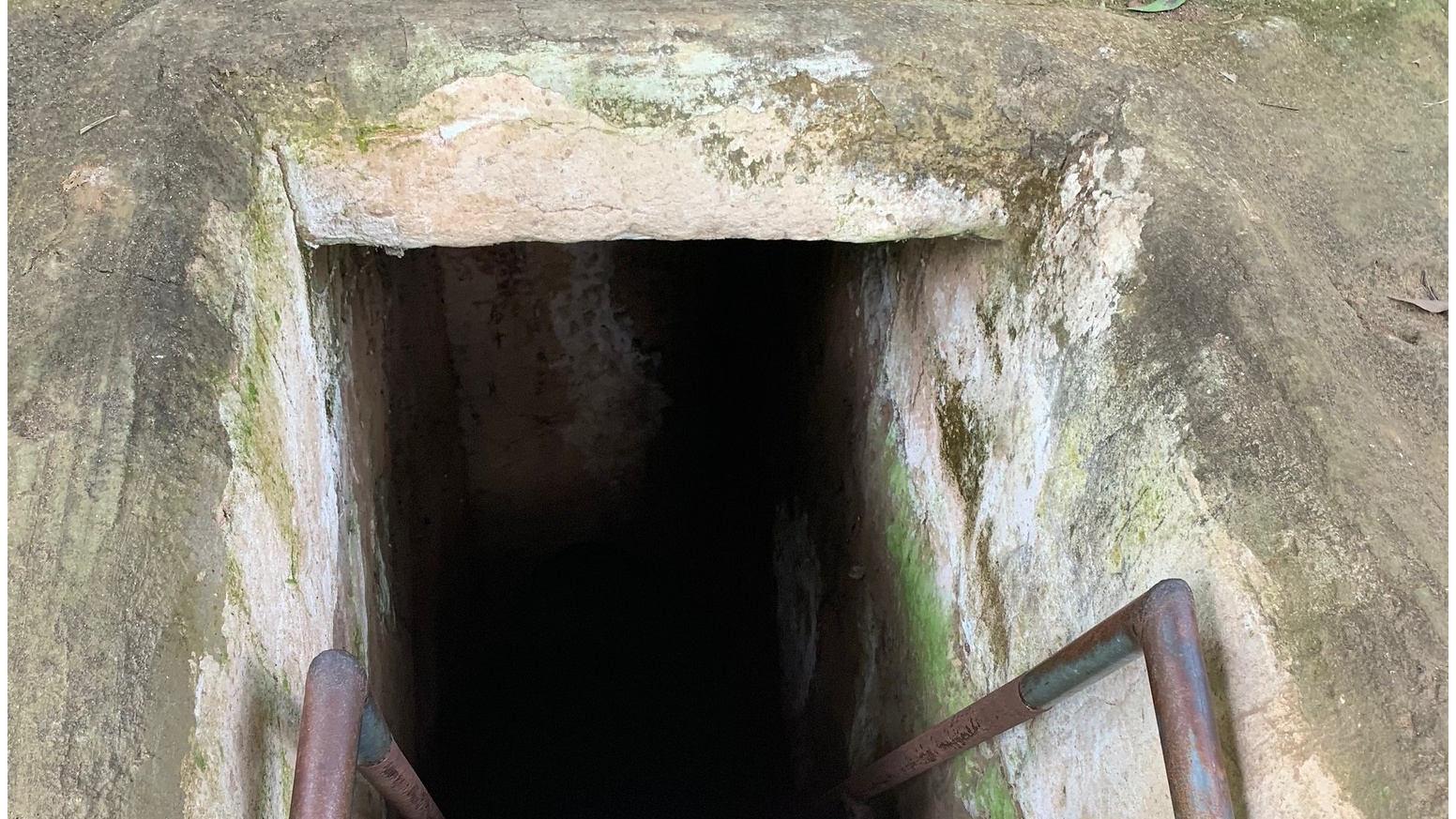
Tunnel systems such as the Cu Chi Tunnels were also used for troop movement, supply storage, and concealment. Cu Chi Tunnels which had been developed since the late 1940s and expanded significantly during the 1960s.
These methods were part of guerrilla warfare tactics used throughout the conflict.
North Viet nam Was Heavily Armed
While Viet Cong fighters carried out guerrilla operations in the south using traps, tunnels, and ambush tactics, North Viet nam’s regular army operated tanks, artillery, and Soviet built missile systems in larger military campaigns.
From the mid 1965 onward, the Soviet Union supplied Hanoi with significant military aid. This included tanks, artillery, aircraft, and anti air missile systems. According to historical estimates, North Viet nam received over 2,000 tanks and thousands of artillery systems between 1965 and 1975.
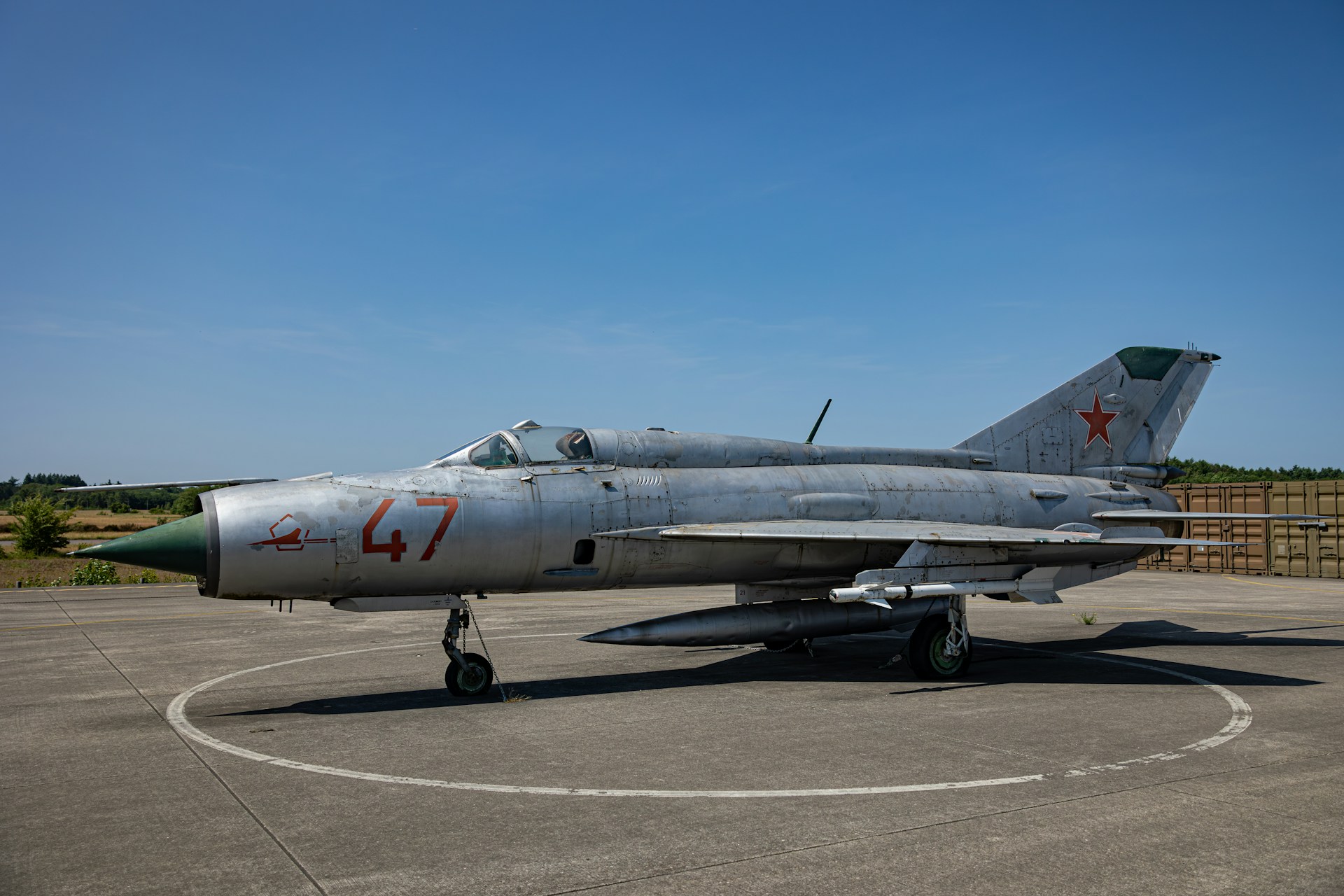
Among the most important weapons was the MiG-21, introduced into North Vietnamese service in 1966, one of the most advanced fighter jets of its time. These aircraft were used by the North Vietnamese Air Force in dogfights against American jets.
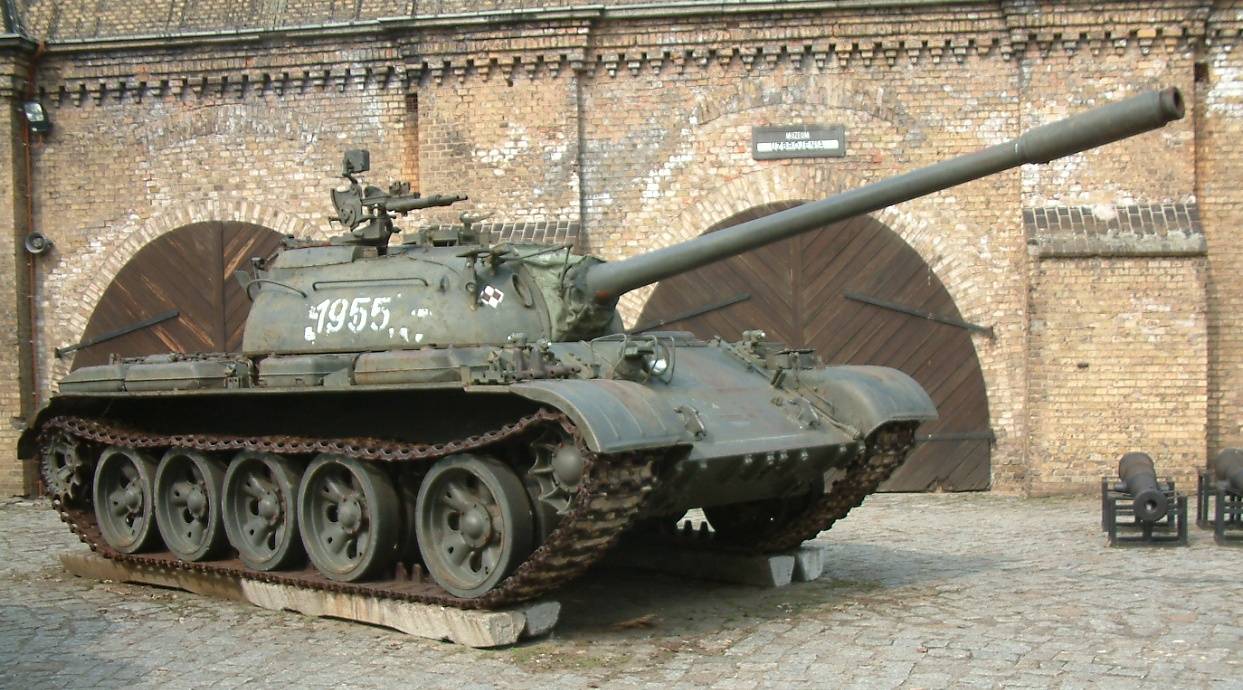
On the ground, Soviet-made T-54 tanks became a key part of North Viet nam’s later offensives, including the final push into Saigon in 1975.
The Missile Shield Over Hanoi
One of the most decisive military advantages came from air defense.
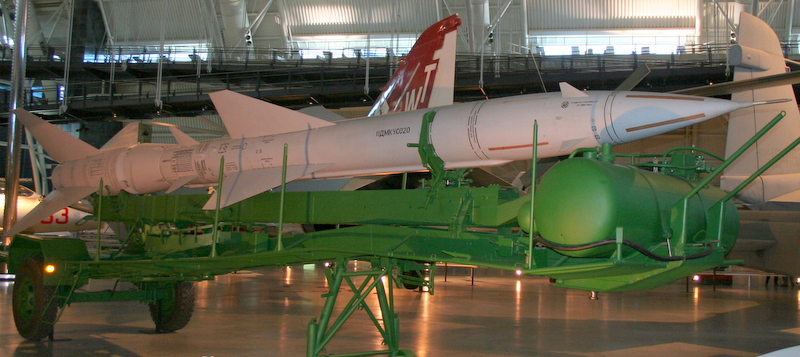
The Soviet made S-75 Dvina missile system became the backbone of North Viet nam’s air defense network. These missiles were deployed around major cities such as Hanoi and Haiphong to counter American bombing campaigns of 1965-1968 and 1972.
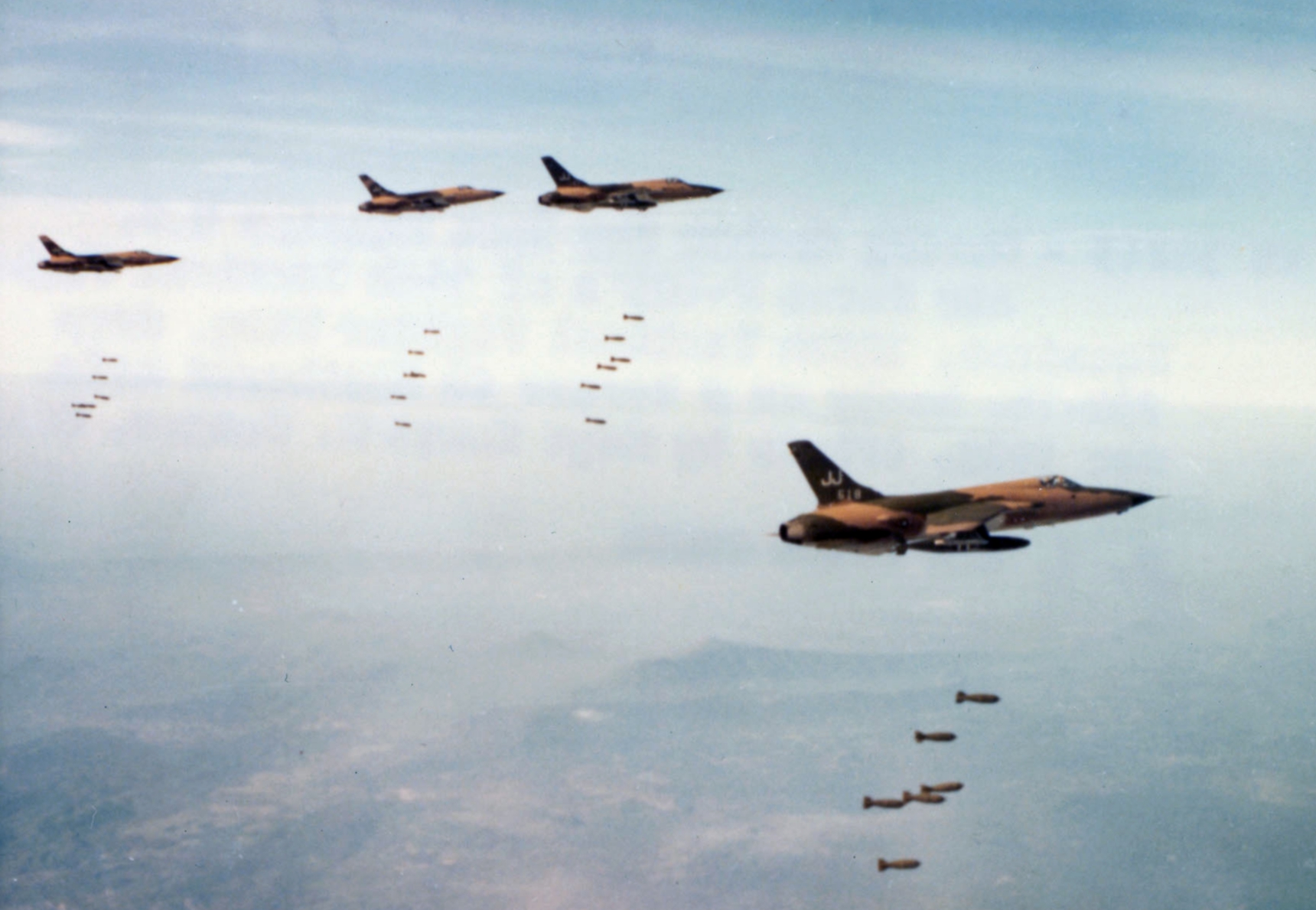
During operations like Rolling Thunder (1965-1968), these systems forced U.S. aircraft to change tactics, fly at riskier altitudes, and face higher losses.
Soviet advisers also trained Vietnamese crews to operate these missile systems, making North Viet nam one of the most heavily defended airspaces in the world at the time.
China Provided Logistics and Ground Support
In addition to Soviet support, China supplied North Viet nam with weapons, ammunition, and engineering assistance.
Chinese support included small arms, anti aircraft guns, and logistical resources. Chinese engineering units were involved in road construction, railway repairs, and infrastructure maintenance during the war.
These activities helped maintain transport routes and supply lines under continued bombing.
At different stages of the war, large numbers of Chinese personnel were stationed in North Viet nam to support these operations.
The Guerrilla Tactics and Conventional Warfare
The Viet nam War involved both guerrilla and conventional military operations.
Bamboo traps and tunnel systems were used in localized ground combat, especially in southern battle zones. At the same time, North Viet nam used tanks, jet fighters, artillery, and missile defense systems supplied by its allies.
Military support from the Soviet Union and China remained part of North Viet nam’s war effort throughout the conflict.
This combination of guerrilla tactics and foreign supplied military equipment shaped the structure of the war from the 1960s until the fall of Saigon in April 1975.