Imagine this, boarding a train in Singapore, rolling through Malaysia, Thailand, and Laos, and stepping off in Kunming, China, without ever setting foot on a plane.
It sounds like science fiction, but this idea has been on the drawing board for decades, and parts of it are already running today.
An Old Dream Finally Picking Up Speed
The idea of stitching Southeast Asia together with a single rail line isn't new.
Back in the colonial era, the British and French each built their own railways across the territories they controlled. But mismatched track standards, wars, and shifting borders meant those lines never truly connected.
The idea got a fresh push in the early 2000s, and in 2006, a project called the Singapore-Kunming Rail Link (SKRL) was folded into the larger Trans-Asian Railway Network, essentially a blueprint for connecting rail lines across the continent.
The ambition is huge, a route stretching roughly 5,500 kilometers through Malaysia, Thailand, Laos, Viet nam, Cambodia, and Myanmar before linking up with southern China.
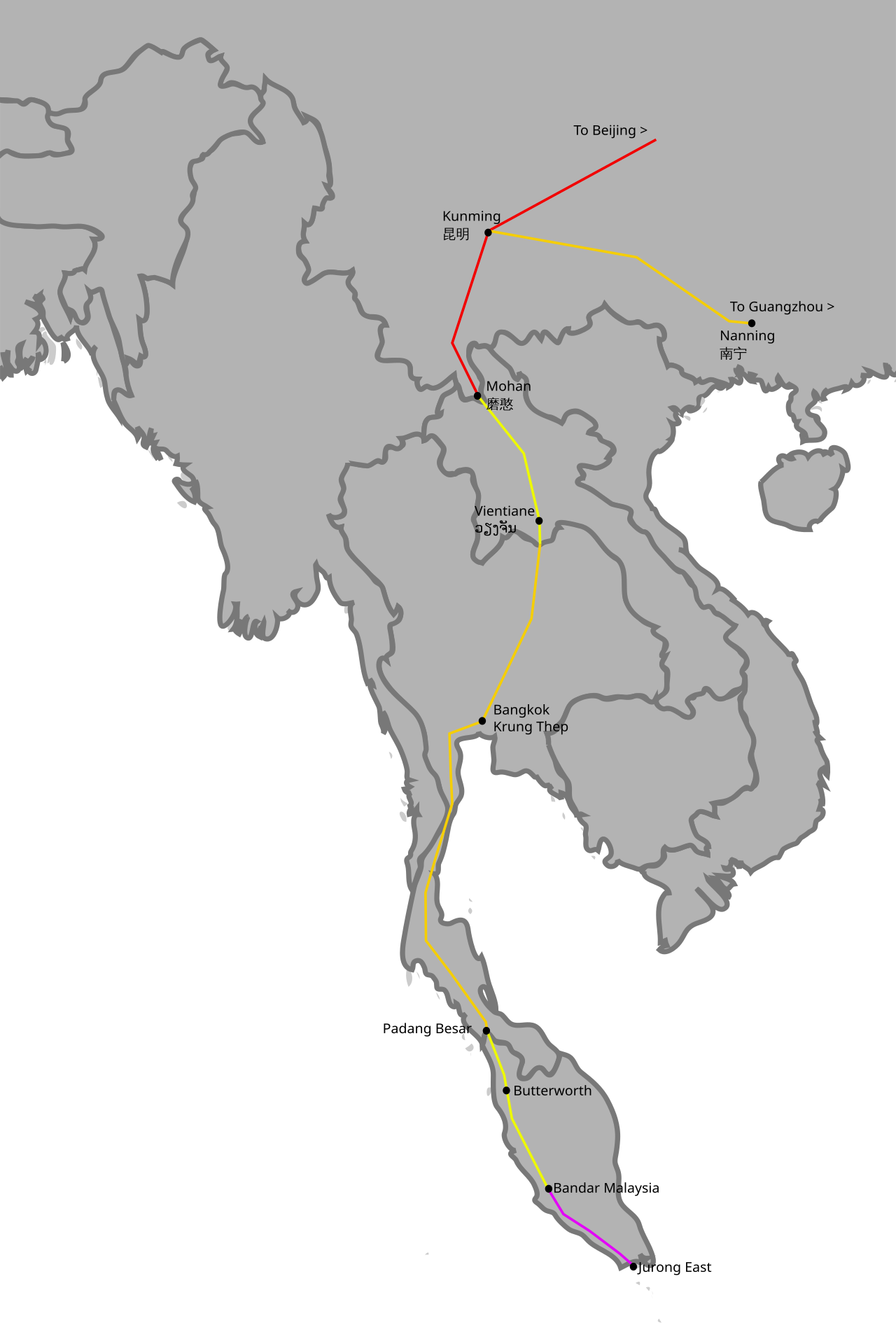
If it ever comes together fully, it would be one of the most ambitious transport projects the region has ever attempted.
A New Chapter in Laos
The biggest breakthrough came in December 2021, when the China-Laos Railway officially opened. The 1,035 kilometer line connecting Kunming and Vientiane became the first direct standard gauge rail link between China and Laos.
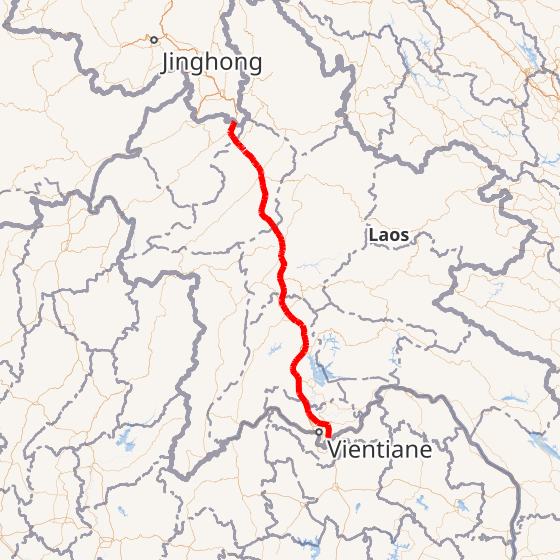
The results have been hard to miss. In just its first three years, the railway carried more than 43 million passenger trips and moved over 48 million tons of cargo.
By October 2025, ridership had climbed to nearly 60 million, while cargo volume passed 67.6 million tons, with cross border shipments now reaching 19 countries, including Thailand, Viet nam, and Singapore.
Durian and cassava farmers in Laos have felt the difference too, goods that once took ages to reach Chinese markets can now arrive in just a few days.
South of Laos, much of the groundwork was already in place. The Thailand-Malaysia rail link has been running for decades, and the Malaysia-Singapore line dates all the way back to the colonial period.
In other words, big chunks of this dream are already built. They just aren't fully connected yet.
Why It's Still Not Fully Linked Up
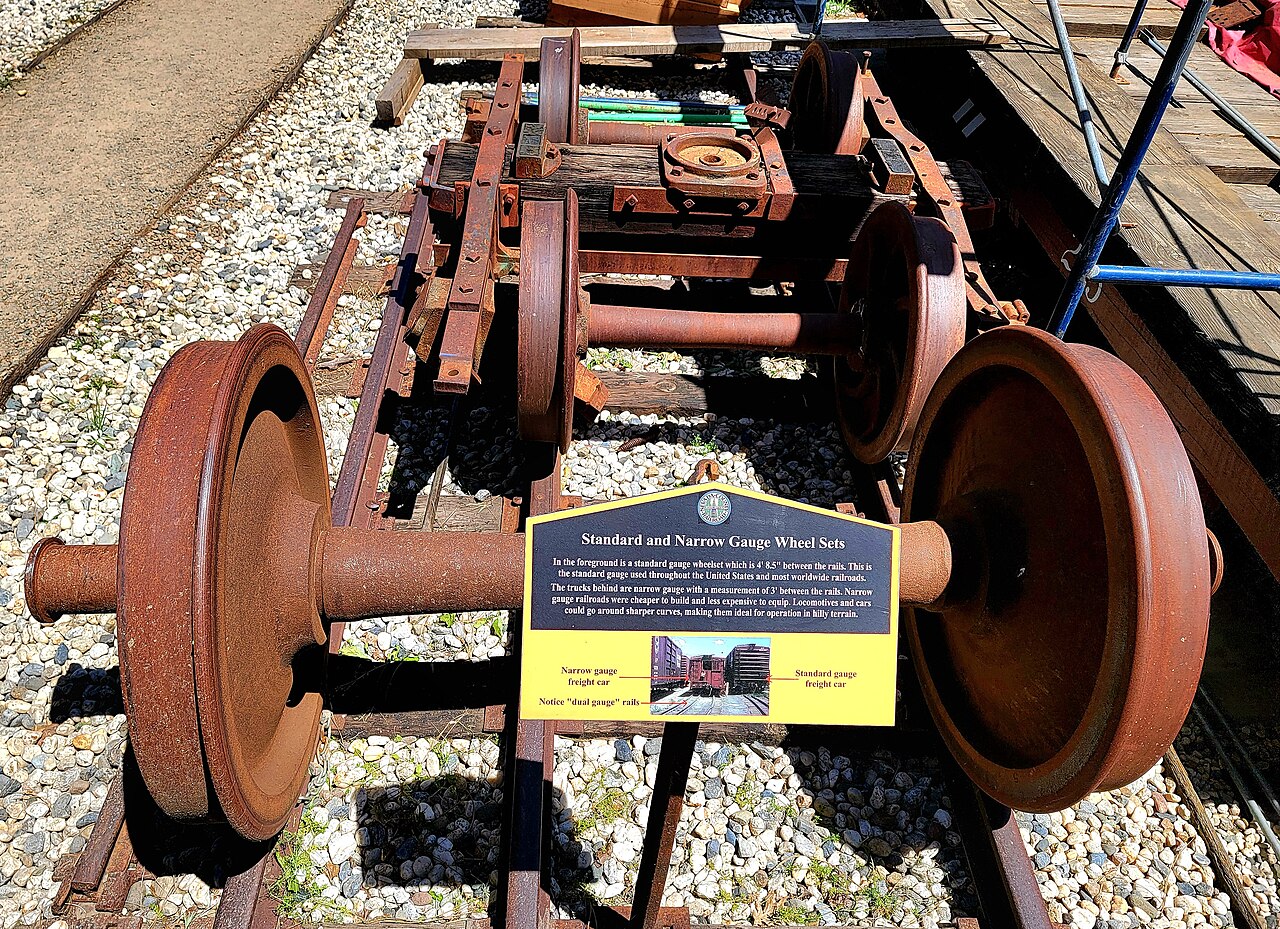
One of the biggest hurdles sounds small but is genuinely tricky is track width. China's modern railways run on the international standard gauge of 1,435 millimeters.
Meanwhile much of Southeast Asia still uses narrower meter gauge tracks. That mismatch means trains can't simply roll across borders without transfer points or costly upgrades.
Thailand sits at the center of this puzzle, acting as the bridge between Laos and the rest of Southeast Asia. The country is building a 609 kilometer high speed line from Bangkok to Nong Khai, which will eventually link to the China-Laos Railway via a new bridge across the Mekong River.
The first phase is already under construction and on track for completion around 2027-2028, while the second phase was only approved by Thailand's cabinet in February 2025.
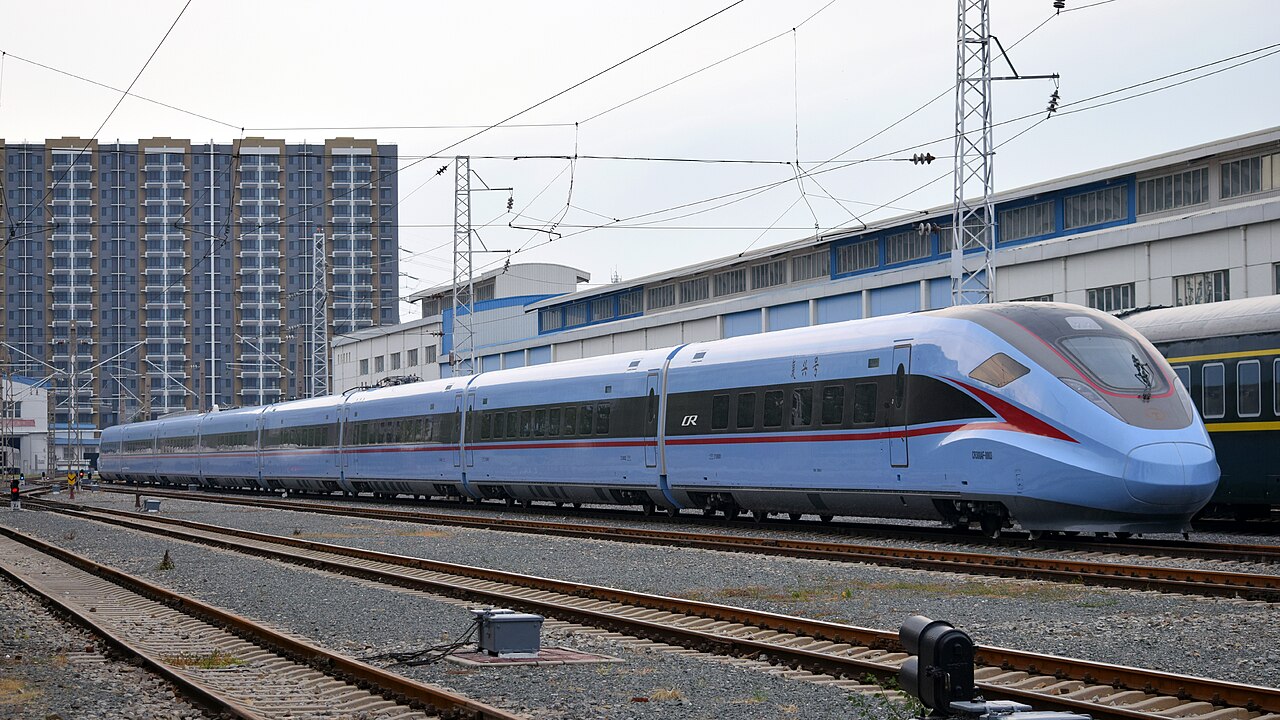
The government says the full line should be running by 2030. Though similar projects in the region have a long history of running behind schedule due to financing and bureaucratic delays. Meanwhile, the western route through Myanmar remains clouded by political instability.
A Puzzle That's Slowly Coming Together
The dream of an unbroken train ride from Singapore all the way to Kunming hasn't happened yet, but the progress is far more tangible than it was twenty years ago.
Today, travelers can already cover large stretches of the route through Malaysia, Thailand, Laos, and China, even if a few train changes are still required along the way. The success of the China-Laos Railway proved something important.
A cross border rail project that spent decades as a talking point can actually get built, and once it does, the economic impact shows up fast.
Once Thailand's line is finished and linked to Laos, the region will have one of the longest international rail corridors in Asia, a reminder that even the most ambitious projects often come together one segment at a time, until the pieces finally add up to something much bigger.