Around US$100 million is enough to fund many national projects in Southeast Asia. It can build schools, hospitals, or major public infrastructure. Today, it is also enough to put an astronaut from the region into orbit, at least on paper.
The harder question is this: Which country would agree to fly it?
For now, there are only three answers.
More than six decades after Yuri Gagarin's historic flight, only the United States, Russia, and China have independently developed the rockets, spacecraft, launch infrastructure, and supporting systems needed to send humans into orbit on their own. Every other country including those with advanced space programs still depends on one of them.
A Ticket Exists
The most practical route to orbit today is through Axiom Space, an American company that organizes private missions to the ISS using SpaceX's Crew Dragon spacecraft and Falcon 9 rocket. NASA authorizes each mission because the spacecraft docks with the ISS.
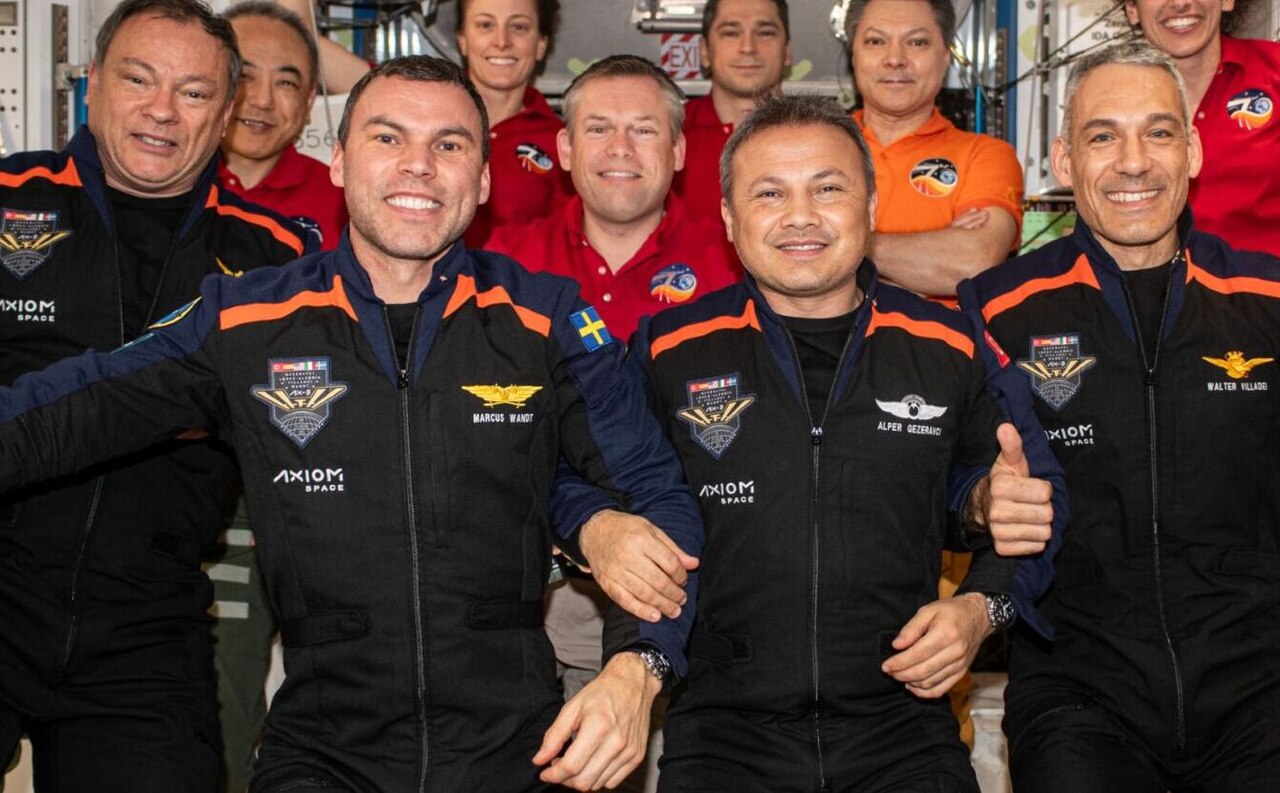
According to pricing disclosed by Axiom Space under NASA’s Commercial Low Earth Orbit Destinations (CLD) program, a seat on a private orbital mission to the ISS costs around US$55-70 million.
The price covers far more than the launch itself, including months of astronaut training, medical screening, simulator sessions, mission preparation, and operational support before liftoff.
Even then, writing the check does not guarantee a flight. Launch schedules, spacecraft availability, ISS docking windows, and mission approval all have to line up before anyone leaves Earth.
Before We Go Further
Commercial spaceflight has made space seem more accessible than ever, but not every mission that reaches space also reaches orbit.
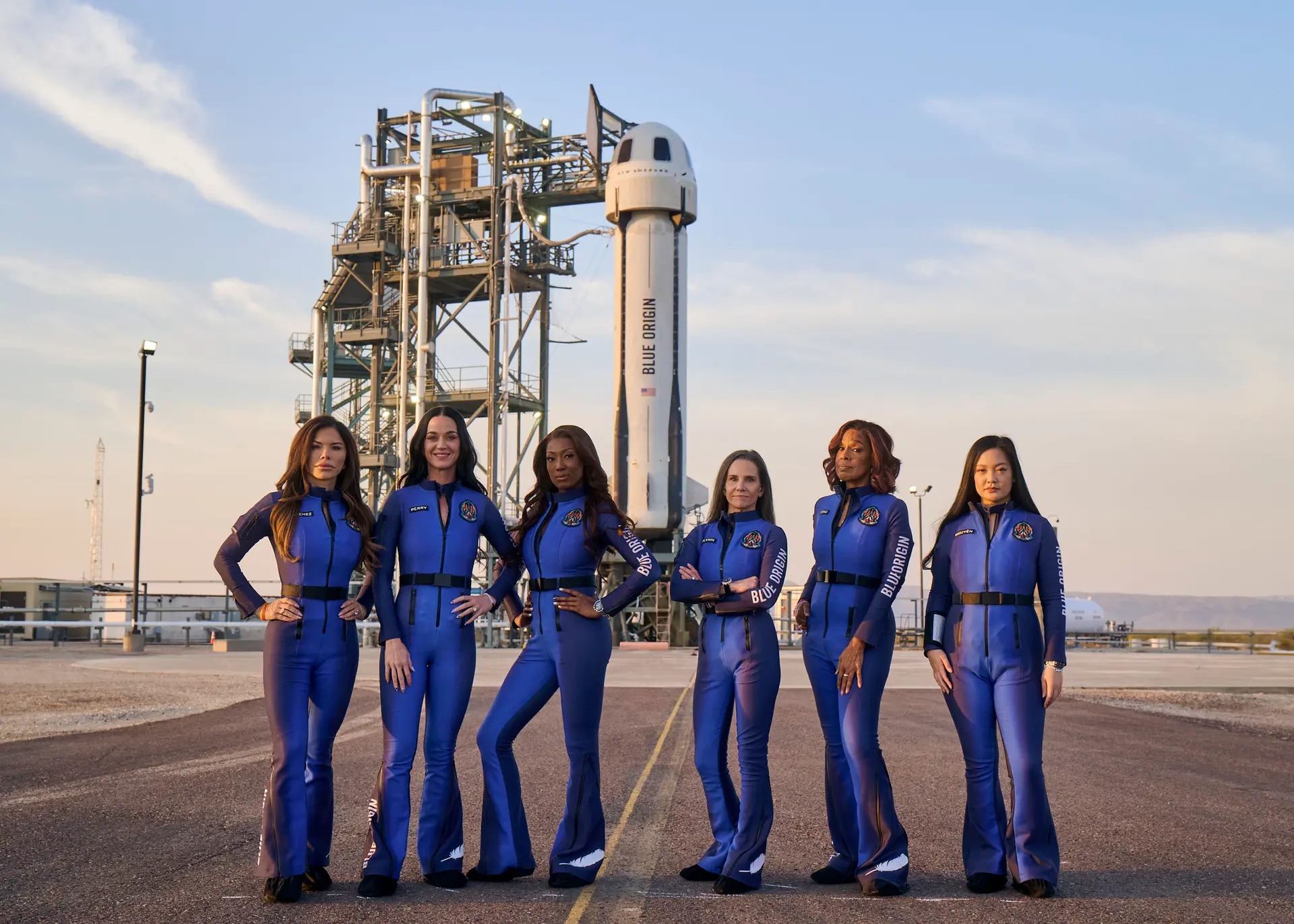
Blue Origin's New Shepard and Virgin Galactic's spaceplane both carry passengers beyond the internationally recognized boundary of space before returning to Earth a few minutes later. These are suborbital missions.
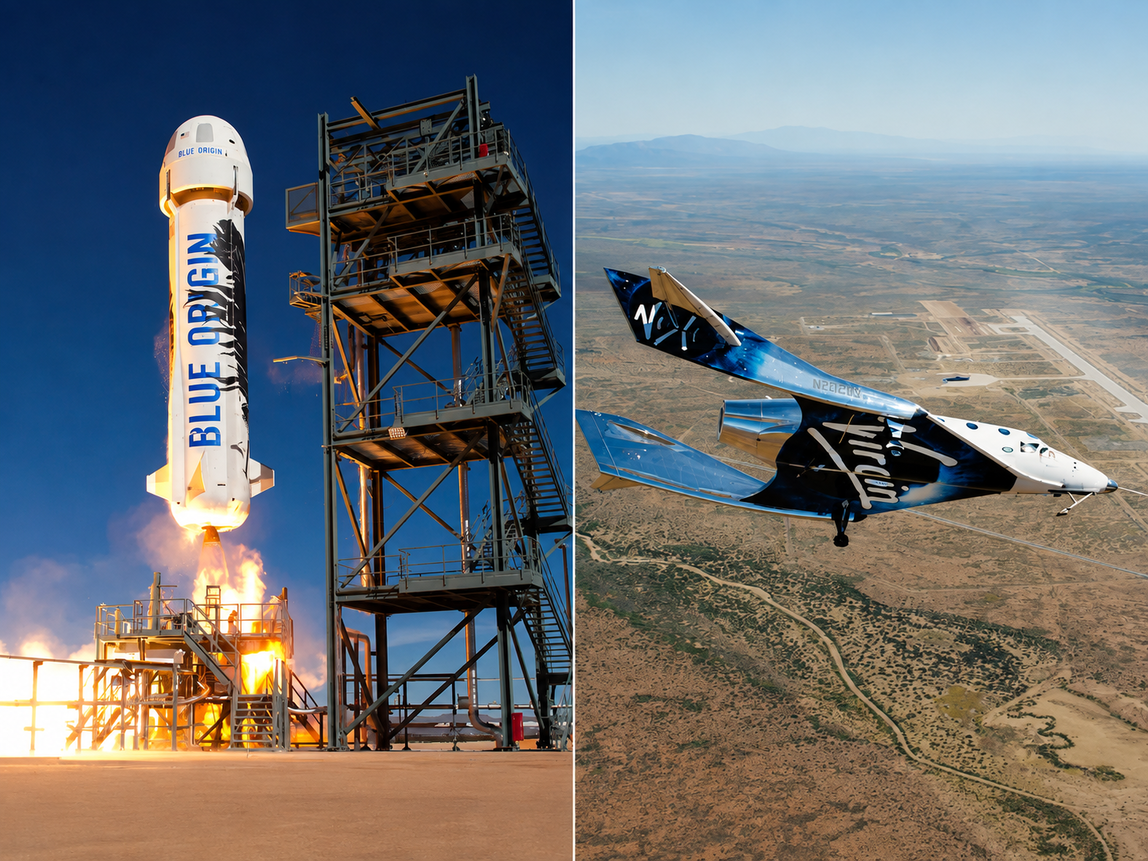
Most suborbital flights are designed to provide a brief experience of weightlessness or to carry experiments that only require a few minutes in microgravity. They do not stay in space long enough to rendezvous with another spacecraft, deploy crews to a space station, or conduct long-duration missions.
Orbital missions are a different category altogether.
To remain in orbit, a spacecraft must accelerate to roughly 28,000 kilometers per hour. It also needs life-support systems, orbital maneuvering capability, and a heat shield capable of surviving re-entry after circling Earth.
That is why spacecraft such as Crew Dragon (United States), Soyuz (Russia), and Shenzhou (China) are fundamentally different. They are designed not just to reach space, but to remain there, whether for days, weeks, or even months.
Southeast Asia Has Been There Before
The region has already produced astronauts.
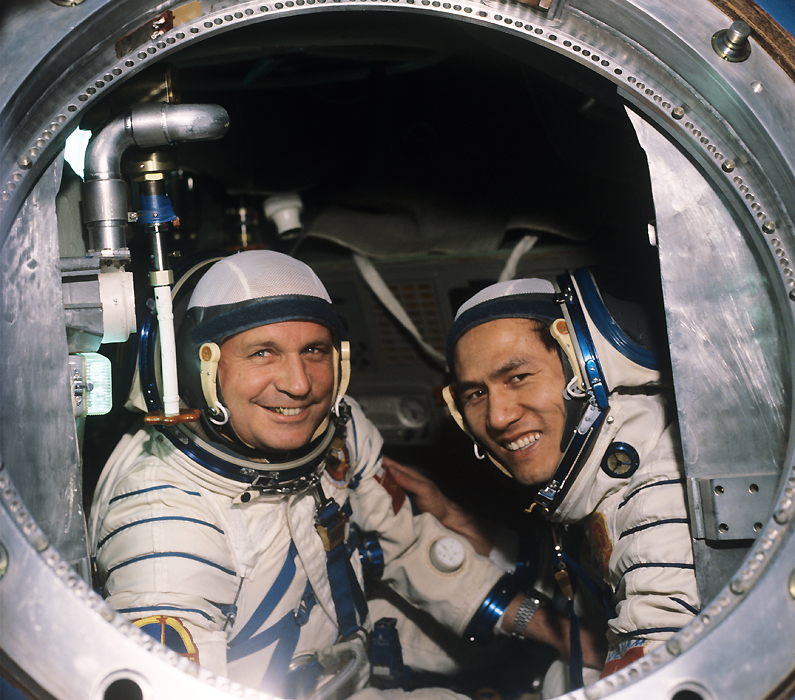
Viet Nam became Southeast Asia's first nation in space when Phạm Tuân launched aboard Soyuz 37 in July 1980 under the Soviet Interkosmos program. He also became the first Asian to orbit Earth.
Malaysia followed in 2007 when Sheikh Muszaphar Shukor spent 11 days aboard the ISS after launching aboard Soyuz TMA-11 as part of the Angkasawan Programme.
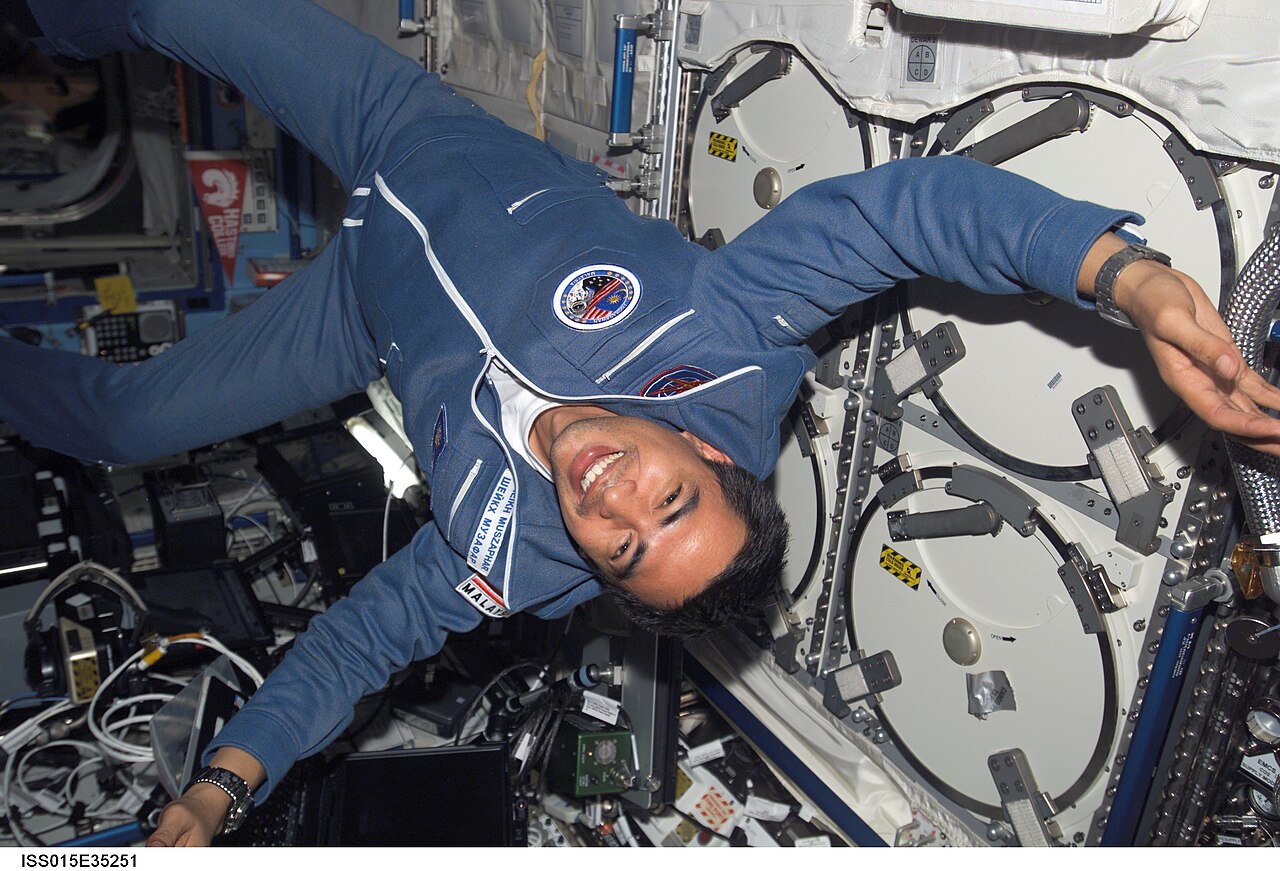
Indonesia nearly joined that list. Microbiologist Pratiwi Sudarmono had been selected by NASA for Space Shuttle mission STS-61-H, but the flight was cancelled after the Challenger disaster.
None of those missions, however, flew on spacecraft built in Southeast Asia.
The Systems Needed to Send Humans to Orbit
Launching people into orbit means developing far more than a launch vehicle.
Countries also need crew spacecraft, life-support systems, launch escape systems, heat shields, astronaut training facilities, mission control, tracking networks, and recovery operations. Every component must work together before a crewed mission can even be considered.
That explains why many countries can launch satellites, while only three have independently launched humans into orbit.
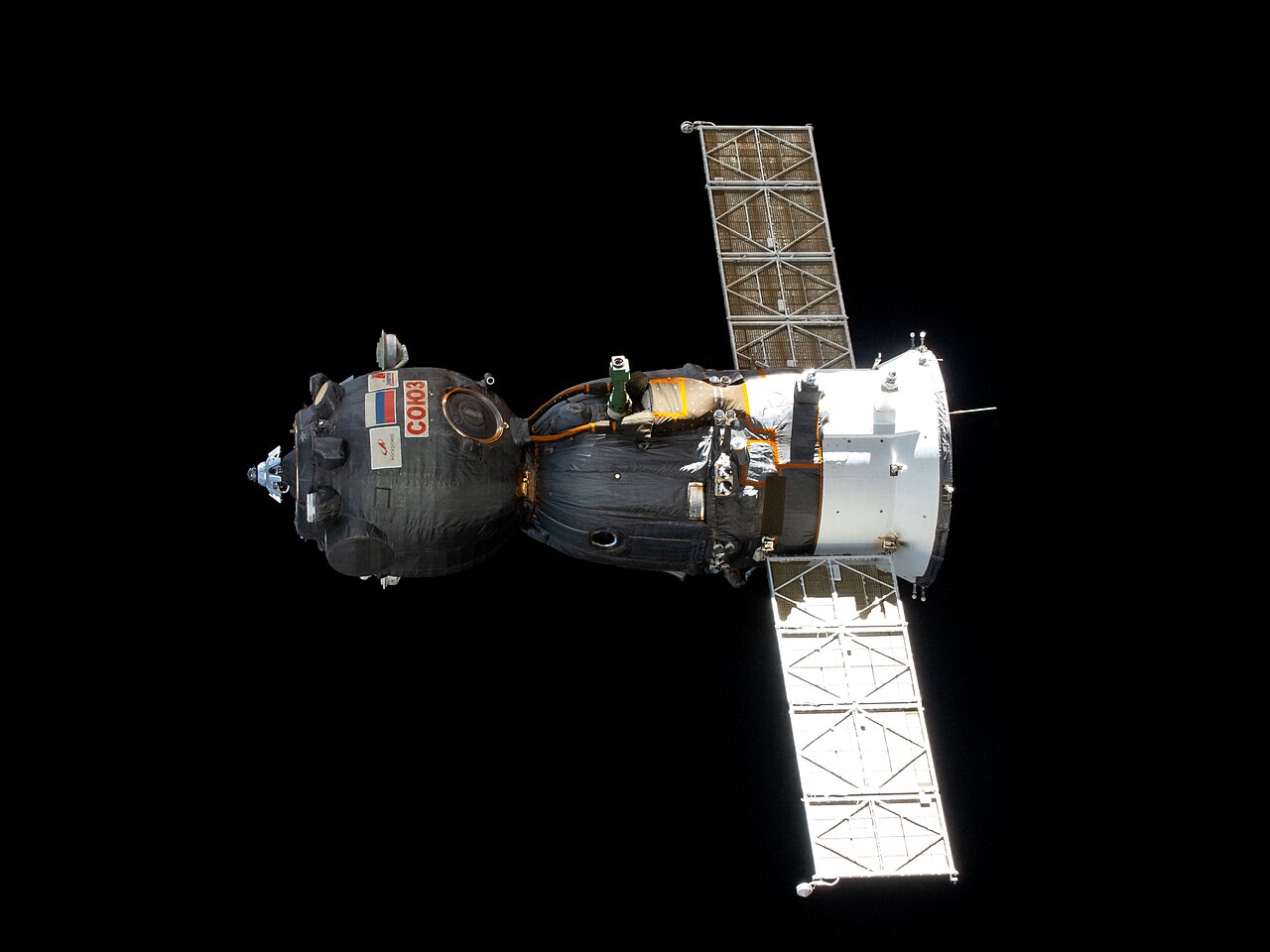
Russia still relies on the Soyuz family, whose basic design dates back to the late 1960s despite decades of upgrades. China's Shenzhou began with a layout inspired by Soyuz before evolving into a broader program that now includes the Long March 2F rocket, Tianzhou cargo spacecraft, and the permanently inhabited Tiangong space station.
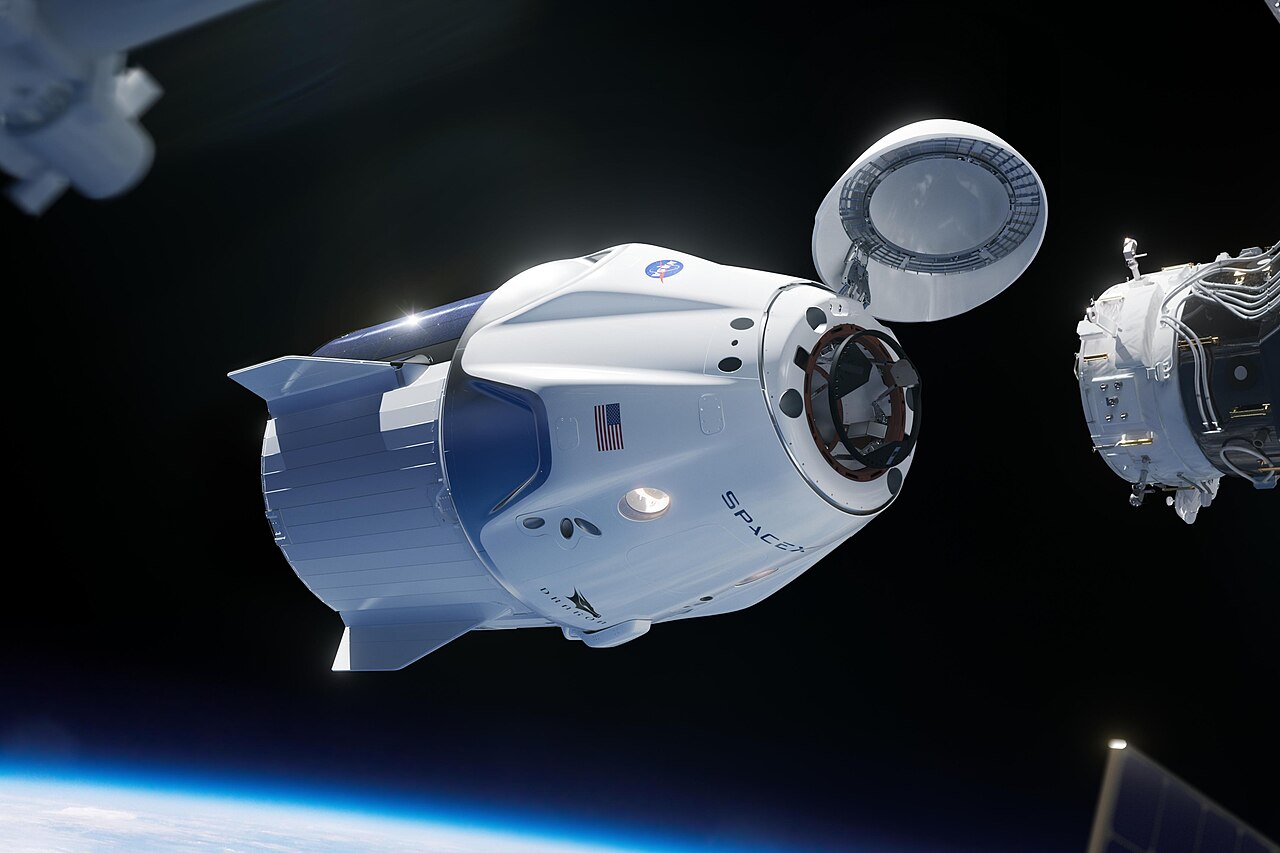
The United States, meanwhile, returned to launching astronauts from its own soil in 2020 with SpaceX's Crew Dragon after the Space Shuttle retired in 2011. Crew Dragon is the newest of the three operational crew spacecraft currently capable of carrying astronauts into orbit.
Access Is Still Exclusive
Europe, Japan, and India all have advanced space programs, yet none currently operates an independent human orbital transportation system.
Even the United States temporarily lost that capability. After the Space Shuttle retired in 2011, NASA spent nearly a decade purchasing seats aboard Russia's Soyuz spacecraft until Crew Dragon entered operational service in 2020.
For countries without their own crewed spacecraft, money is no longer the only hurdle. Access ultimately depends on the nation operating the rocket, the spacecraft, and the launch infrastructure, and whether it is willing to fly another country's astronaut.