On July 24, 1965, Indonesia First President, Sukarno publicly declared at a Muhammadiyah Congress in Bandung that Indonesia would soon produce its own atomic bomb.
Historical records show that Indonesia's nuclear ambitions began to shift after China conducted its first successful nuclear test in October 1964.
How a Civilian Research Project Started It All
Indonesia's nuclear program began before those political statements.
On December 5, 1958, the government established the Institute of Atomic Energy (Lembaga Tenaga Atom, LTA) to manage atomic research. The reactor reached its first criticality on October 16, 1964, and was officially inaugurated by President Soekarno on February 20, 1965.
Archival footage released by the National Archives of the Republic of Indonesia captures the exact moment Sukarno officially opened the facility, marking the dawn of Indonesia’s atomic age
It was a TRIGA Mark II research reactor supplied under the United States' Atoms for Peace program, built in Bandung and designed for scientific research, isotope production, and training.
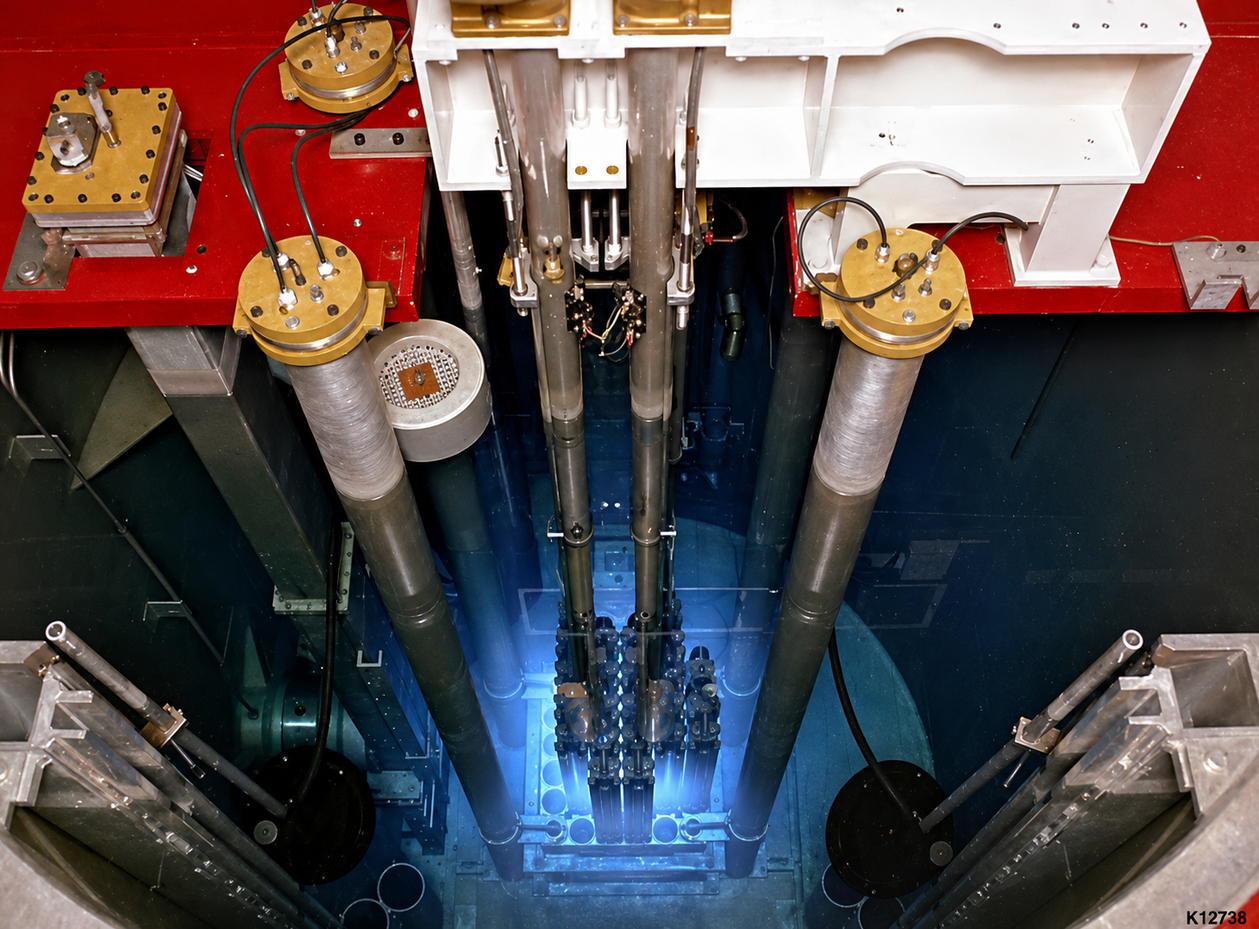
At that stage, Indonesia's nuclear activities remained civilian.
When Soekarno Redrew the Geopolitical Lines
In the paper When Sukarno Sought the Bomb by Robert M. Cornejo, Indonesia’s nuclear posture began to change after China's first nuclear test in October 1964.
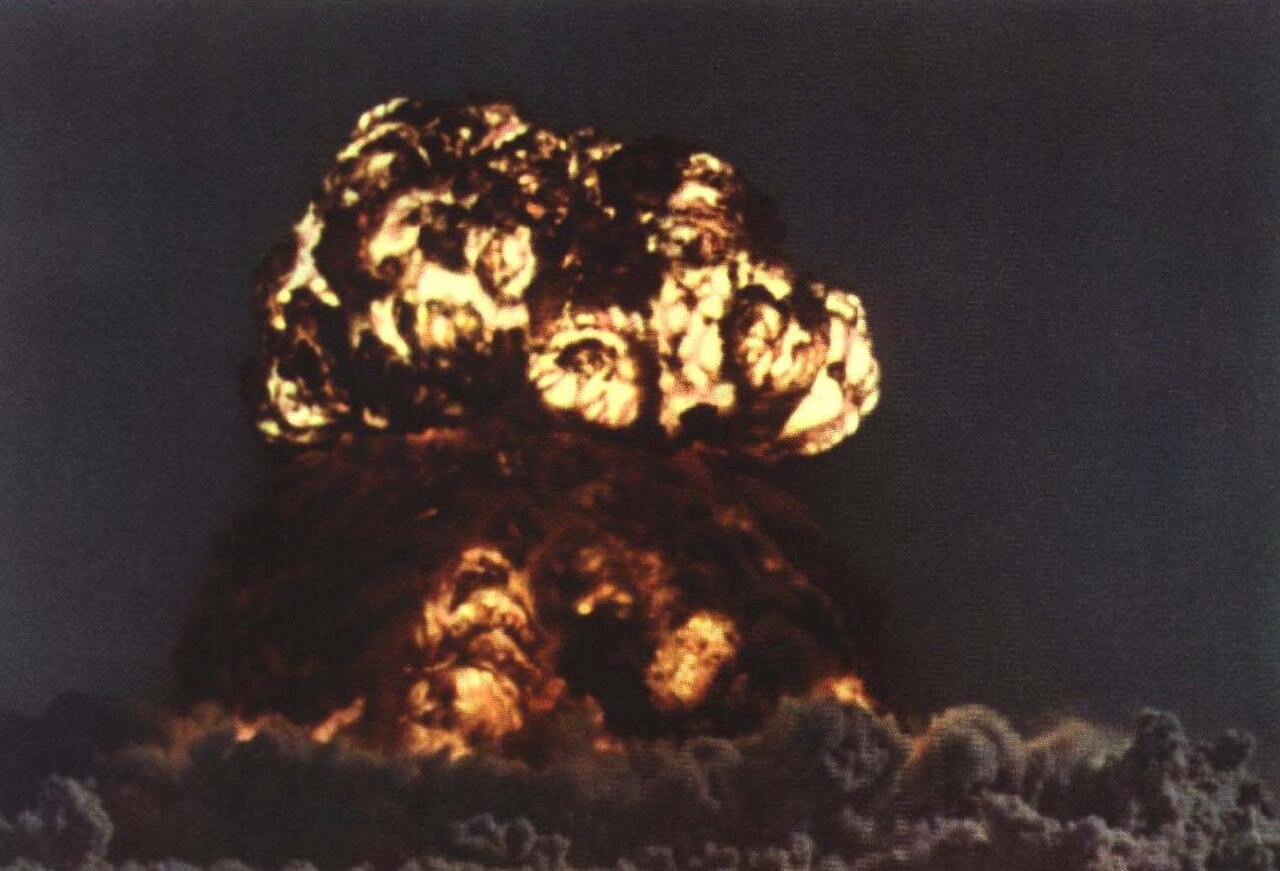
On November 15, 1964, Brigadier General Hartono Wirjodiprodjo, Director of the Army Arsenal, stated that Indonesia planned to detonate its own atomic bomb by 1965. On February 2, 1965, he further claimed that 200 Indonesian scientists were conducting tests for the production of an atomic bomb.
This period coincided with the Indonesia-Malaysia confrontation, when Indonesia was engaged in military and political confrontation against the newly formed Federation of Malaysia. Historical analysis identifies this conflict as one of the main geopolitical factors cited in connection with Soekarno's nuclear statements.
How Close Was Indonesia to the Bomb?
Despite the public declarations, Indonesia did not possess the industrial infrastructure required to produce a nuclear weapon.
In the Australian diplomatic record by Starey of Conversation with Seki (1965), Western officials assessed that Indonesia lacked uranium enrichment and plutonium reprocessing facilities, making an independent bomb program technically impossible at the time.
Any Indonesian bomb project at that time would require external assistance, most likely from China. This means Indonesia had nuclear ambitions, but not an independent weapons capability.
The Return to a Civilian Purpose
The situation changed rapidly after the political crisis of September 1965.
The failed 30 September Movement and the political transition that followed shifted power away from Soekarno. By the late 1960s, Soeharto had taken control and redirected Indonesia's nuclear policy toward civilian development.
In 1970, Indonesia signed the Treaty on the Non-Proliferation of Nuclear Weapons, formally joining the global non-proliferation system.
Today, Indonesia continues to operate three active research reactors under National Research and Innovation Agency of Indonesia.
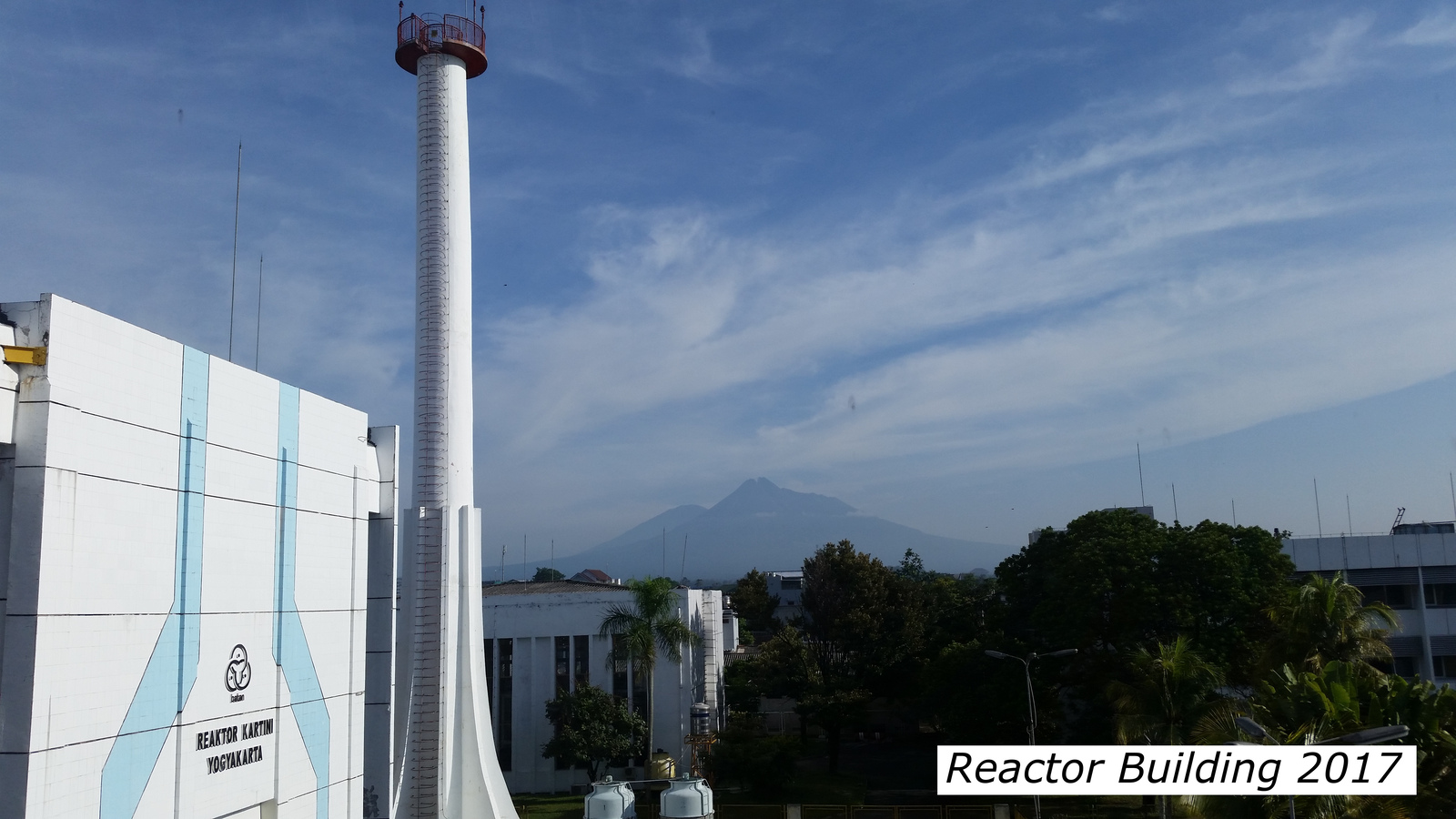
These include the TRIGA 2000 reactor in Bandung, first operated in 1965 with a thermal power of 2 megawatts, the Kartini reactor in Yogyakarta, operational since 1979 at 100 kilowatts, and the G.A. Siwabessy multipurpose reactor in Serpong, which began operation in 1987 and remains Indonesia’s largest reactor at 30 megawatts.
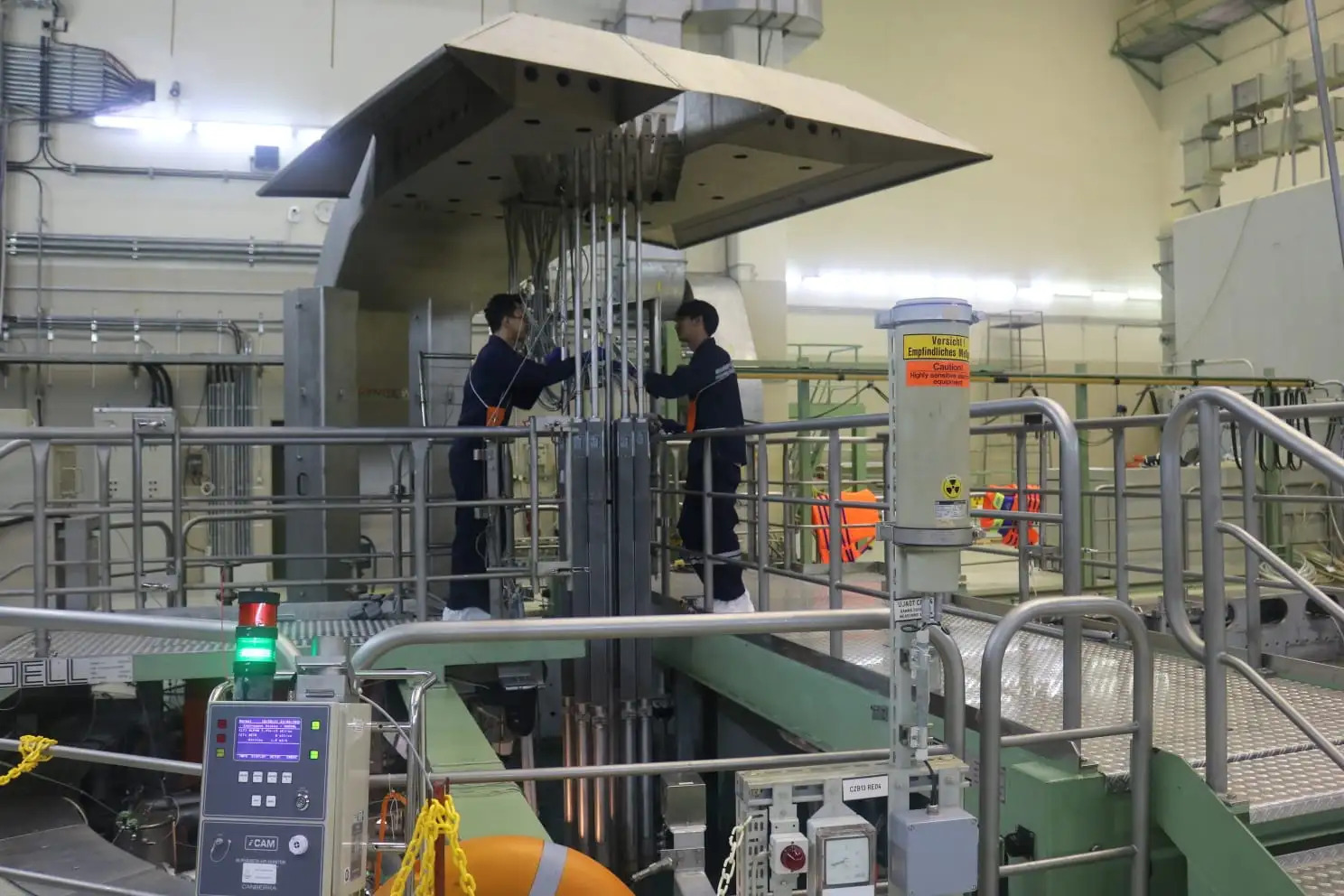
These facilities are used for scientific research, isotope production, material testing, and nuclear technology development.