Have you ever imagined eating fried chicken with banana sauce? In the Philippines, this is no longer a strange culinary experiment for its people. Most of the bottled red sauces there do not contain tomatoes at all.
The sauce is made using bananas as the base ingredient.
Locals know it as Banana Ketchup. Visually, its appearance is very similar to regular tomato sauce with a bright red color and a thick texture. However, the taste of this sauce tends to be sweeter and has a distinctive herbal aroma.
The Birth of Innovation from Banana Trees
Before the World War II, Filipinos were already very fond of bottled tomato sauce. This preference emerged due to the influence of Western culinary culture brought by soldiers and immigrants from the United States.
By the early 1930s, a Filipino food technologist and humanitarian named Maria Orosa returned from her studies in the United States. She came with a mission to make the Philippines food-independent. She noticed that the country relied heavily on imported goods, including traditional tomato ketchup.
As the geopolitical tensions grew by the late 1930s, shipping lines began to disrupt. Tomato imports drastically declined, making traditional ketchup a rare and expensive luxury item in local markets. Orosa saw this supply crisis as an urgent challenge to create a local alternative.
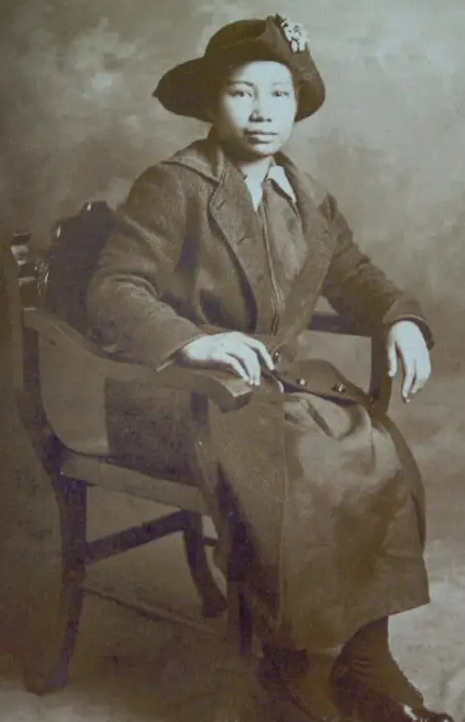
The import of tomatoes completely stopped due to the Japanese occupation of the Philippines in 1942. This exact year marked the official birth of banana ketchup. Orosa looked at the country’s vast agricultural resources and utilized the abundant saba banana trees.
She experimented with mashed bananas, vinegar, sugar, and spices. To match the familiar look of western ketchup, she added a small amount of red food dye.
The historical Banana Ketchup invention became one of Orosa's greatest legacies before she passed away during the Battle of Manila in 1945. Shortly after the war ended, the commercialization of her invention began as the demand rose.
The Deceptive Red Color Strategy
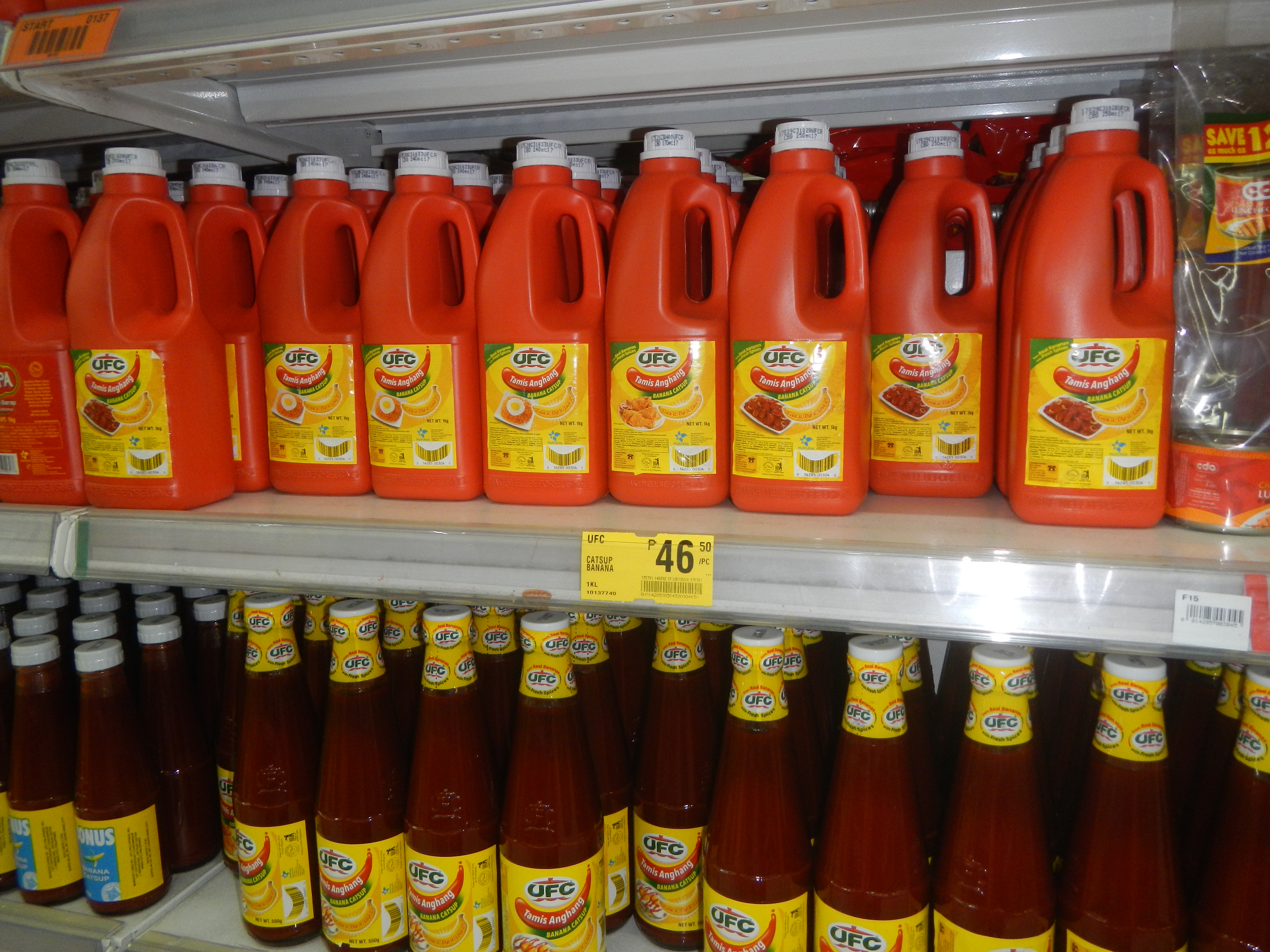
The initial result of this banana sauce recipe was actually yellowish-brown. This original color was considered less appealing and unfamiliar to the public, who had already grown to love tomato sauce.
To work around this, manufacturers began adding a small amount of natural red food coloring into the mixture.
This visual strategy successfully deceived the eyes while captivating the taste buds of consumers from the very first bite. The new sauce offered a sensation of sweet fruit flavors combined with just the right amount of acidity from the vinegar.
This invention was later commercially produced on a massive scale in 1942 by an entrepreneur named Magdalo Francisco. His brand was a huge success, spreading the banana sauce to supermarket chains across the country.
Technically, banana sauce turns out to have several advantages compared to real tomato sauce. Its texture is much more stable and does not easily become watery when heated for a long time. This sauce also has an excellent shelf life in the middle of a hot, humid tropical climate.
Becoming a National Culinary Identity
Today, Banana Ketchup has officially shifted into a national culinary identity that is a must-have in every Philippine kitchen. This product is mass-produced by various giant brands there in both original and spicy flavors.
Its use is widespread, ranging from a dipping sauce for fried chicken, a companion for omelets, to the main mix for the famously sweet local spaghetti.
This banana sauce has even been exported to various parts of the world today. Its presence serves as a cure for homesickness for millions of Filipino diaspora communities living abroad.