China covers about 9.6 million square kilometers, making it one of the world's largest countries by land area. The Philippines occupies just over 300,000 square kilometers, roughly one-thirtieth of China's size.
Now consider another number.
According to the CIA World Factbook, the Philippines has a coastline stretching 36,289 kilometers. China's coastline, by comparison, measures about 14,500 kilometers.
It sounds almost impossible. How can a country dramatically smaller than China have more than twice its coastline?
The answer lies in geography. And that geography has shaped everything from the Philippine economy to its national security.
One Country, 7,641 Islands
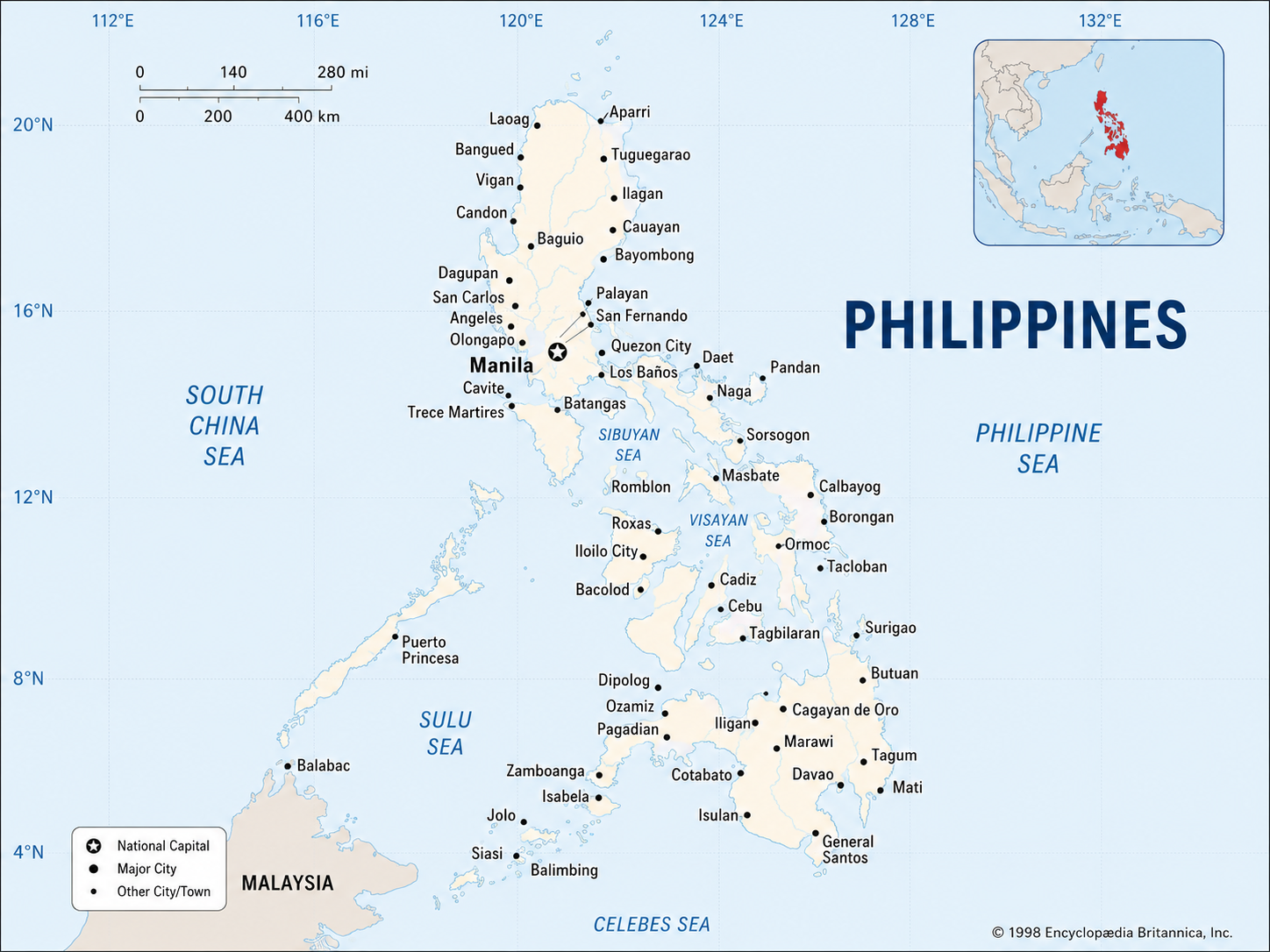
Unlike China, whose territory forms one continuous landmass, the Philippines is an archipelago made up of 7,641 islands, according to the National Mapping and Resource Information Authority (NAMRIA).
Every island adds new stretches of shoreline. Instead of one long continental coast, the Philippines has thousands of separate coastlines wrapping around islands of every size from Luzon and Mindanao to tiny, uninhabited islets scattered across the Pacific.
This is also influenced by what's known as the coastline paradox, where coastlines become longer as they are measured in greater detail. Regardless of the methodology, however, the Philippines consistently ranks among the countries with the world's longest coastlines.
The Sea Is One of the Country's Biggest Industries
The Sea Is One of the Country's Biggest Industries
The Philippines' coastline is more than just a geographical statistic, it is one of the country's largest economic assets.
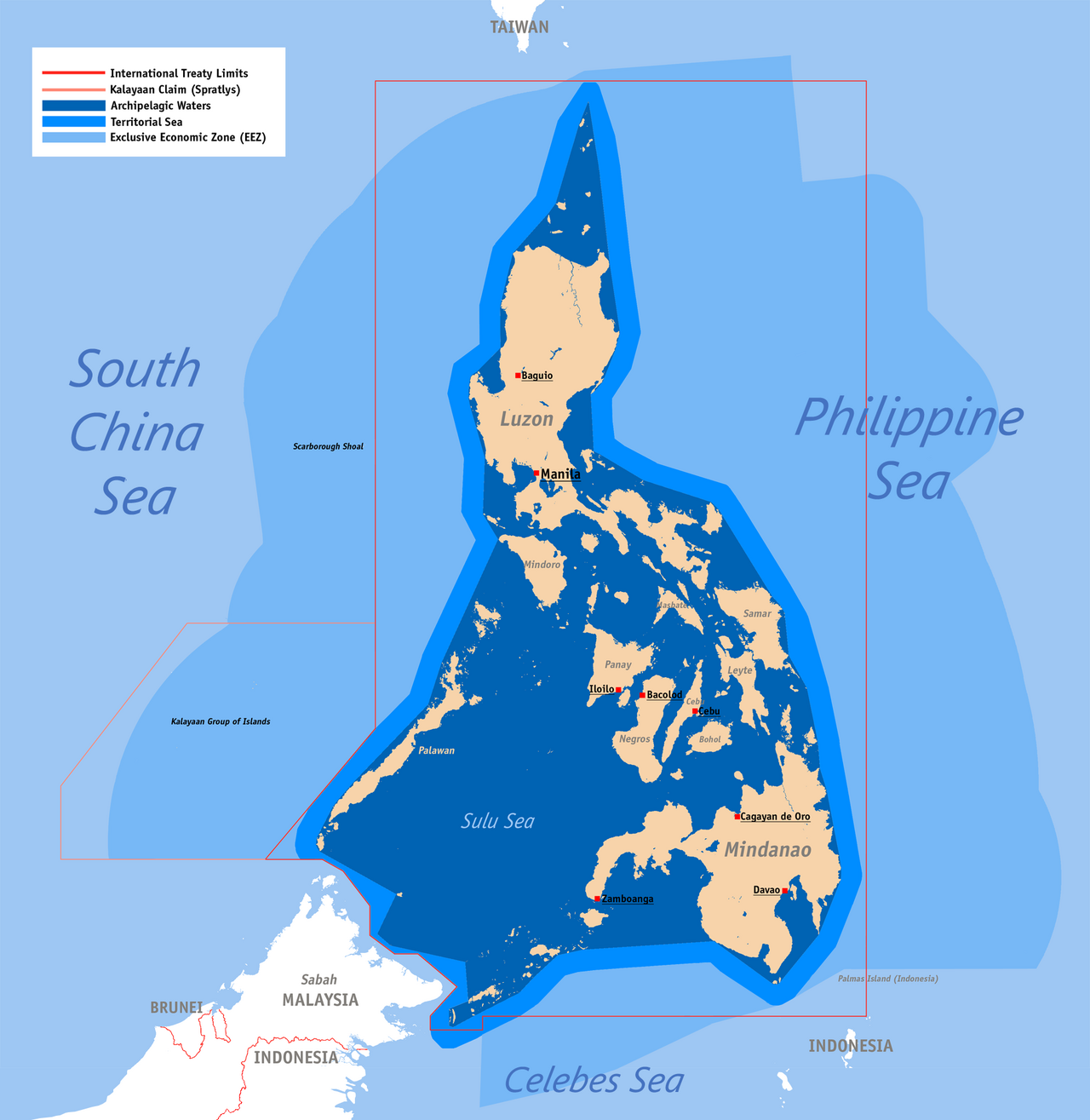
The country possesses an Exclusive Economic Zone (EEZ) covering approximately 2.26 million square kilometers, more than seven times larger than its land territory. Those waters support fisheries, shipping, tourism, offshore energy, and some of the world's richest marine ecosystems.
According to the Philippine Statistics Authority (PSA), the country's ocean economy generated ₱1.01 trillion (approximately US$17.7 billion) in 2024, accounting for 3.8% of national GDP. It was also the first time the Philippines' ocean economy surpassed the ₱1 trillion mark.
Fishing alone supports millions of livelihoods. The Bureau of Fisheries and Aquatic Resources (BFAR) counted around 2.6 million registered fisherfolk in 2024, while seafood remains a major contributor to food security and export earnings.
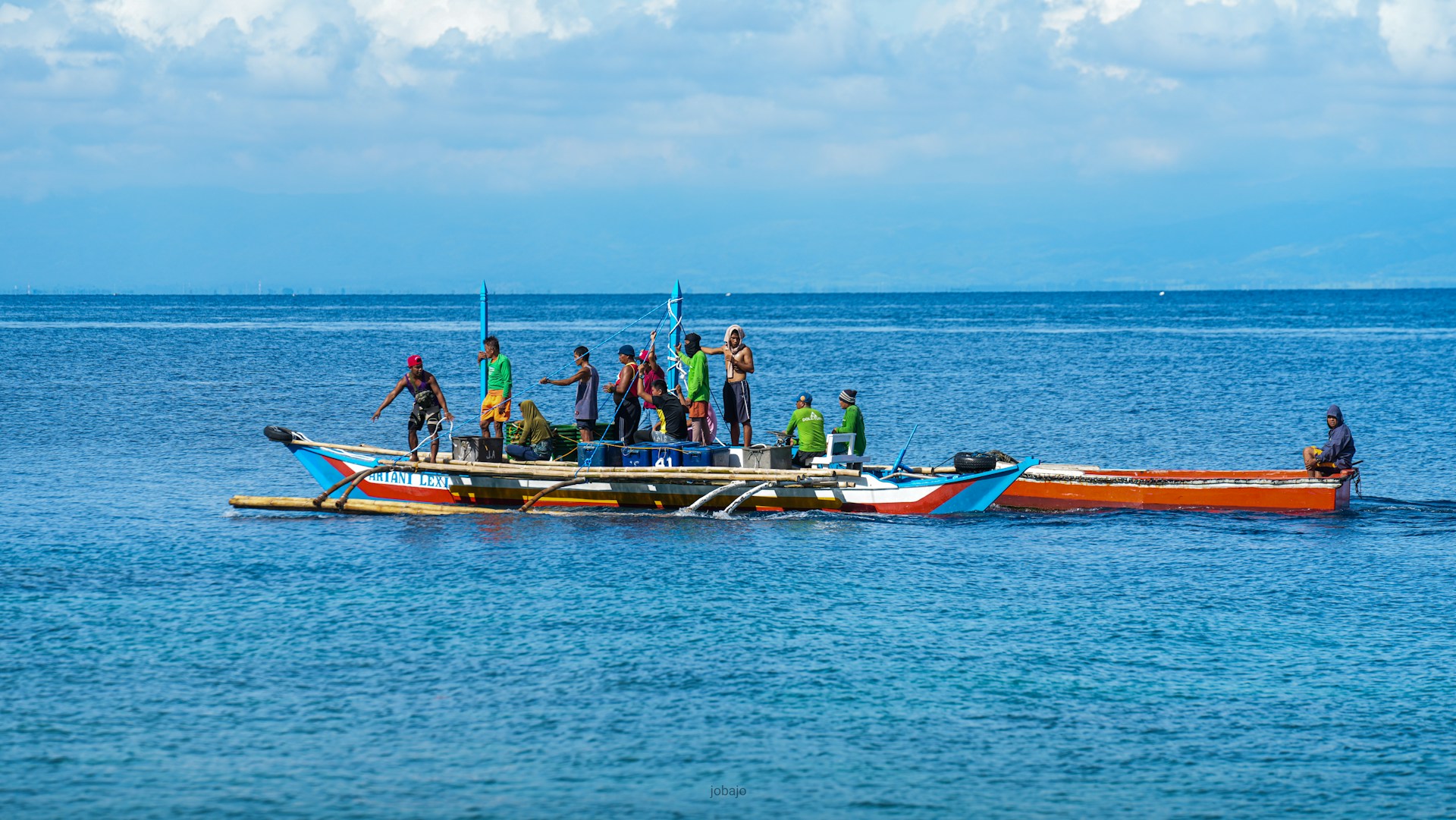
For the Philippines, the sea is not simply where the country ends. It is where much of its economy begins.
Every Kilometer Comes With a Cost
The same geography that creates economic opportunities also creates enormous security challenges.
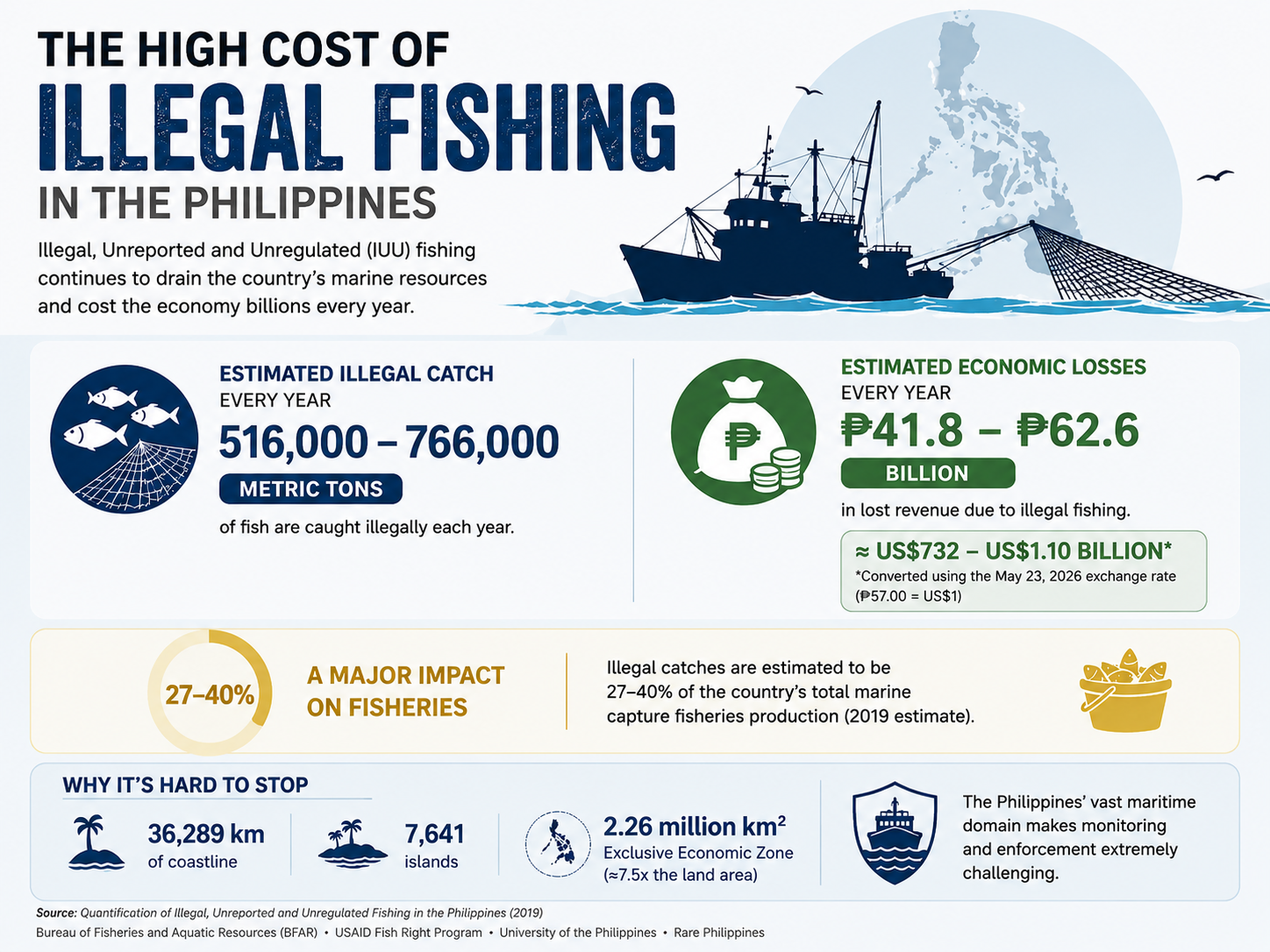
Protecting 36,289 kilometers of coastline means monitoring an EEZ spanning 2.26 million square kilometers across thousands of islands. That requires coast guard vessels, naval ships, maritime patrol aircraft, coastal radar systems, ports, and personnel spread across one of Southeast Asia's largest maritime spaces.
The challenge goes far beyond military threats. Authorities must also combat illegal fishing, smuggling, piracy, maritime accidents, and conduct search-and-rescue operations, while responding to some of the world's most destructive tropical cyclones.
Geography has also placed the Philippines at the center of growing tensions in the West Philippine Sea, where parts of its EEZ overlap with China's expansive claims in the South China Sea. Maintaining a consistent presence across such a vast maritime area has become one of Manila's biggest strategic priorities, driving investments in new coast guard vessels, naval assets, and maritime surveillance.
A Number That Explains a Nation
Having a longer coastline than China may sound like an interesting piece of trivia.
In reality, it explains much more than a surprising statistic.
The Philippines' thousands of islands have given it abundant fisheries, thriving coastal industries, and direct access to some of the world's busiest sea lanes. The same geography, however, also demands constant investment in maritime infrastructure, disaster response, and coastal security.
Sometimes, the number that best defines a country isn't its land area. It's the length of the coastline that shapes its future.