Singapore has long recorded Southeast Asia's highest household electricity prices. Among the rest of the region, however, the Philippines consistently ranks at or near the top.
According to the World Bank, based on July 2024 tariff data published in 2025, the Philippines recorded the second-highest residential electricity tariff in ASEAN after Singapore. Residential electricity averaged around US$0.21/kWh, compared with approximately US$0.12/kWh in Vietnam, US$0.11-0.13/kWh in Thailand, US$0.09/kWh in Indonesia, and US$0.05-0.06/kWh in Malaysia.
Electricity prices remained elevated through 2025 and into 2026. Normally Singapore still prices higher, but the ranking briefly flipped in June 2026.
The Department of Energy (DOE) reported the Philippines' average residential rate edged past Singapore's, reaching about P12.43/kWh (~US$0.20/kWh), driven by supply constraints in the Visayas and higher summer demand. That USD figure is slightly below the 2024 one despite the peso price rising, simply because the peso has weakened since 2024 (~₱58/US$1 then vs. over ₱61/US$1 now).
For a household consuming 200 kWh of electricity each month, a family in the Philippines typically pays more than twice as much as one in Indonesia and more than three times as much as one in Malaysia.
Fuel prices are part of the explanation, but they are not the whole story. The way the Philippine electricity industry is organised also plays a major role.
No National Utility
Across Southeast Asia, electricity systems are generally built around a dominant national utility.
Indonesia relies on Perusahaan Listrik Negara (PLN) to generate, transmit, and distribute most of the country's electricity. Tenaga Nasional Berhad (TNB) performs a similar role across Peninsular Malaysia, while Vietnam Electricity (EVN) remains the backbone of Vietnam's power sector.
In Laos, Electricité du Laos (EDL) continues to oversee much of the national electricity system. Thailand has introduced greater private participation in electricity generation, but state-owned organisations including the Electricity Generating Authority of Thailand (EGAT), the Metropolitan Electricity Authority (MEA), and the Provincial Electricity Authority (PEA) still operate the country's transmission network and most electricity distribution.
But Philippines is different.
Through the Electric Power Industry Reform Act (EPIRA) enacted in 2001, the country restructured its electricity industry by separating generation, transmission, distribution, and retail supply into different businesses instead of maintaining a single dominant national utility.
Today, electricity generation is largely handled by private companies such as Aboitiz Power, San Miguel Global Power, First Gen, and Semirara Mining and Power Corporation.
The national transmission network remains government-owned through the National Transmission Corporation (TransCo), but daily operation is managed by the privately operated National Grid Corporation of the Philippines (NGCP).
Higher generation costs eventually reach consumers
The country's largest electricity distributor is Manila Electric Company (Meralco), which supplies power to Metro Manila and nearby provinces, serving more than 8 million customer accounts.
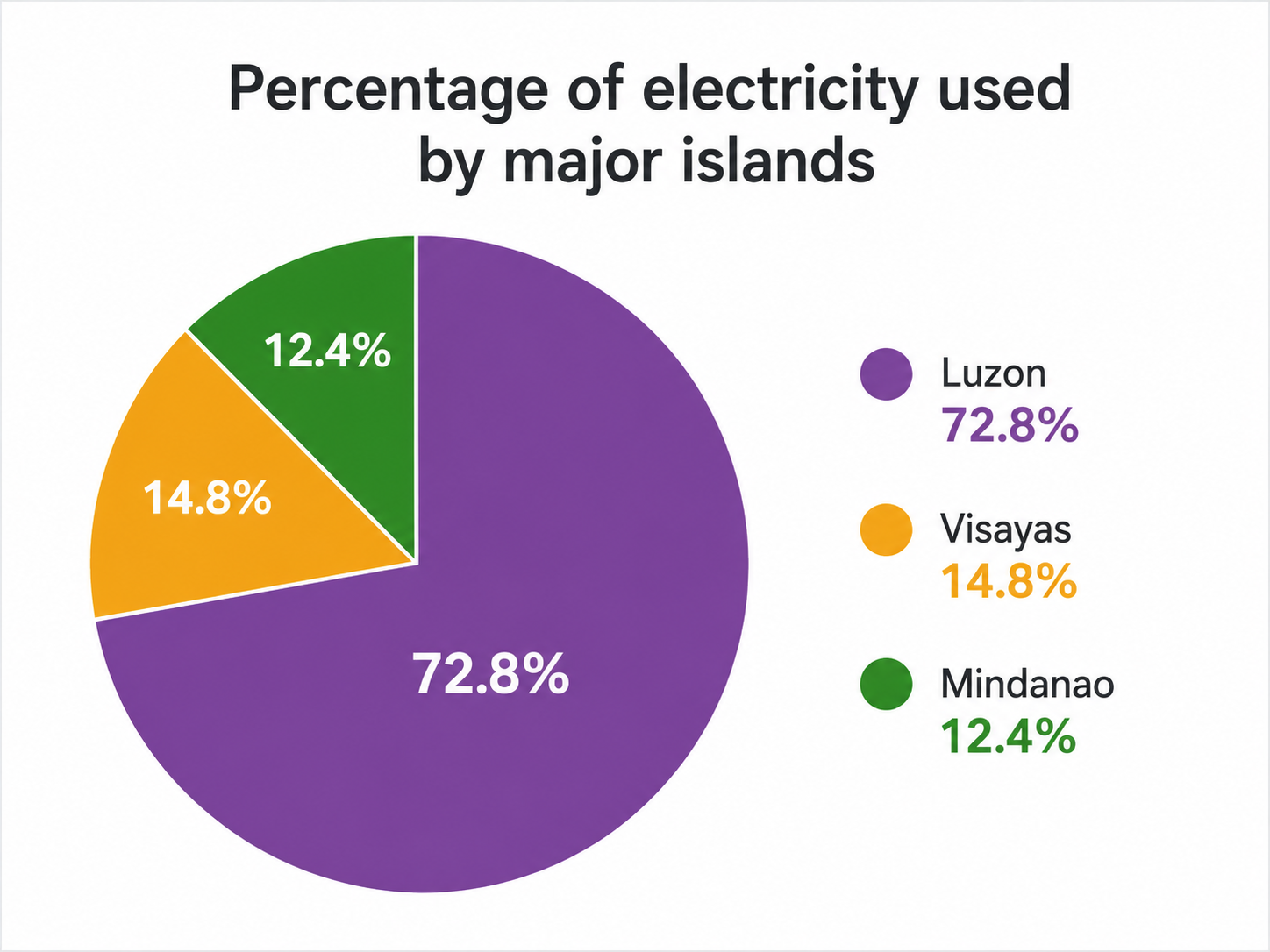
Although Meralco is the company most consumers interact with, it does not produce most of the electricity it sells.
According to the company, only around 12% of a customer's electricity bill represents its distribution charge. The remaining about 88% consists of pass-through costs, including payments to electricity generators, transmission charges, taxes, and other regulatory fees.
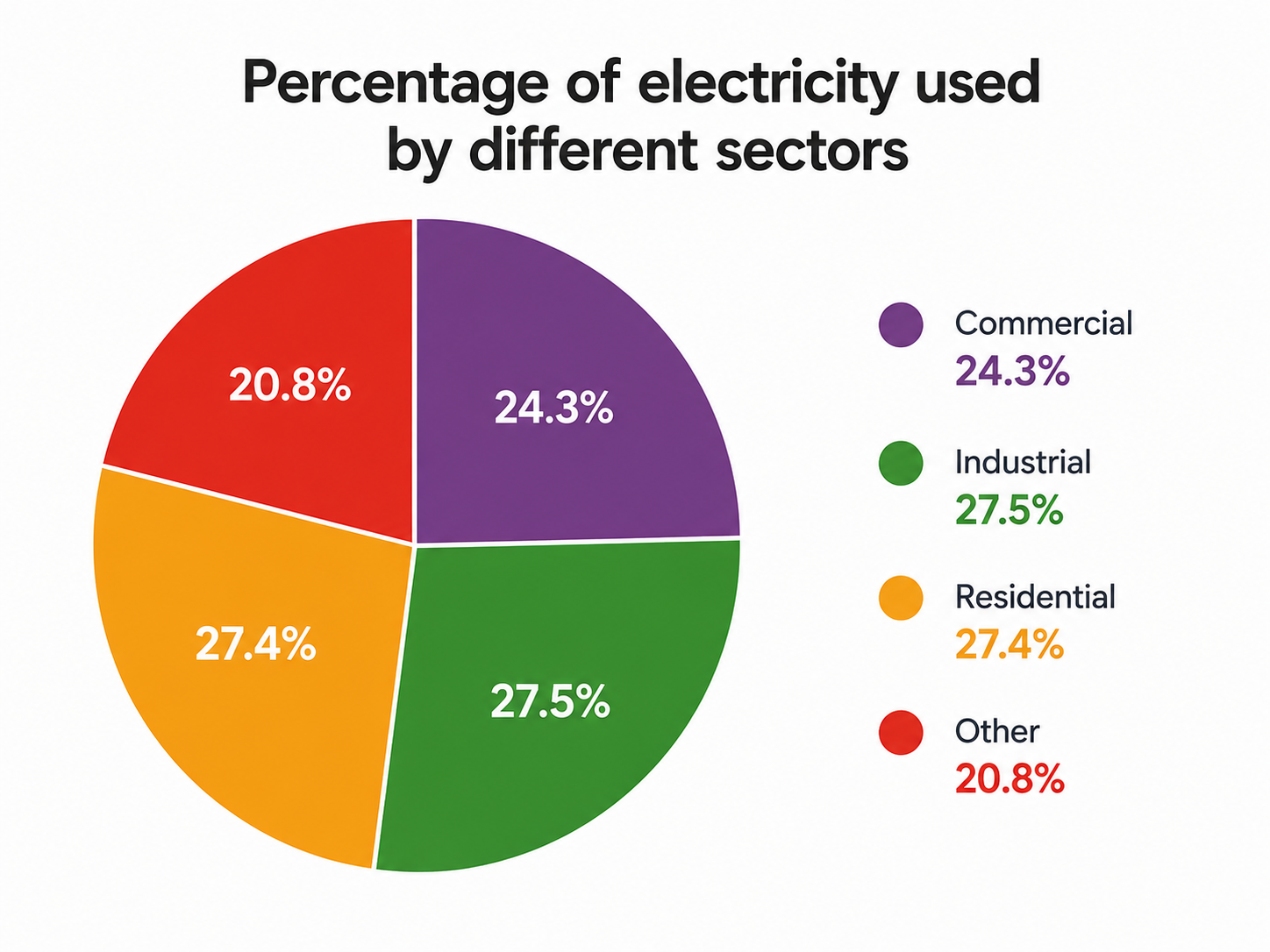
As a result, when electricity generation becomes more expensive, household electricity bills also increase.
Imported Fuel, Higher Costs
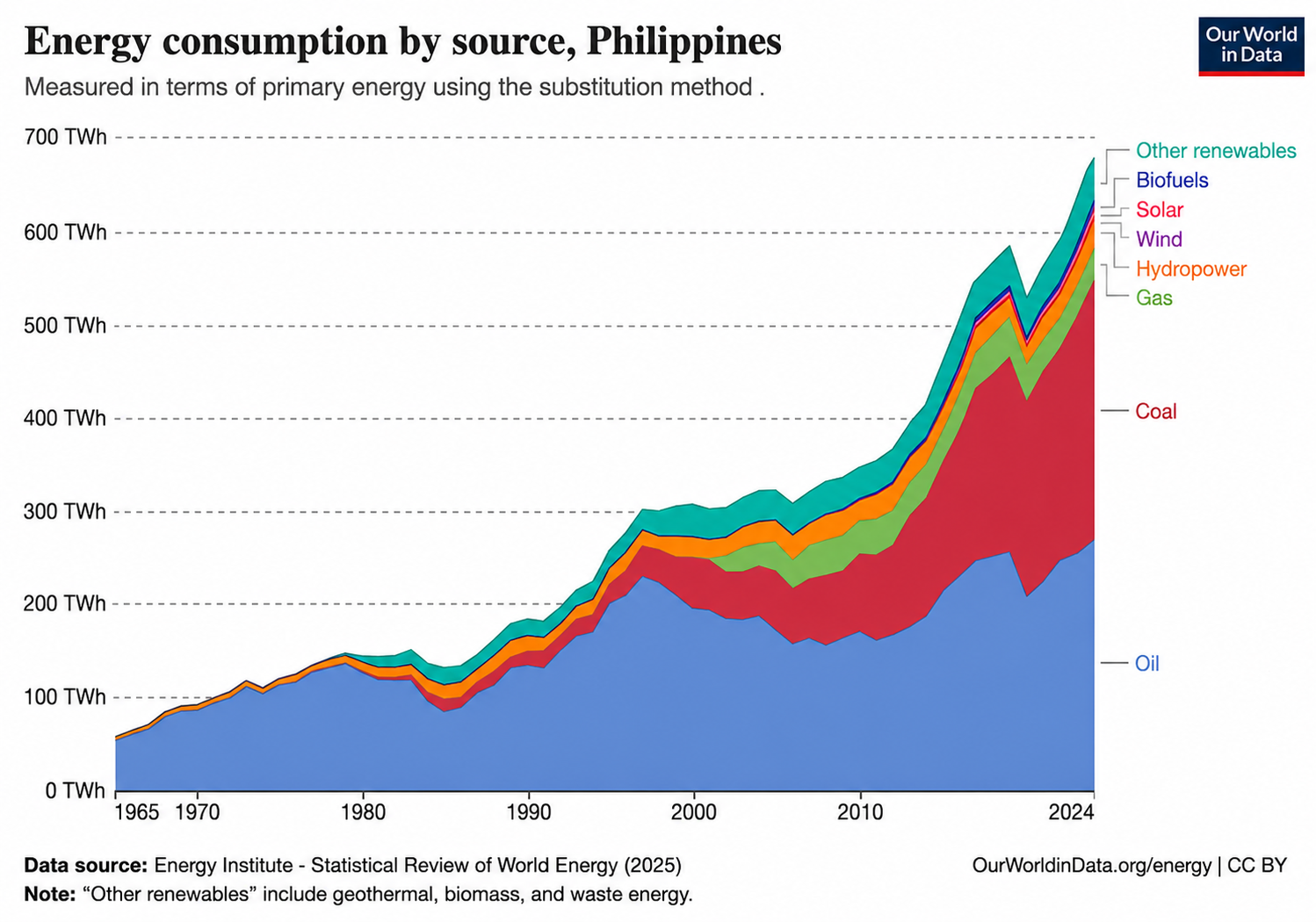
Coal remains the Philippines' largest source of electricity generation, while imported liquefied natural gas (LNG) has become increasingly important as domestic natural gas production declines.
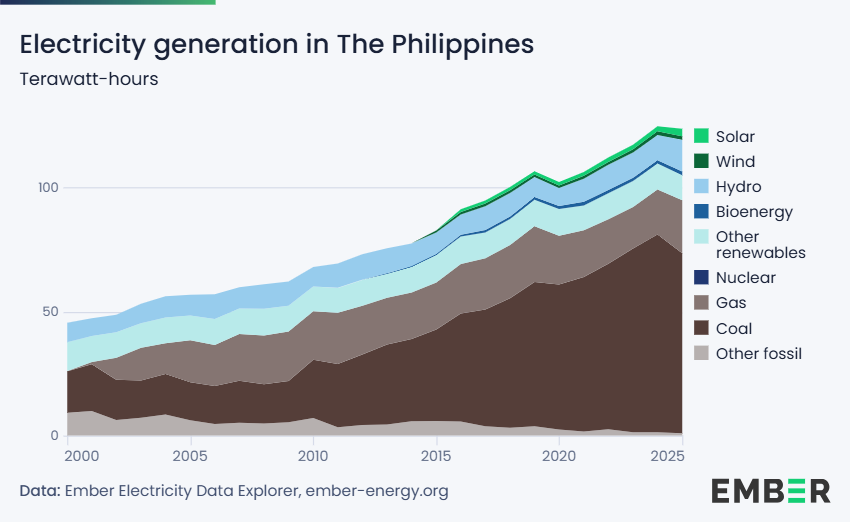
Because much of these fuels are imported, electricity producers are directly exposed to fluctuations in international energy prices. Reuters reported that rising LNG prices have prompted Philippine authorities to explore additional measures to reduce price volatility in the domestic power market.
Indonesia and Malaysia face a different situation. Both countries produce significant amounts of coal or natural gas domestically, while broader government intervention and electricity subsidies help keep residential tariffs relatively stable.
Limited Subsidies
Another important difference is government support.
Most Southeast Asian governments continue to play a significant role in keeping household electricity prices affordable, although the approach differs from country to country.
- Indonesia regulates residential electricity tariffs through PLN, with subsidies and compensation provided for eligible customer groups.
- Malaysia continues to maintain regulated residential tariffs, while fuel subsidies and government support help moderate electricity costs.
- Vietnam sets retail electricity prices through the state-owned utility Vietnam Electricity (EVN), with tariff adjustments requiring government approval.
- Thailand also regulates retail electricity prices through the Energy Regulatory Commission, while state-owned utilities remain responsible for electricity transmission and distribution.
- Laos and Brunei likewise retain strong state involvement in their electricity sectors, with government-owned utilities playing central roles in supplying power.
The Philippines adopts a different approach.
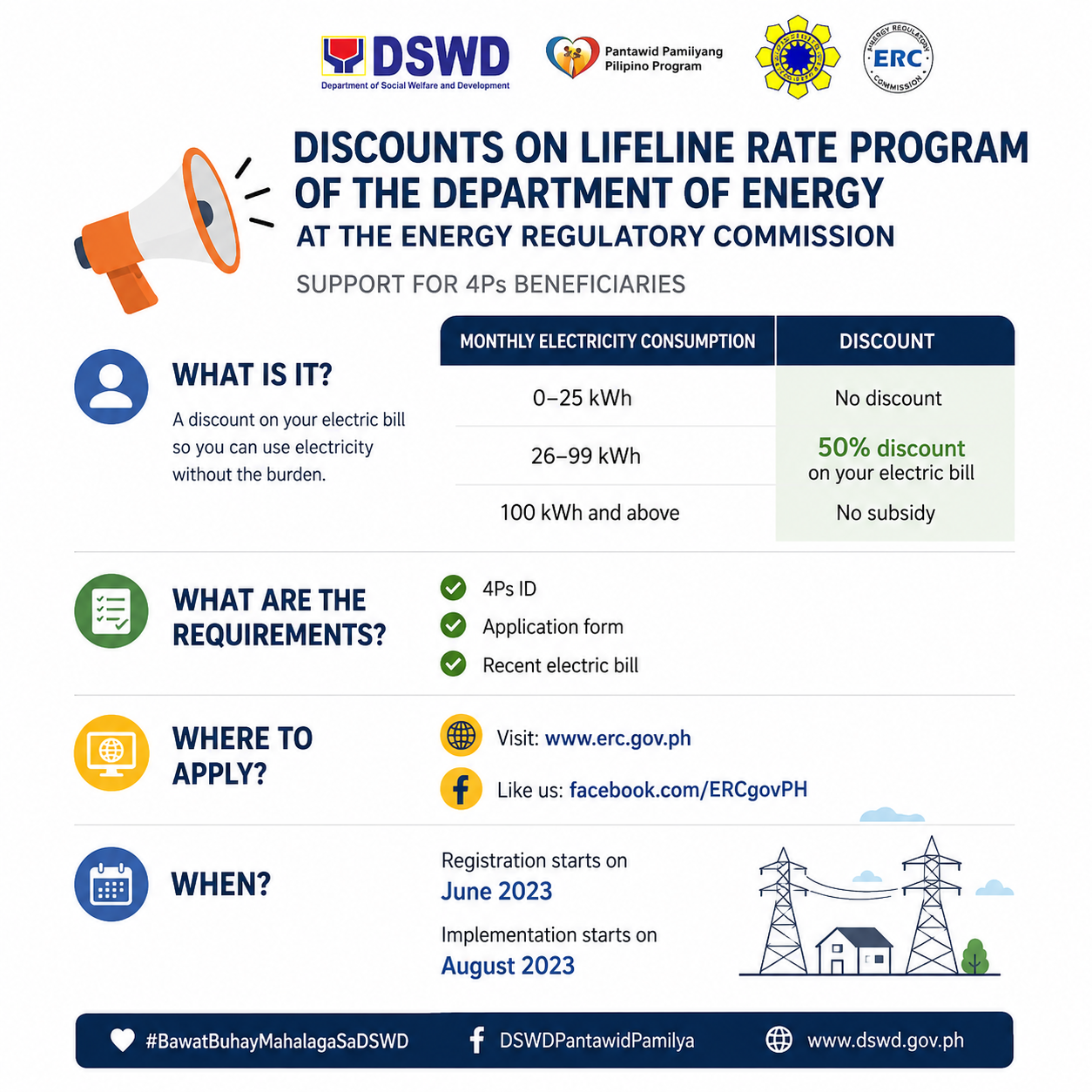
Instead of maintaining broad electricity subsidies for most households, government support is primarily targeted through programmes such as the Lifeline Rate Subsidy. The programme provides discounted electricity bills only to qualified low-income households, particularly beneficiaries of the government's Pantawid Pamilyang Pilipino Program (4Ps), and only for households with relatively low monthly electricity consumption.
According to the World Bank, differences in government support and electricity pricing policies explain a significant share of the variation in residential electricity prices across Southeast Asia.
As a result, increases in electricity generation costs are generally passed through to consumers more directly in the Philippines than in many neighbouring countries.