Malaysia is the only country in the world where the head of state job rotates between nine different royal families, every five years, like a very dignified game of musical chairs.
The position is called the Yang di-Pertuan Agong, often translated to "King of Malaysia". It's filled through an election where only nine specific royals get to vote.
The Only Country With a Royal Rotation System
Malaysia has 13 states total, but only nine of them are still ruled by hereditary royalty.
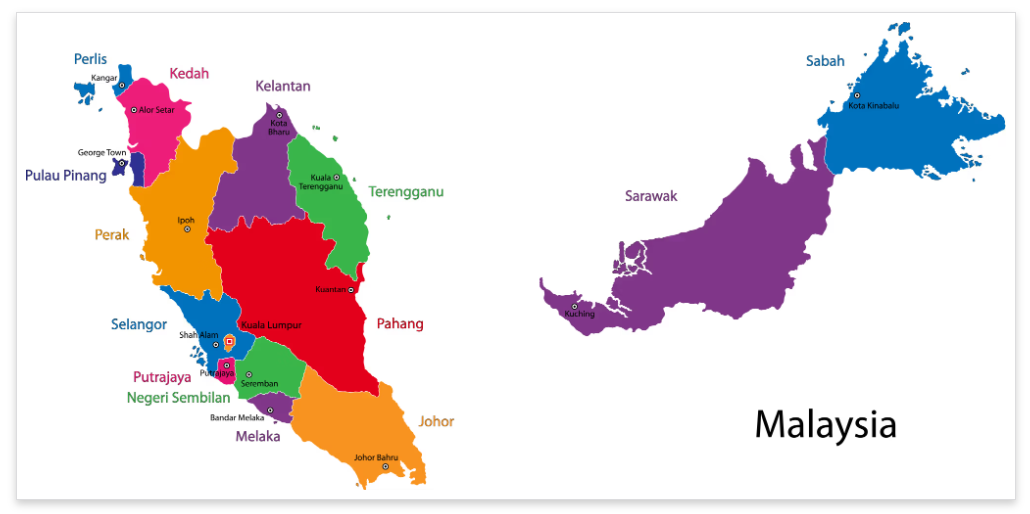
Negeri Sembilan, Selangor, Perlis, Terengganu, Kedah, Kelantan, Pahang, Johor, and Perak. Each of these nine states is permanently ruled by its own hereditary monarch, consisting of eight sultans and the Raja of Perlis.
What rotates isn't the monarchy itself, but who among them gets to step up and become the federal King for the next five years.
So How Do You "Elect" a King?
The process is oddly formal for something that looks like a coronation. Every five years, the Conference of Rulers (Majlis Raja-Raja) meets, and the nine eligible rulers vote through a secret ballot.
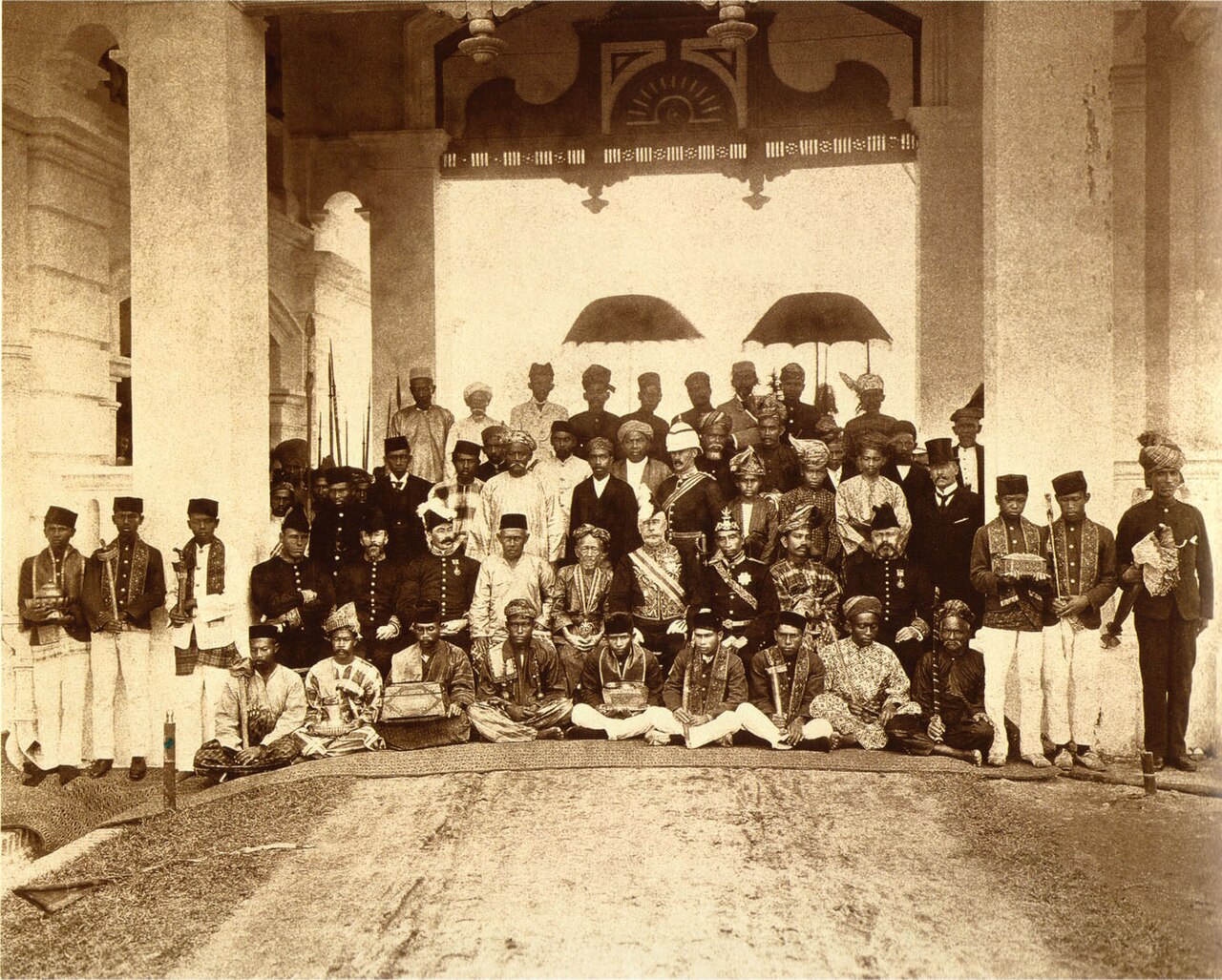
Each one gets an unnumbered ballot paper and an identical pen, and they're simply asked whether the next name on a pre agreed rotation list is a suitable choice. If that ruler gets at least five votes in favor and actually wants the job he becomes the new Agong.
If not, they move to the next name on the list.
This system was agreed upon in 1957, right when Malaya gained independence from Britain. The first ever Agong was Tuanku Abdul Rahman from Negeri Sembilan, whose face still appears on Malaysian banknotes today.
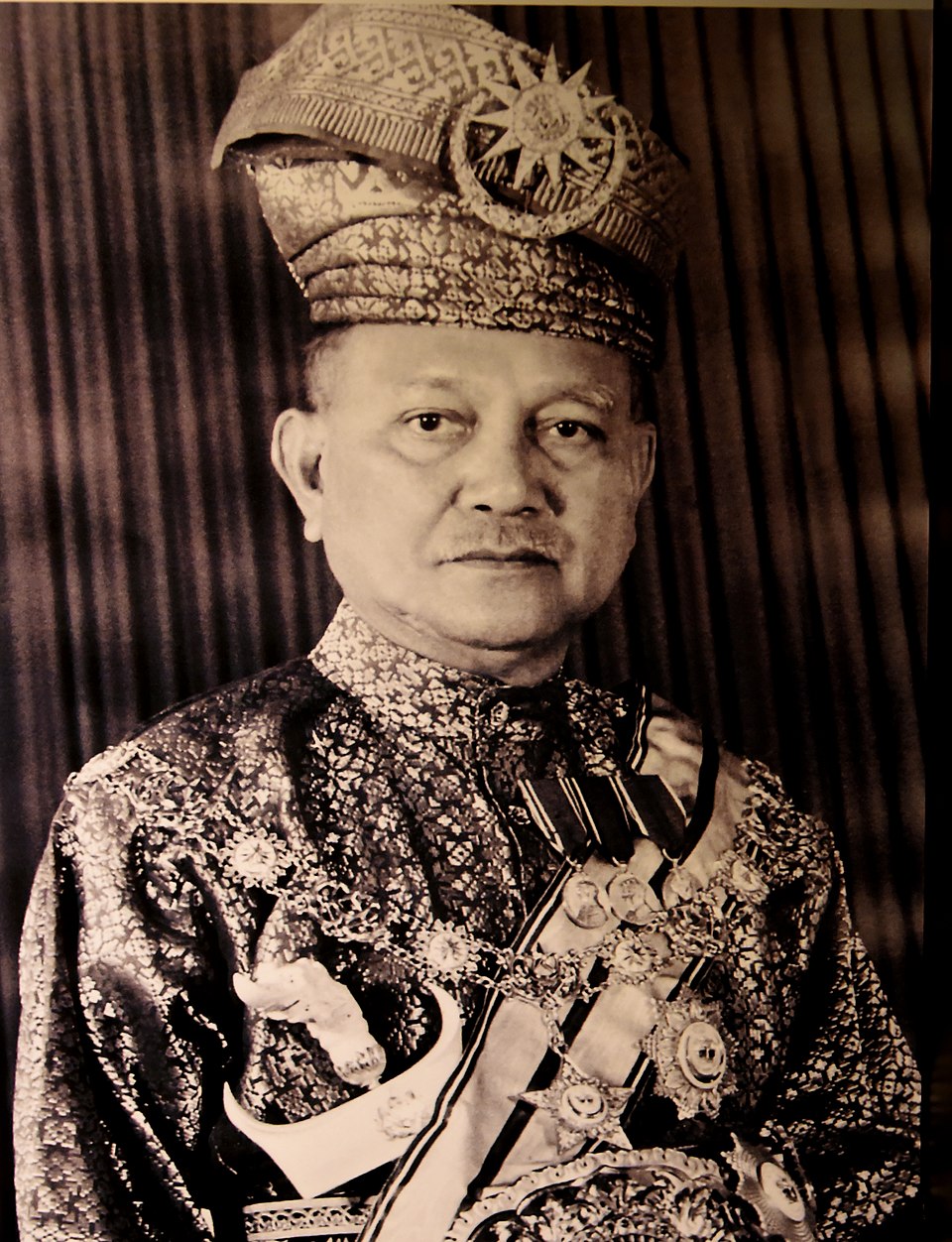
Originally, the rotation order was based on seniority, whoever had reigned the longest in their own state went first. That rule got phased out once all nine rulers had taken a turn.
Since then, a fixed rotation list (agreed on collectively by the rulers) has been used instead.
The Roots Go Back Centuries
The five year rotation might be a modern invention, but the monarchy itself isn’t. The lineage traces back to the 15th century, when Parameswara founded the Malacca Sultanate. Making this less of a quirky political experiment and more of a centuries old tradition that got reorganized into a federal system after independence.
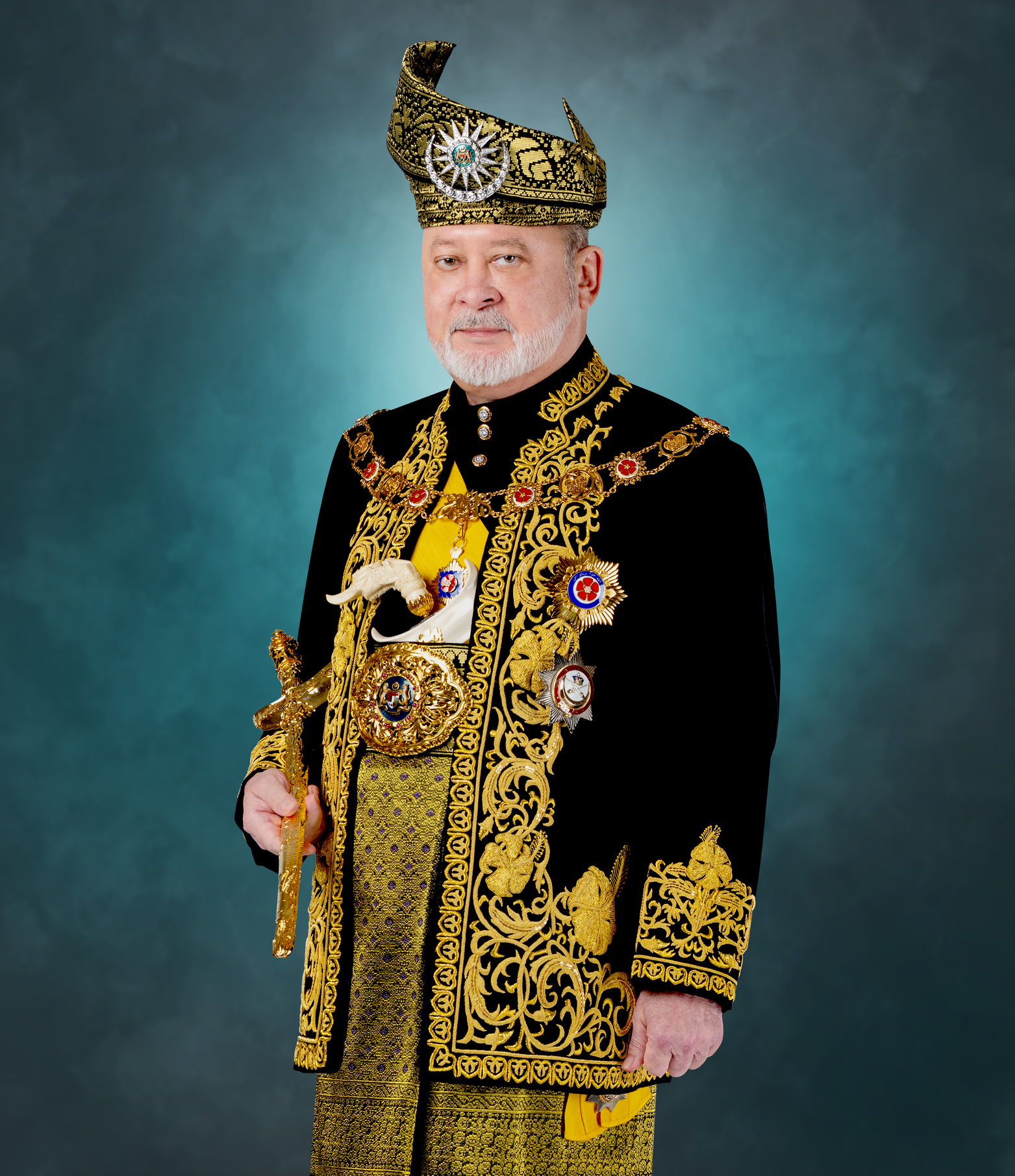
Under this rotation, Sultan Ibrahim of Johor was sworn in as the 17th Yang di-Pertuan Agong on January 31, 2024, following a Conference of Rulers meeting in October 2023. In a historic parallel, his father had served as the 8th Agong decades earlier, making Sultan Ibrahim the second ruler from Johor to ascend the federal throne.
A System Built to Avoid Rivalry
The rotation wasn’t designed by accident. When Malaya’s founders sat down in 1957, the goal was simple.
Make sure no single royal family could claim to outrank the other eight. Sharing the throne, on a fixed schedule, turned out to be the solution.
Nearly seven decades later, the system is still running exactly as planned.
No coups, no succession crises, just nine royal families quietly taking turns. It’s a small reminder that sometimes the most unusual political setups are the ones that last the longest.