


More than three decades after the Bosnian War began, the memory of the 1995 Srebrenica genocide continues to resonate around the world. Recognized by international courts as genocide, the massacre claimed more than 8,000 Bosniak men and boys in July 1995, while the broader conflict from 1992 to 1995 displaced over 2.2 million people and left more than 100,000 dead. Although Southeast Asia lay thousands of kilometers away from the Balkans, several countries in the region responded with remarkable humanitarian, diplomatic, and moral solidarity. Their contributions demonstrated that compassion can transcend geography, culture, and politics.
Remembering Bosnia's Darkest Chapter
The Bosnian War emerged following the breakup of Yugoslavia, as Bosnia and Herzegovina declared independence in 1992. The conflict quickly descended into ethnic violence among Bosniaks, Bosnian Serbs, and Bosnian Croats, with civilians bearing the overwhelming burden.
The fall of the United Nations-designated "safe area" of Srebrenica in July 1995 became the defining tragedy of the war. International courts, including the International Court of Justice and the International Criminal Tribunal for the former Yugoslavia, later ruled that the systematic killing of more than 8,000 Bosniak men and boys constituted genocide.
Bosnia's first President, Alija Izetbegović, often reminded the world of the importance of preserving peace and justice.
"We must never forget, because forgetting means allowing it to happen again."
Each year on 11 July, thousands gather at the Srebrenica-Potočari Memorial Centre to commemorate the victims, while newly identified remains continue to be laid to rest as forensic investigations uncover mass graves.
Malaysia's Open Door and Humanitarian Leadership
Among Southeast Asian nations, Malaysia played the most direct role in supporting Bosnian civilians.
Rather than establishing large refugee camps, the government under Prime Minister Dr. Mahathir Mohamad welcomed several hundred Bosniak families and students as "guests" (tetamu), allowing them to integrate into Malaysian society with access to housing, healthcare, education, and employment. Estimates suggest that around 300 to 400 Bosnian families and students found temporary refuge in Malaysia during the conflict.
The International Islamic University Malaysia (IIUM) became a vital sanctuary, offering full scholarships to hundreds of Bosnian students whose education had been disrupted by war. Many later returned home to contribute to Bosnia's reconstruction, while others built successful careers across Europe, North America, and Australia.
Dr. Mahathir became one of the strongest international voices condemning the violence in Bosnia, repeatedly criticizing the international community's slow response.
"We could not simply stand by while innocent people were being slaughtered."
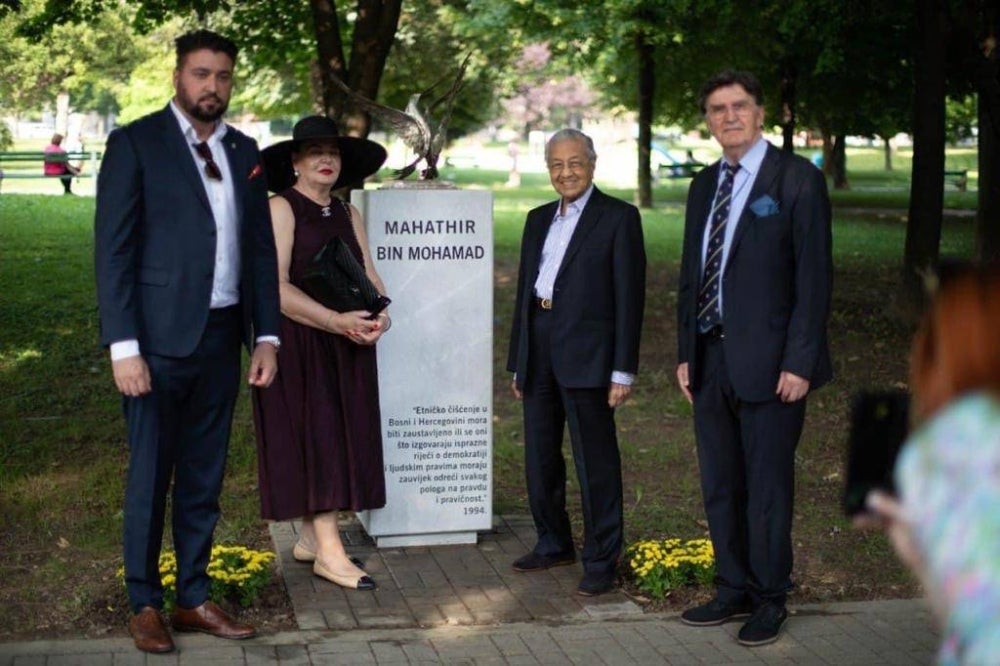
Malaysia's humanitarian response remains one of the most distinctive examples of refugee integration in Southeast Asia's modern history.
Indonesia's Diplomacy and Lasting Solidarity
Although Indonesia did not receive Bosnian refugees because of the enormous geographical distance, it became one of Bosnia and Herzegovina's strongest supporters in Asia.
Indonesia recognized Bosnia's independence early in 1992 and formally established diplomatic relations in 1994. The country's support extended beyond diplomacy into peacekeeping, humanitarian relief, and post-war reconstruction.
One of the most memorable moments occurred in March 1995, when President Soeharto traveled directly into besieged Sarajevo despite significant security risks to meet President Alija Izetbegović. The visit sent a powerful message of solidarity during one of the conflict's darkest periods.
Indonesia also deployed military personnel and medical teams under the United Nations Protection Force (UNPROFOR), while nationwide fundraising campaigns organized by religious organizations, universities, and civil society raised substantial humanitarian assistance for Bosnian civilians.
Following the war, Indonesia financed the construction of the Istiqlal Mosque in Sarajevo, a lasting symbol of friendship between the two predominantly Muslim nations.
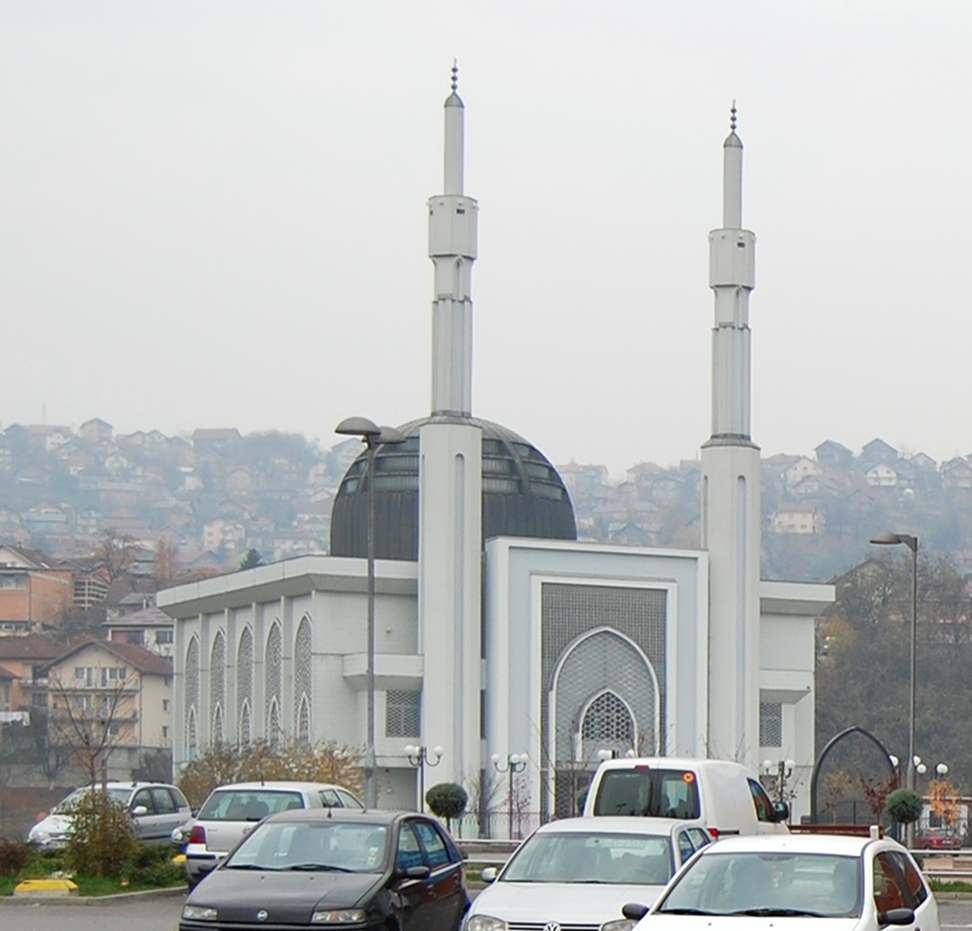
During a visit to Sarajevo in 2026, Indonesian Defense Minister Sjafrie Sjamsoeddin reaffirmed that the mosque remains "a symbol of Indonesia's enduring friendship with the people of Bosnia and Herzegovina."
Different Responses Across Southeast Asia
Elsewhere in Southeast Asia, involvement was more limited.
Brunei Darussalam contributed generous humanitarian assistance through government-supported relief funds and consistently backed Bosnia through the Organisation of Islamic Cooperation (OIC) and the United Nations. Sultan Hassanal Bolkiah's government helped finance humanitarian operations supporting civilians affected by the conflict.
Meanwhile, countries including Thailand, Singapore, the Philippines, Vietnam, Cambodia, Laos, and Myanmar did not host Bosnian refugees. At the time, many were still managing the long aftermath of the Indochinese refugee crisis or were primarily focused on domestic political and economic transitions.
Geography also played a decisive role. With Southeast Asia located more than 9,000 kilometers from Bosnia, most displaced people understandably sought refuge in neighboring European countries, Germany, Turkey, North America, and Australia.
From Remembrance to a Shared Future
Today, relations between Bosnia and Southeast Asia continue through diplomacy, education, tourism, and cultural exchange.
Malaysia maintains close educational links through IIUM alumni, while Indonesia continues expanding cooperation with Bosnia in diplomacy, defense, religious affairs, and higher education. Annual commemorations of the Srebrenica genocide across several Southeast Asian cities also demonstrate that the tragedy has not been forgotten.
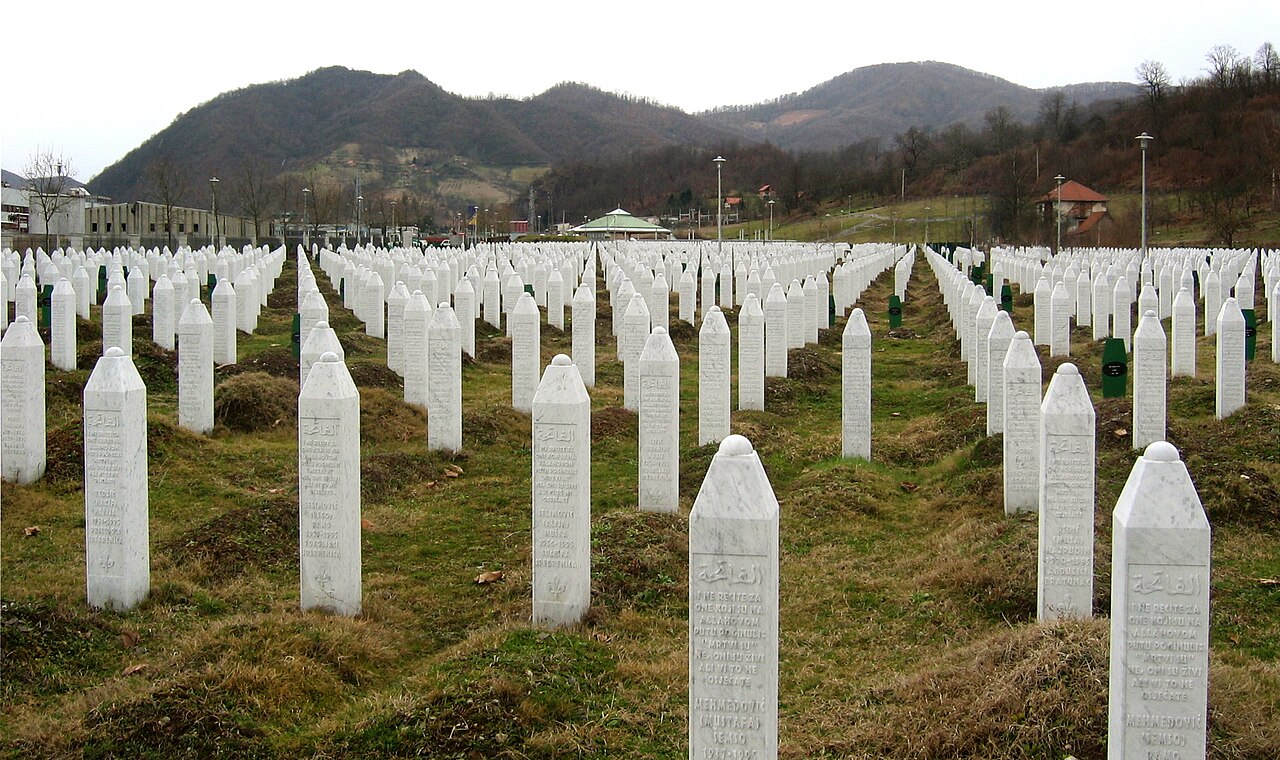
As Bosnia and Herzegovina continues its path toward European integration and national reconciliation, the story of Southeast Asia's support remains an enduring reminder that humanitarian solidarity is not defined by proximity. During one of Europe's darkest chapters, countries thousands of kilometers away chose compassion over indifference. Their actions—whether through diplomacy, education, humanitarian assistance, or moral leadership—became lasting bridges of friendship that continue to unite Bosnia and Southeast Asia in the pursuit of peace, dignity, and shared humanity.


