The Day of the Seafarer is celebrated every year on June 25. This international observance serves as an official moment to recognize workers at sea.
However, the historical narrative behind the specific date often goes unnoticed by the public. This international day was actually started in a Southeast Asian country.
The global commemoration of the Day of the Seafarer materialized through an international conference in the Philippines.
The 2010 Manila Diplomatic Conference
The historical timeline began from June 21 to 25, 2010. This international meeting was attended by diplomatic delegates from 85 International Maritime Organization (IMO) Member States.
The international convention took place in the city of Manila, specifically at the Philippine International Convention Center. The event was organized and led by the IMO.
The primary agenda of the gathering was to finalize a set of legal regulatory revisions that are highly crucial for maritime safety.
The Manila Amendments
The delegates gathered specifically to update an outdated international maritime treaty. The agreement is known as the International Convention on Standards of Training, Certification and Watchkeeping for Seafarers (STCW) 1978.
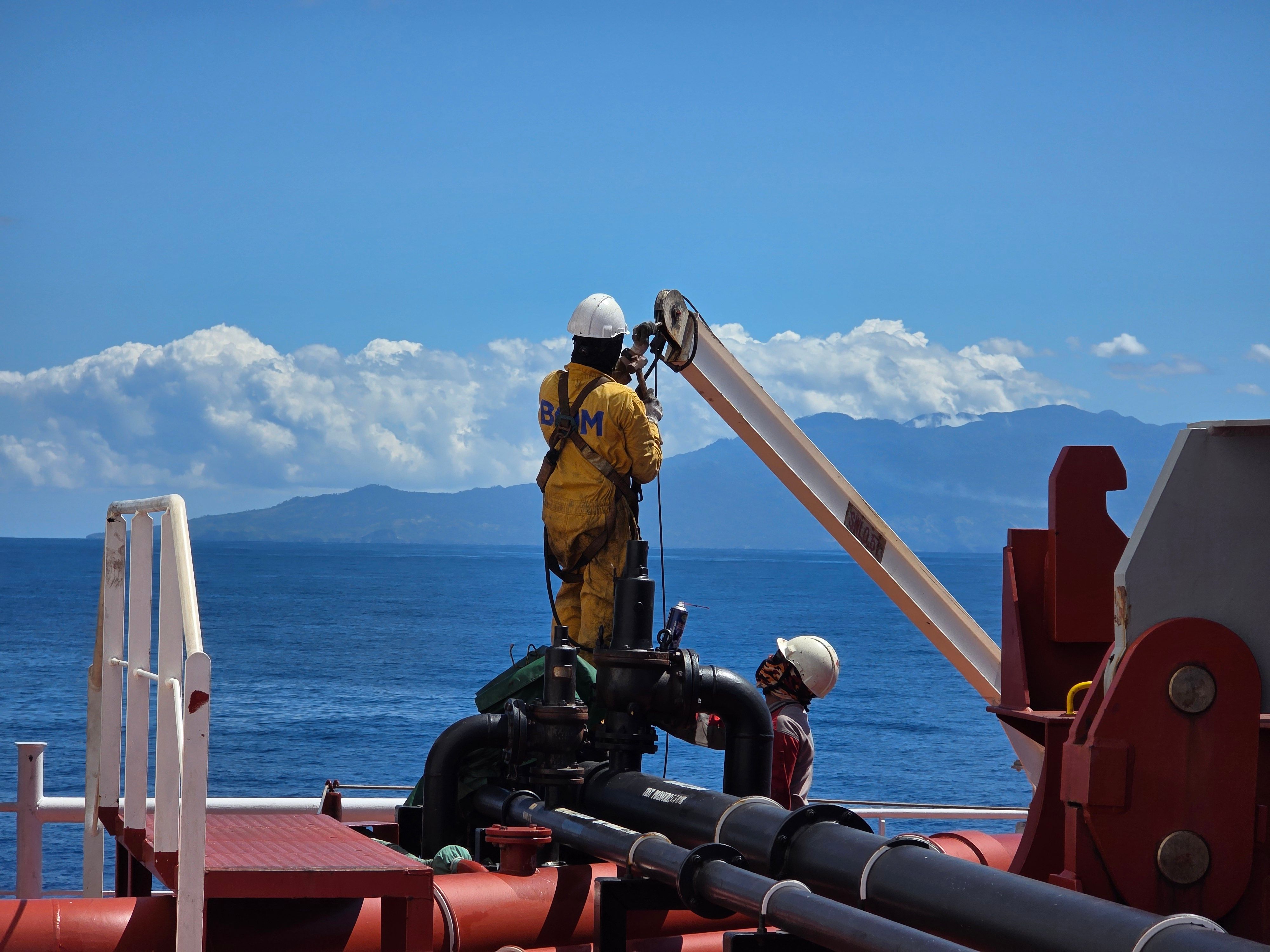
The 1978 Convention was completely overhauled because the 21st-century maritime sector had shifted toward automated digital technology. The old convention could no longer guarantee seafarer safety in 21st-century shipping operations.
The fundamental upgrade in the 2010 amendments mandated a strict minimum of 10 rest hours per day to combat exhaustion. The new regulations also enforced mandatory certifications for anti-piracy security and competency in modern electronic chart navigation systems.
This revision was crucial since 90% of global trade relies entirely on ocean-going vessels. Without these stricter competence and rest standards, cargo ship accidents and marine pollution would rise drastically. The final output of these revised regulations was named the Manila Amendments.
Why Manila Became the Deciding Location
The IMO selected Manila as the conference venue due to strategic industrial considerations. The Philippines stands as the world's largest supplier of officers and crews for the international merchant navy.
The global shipping industry is heavily supported by professional labor from the Southeast Asian region. The geographical landscape made Manila the most relevant place to ratify the regulations governing the lives of seafarers.
Upon the agreement, all state delegates felt the milestone needed to be preserved. They wanted to mark the adoption of these new standards with a permanent tribute.
The Ratification of Resolution 19
The tribute was formalized into a specific international legal document named Resolution 19 on Day of the Seafarer. This document serves as the formal international legal foundation recognized globally.
All national representatives agreed on the document on June 25, 2010. Through the passing of Resolution 19, the closing date of the Manila conference was officially designated as the Day of the Seafarer.
The United Nations subsequently included June 25 into their official list of annual global observances.
Every year, the focus of the Day of the Seafarer campaign changes to reflect current maritime industry dynamics. For the year 2026, the IMO introduced the official theme "Carrying world trade. Carrying the risks" to raise awareness about the conditions of seafarers amidst conflictual situations.
The Day of the Seafarer's 2026 theme is driven by the rising escalation of geopolitical conflicts across several major global shipping lanes. Armed tensions within the maritime conflict zones double physical safety risks and trigger heavy psychological burdens for commercial ship crews.
Hence, the IMO calls on seafarers to show the other side of the ships they work on and the daily challenges they encounter. This movement aims to increase global public awareness to provide concrete support for the safety and well-being of the seafarers.