Drive into Hanoi or Ho Chi Minh City and the buildings start looking strange fast. Houses that are only 3 to 6 meters wide suddenly shoot up 5, 6, even 7 stories into the air, packed side by side.
This is the “tube house” known locally as nhà ống, and it’s one of the most recognizable features of Vietnam’s urban landscape.
The name fits, each home is essentially a long, narrow tube of space, subdivided floor by floor to fit everything a family needs.
The Houses That Look Like Books on a Shelf
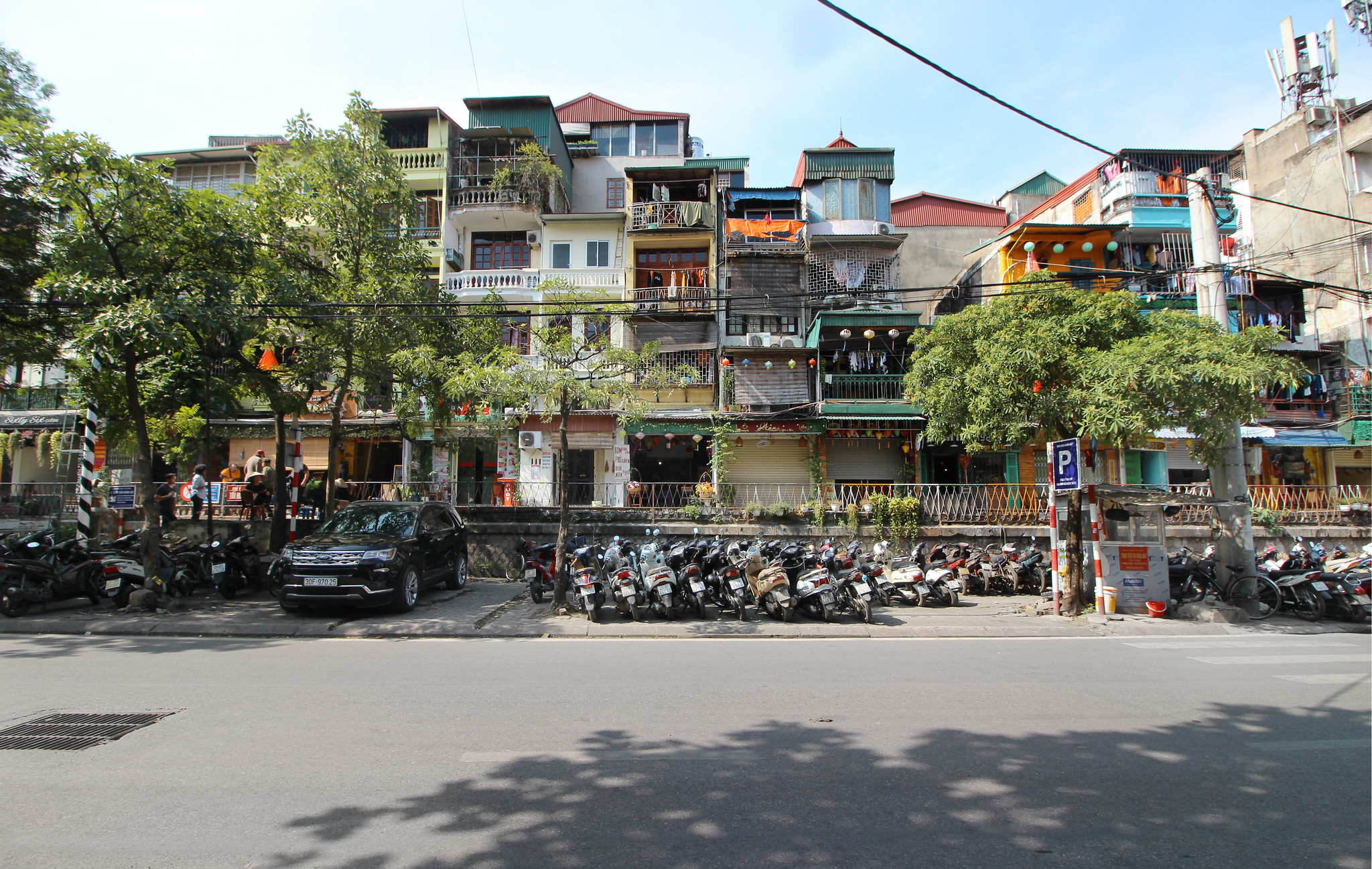
This isn’t a random architectural quirk. Tube houses are a vernacular architectural form of shophouse endemic to Viet nam.
Characterized by narrow width and multistory structure, and they proliferated as a result of limited building space and property taxation policies that assessed only the first floor width of homes .
In other words, the shape of these houses comes directly from how property taxes were calculated.
The Tax Rule That Shaped a City
For centuries, property tax in Viet nam wasn’t based on total square footage or how deep a plot ran, it was based purely on how wide the house was at the street.
Property in the 19th century Nguyen Dynasty was taxed only by street frontage, so the wider a home was, the more its owner paid.
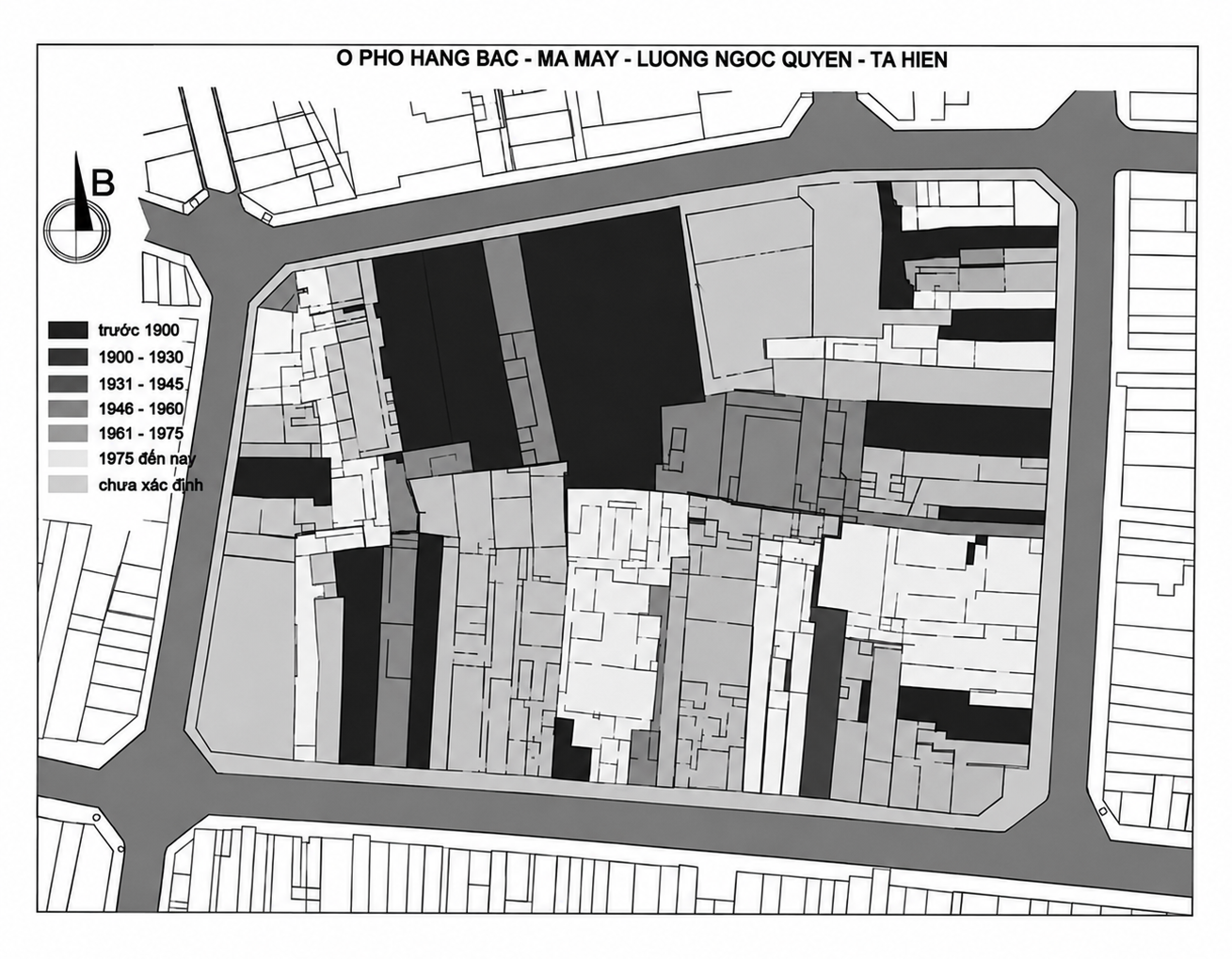
This created an obvious incentive, Hanoi residents started buying tiny strips of land with narrow frontage, then extending them deep into the block, far past where any window or door could be seen from the street.
A house could be just a few meters wide at the entrance and still stretch tens of meters back, completely untaxed for that extra length.
This architectural pattern persisted for practical reasons, especially for families running shops. While high property taxes originally shaped the early tube house, commerce remained a core function, requiring every home to have a storefront.
Additionally, inheritance customs further drove this trend, as sons often divided inherited land into narrow, adjacent plots
Building Upward Instead of Outward
Once a family secured one of these tax efficient narrow plots, the only way to get more space was to build upward.
View this post on Instagram
As their business grew successful, the building would expand the only way it could is straight up. This resulted in a landscape of long, thin, tall buildings that eventually housed multiple generations.
It wasn't uncommon for grandparents, parents, and married children to all live together under one roof, with each family unit occupying their own floor
This vertical stacking explains the multi story tube houses still standing in Hanoi’s Old Quarter and Hoi An’s ancient town today. These homes typically measure only 4 to 6 meters wide but stretch deep into the city block.
Usually consisting of three or more stories with a central courtyard that brings light and ventilation into the depths of the home .
A Pattern That Outlasted the Tax Itself
Historians remains debate whether this tax rule peaked during the Nguyen Dynasty or under French colonial rule.
The architectural style dating back to the 10th century, the core incentive never changed. Taxing street frontage rewarded long, narrow buildings. Long after that tax vanished, the style stuck around.
Today, Viet nam's iconic tube houses are a masterclass in urban survival, helping families in crowded cities like Hanoi and Ho Chi Minh City maximize scarce land and secure valuable storefront property