In most cities, sidewalks are for walking. In Viet nam, they’re also dining rooms, cafes, barber shops, and neighborhood gathering spaces.
The tiny plastic stools scattered across Hanoi, Ho Chi Minh City, and countless other Vietnamese cities aren’t random furniture. They’re one of the clearest signs Viet nam’s sidewalks function differently from those in much of the world.
Vietnam welcomed nearly 17.6 million international visitors in 2024, a 39.5% jump from the previous year, according to the Vietnam National Authority of Tourism. Alongside pho and buzzing motorcycle traffic, one of the country’s most memorable sights is also its simplest, people gathering on tiny plastic stools just a few inches above the ground.
Where Daily Life Spills Outdoors
Unlike sidewalks in many cities, Viet nam’s are rarely used only for walking.
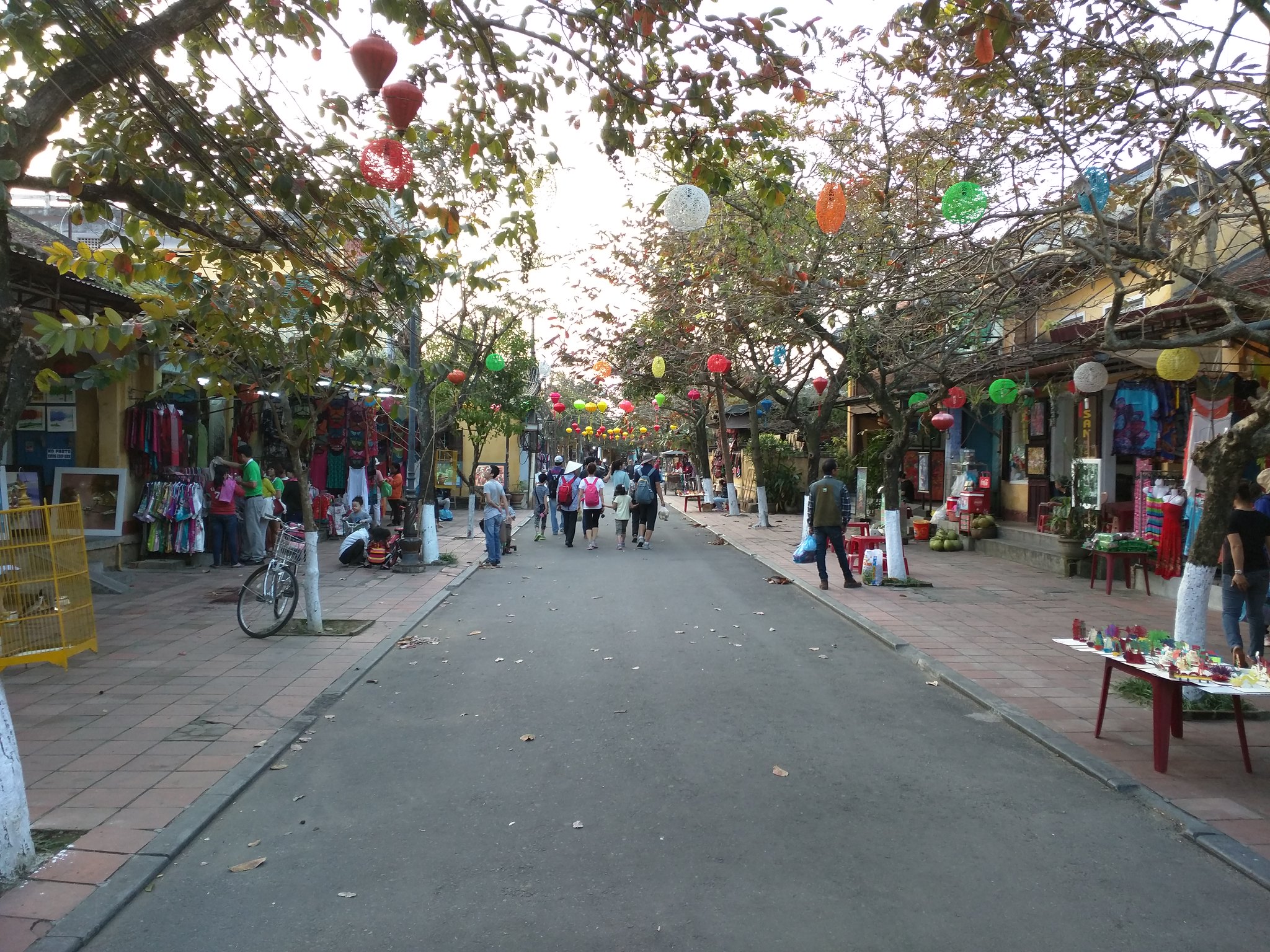
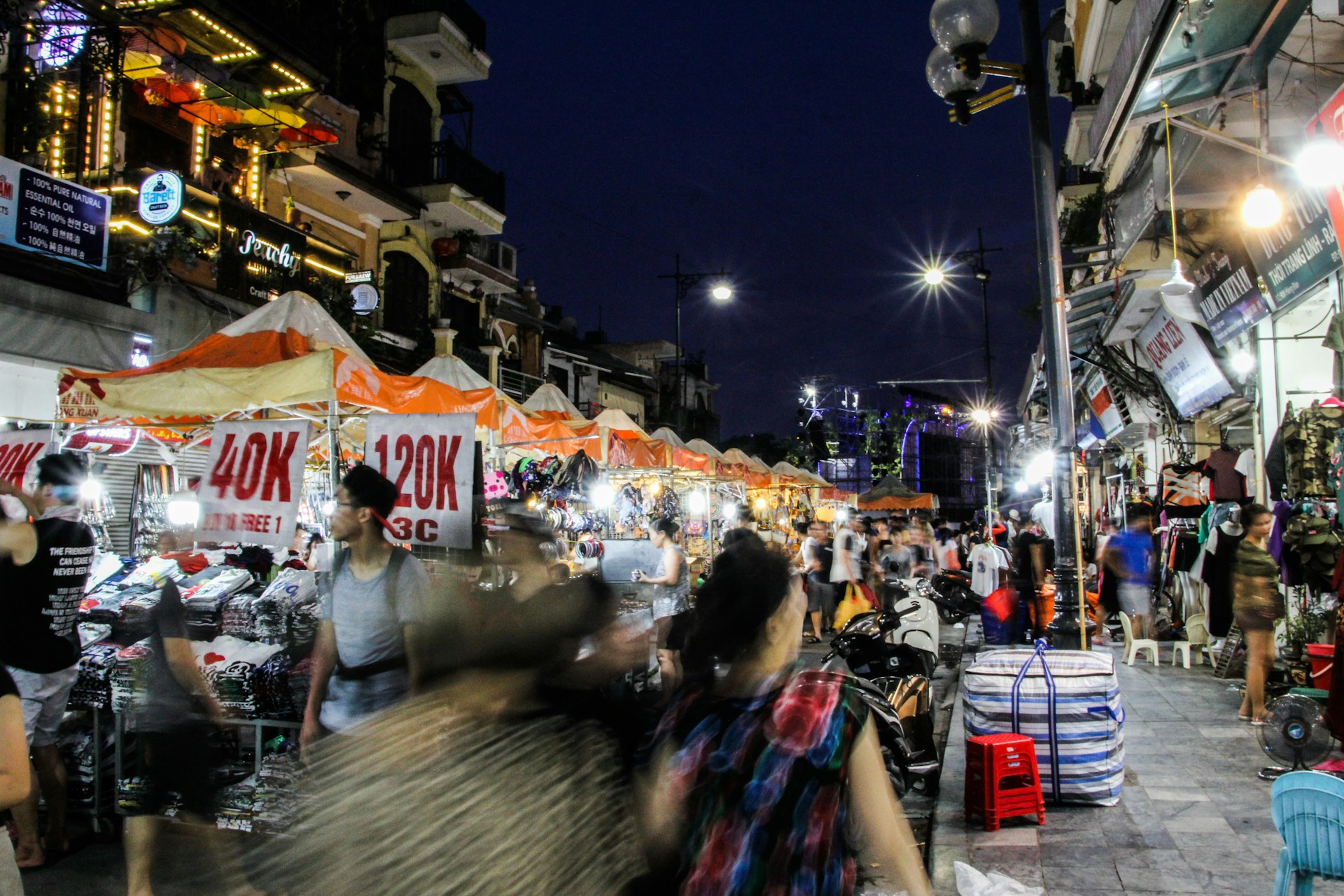
From sunrise until late at night, they transform into breakfast spots, coffee corners, and places where neighbors catch up. Someone might be serving bun cha, while a few meters away another vendor repairs shoes or pours iced coffee.
This reflects the rhythm of daily life, not poor urban planning. In Viet nam, the sidewalk is an extension of everyday life.
The Chair That Built a Sidewalk Culture
Nothing represents that everyday life better than Viet nam’s tiny plastic stools. They’re inexpensive, lightweight, stackable, and easy to move, a vendor can set up an entire dining area in minutes and clear it away just as fast when business slows or rain falls.
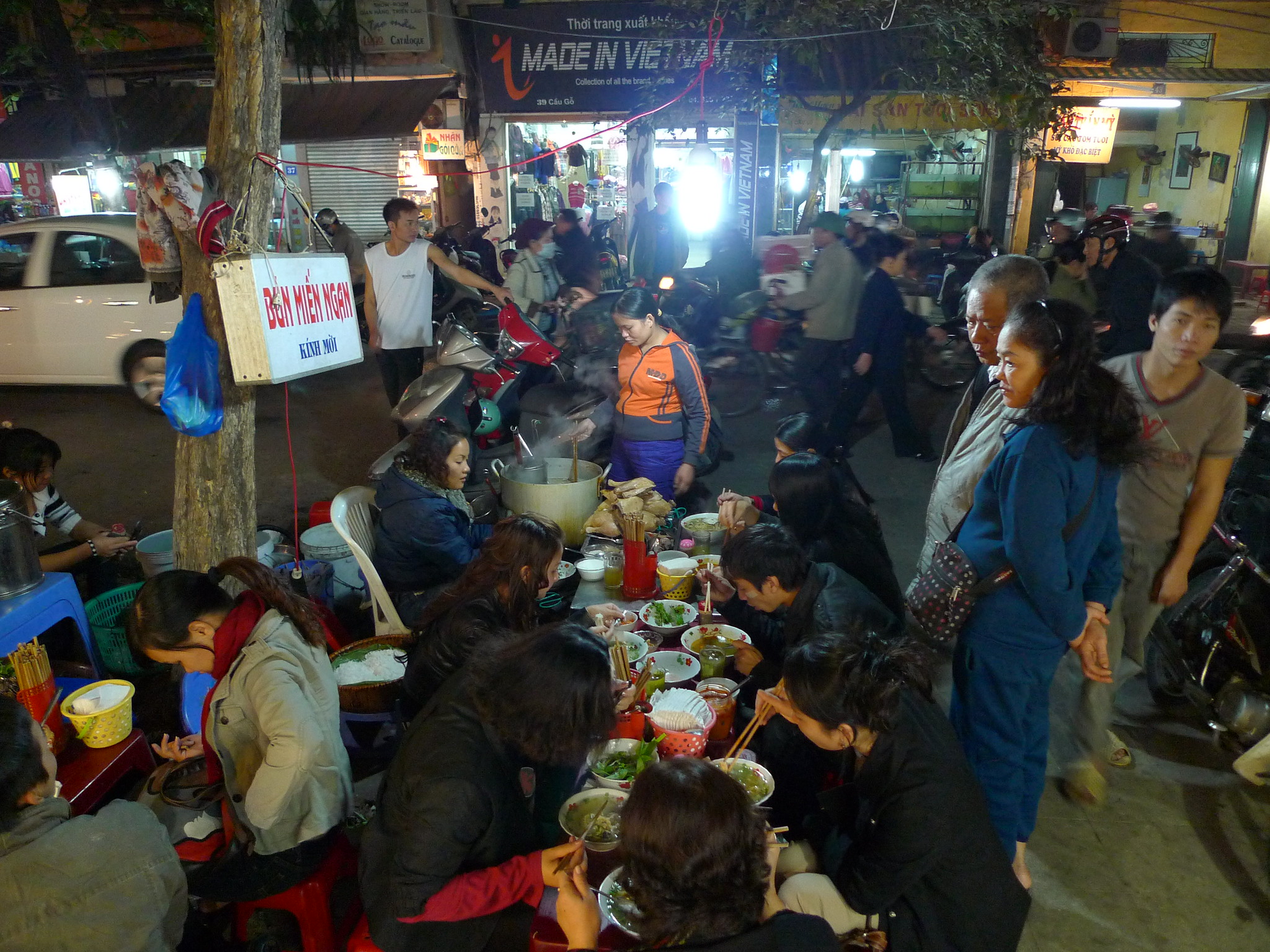
The stools also make economic sense. Viet nam counted roughly 5 million registered household businesses by 2021, up from just 333,000 in 1989, per the General Statistics Office.
About 80% run on trade and services, food stalls, coffee sellers, small shops contributing close to a quarter of GDP and employing nearly 39% of the non agricultural workforce, mostly on tight budgets where heavy furniture costs more and reduces flexibility.
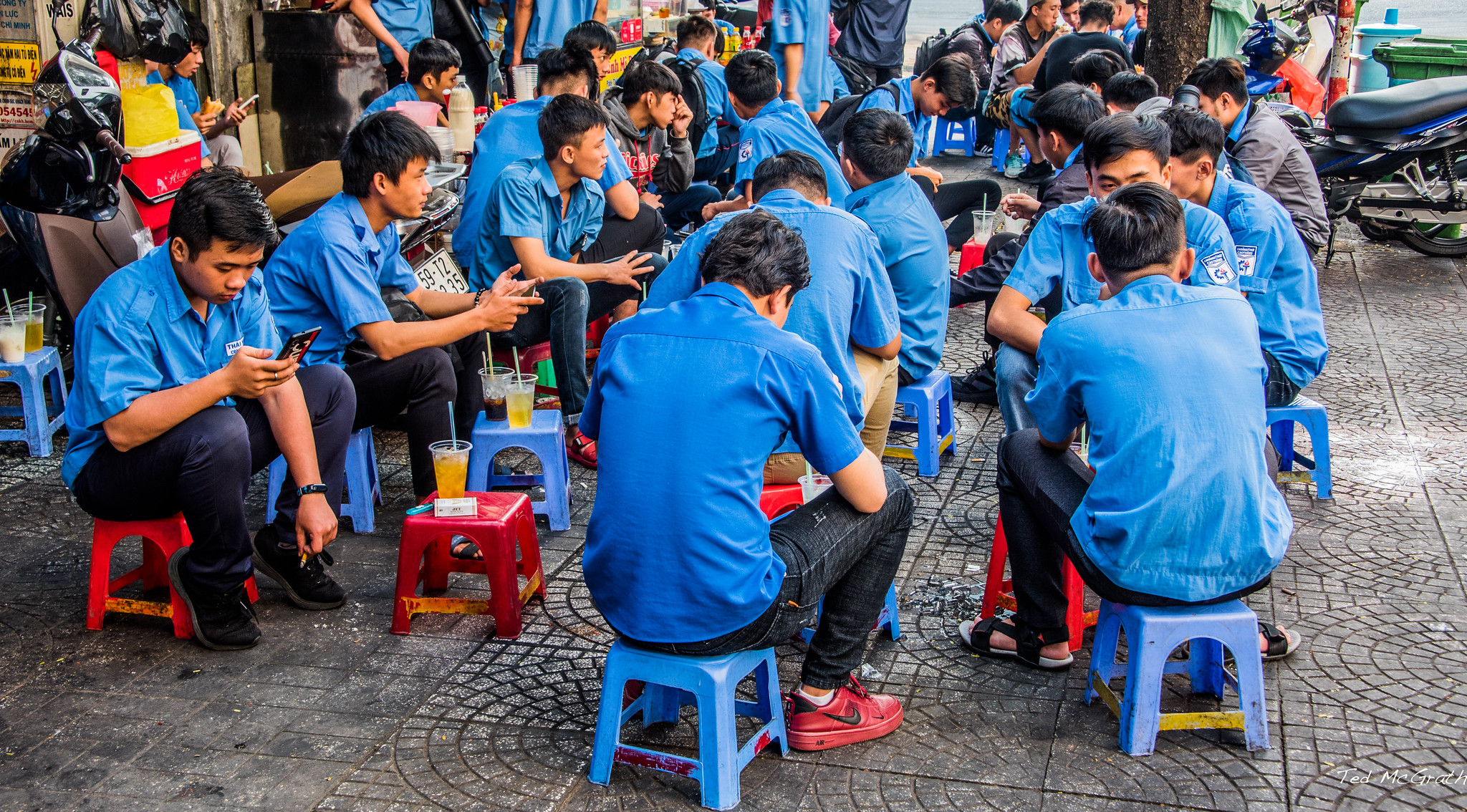
Instead, the humble plastic stool became the perfect solution and over time, one of Viet nam’s most recognizable cultural icons, now found from street stalls to modern cafes embracing nostalgic local aesthetics.
When Every Square Meter Matters
Viet nam’s sidewalk culture has evolved alongside the country’s rapid urban transformation.
According to the World Bank, around 40% of Viet nam’s population now lives in urban areas, up from roughly 30% in the early 2010s. As cities grew denser and space grew scarcer, sidewalks increasingly became multifunctional supporting both mobility and small scale commerce, often on the same few square meters.
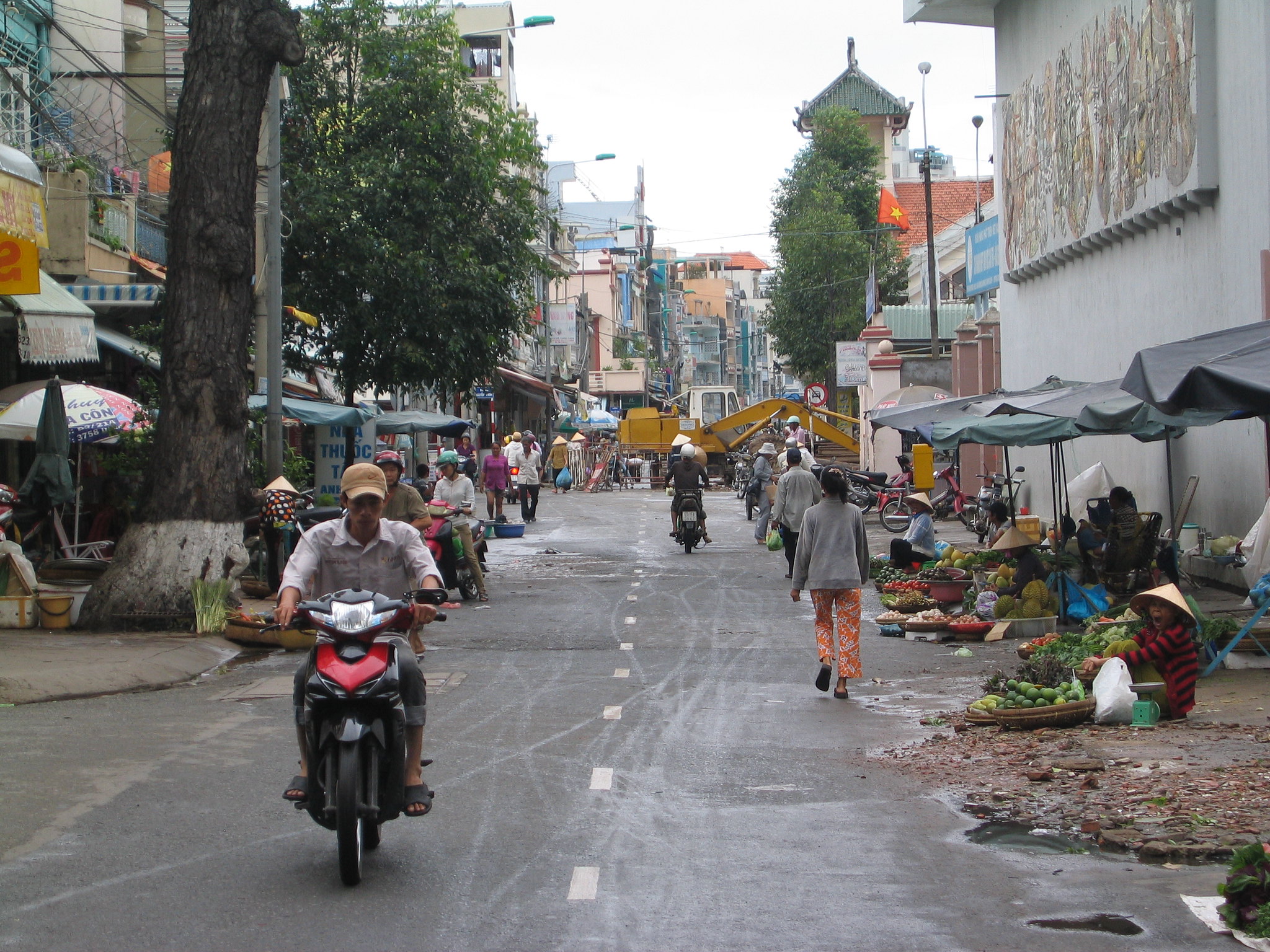
A sidewalk can function as a breakfast cafe at sunrise, a lunch spot by noon, and an evening gathering place after sunset, all without ever changing address. The plastic stool, cheap and endlessly rearrangeable, fits perfectly into that shrinking, shifting space.
Where Strangers Become Neighbors
Although often associated with pho and banh mi, the country’s sidewalks tell a bigger story than food alone.
They’re where retirees sip coffee over the morning newspaper, students meet after class, and tourists experience daily life at street level rather than behind restaurant windows.
Even as malls, high rises, and international coffee chains reshape Viet nam’s largest cities, the sidewalk culture has remained resilient. Many newer cafes still intentionally use the familiar plastic stools, not because they’re cheaper, but because they’ve become part of Viet nam’s identity.
One Stool, A Thousand Stories
To many visitors, the tiny plastic stool is simply an amusing travel memory.
For Viet nam, it tells a bigger story, a society that makes the most of limited space, where streets become shared living rooms.
The stool isn’t what makes Viet nam’s sidewalks special. It’s simply the object that best represents a culture where city life is lived together, one sidewalk at a time.