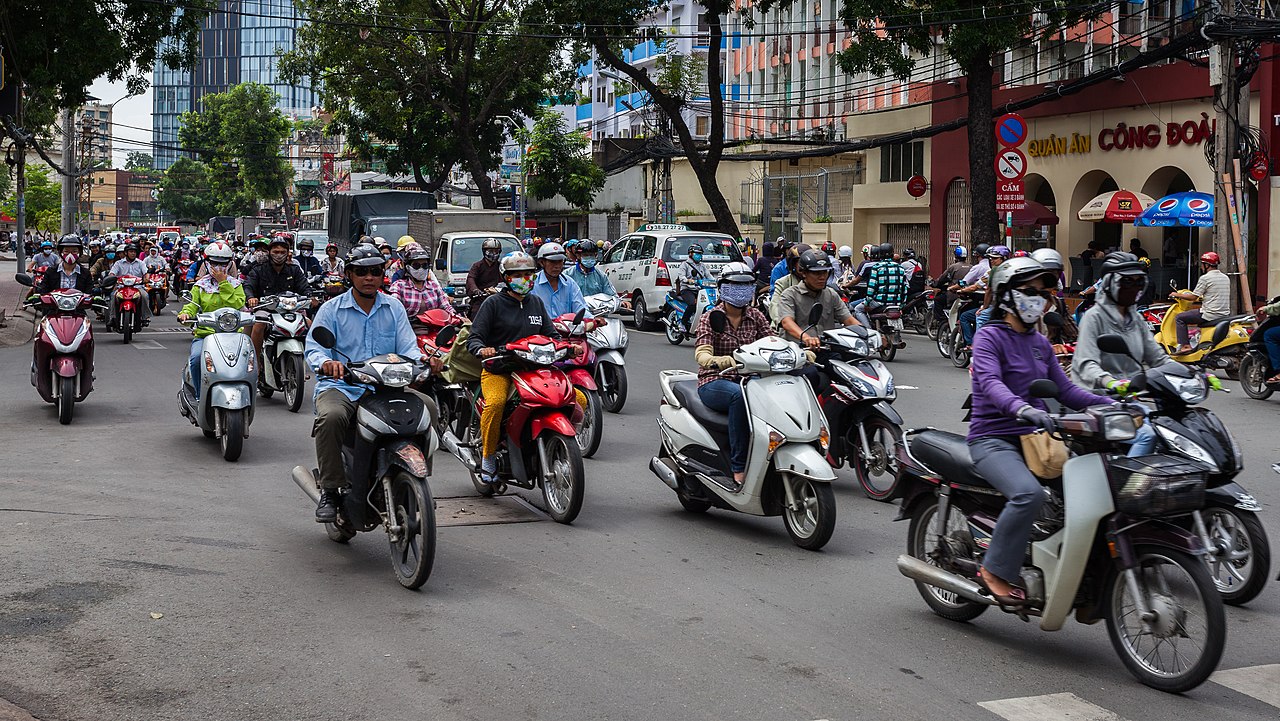
Viet nam is often called the motorcycle capital of Southeast Asia.
But its two wheeled dominance wasn't driven by culture alone. It was the outcome of economic reforms, tax policy, industrial investment, and decades of rapid development.
From Scarcity to Mobility
Following reunification in 1975, Viet nam operated under a centrally planned economy. Consumer goods were scarce, imports were tightly controlled, and private vehicle ownership was limited to only a small portion of the population.
Everything changed in 1986 with the introduction of Đổi Mới (Renovation), a reform program that shifted Viet nam toward what the government describes as a "socialist oriented market economy."
The reforms encouraged private enterprise and opened the country to foreign investment. Viet nam's first Foreign Investment Law followed in 1987, while the 1999 Enterprise Law further reduced barriers to establishing private businesses.
By the late 1990s, more than 30,000 private businesses had been created, and the economy was expanding at annual growth rates exceeding 7%.
For the first time, millions of Vietnamese households could realistically afford a personal vehicle.
Why Motorcycles Instead of Cars?
Under Viet nam's Special Consumption Tax (SCT) schedule, passenger cars with engines up to 1,500 cc are subject to a 35% SCT, rising progressively to 150% for cars with engines of 6,000 cc or more.
Even before VAT and applicable import duties are added, larger engine vehicles already face substantially higher tax burdens.
By comparison, motorcycles are treated much more lightly. Under the same tax schedule, only motorcycles with engine capacities above 125 cc are subject to SCT, and at a flat rate of 20%. Motorcycles with engines of 125 cc or below are not listed under the SCT schedule, making them considerably more affordable for ordinary households.
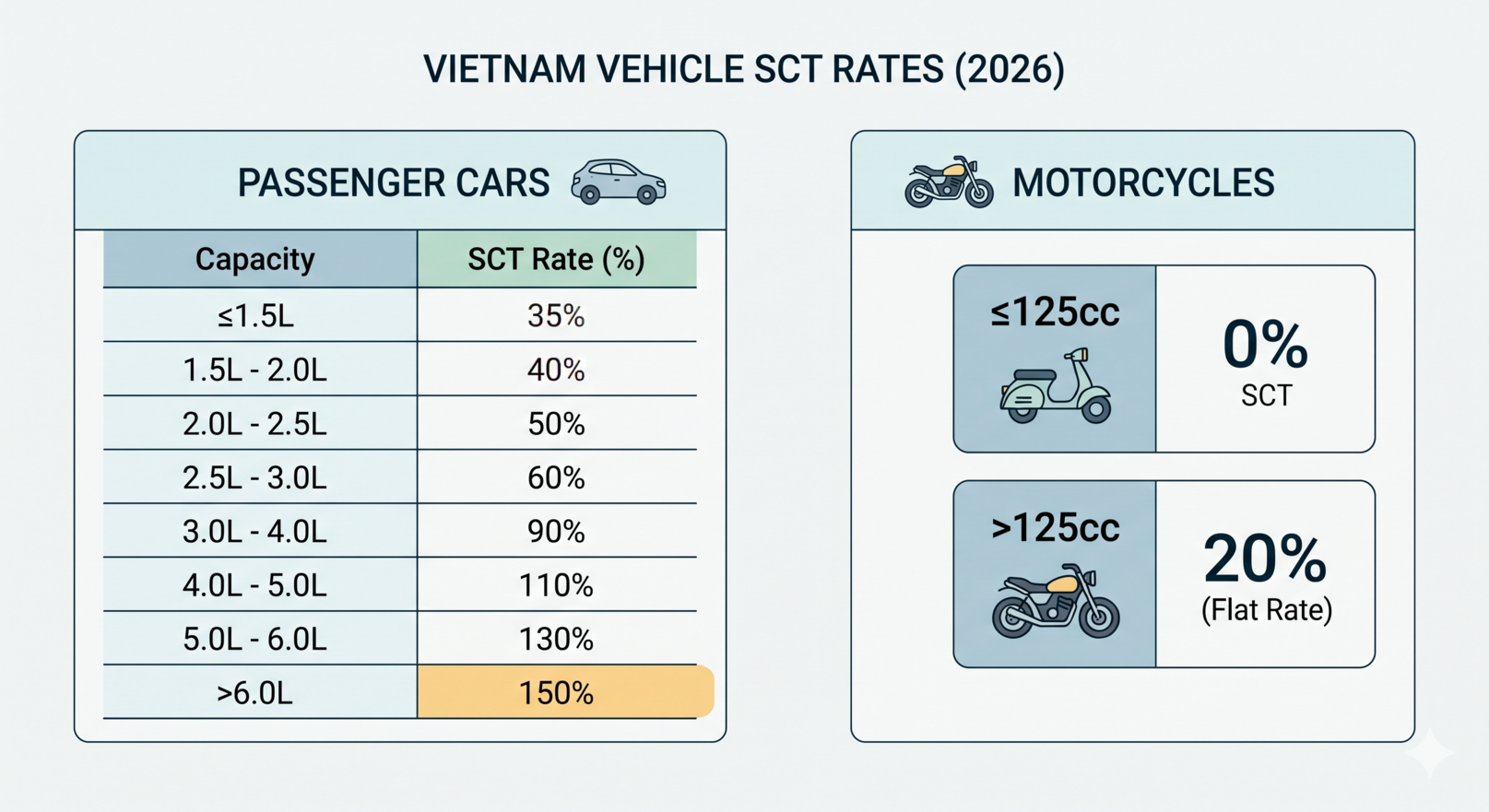
As household incomes rose after Đổi Mới, this pricing gap made motorcycles the natural first choice for millions of Vietnamese families, while car ownership remained comparatively expensive.
The Manufacturing Boom
Affordability was also driven by local production.
Rather than relying on imports, Japanese manufacturers, including Honda, Yamaha, and Suzuki established local production facilities in Viet nam.
According to Statista, most motorcycles sold in the country are now produced domestically, with Honda accounting for 80.9% of VAMM members' sales in 2024.
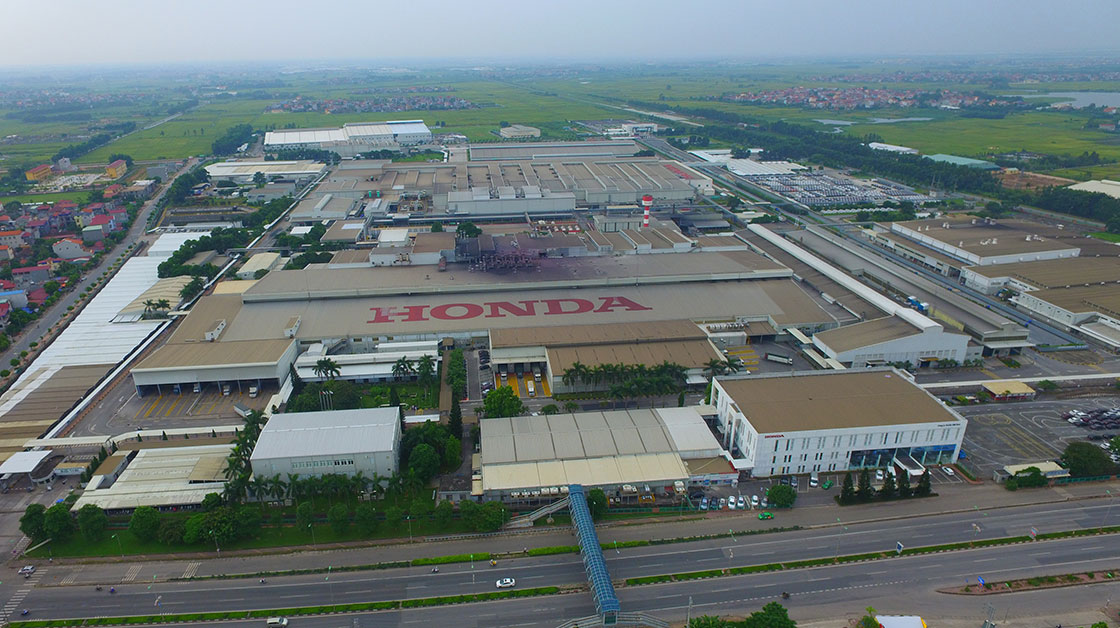
Viet nam's motorcycle industry has continued to expand. The country produced 3.11 million motorcycles in 2024, while VAMM members sold 2.65 million units during the same year.
Growth has continued into 2025, with 673,055 motorcycles sold in the first quarter alone, representing an 11.48% year-on-year (YoY) increase.
Domestic manufacturing has kept production costs low, making motorcycles increasingly affordable for ordinary households while supporting Viet nam's expanding domestic market.
More Than Just Transportation
Motorcycles quickly became productive economic assets rather than simply personal vehicles. Viet nam's rapidly expanding platform economy depends heavily on motorcycles.
According to Cimigo's 2025 Super App Usage Habits report, Vietnamese consumers use ride hailing services 3.04 times per week and food delivery services 2.83 times per week on average. Motorcycles serving as the primary mode of transport for both services.
The food delivery market itself is also highly concentrated around motorcycle based logistics.
In 2025, ShopeeFood and GrabFood together accounted for around 90% of Viet nam's online food delivery market. According to surveys by NielsenIQ and Decision Lab, both of which rely almost entirely on motorcycle couriers for last mile delivery.
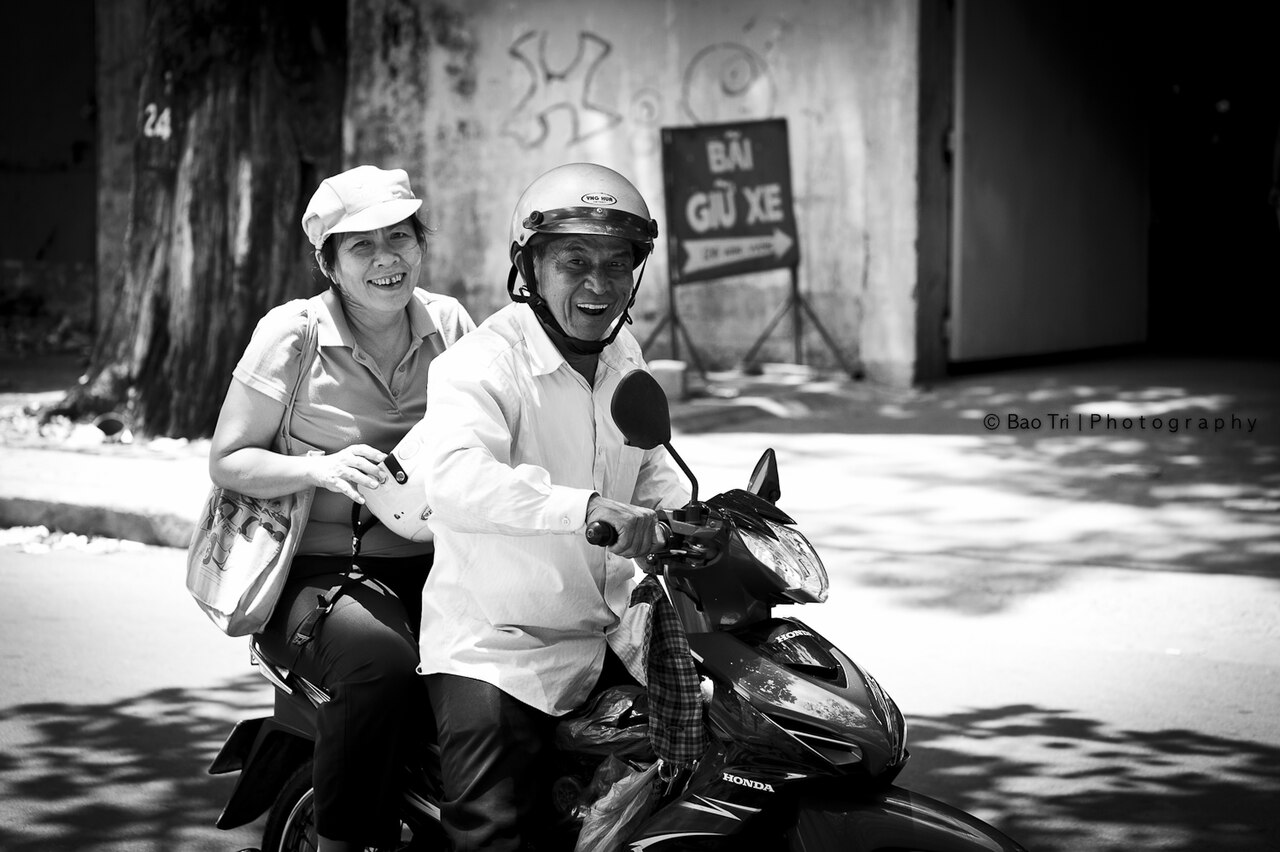
Beyond platform services, motorcycles also generate income through Viet nam's long established xe ôm (motorcycle taxi) industry.
For many households, a single motorcycle functions both as personal transportation and as an income generating asset, making it an integral part of Vietn am's informal and digital economy.
A New Transition
Viet nam is now beginning the biggest transformation of its transport system since Đổi Mới.
In July 2025, Prime Minister Pham Minh Chinh issued Directive 20/CT-TTg, banning gasoline powered motorcycles within Hanoi's Ring Road 1 from July 2026, with the restrictions gradually expanding through 2030.
The government has also set a national target of phasing out gasoline powered two wheelers by 2045, while Ho Chi Minh City and Da Nang are considering similar measures.
Viet nam's motorcycle boom was never simply about transportation. It reflected decades of economic reform, industrial growth, and rising entrepreneurship helping connect millions of people not only to destinations, but also to economic opportunity.