The Philippines has a unique traditional dish named Champorado. It comes in the form of thick chocolate sticky rice porridge served with salted fish.
Its combination creates a highly contrasting flavor pairing. Champorado is very popular among the local Filipino community. They consume the warm dish as a main energy filler at breakfast.
Balance of Sweet and Savory Flavors
The main ingredients for making Champorado are classified as very simple. The cooking process uses high-quality white sticky rice known as malagkit. The sticky rice is boiled slowly with local pure chocolate bars named tableya.
Local cocoa beans are fermented and roasted traditionally. Such traditional processing produces a solid paste forming chocolate bars. The chocolate bars provide a strong natural bitter taste.
The rustic chocolate bars do not dissolve completely into the liquid. Tiny bits of ground cocoa nibs remain scattered throughout the mixture. This specific element gives the porridge a rich and authentic texture.
To add the sweet taste, condensed milk is poured on top of the porridge surface. The pour of condensed milk creates a soft contrast of savory milk flavor.
The porridge texture becomes softer after being mixed evenly with the milk. A legitimate sweet sensation of chocolate envelops the entire part of the white sticky rice.
The uniqueness of the dish appears from the side dish placed on top of the bowl. Local people pair the chocolate porridge with dried salted fish named tuyo. The small fish is fried until it produces a very crispy texture.

The savory taste of the salted fish cuts through the thick sweetness of the sticky rice porridge. The meat of the dried fish provides a crunchy texture surprise in every bite. This combination of salty and sweet tastes actually produces a unique flavor harmony.
Historical Modification from Mexican Champurrado
Champorado is actually not originally native to the Philippines. The roots of the dish come from a Mexican chocolate drink named champurrado. The traditional Mexican drink is usually consumed together with churros.
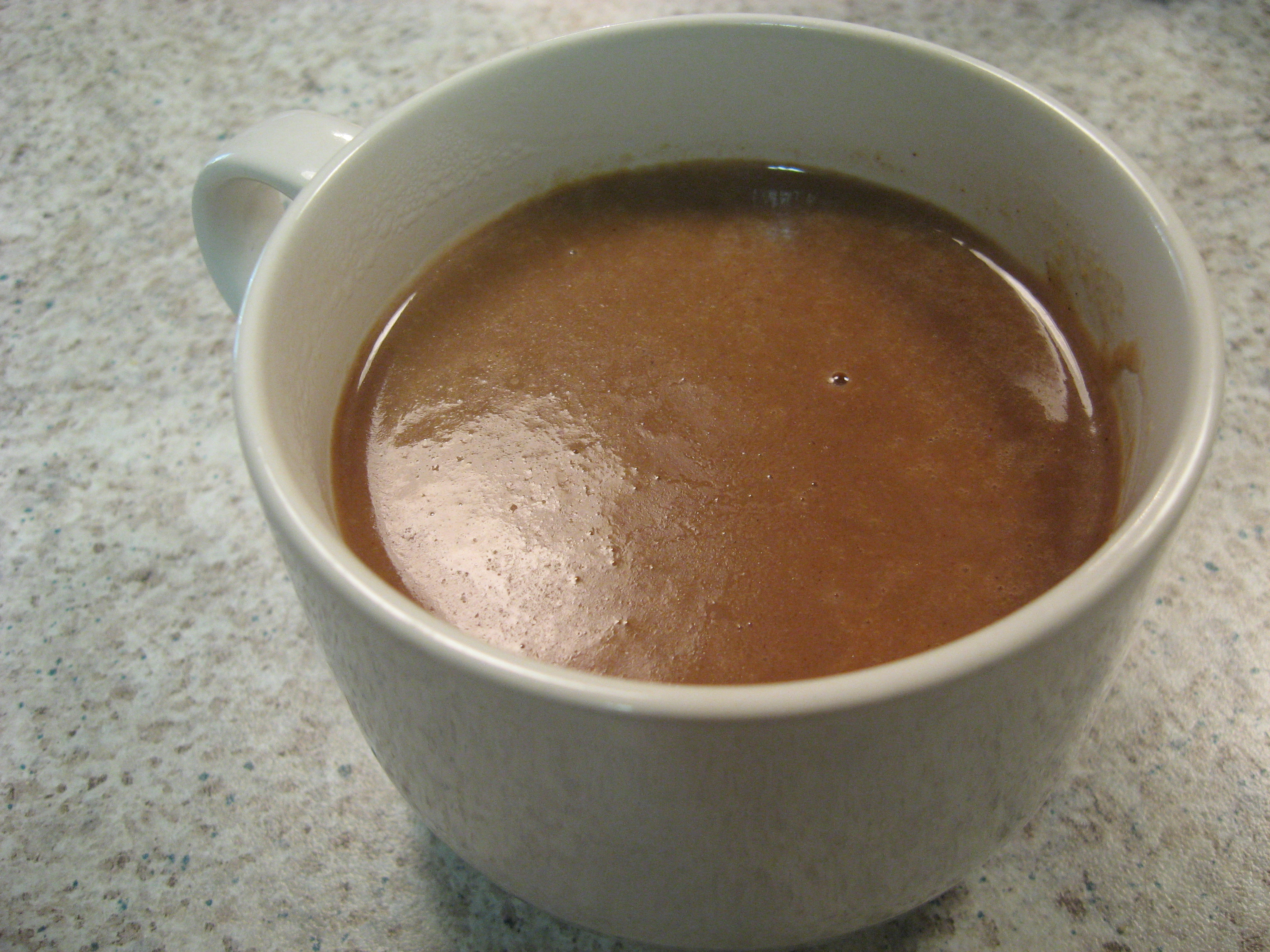
The recipe arrived in the Philippines through the Galleon Trade between Manila and Acapulco in the 17th century.
Filipino people then modified the imported drink recipe. They replaced the original Mexican corn flour ingredient with local white sticky rice.
The choice of sticky rice was driven by local agricultural abundance. The locals noted that corn flour was difficult to obtain in large quantities. They naturally turned to their favorite native staple to replicate the thickness.
The sticky rice absorbs the chocolate liquid perfectly during the boiling process. This brilliant culinary adaptation turned a morning drink into a filling porridge. The local community then named this new modified version Champorado.
Alternative Pairings with Pandesal Bread
Champorado is very versatile to be enjoyed as a hearty meal. People frequently enjoy this warm chocolate food alongside a traditional Filipino bread named Pandesal. The local bread has a slightly sweet taste and a soft texture.
The bread is dipped directly into the thick chocolate porridge before every bite. This pairing provides a more subtle savory balance for the breakfast palate. Many morning family tables serve this bread and porridge combination as a favorite menu.
The essence of its deliciousness still relies on the sprinkling of salted fish on top of the sticky rice porridge.