Some cities are recognized by their skylines. Others are remembered for the roar of tens of thousands of football fans.
Across Southeast Asia, massive stadiums have become more than just sporting venues. They've hosted World Cup qualifiers, continental tournaments, opening ceremonies, political gatherings, and concerts by some of the world's biggest artists.
Here are the five largest football stadiums in Southeast Asia, ranked by their current seating capacity.
1. Bukit Jalil National Stadium, Malaysia
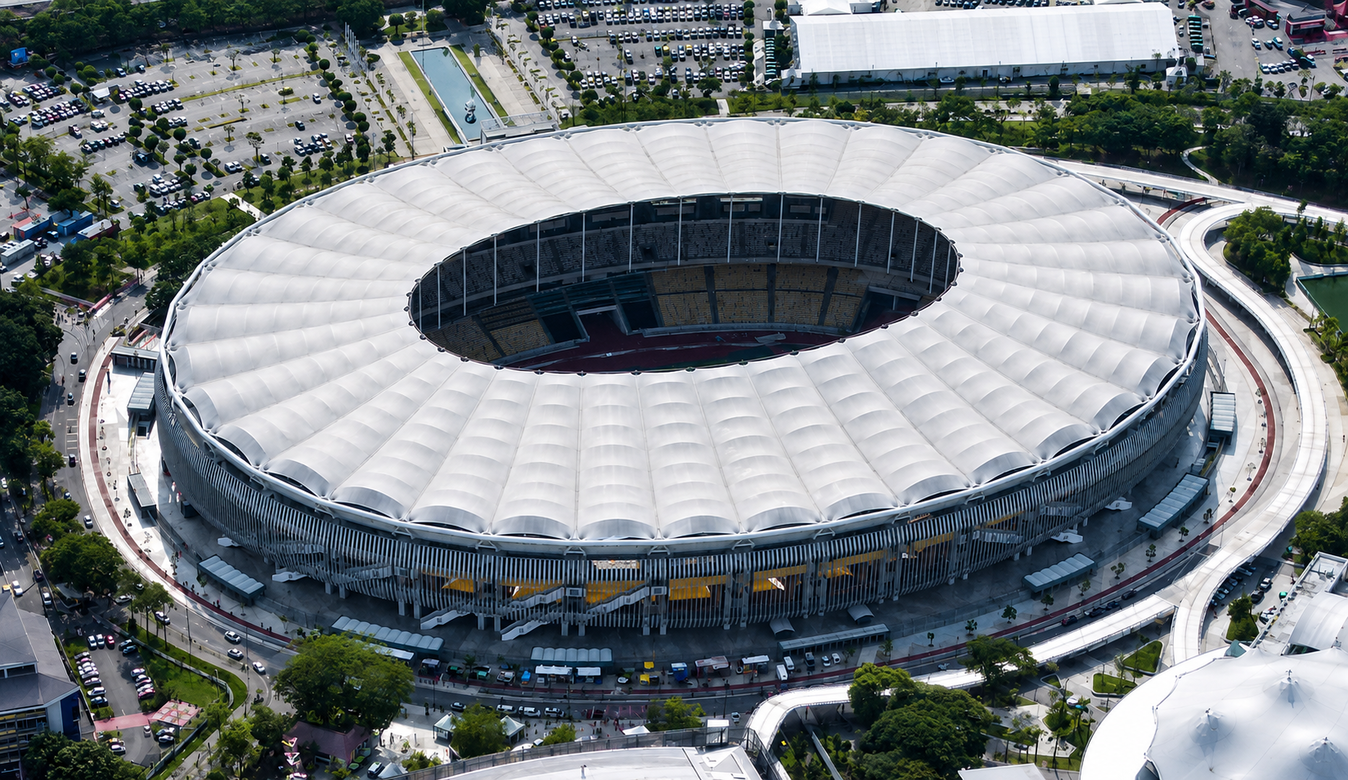
Capacity: 87,411 | Opened: 1998
Built for the 1998 Commonwealth Games, the first edition ever held in Asia.
The stadium has since become the home of Malaysia's national football team and one of the region's premier venues for international sporting events.
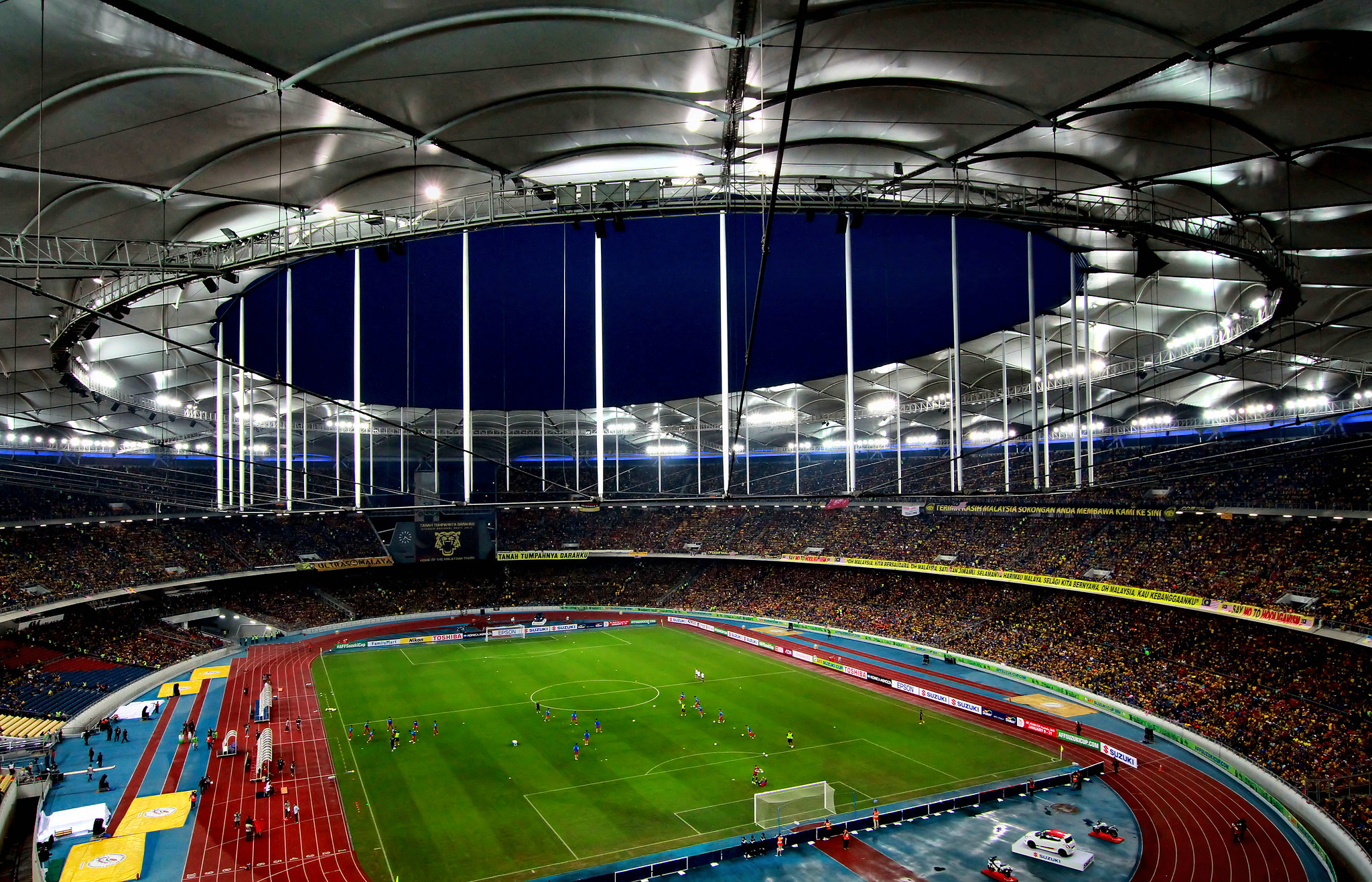
Today, it regularly hosts FIFA World Cup qualifiers, AFC competitions, AFF Championship matches, and blockbuster concerts featuring artists such as Coldplay, Ed Sheeran, Bruno Mars, and BLACKPINK.
Fun fact: With a capacity of 87,411, Bukit Jalil is larger than many of Europe's most famous football stadiums, including Old Trafford (74,310) and San Siro (75,817).
2. Jakarta International Stadium (Indonesia)
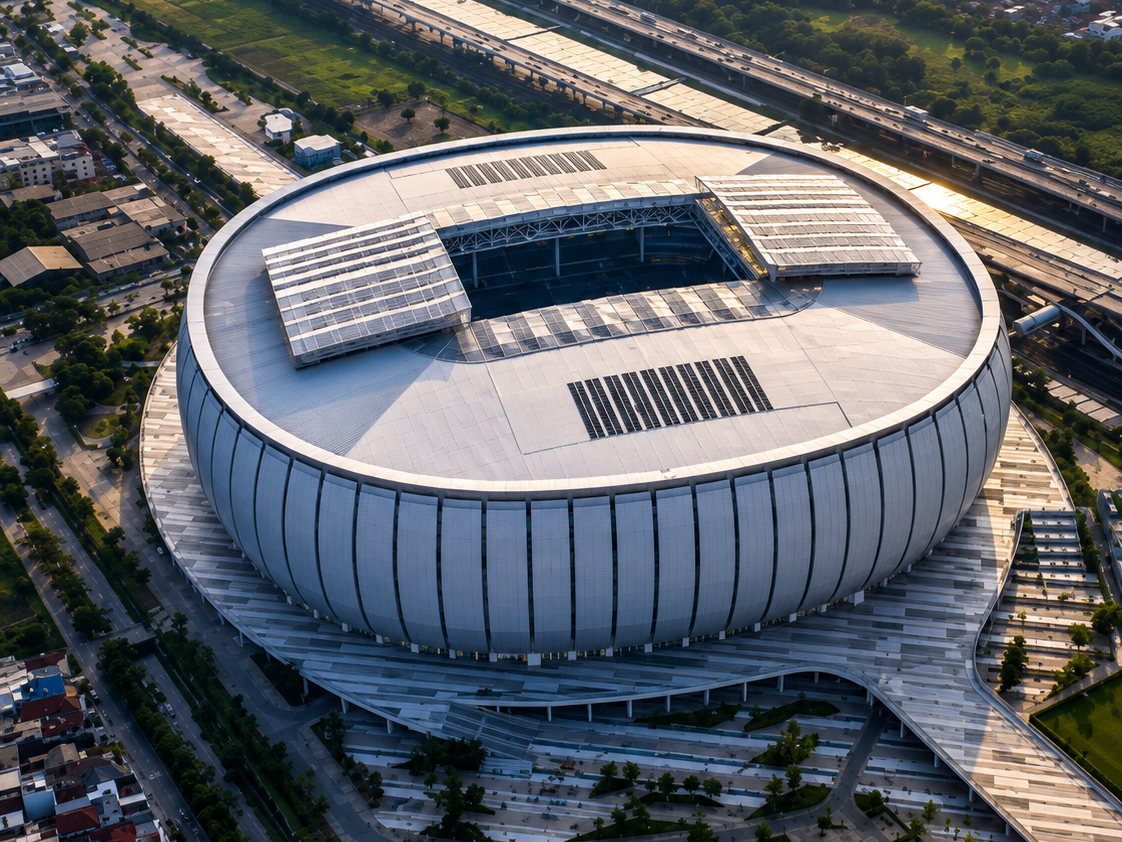
Capacity: 82,000 | Opened: 2022
Designed primarily for football, Jakarta International Stadium (JIS) features a retractable roof, a hybrid grass pitch, and FIFA standard facilities capable of hosting world class matches and large scale entertainment events.
Beyond football, JIS has quickly become one of Jakarta's most recognizable modern landmarks.
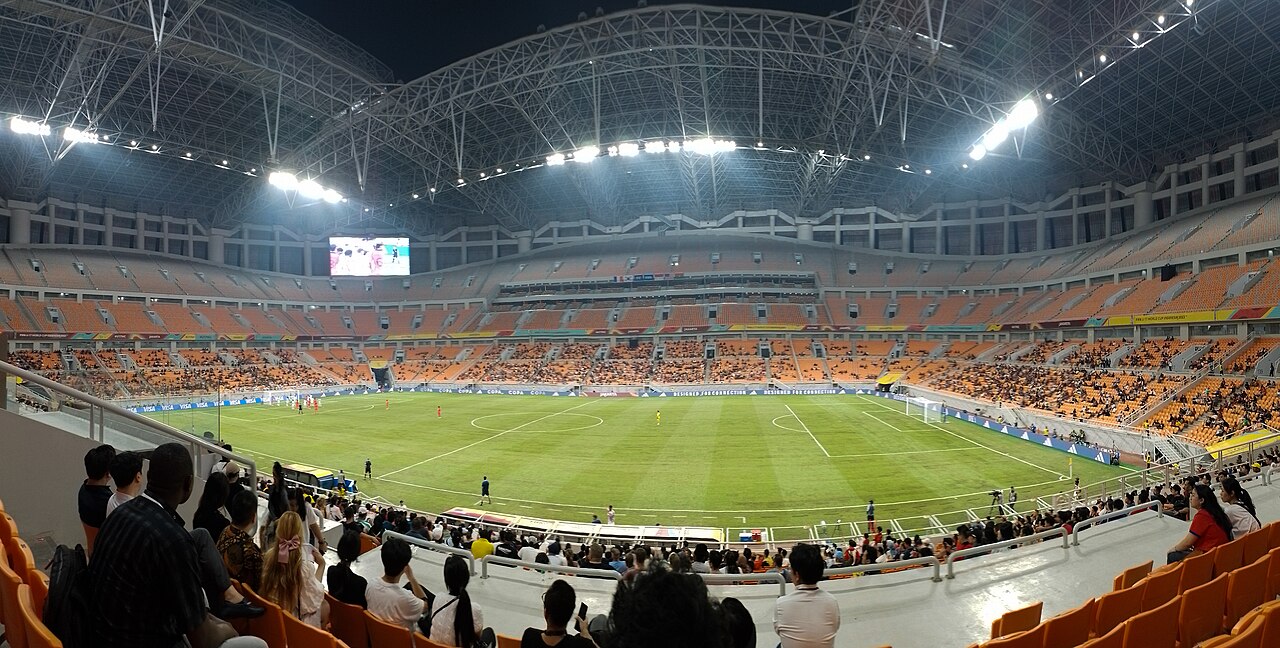
Fun fact: JIS is among the few football stadiums in Asia equipped with a fully retractable roof, allowing events to continue regardless of weather conditions.
3. Gelora Bung Karno Stadium (Indonesia)
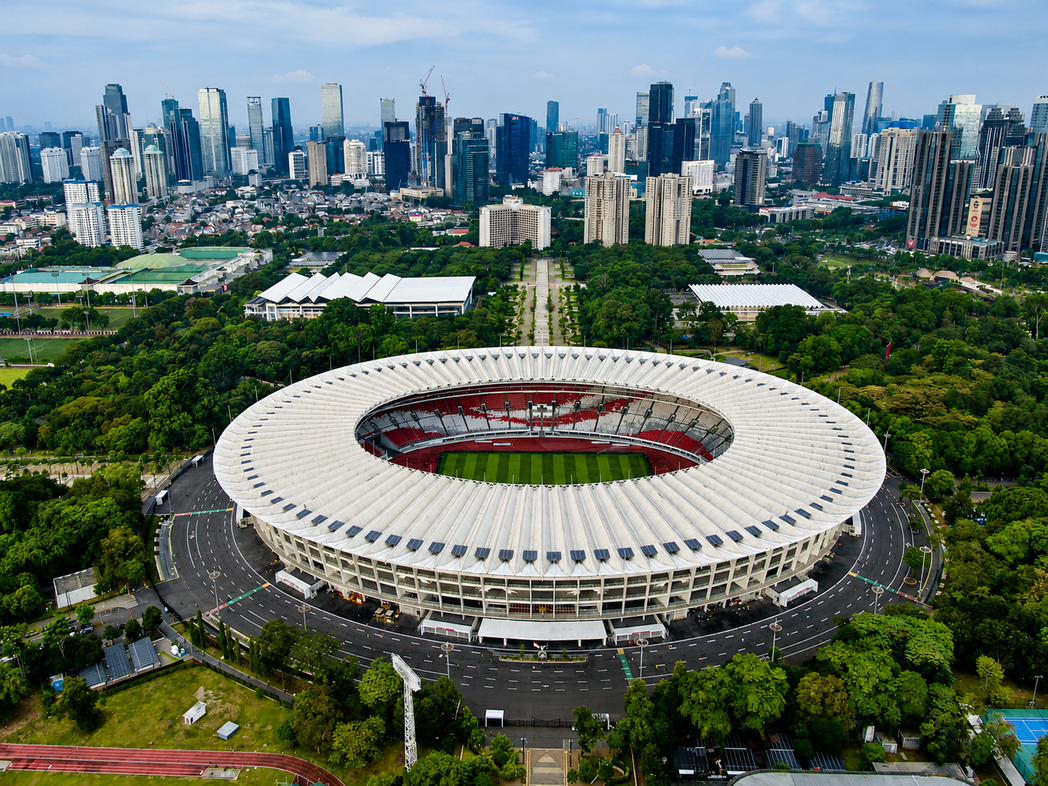
Capacity: 77,193 | Opened: 1962
Long before JIS opened, Gelora Bung Karno (GBK) had already earned legendary status.
Constructed for the 1962 Asian Games with assistance from the former Soviet Union, GBK has hosted everything from Asian Games and AFC tournaments to FIFA World Cup qualifiers and some of Indonesia's biggest football matches.
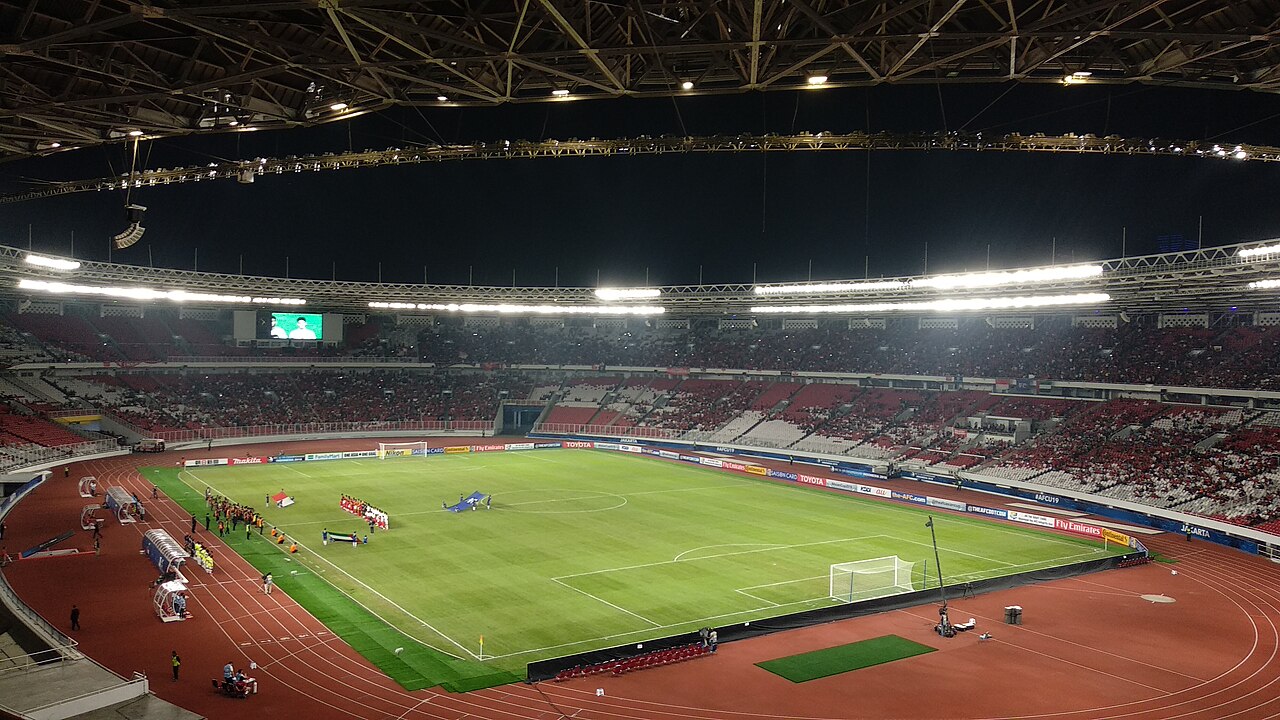
Its comprehensive renovation ahead of the 2018 Asian Games transformed it into a modern all-seater stadium while preserving its historic identity.
Fun fact: When inaugurated in 1962, GBK could accommodate around 110,000 spectators, making it one of the world's largest stadiums at the time before later renovations reduced its capacity to improve safety and comfort.
4. Morodok Techo National Stadium (Cambodia)
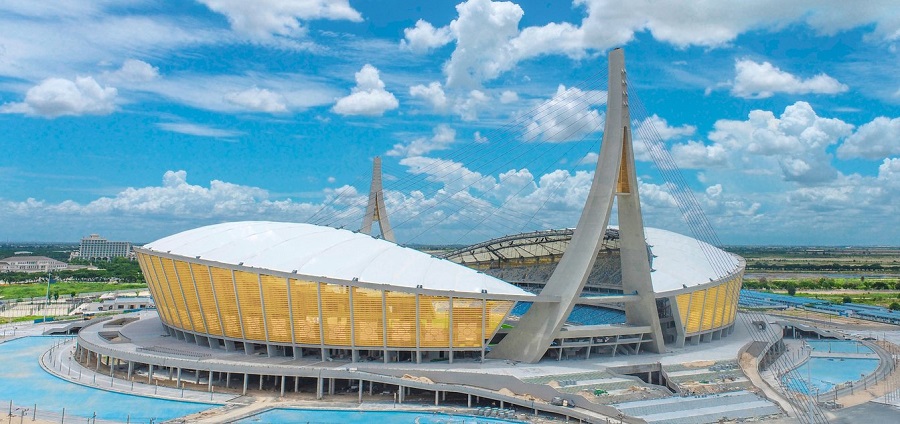
Capacity: 60,000 | Opened: 2021
Cambodia's largest stadium represents one of the country's most ambitious sporting infrastructure projects.
Built as the centerpiece of the 2023 Southeast Asian Games, its architecture was inspired by the shape of a traditional Khmer sailing boat, reflecting Cambodia's maritime heritage.
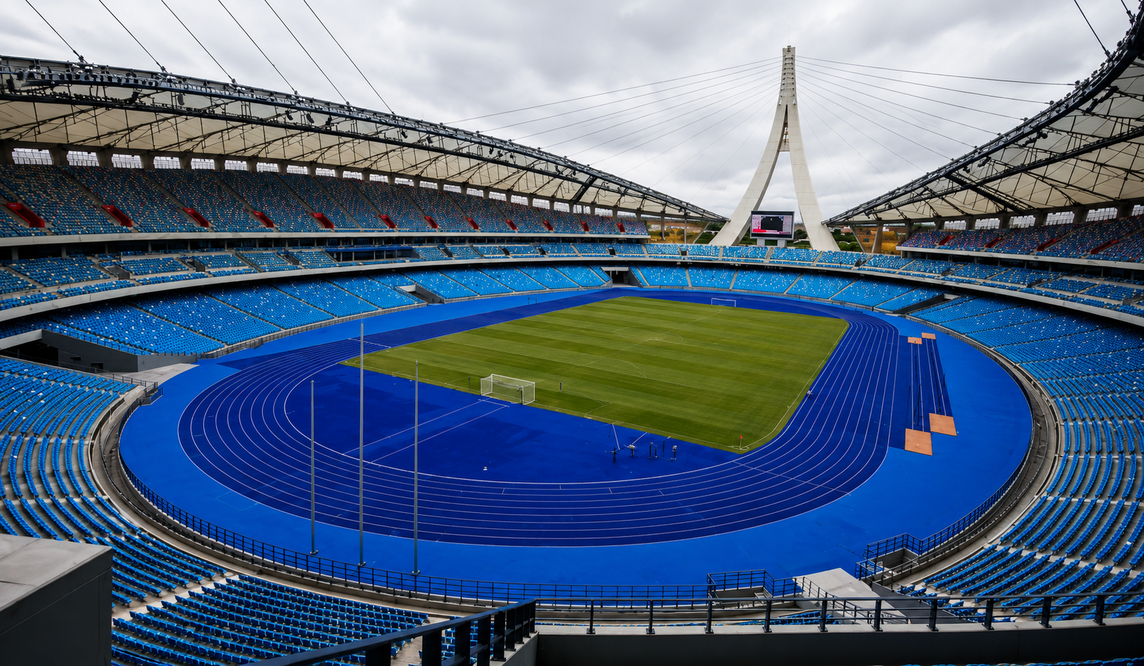
The stadium has become a new national symbol while helping position Cambodia as a host for major international sporting events.
Fun fact: The project was funded through Chinese assistance worth approximately US$160 million, making it one of Cambodia's largest international infrastructure cooperation projects.
5. Singapore National Stadium (Singapore)
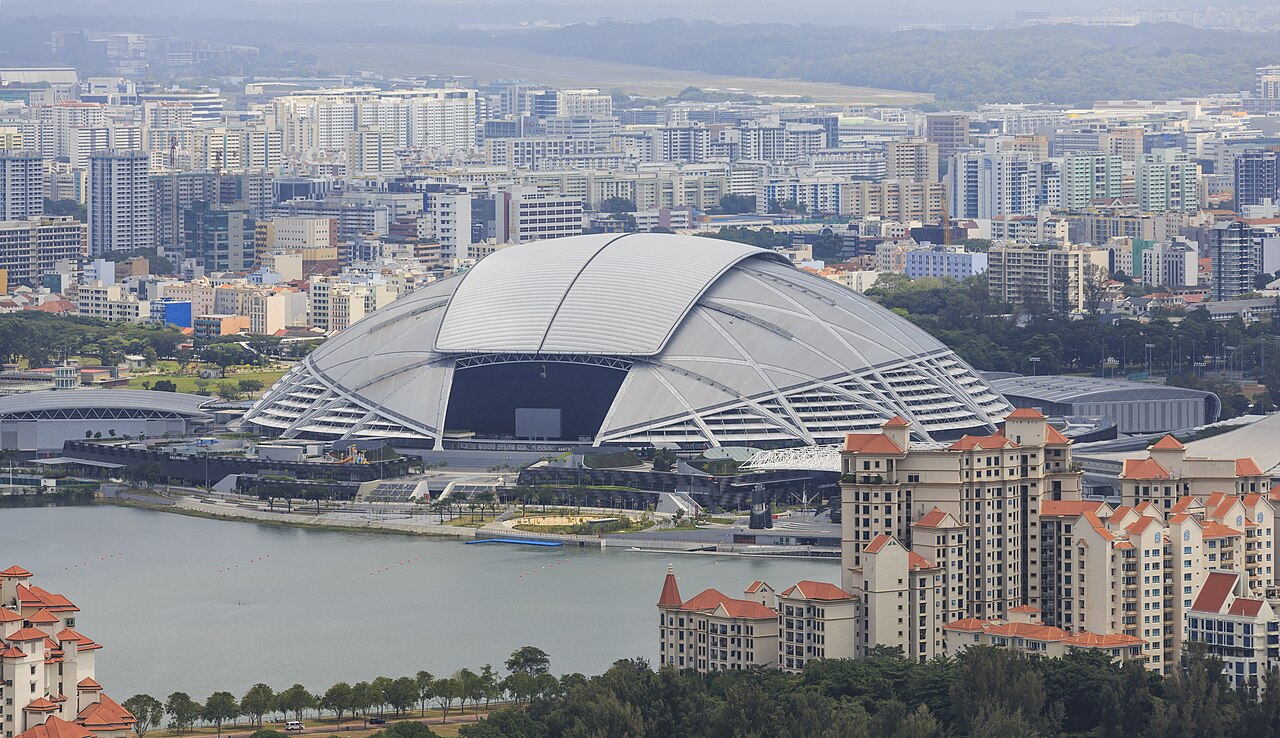
Capacity: 55,000 | Opened: 2014
As the centerpiece of the Singapore Sports Hub, the National Stadium combines football, athletics, rugby, concerts, and community events within one venue.
Its retractable roof and energy efficient cooling system were specifically designed to suit Singapore's tropical climate, allowing events to continue comfortably throughout the year.
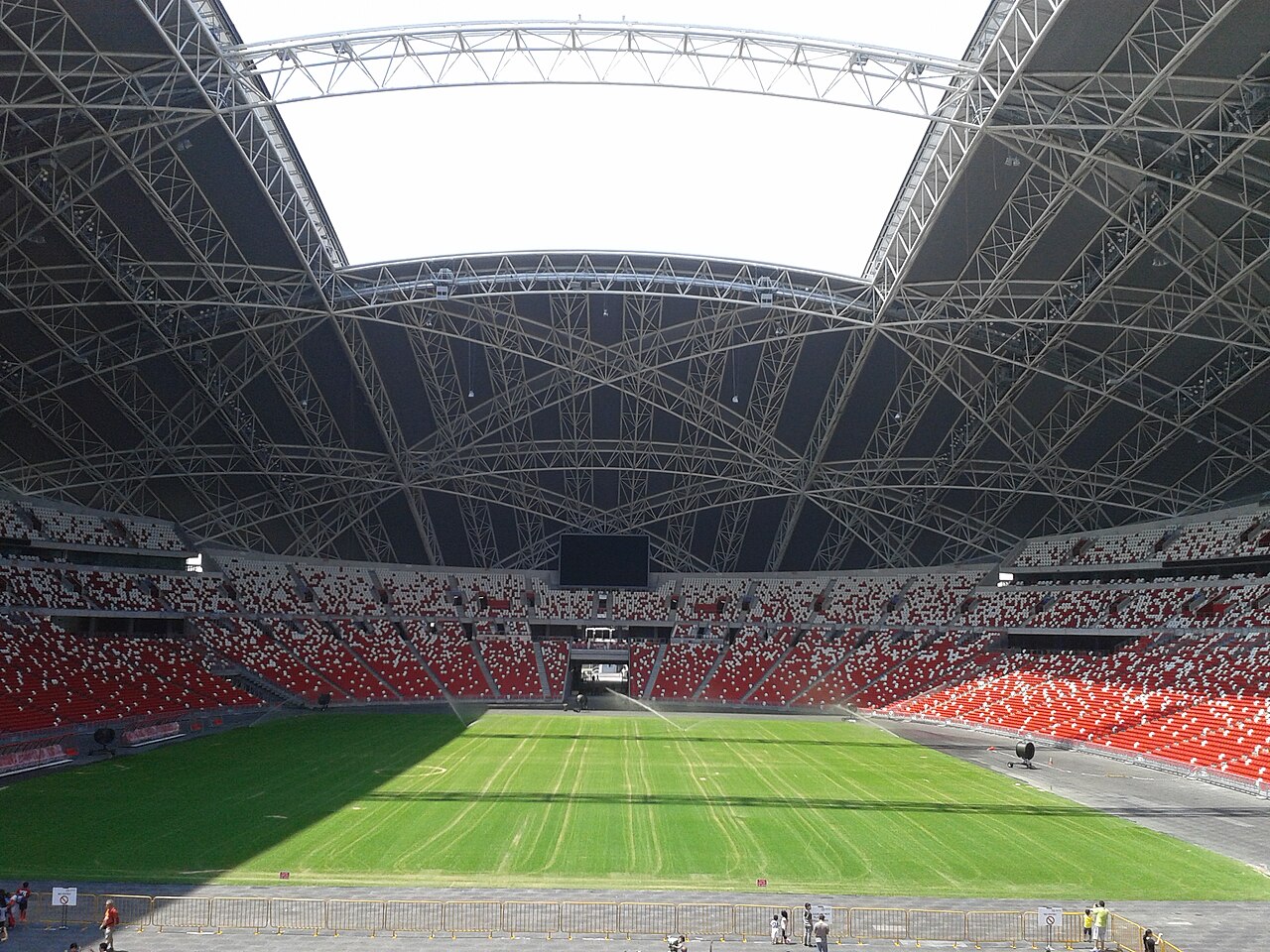
Fun fact: The stadium's 310 meter free span dome was the largest dome of its kind in the world when it opened in 2014.
More Than Just Places to Watch Football
Together, Southeast Asia's five largest football stadiums can accommodate more than 361,000 spectators roughly equivalent to the population of a medium sized city.
Interestingly, Indonesia is the only Southeast Asian country with two stadiums in the region's top five, while Malaysia continues to hold the crown with Bukit Jalil, the largest football stadium in Southeast Asia.
These venues are more than concrete and steel. They are symbols of national ambition, stages for historic sporting moments, and gathering places where tens of thousands of supporters come together to cheer for the same flag.