When people think of ballistic missiles, countries like Russia, Iran, North Korea, or China usually come to mind. Southeast Asia rarely enters the conversation.
Yet the region has its own small club of ballistic missile operators and membership is far more exclusive than many realize.
What Exactly is a Ballistic Missile?
A ballistic missile is a type of missile that follows a ballistic trajectory after launch.
Instead of flying continuously toward its target like an aircraft, it is propelled upward by a rocket motor before coasting through the upper atmosphere and descending under the force of gravity.
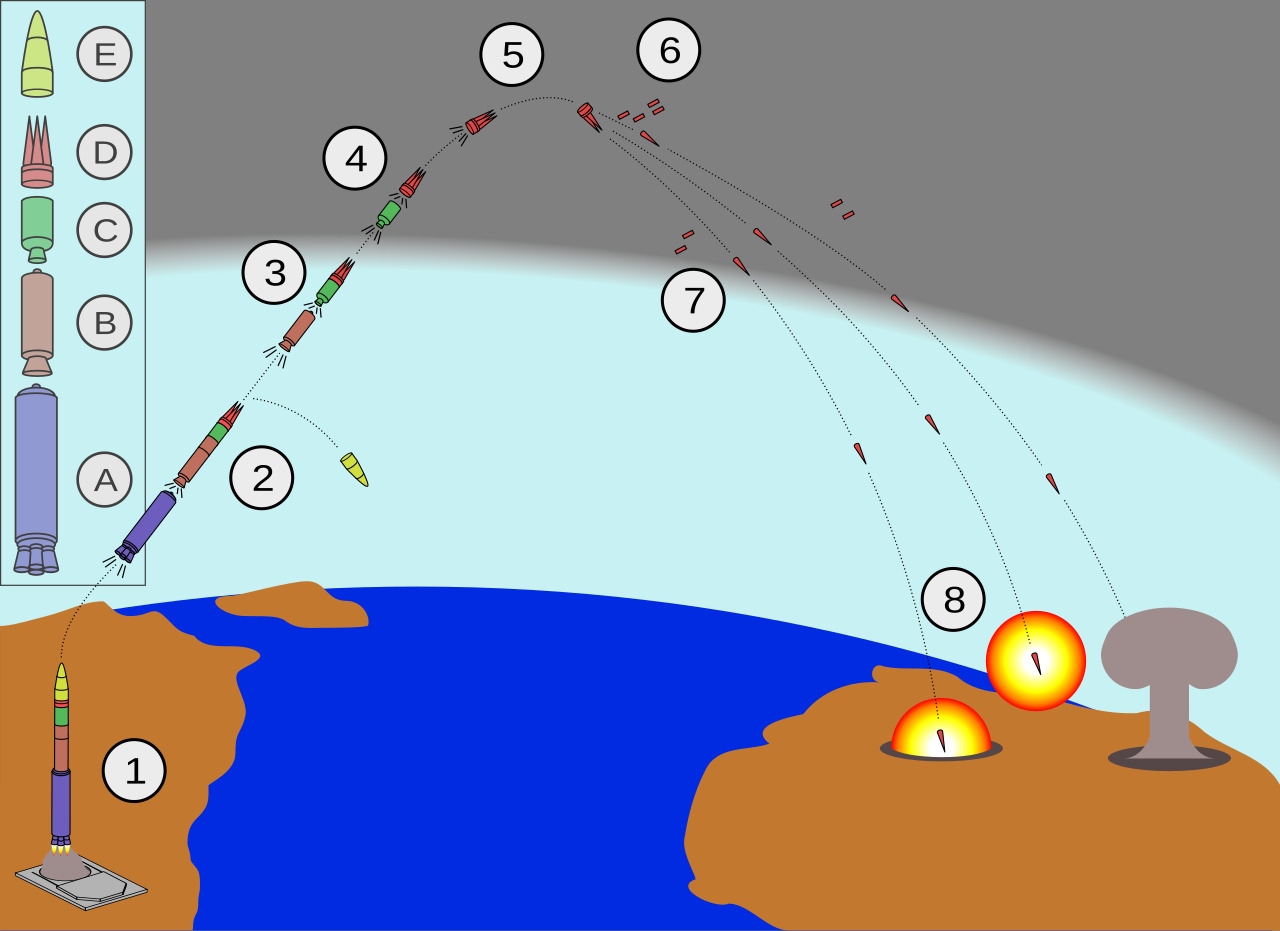
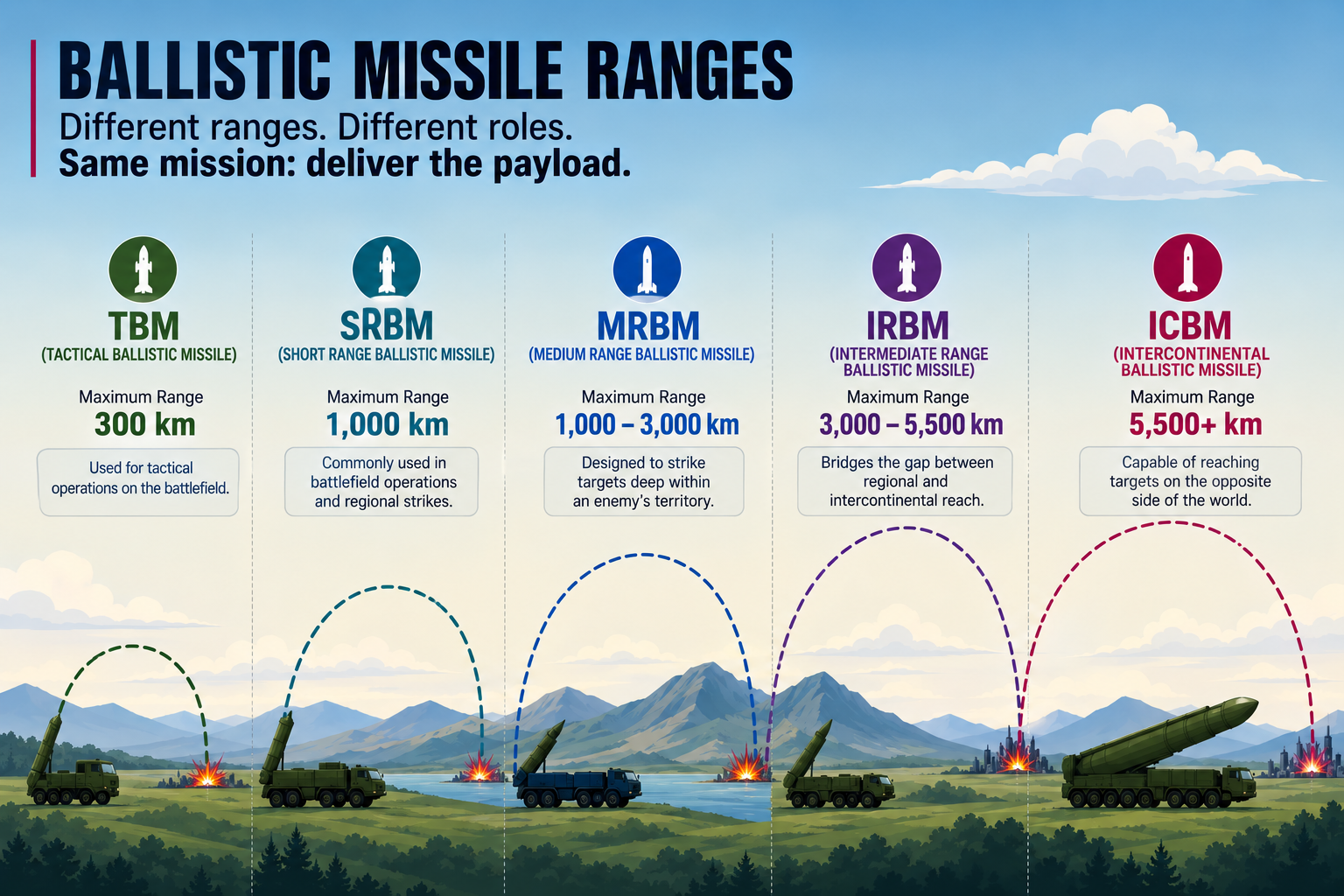
This flight profile is what distinguishes ballistic missiles from cruise missiles. A cruise missile remains within the atmosphere throughout its journey, using wings and an engine to fly horizontally toward its target.
Ballistic missiles, on the other hand, climb to much higher altitudes before diving toward their targets at extremely high speeds, making them considerably more difficult to intercept.
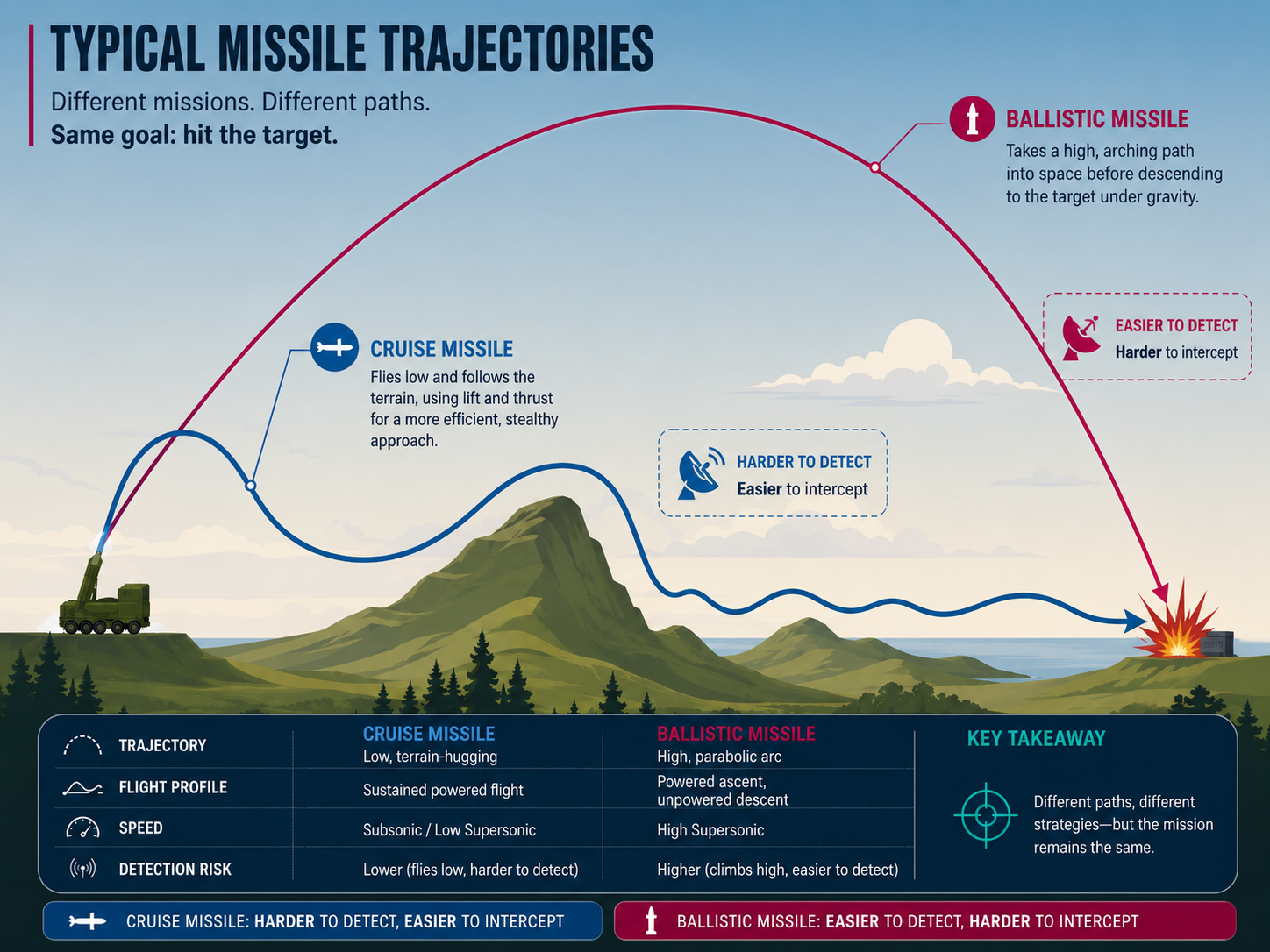
Ballistic missiles are also classified by their range.
Short Range Ballistic Missiles (SRBMs) can strike targets up to 1,000 kilometers away and are commonly used in battlefield operations.
Beyond that are Medium Range Ballistic Missiles (MRBMs), Intermediate Range Ballistic Missiles (IRBMs), and finally Intercontinental Ballistic Missiles (ICBMs), which can travel more than 5,500 kilometers.
The missiles operated by Southeast Asia's three publicly known ballistic missile operators all fall into the short range category, making them tactical weapons intended to destroy high value military targets such as air bases, command centers, logistics hubs, and ammunition depots rather than strategic, continent spanning weapons.
A Club of Three
Compared with cruise missiles or long range rocket artillery, tactical ballistic missiles remain relatively uncommon in Southeast Asia.
Operating them requires far more than simply purchasing the missiles themselves. They depend on specialized launch vehicles, dedicated logistics, sophisticated fire control systems, and extensive crew training, making them one of the region's least common conventional strike capabilities.
According to the International Institute for Strategic Studies (IISS), the Center for Strategic and International Studies (CSIS), and the Nuclear Threat Initiative (NTI), only Viet Nam, Myanmar, and Indonesia are publicly known to operate tactical ballistic missiles in Southeast Asia.
Viet Nam is believed to still operate Soviet era Scud-B and Scud-C missiles acquired during the Cold War. Hanoi rarely discloses details of its missile inventory, but the IISS Military Balance continues to list Scud-series ballistic missiles in Viet Nam's arsenal.
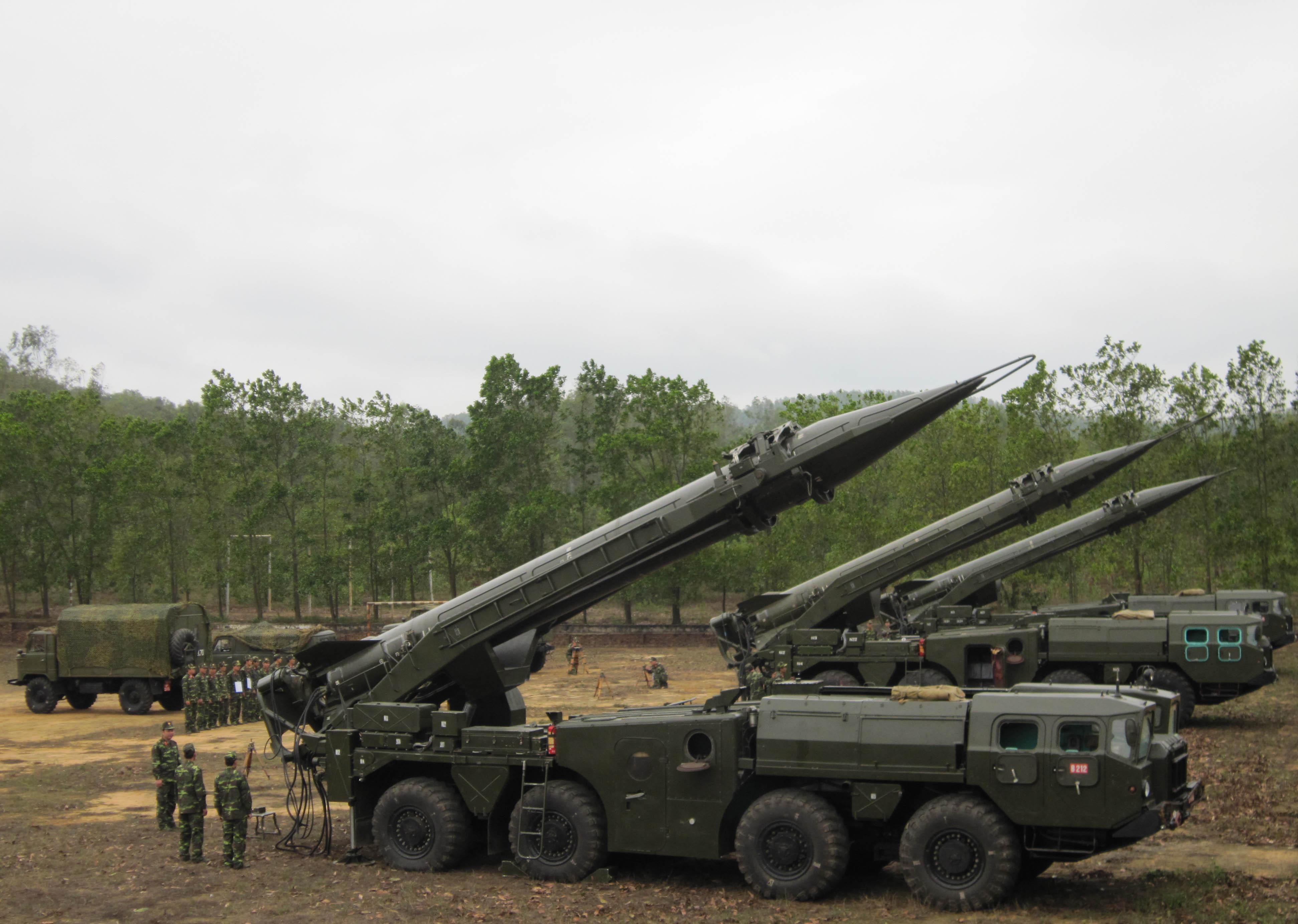
Myanmar has also developed ballistic missile capability, according to assessments by CSIS and NTI, Myanmar's ballistic missile capability is widely believed to rely on North Korean derived Hwasong-6 missiles. Most of what’s known comes from intelligence assessments and defense analyses rather than official statements from Naypyidaw.
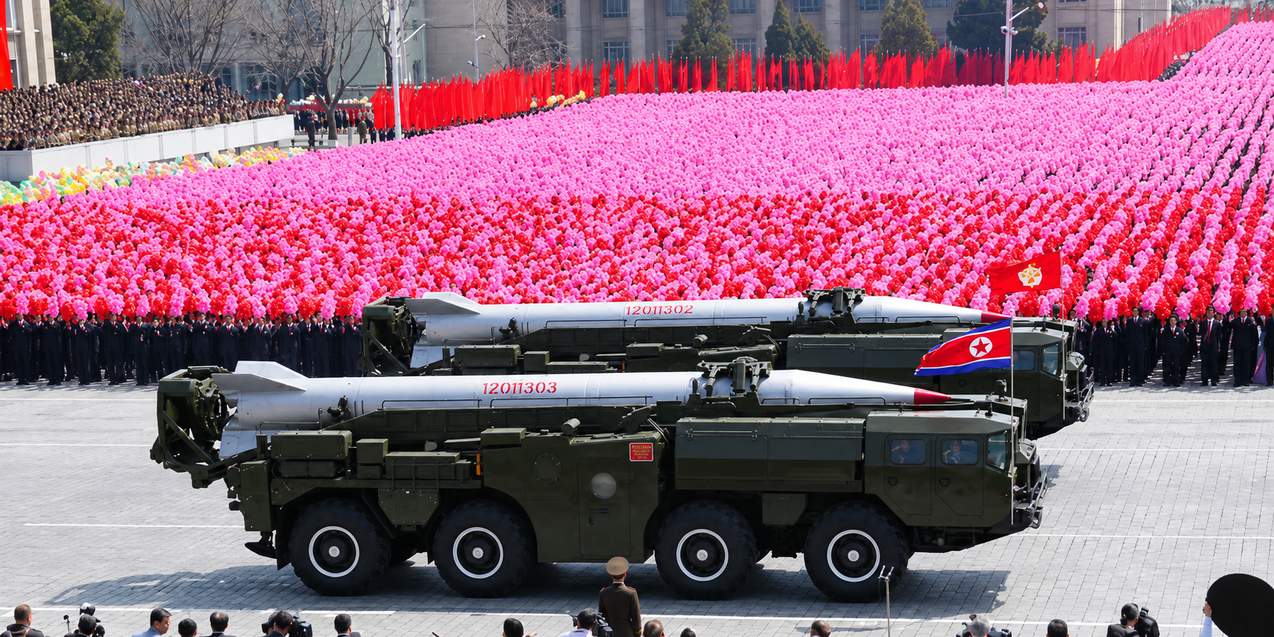
Indonesia became the newest member of this group after the Indonesian Army (TNI-AD) officially confirmed the deployment of the Turkish made KHAN tactical ballistic missile in East Kalimantan.
Why Indonesia's KHAN Is Different
Developed by Turkish defense company Roketsan, the KHAN has a maximum range of 280 kilometers, placing it within the export limits of the Missile Technology Control Regime (MTCR).
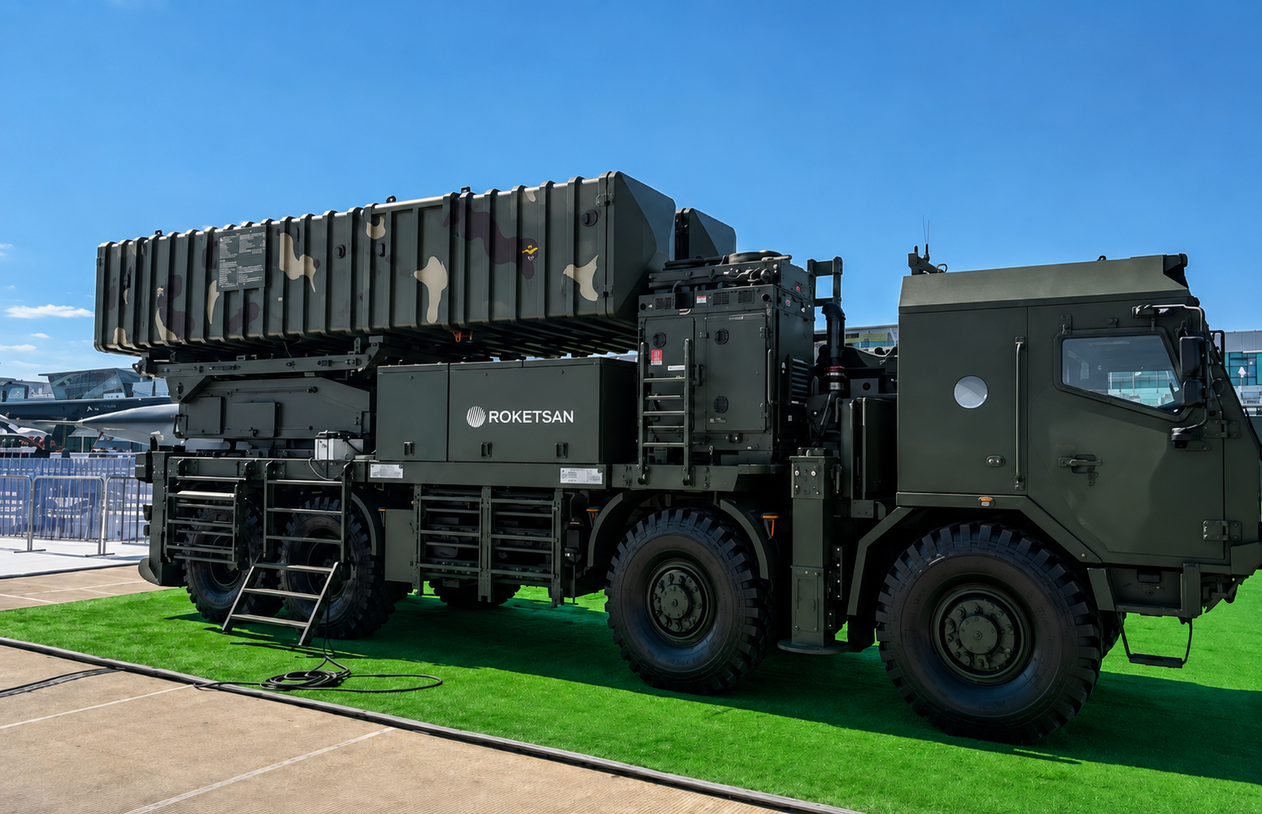
Its significance, however, lies less in its range than in its technology.
Unlike the Scud derived systems publicly associated with Vietnam and Myanmar, KHAN was designed decades later with modern precision strike capability in mind. It combines an Inertial Navigation System (INS) with Global Navigation Satellite System (GNSS) guidance, reportedly achieving a circular error probable (CEP) of around 10 meters under optimal conditions.
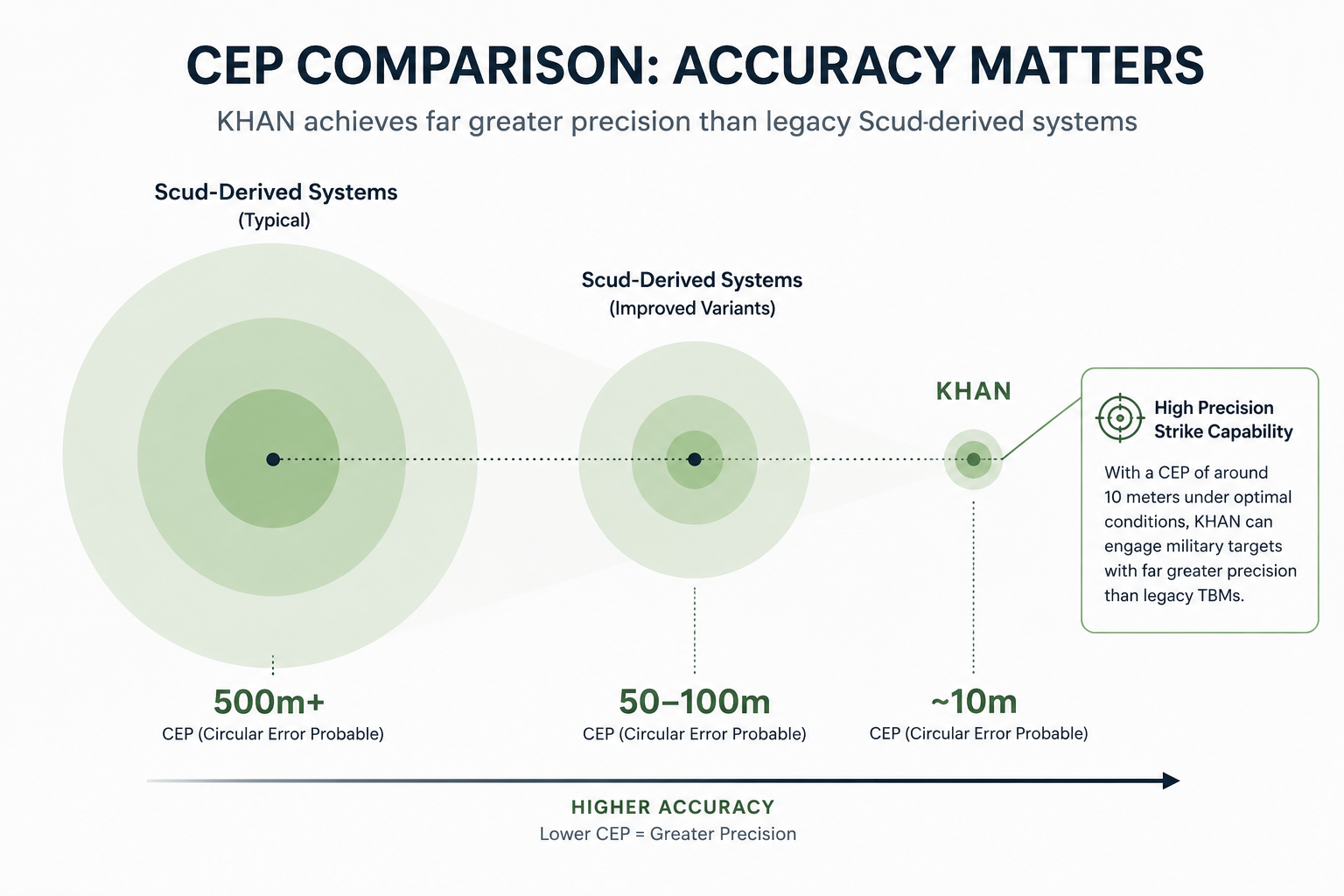
That level of accuracy allows the missile to engage military targets with far greater precision than many legacy tactical ballistic missile systems. According to TNI AD, the missile system has been deployed in East Kalimantan as part of Indonesia's regional defense posture, adding a modern conventional long-range precision strike capability to the country's armed forces.
A Small but Exclusive Club
Only three Southeast Asian countries are publicly known to operate tactical ballistic missiles.
Its publicly known operators all field short range tactical systems intended for conventional military operations rather than strategic nuclear deterrence. Viet Nam relies on Cold War era Soviet designs, Myanmar on North Korean derived technology, while Indonesia has introduced a modern Turkish built precision strike system.