Aogashima is a volcanic island in the Pacific Ocean, located approximately 358 kilometers south of central Tokyo. It spans an area of 5.98 square kilometers.
Aogashima island is located at the southernmost point of the Izu Islands archipelago, which measures about 3.5 kilometers long and 2.5 kilometers wide. The entire coastline is surrounded by steep sea cliffs ranging from 200 to 400 meters in height.
The island's physical form features a double caldera geological structure. The first one is the Ikenosawa Caldera, a large outer crater stretching along the coastline. The second one is Mount Maruyama, which is located right in the center of the island.
Geological Features of the Ikenosawa Caldera and Mount Maruyama
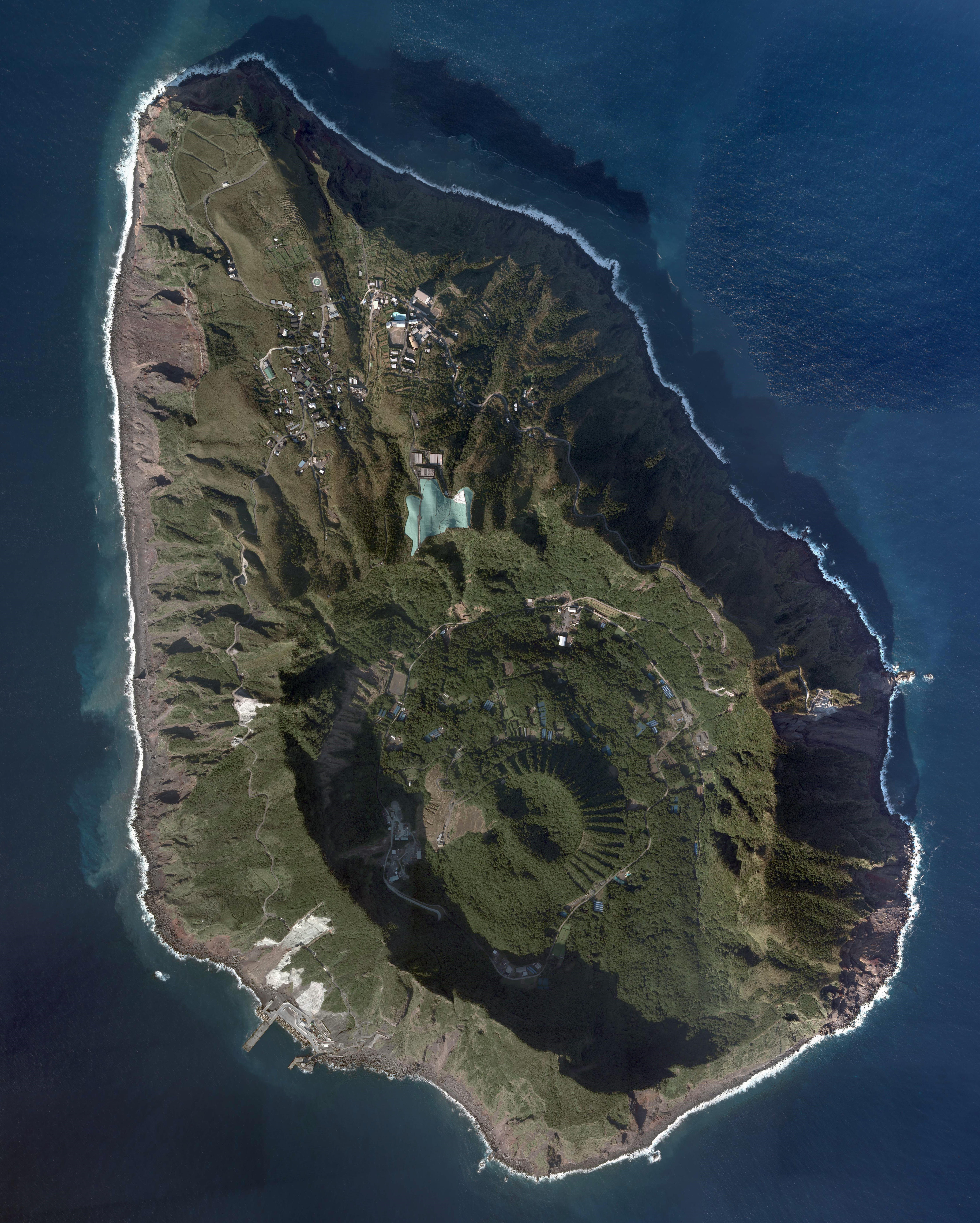
The inner area of Aogashima is dominated by the Ikenosawa Caldera, which forms the main crater basin. High volcanic rock walls encircle the entire crater floor, naturally separating it from the outer coastline.
In the middle of the Ikenosawa Caldera stands Mount Maruyama as a secondary volcanic cone. This cone was formed by the accumulation of materials from the major Tenmei eruption in 1785 and is now covered in lush green vegetation.
Natural geothermal steam still constantly vents from rock crevices around the caldera walls. Locals call these natural steam vents Hingya, which are used to power the village's public sauna facility and a communal steam cooker.
Additionally, Hingya steam is utilized by a local facility to evaporate deep sea water to produce a signature local product named Kuroshio Hingya Salt.
On the other side, Aogashima is categorized as a Class C active volcano under Japan's volcanic classification system.
Due to its active status, the Tokyo Metropolitan Government operates a volcanic monitoring station on the island that connects directly to the Japan Meteorological Agency (JMA).
Administrative Status under the Tokyo Metropolitan Government
Aogashima officially holds village (mura) status under Japanese administrative governance, with its administrative jurisdiction falling under Hachijo Subprefecture.
The Tokyo Metropolitan Government holds full administrative rights and budget authority over the management of the island.

Main public facilities serving the residents are concentrated in two hamlet areas, Yasundogō and Nishigō, located in the northern part of the island. These facilities include Aogashima Elementary and Junior High School, the Village Clinic, the Post Office, and the local government administration office (Aogashima Village Hall).
According to official statistics from the Japanese government in 2025, the registered population of Aogashima stands at 156 residents. This demographic record makes Aogashima the municipality with the smallest population in all of Japan.
Access to the Island from Hachijojima
Travel to Aogashima is accessible only through a primary transit point on Hachijojima Island, as there are no direct daily commercial routes from mainland Tokyo.
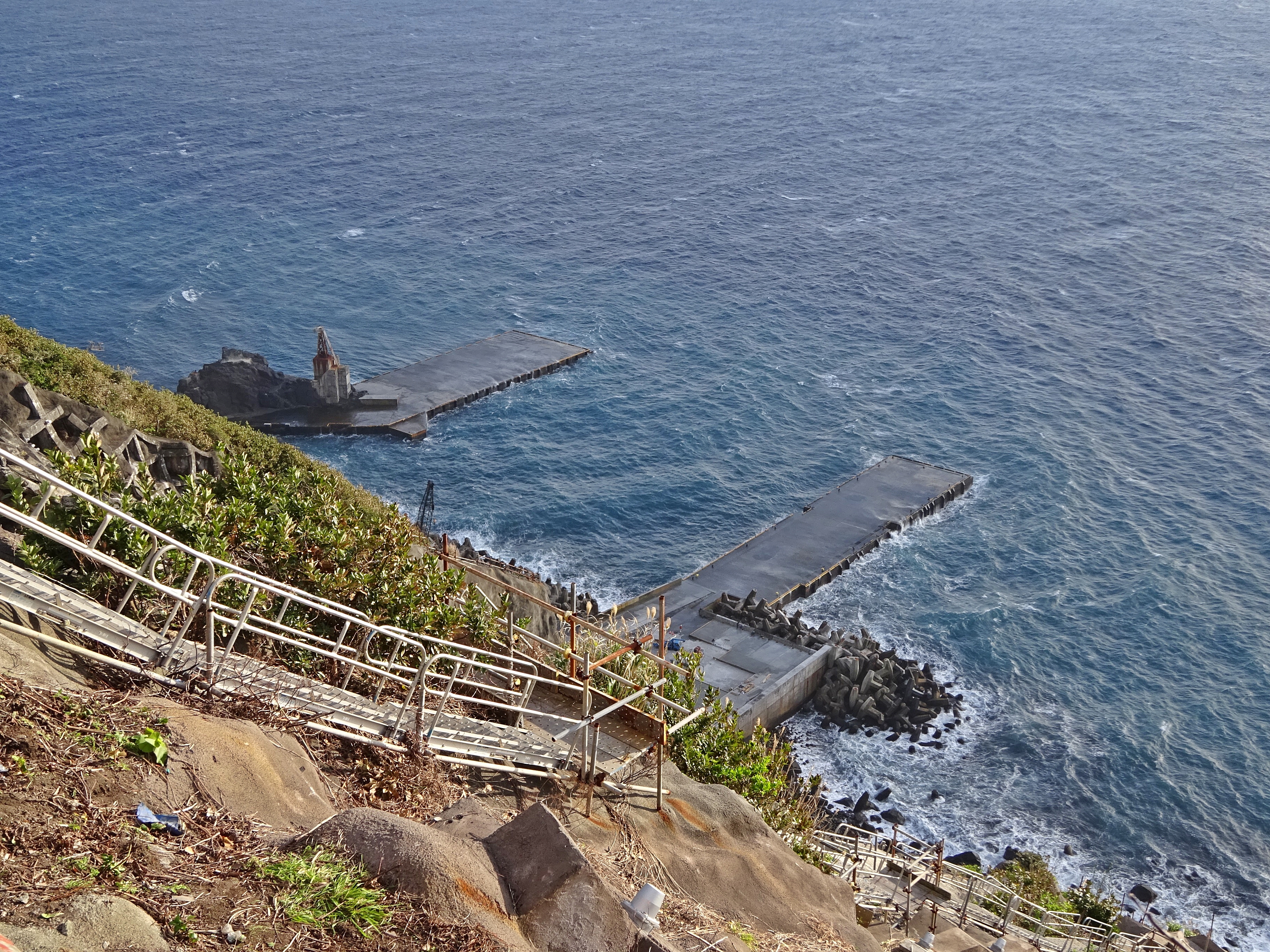
For sea routes, the transportation service is provided by a ferry departing from Hachijojima. The voyage to Sanpo Port in Aogashima takes about 3 hours. Sanpo Port itself was built directly onto a concrete foundation attached to the island's steep cliff face.
Air transport options utilize a commercial helicopter service operating from Hachijojima Airport. This helicopter flight lands at the helipad in the northern residential area of Aogashima in 20 minutes.
Helicopter ticket bookings are managed through an official reservation system that opens exactly one month prior to the departure date.