Robotaxis get all the attention around the world, open an app, an empty car shows up, it drives you wherever you want. Singapore is skipping that story.
Instead of rushing robotaxis onto its roads, Singapore is slotting autonomous vehicles into public transport. Autonomous shuttles started carrying passengers in Punggol in 2026, and Singapore is now preparing to test self-driving buses on regular bus routes.
The logic is practical, not futuristic, if autonomous vehicles are going to be part of daily transport eventually, better to test them inside the system people already use than build a separate one from scratch.
The Driverless Bus Is Already Here
Singapore's first public autonomous shuttle services began operating in Punggol on April 1, 2026.
The Grab operated service, using autonomous vehicles developed by WeRide, had completed more than 30,000 kilometres of autonomous driving during testing, according to WeRide and Grab, with more than 1,000 passengers. Including Punggol residents and community leaders taking part in community trial rides since January 2026, ahead of the public launch.
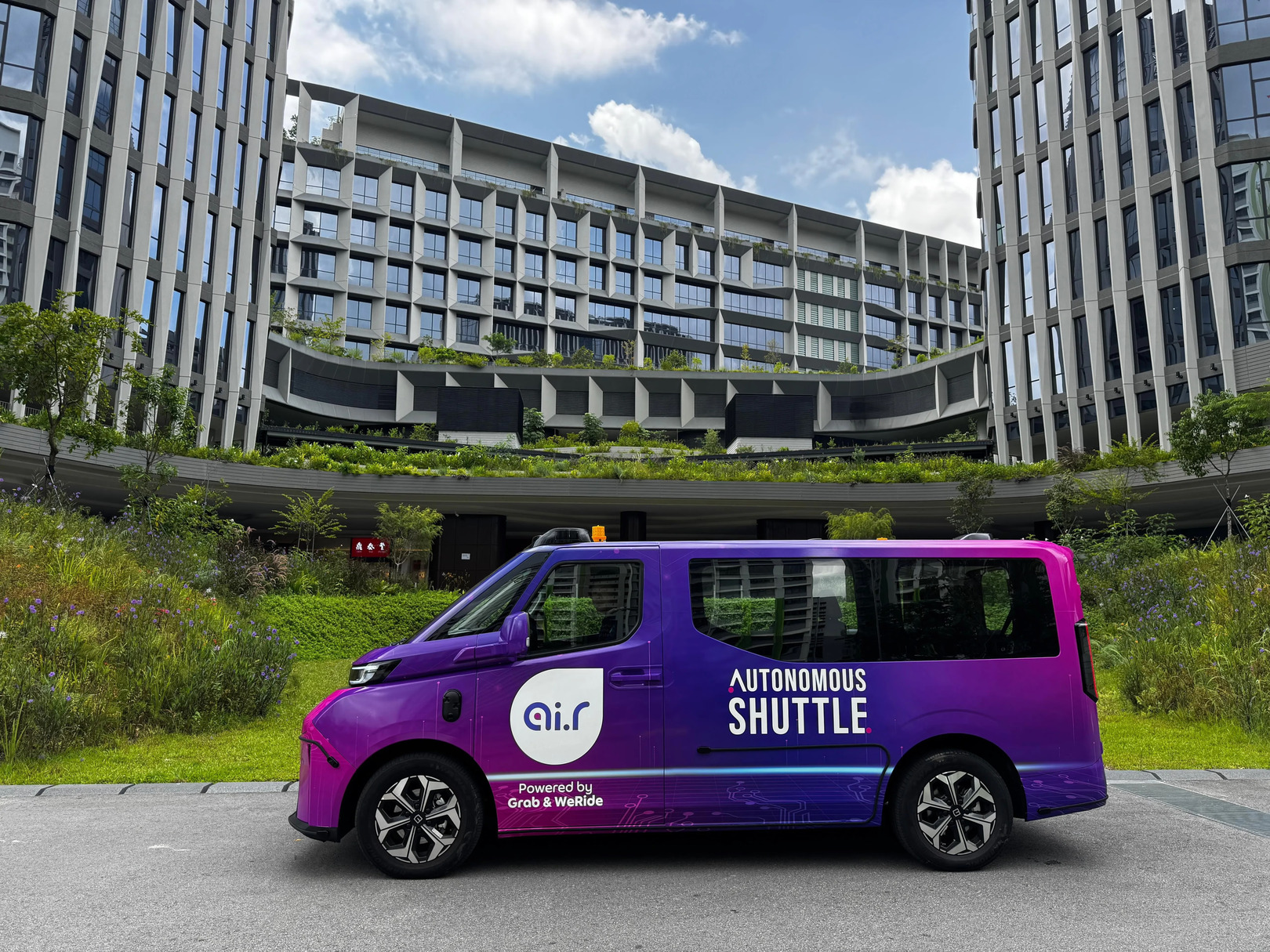
The service operates on fixed routes connecting residential areas with transport nodes and amenities. According to Singapore's Land Transport Authority (LTA), the routes are expected to cut travel times by up to 15 minutes, with revenue services expected to charge a flat S$4 fare per passenger from mid-2026.
ComfortDelGro is also testing autonomous shuttles in the same area using vehicles supplied by Pony.ai. Together, these trials are testing something more important than simply whether a vehicle can drive itself.
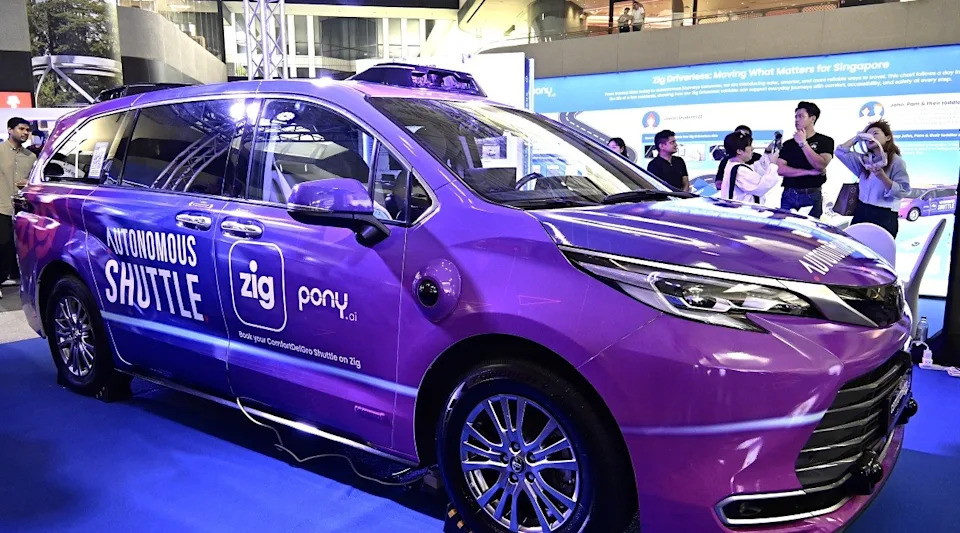
They are testing whether people will actually trust one enough to get on.
Why Start With Buses?
A self-driving car has to deal with almost anything. A passenger asking to be dropped off at an unusual location, an unexpected turn, a narrow road, or a confusing interaction with another driver.
A bus has a much simpler job.
It follows a known route, stops at designated locations, and operates within a transport network that authorities already understand. That makes it easier to map, monitor, and test.
And the potential payoff is much larger.
One autonomous bus can move dozens of passengers at once. If the technology eventually becomes reliable enough, it could help Singapore deal with manpower constraints while maintaining frequent public transport services, LTA has said.
But the technology is not being left completely on its own yet.
During the early stages, safety operators will remain onboard. Singapore's longer term plan is to move toward remote supervision, where operators can monitor vehicles from a control centre rather than sitting behind the wheel of every bus.
Singapore Is Taking the Bigger Step
The Punggol shuttles are relatively small. The more significant test will involve full-sized autonomous buses operating on public bus routes.
Singapore plans to pilot autonomous buses on Service 400 in Marina Bay and Service 191 in one north from the second half of 2026. The initial pilot will last three years and will begin with six buses, under an approximately S$8.14 million contract awarded by the LTA to a consortium of MKX Technologies, Zhidao Network Technology, and BYD.
These buses will operate alongside regular, human driven buses.
Singapore is not replacing its entire bus network with robots overnight. It is introducing autonomous vehicles into a controlled environment, collecting data, and gradually increasing the level of automation.