


Opening the Umuganura 2026 celebration at Des Indes Hotel in Jakarta on 7 August, H.E. Sheikh Abdul Karim Harelimana, Ambassador of Rwanda to Indonesia, welcomed diplomats, Indonesian guests and the Rwandan community to commemorate one of his country’s oldest traditions.
The Ambassador described Umuganura as Rwanda’s National Harvest Day, or Thanksgiving—a celebration of the first harvest that also encourages reflection on the past season and greater productivity in the year ahead.
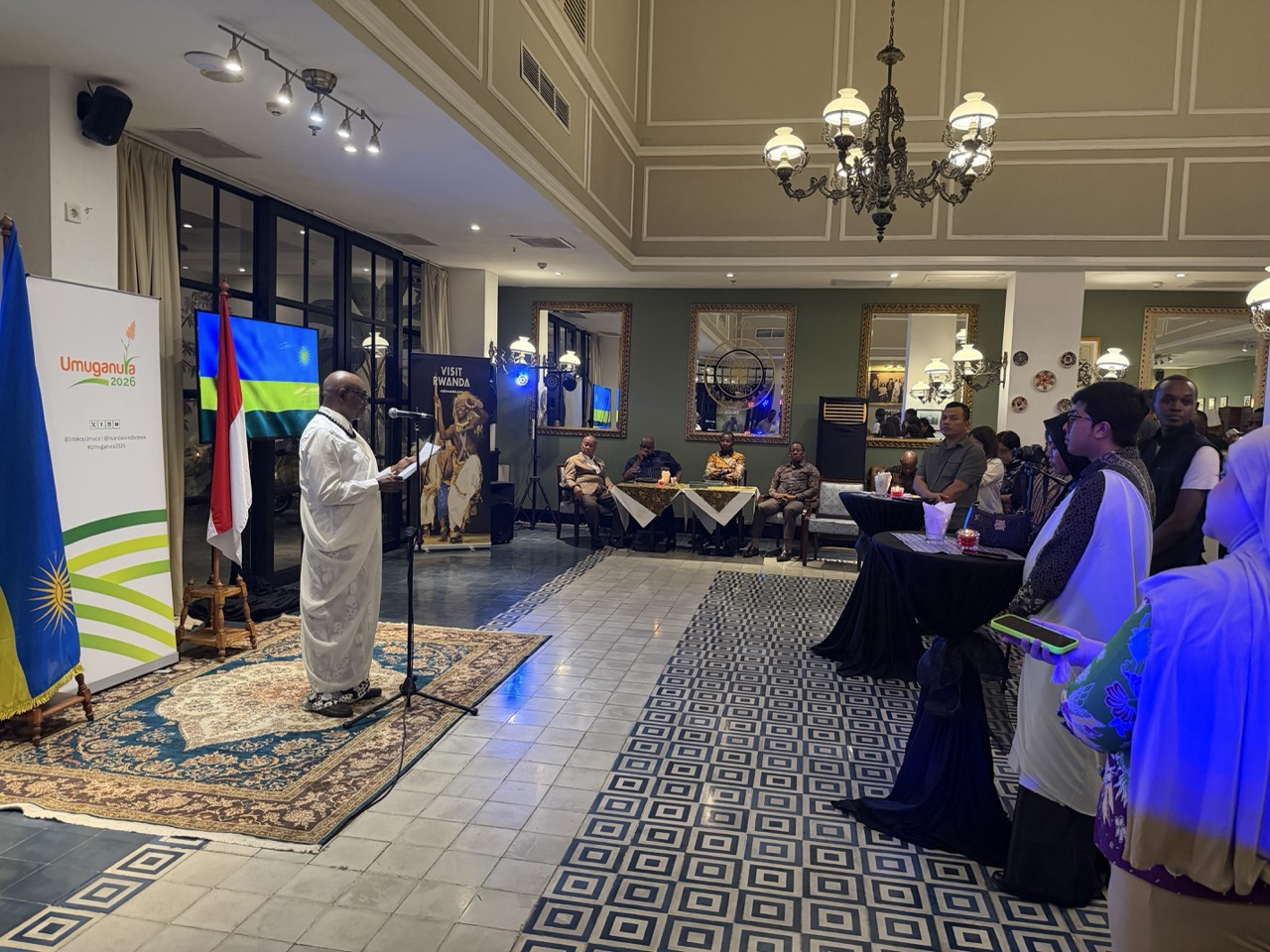
“The word Umuganura comes from the Kinyarwanda verb kuganura, meaning to celebrate and share the first harvest,” Ambassador Harelimana said. “Beyond celebrating food production, Umuganura has always symbolized gratitude, unity, solidarity, and the recognition that prosperity is achieved through collective effort.”
His remarks presented Umuganura as a living national institution connecting Rwanda’s heritage with its aspirations for food security and self-reliance.
Thanksgiving Rooted in Rwanda’s First Harvest
Umuganura dates to Rwanda’s ancient monarchy. According to Ambassador Harelimana, it was celebrated under King Gihanga Ngomijana in the 11th century, when communities shared their first harvest and celebrated achievements in farming, livestock keeping and craftsmanship.
The tradition strengthened social cohesion by recognizing that an abundant harvest depended on cooperation. Food represented not only sustenance, but also the collective work and responsibility of families and communities.
Abolished under colonial rule in 1925, Umuganura was reinstated by the Rwandan Government in 2011 during the Year of Unity and Reconciliation. It is now observed on the first Friday of August in Rwanda and by Rwandan communities abroad.
The 2026 theme, “Umuganura: A Source of Unity and the Foundation of Self-Reliance,” emphasized cooperation, productivity and national confidence. As a Kinyarwanda proverb cited by the Ambassador says, “Ibisangiye imizi bisangira no kuma”—those who share the same roots also share the same destiny.
Traditional Dance Brings the Harvest Story to Life
Traditional dance performances brought Umuganura’s history to life through movement, rhythm, song and ceremonial gestures. The performers depicted communities welcoming the harvest, expressing gratitude and celebrating the rewards of collective labour.
Their movements evoked working the land, gathering produce and sharing its abundance. They also illustrated how farmers, livestock keepers, artisans and families collectively contribute to community well-being.

For guests in Jakarta, the performances offered an engaging introduction to Rwanda’s Thanksgiving tradition before the story continued through food and beverages. Together, the remarks, dances and tasting connected the first harvest with Rwanda’s broader national progress.
A Rwandan Harvest Served in Jakarta
A food-tasting experience presented by a Rwandan chef introduced guests to the country’s agricultural and culinary heritage. The menu featured Imvange, made with cassava and sweet potatoes; Impungure, combining dehulled maize and beans; Isombe, prepared with cassava leaves and beef; Igihembe, made from skinless beans; Inkoko, a traditional chicken dish; and the sorghum-based Rukacarara.
Rwandan cow’s milk was also served, reflecting the cultural and economic importance of cattle. Beyond nutrition and livelihoods, milk represents hospitality, generosity and social connection.
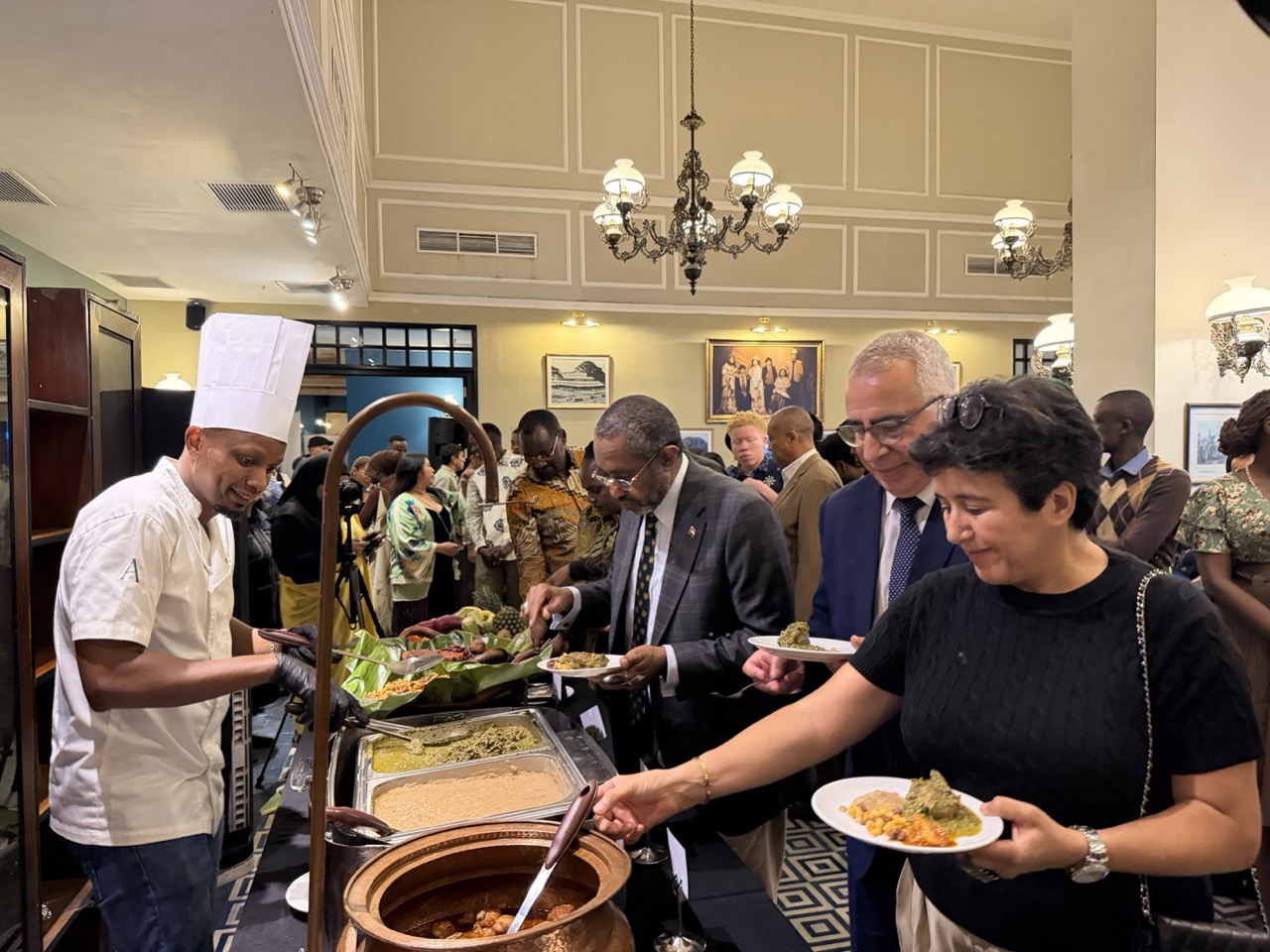
Cassava, sweet potatoes, maize and beans were familiar to Indonesian guests, revealing parallels between the two countries’ food cultures. While coffee and tea represent Rwanda’s export success, these dishes demonstrate how agriculture sustains households and preserves cultural knowledge.
One National Festival, Many Indonesian Traditions
During a media interview, Ambassador Harelimana contrasted Rwanda’s unified Umuganura celebration with Indonesia’s diverse harvest traditions across Java, Sumatra, Kalimantan and Sulawesi.
He envisioned a national Indonesian harvest festival hosted by a different province each year—not to replace local customs, but to celebrate their diversity while highlighting farmers, regional produce and agriculture’s contribution to food security.
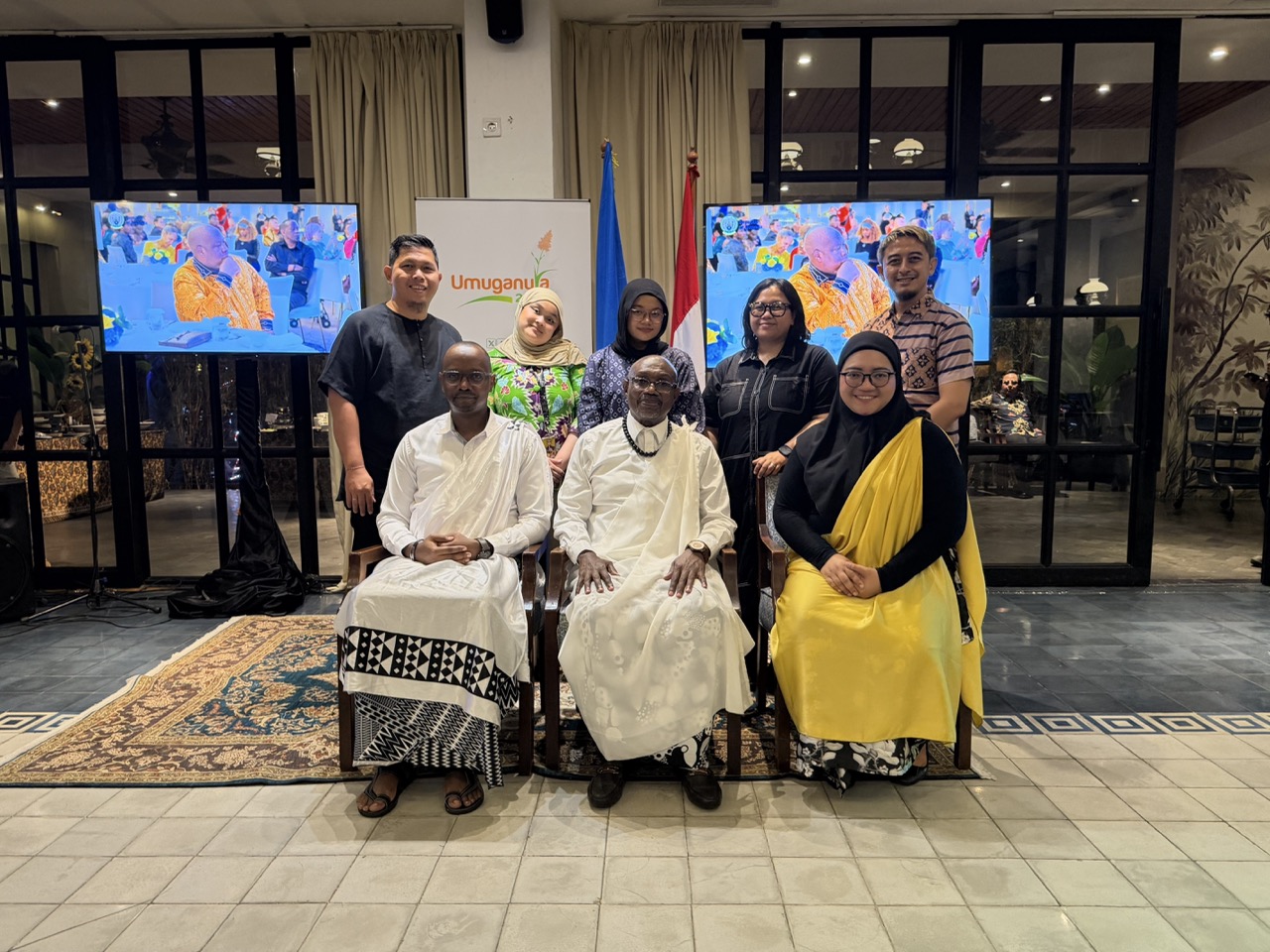
The idea could create further opportunities for Indonesia and Rwanda to exchange experience in agricultural development, climate adaptation and self-reliance.
Coffee and Tea Carry Rwanda’s Global Story
Rwanda’s high-altitude farms, volcanic soils and washing stations have strengthened its reputation for specialty coffee. In 2025, the country exported 23,860 tonnes of green coffee worth US$148.6 million. Export volume increased by 39 percent from 2024, while revenue rose by 65 percent.
“With regard to export revenues, 2025 recorded a historic high, surpassing all previous records,” said Claude Bizimana, chief executive of Rwanda’s National Agricultural Export Development Board.
Tea is another important source of rural income and foreign exchange. Rwanda earned US$114.8 million from 38,467.7 tonnes during the 2023/2024 financial year, supported by more than 50,000 farmers.
Jakarta’s specialty cafés, hotels and discerning consumers offer opportunities to introduce Rwandan coffee and tea as distinctive origins rather than competitors to Indonesian products. Umuganura provides a natural platform connecting Rwanda’s culinary heritage with its trade ambitions.
From Agricultural Knowledge to Trade
Agriculture contributed 20 percent of Rwanda’s GDP in 2025, grew by seven percent and accounted for 39.6 percent of employment in November. Its Fifth Strategic Plan for Agriculture Transformation seeks US$5.1 billion in investment between 2024 and 2029 to strengthen productivity, climate resilience, food security and market access.
Rwanda’s experience in terracing, soil conservation, cooperative farming and digital agriculture complements Indonesia’s strengths in irrigation, agricultural extension, machinery, processing and supply chains. The KNB Scholarship and Rwandan participation in IPB University’s postgraduate programme could support joint research and technology trials.
As IPB agriculture specialist Professor Suryo Wiyono observed, “farmer participation is very important for the success of various programs related to food sovereignty.” Cooperation should therefore engage farmers, universities, cooperatives, technology companies and agribusinesses.
A general cooperation memorandum signed in June 2024 covers agriculture, trade, industry, energy and mining. Bilateral trade reached approximately US$1.4 million in 2023—twice its 2022 value, but still modest. Buyer matching, product tastings, joint research and coordination on certification and logistics could help turn diplomatic commitments into commercial activity.
Cultivating a Shared Harvest
Umuganura connects gratitude for past achievements with responsibility for the next harvest. This principle offers Rwanda and Indonesia a foundation for cooperation grounded in food security, culture, knowledge and collective effort.
By connecting Umuganura with Indonesia’s harvest traditions, the two countries can move from cultural exchange towards agricultural research, investment and trade—honouring their roots while cultivating a more productive, resilient and self-reliant future.


