In 1977, a shipment of liquefied natural gas (LNG) left Indonesia for Japan. It was the beginning of a partnership that would help shape Asia's energy market for decades.
From the Arun LNG plant in Aceh and the Badak LNG plant in East Kalimantan, Indonesia supplied growing economies across East Asia. For much of the 1980s and 1990s, no country exported more LNG than Indonesia. Japan, South Korea, and Taiwan became some of its largest customers, and Indonesian LNG played a key role in meeting their rising energy demand.
That makes Indonesia's current position seem unusual.
The country still exports billions of dollars worth of LNG every year. At the same time, it also imports LNG for domestic use. How can a country sell natural gas abroad while buying the same fuel from overseas?
Indonesia Is Still a Major LNG Exporter
Indonesia has never stopped exporting LNG.
According to the U.S. Energy Information Administration (EIA), Indonesia ranked as the world's sixth-largest LNG exporter in 2024, accounting for about 4.3% of global LNG exports. Nearly all of those cargoes were shipped to Asian markets, with China, Japan, and South Korea receiving almost four-fifths of Indonesia's total LNG exports.
World Bank trade data show that Indonesia exported around US$6.7 billion worth of LNG in 2024. China was the largest destination by value, followed by Japan and South Korea.
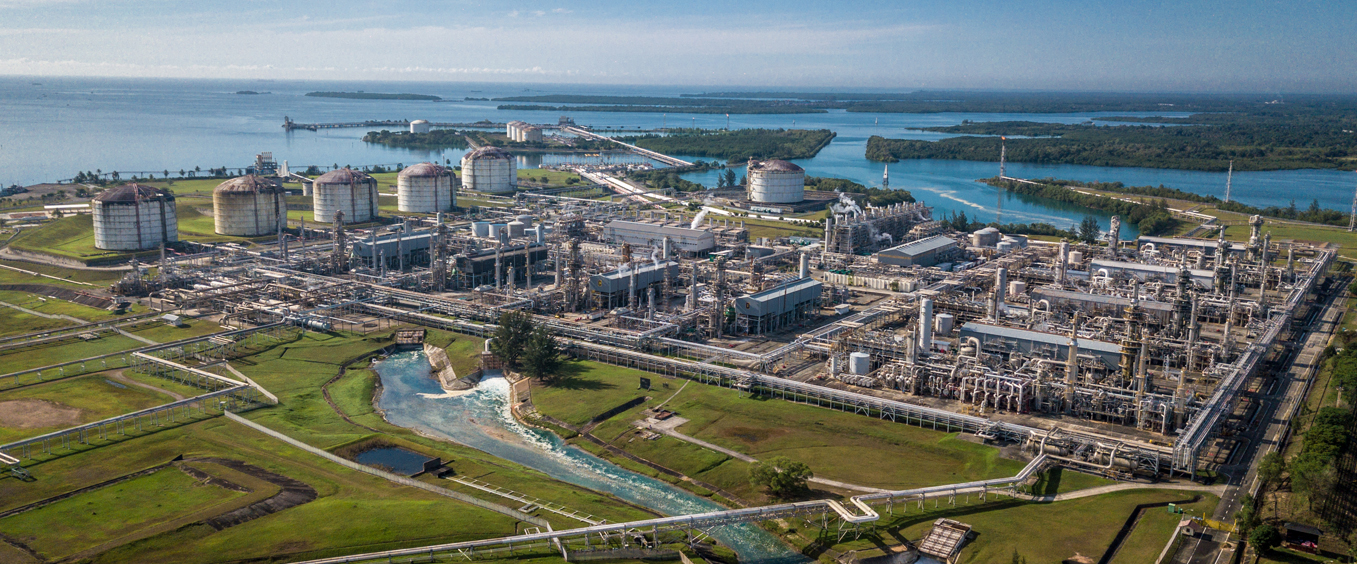
The country's export capacity continues to come from several large facilities, including Badak LNG in East Kalimantan, Tangguh LNG in West Papua, and Donggi-Senoro LNG in Central Sulawesi. Another major project, Abadi LNG in the Masela Block, is also under development.
The Gas Fields and the Demand Are Far Apart
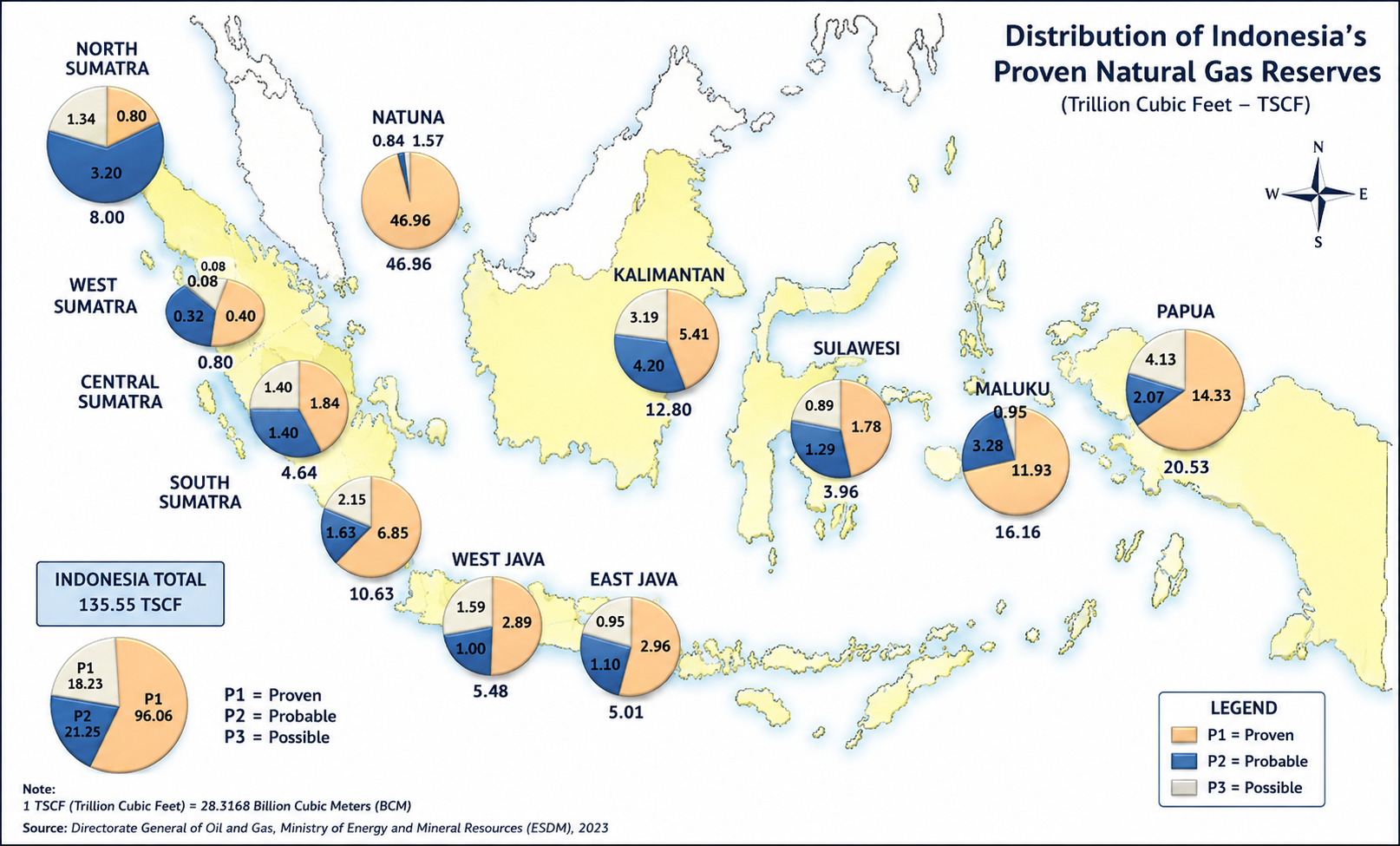
Indonesia's natural gas reserves are spread across the archipelago. Some of the largest producing regions are located in Papua, East Kalimantan, Aceh, and offshore areas such as Natuna.
Electricity demand, however, is concentrated elsewhere.
Java, which is home to more than half of Indonesia's population and much of its manufacturing industry, consumes far more energy than it produces. Moving natural gas from producing regions to demand centers is not always straightforward in a country that stretches more than 5,000 kilometers from west to east and consists of more than 17,000 islands.
In many cases, transporting LNG by ship is more practical than building long-distance pipelines that cross multiple islands. As a result, imported LNG can sometimes become part of the supply mix for specific regions even while Indonesia continues exporting LNG from other production hubs.
Growing Demand Has Changed the Equation
Indonesia's natural gas is no longer used primarily for exports.
Power plants, fertilizer factories, petrochemical industries, and manufacturing all require increasing amounts of gas. At the same time, some LNG production remains tied to long-term export contracts signed years ago, limiting how much supply can be redirected immediately to the domestic market.
These conditions explain why Indonesia can be both an exporter and an importer of LNG at the same time. The two activities serve different parts of the country's energy system rather than replacing one another.
This pattern is not unique to Indonesia. Other energy-producing countries also import natural gas or LNG to meet regional demand, optimize transportation costs, or fulfill existing supply agreements.
A Different Role in the LNG Market
Indonesia no longer occupies the position it held in the 1980s, when it was the world's largest LNG exporter. Countries such as Qatar, Australia, and the United States have since expanded their production and now dominate global LNG trade.
Even so, Indonesia remains an important supplier in Asia while its domestic energy system has become more complex than it was decades ago. The country continues shipping LNG to international buyers, but it also brings LNG into parts of the archipelago where imported supply can help meet local demand.
Rather than reflecting a shortage of natural gas, the combination of exports and imports illustrates how geography, infrastructure, and long-term contracts shape the movement of energy across one of the world's largest island nations.