


Museums must do more than preserve the past—they must ensure that everyone can learn from it. That message shaped MuseeID’s MSDG Learning Series 2, held at Galeri Demono in Central Jakarta on September 24, 2026, under the theme “Accessibility and Representation: Quality Education for All.”
Opening the Doors to Inclusive Learning
The invitation-only programme opened with the singing of Indonesia Raya, followed by remarks from Yiyok T. Herlambang, Chair of the Association of Indonesian Museums DKI Jakarta Paramita Jaya; Dr. Hj. Dewi Motik Pramono, founder of Galeri Demono; Endah Budi H., Director of History and Museums at Indonesia’s Ministry of Culture; and a representative of the United Nations Information Centre in Indonesia.
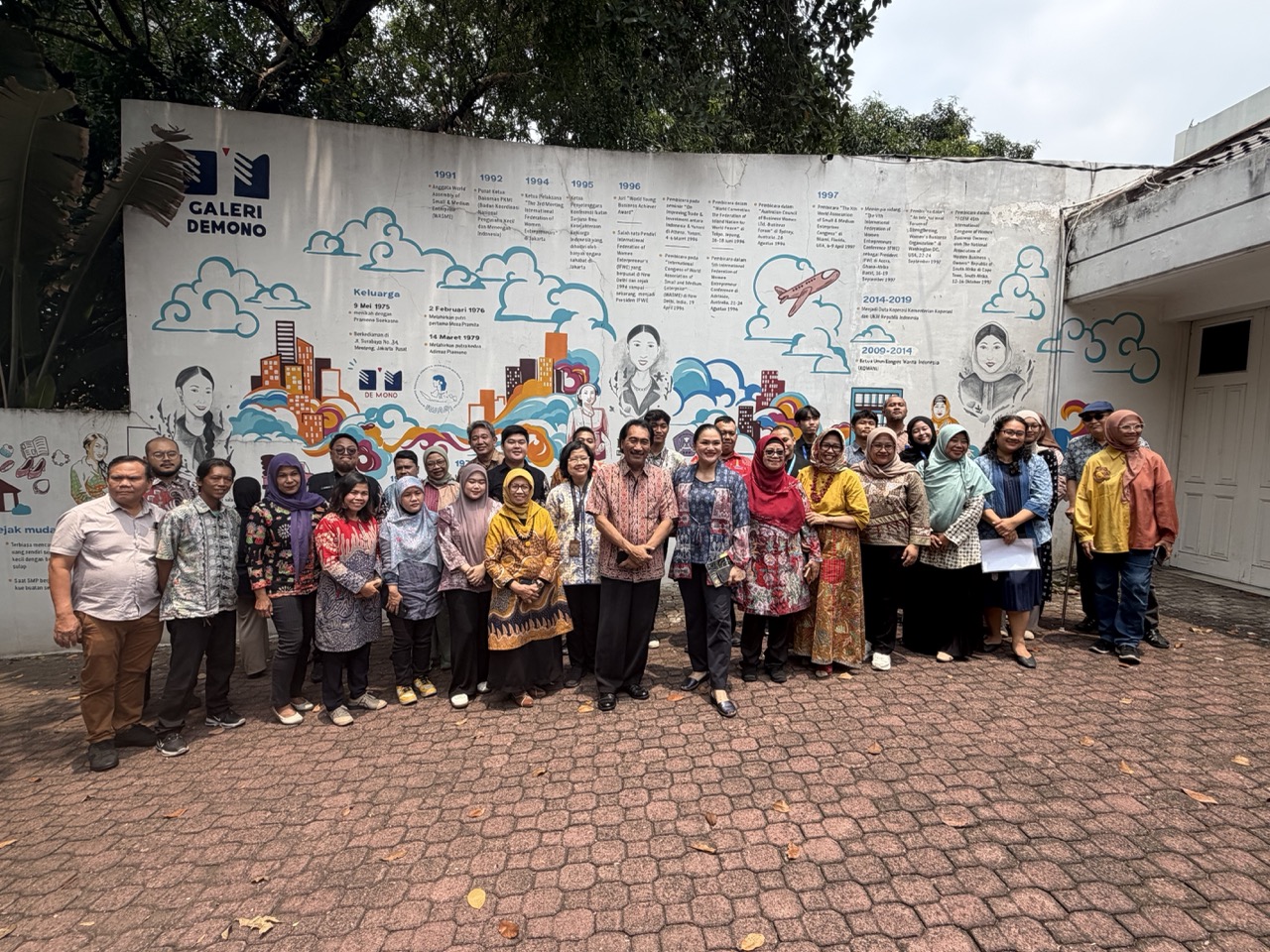
Their presence connected government, international organizations, museums and private cultural initiatives around a shared commitment: making museums more inclusive, representative and relevant as public learning spaces.
During the MSDG programme’s launch in July, Herlambang said that “museums can become spaces where people learn about sustainable development.” His statement captured the direction of the second series, which shifted attention toward who can enter museums, engage with their collections and see their experiences represented.
From Access to Meaningful Participation
The panel brought together Cresti Eka Fitriana of UNESCO’s Regional Office in Jakarta; Nofa Farida Lestari, Executive Director of MuseeID and Board Director of ICOM CECA; Nurhayati from Jakarta’s Centre for the Protection of Women and Children; and Titis Kuncoro Wati, an educator at the National Museum of Indonesia. Sriwulantuty Rizkiningsih, MuseeID’s Director of Partnerships and an ICOM INTERCOM board member, moderated the discussion.
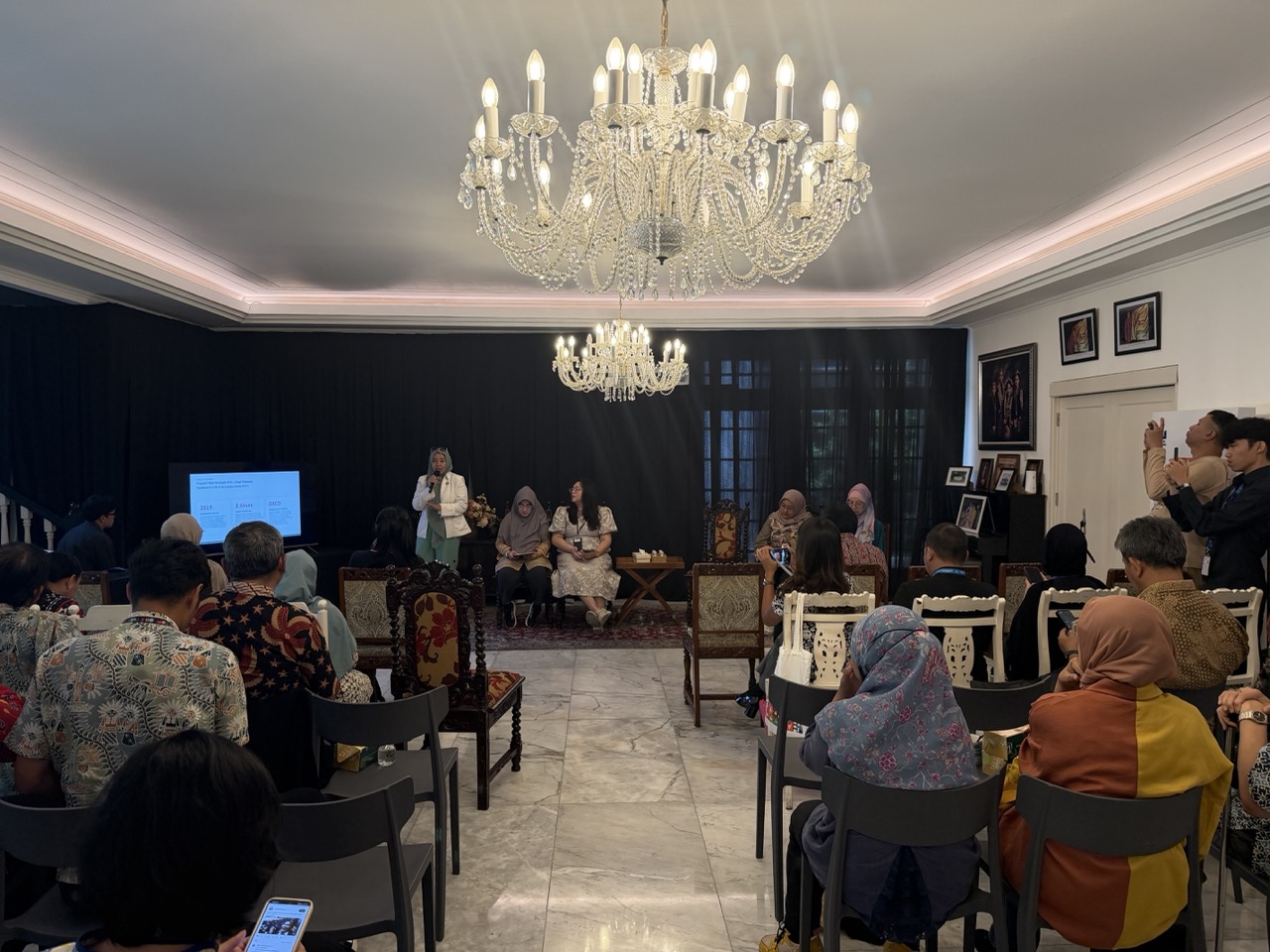
Their perspectives placed accessibility within a broader framework. An inclusive museum needs ramps, accessible toilets and safe circulation, but physical access is only the beginning. Exhibitions must also consider readable labels, sign-language interpretation, audio descriptions, digital access, affordable admission and stories that represent women, children, persons with disabilities and communities beyond dominant historical narratives.
Indonesia’s accessibility regulations recognize equal access to public services as a right of persons with disabilities. The scale of the task is substantial: a 2025 count based on the Ministry of Culture’s registry recorded 300 museums across 33 provinces, including 48 in Jakarta.
Practical steps are already emerging. The National Museum of Indonesia provides free admission for visitors with disabilities and one companion, while its inclusivity programmes have involved artists and communities with disabilities.
Connecting Museum Stories with the SDGs
MSDG Series 2 linked museum accessibility with SDG 4 on quality education, SDG 10 on reduced inequalities, SDG 11 on inclusive cities and SDG 17 on partnerships.
Nofa Farida Lestari previously called for museums to “make the SDGs an integral part of their educational mission.” At Galeri Demono, that ambition became a discussion about practical responsibility: museums should not merely invite diverse audiences but involve them in designing programmes, interpreting collections and determining how their stories are presented.
Jakarta’s Museum Bahari has already provided a localized example through Indonesia’s first museum-based SDGs Corner. Designed to bring sustainable development closer to young people and the public, the space also promotes equal access for persons with disabilities.
Galeri Demono Brings the Conversation to Life
Following the panel, Moza Pramita Pramono guided participants through Galeri Demono. Created by Dewi Motik’s children to celebrate her 75th birthday, the intimate gallery documents the entrepreneur, educator, artist and women’s-empowerment advocate’s life and legacy.
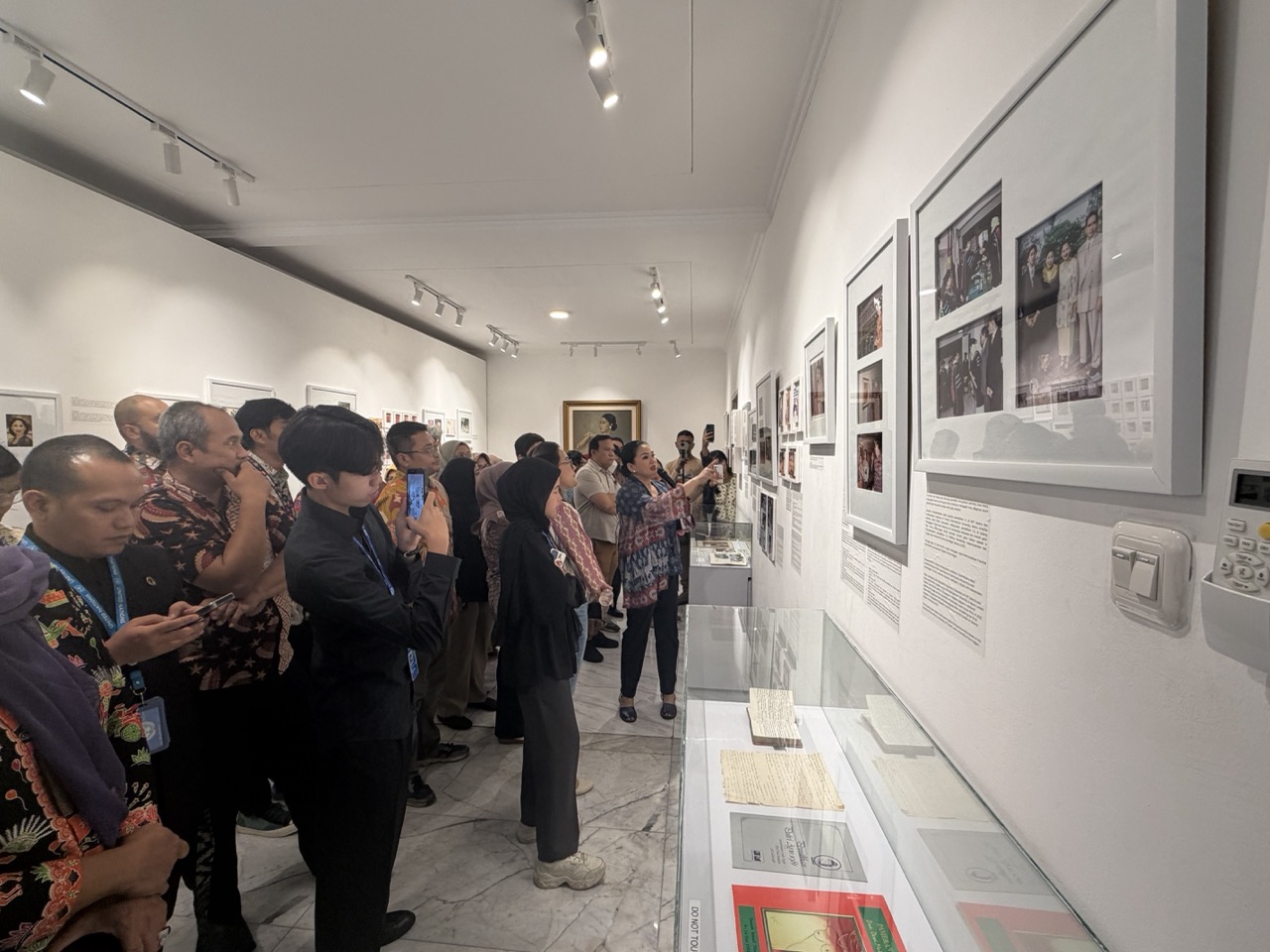
Participants encountered personal archives, journals, correspondence, Indonesian textiles, Iwan Tirta batiks and artworks connected to her journey, including Basuki Abdullah’s The Last Virgin, for which a young Dewi Motik served as the model.
The tour offered a fitting conclusion. Accessibility and representation became more than policy terms: they became questions about whose life is documented, whose voice is heard and who feels welcomed into the cultural story.
MSDG Series 2 showed that an inclusive museum is not defined only by what it safeguards, but by how generously it shares knowledge. When collections become accessible and communities become participants, museums can serve as classrooms for everyone.


