One night, people went to sleep on Monday, 30 December 1844. When they woke up, it was already Wednesday, 1 January 1845. Tuesday was simply gone.
There was no confusion on the streets, no panic, no sense that time had broken. Just a quiet, official adjustment that most people probably experienced as nothing more than an unusually long New Year’s sleep.
But the missing day was real.
According to the National Historical Commission of the Philippines, Governor-General Narciso Clavería ordered the change in 1844, making the Philippines one of the few places in history to deliberately remove a date from its calendar.
And the reason had almost nothing to do with astronomy. It had everything to do with who the Philippines was connected to and who it was no longer connected to.
Looking Across the Pacific
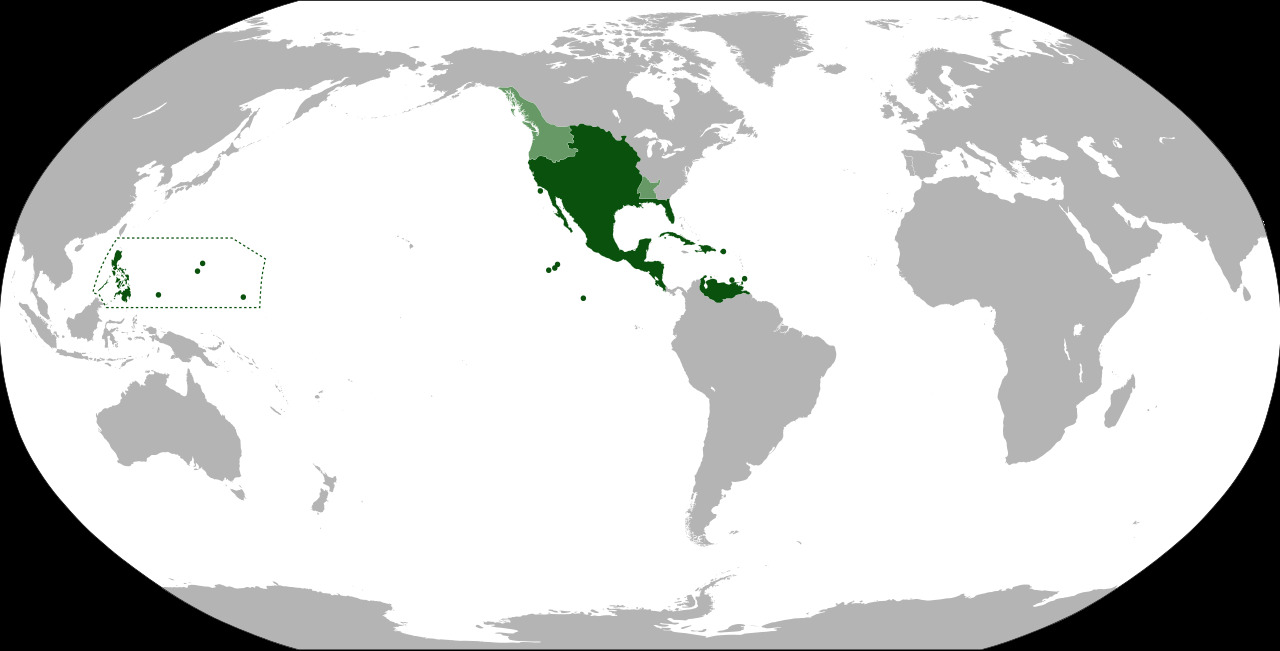
For more than two centuries, the Philippines occupied an unusual position in the Spanish Empire.
Although the archipelago lies in Southeast Asia, it was governed through New Spain, whose colonial capital was Mexico City. The connection was maintained by the Manila-Acapulco Galleon Trade, which operated from 1565 to 1815 and became Spain's main commercial route across the Pacific.
According to the National Historical Commission of the Philippines, the Manila-Acapulco Galleon Trade connected the Philippines with New Spain for 250 years and became the backbone of Spain's trans Pacific trade.
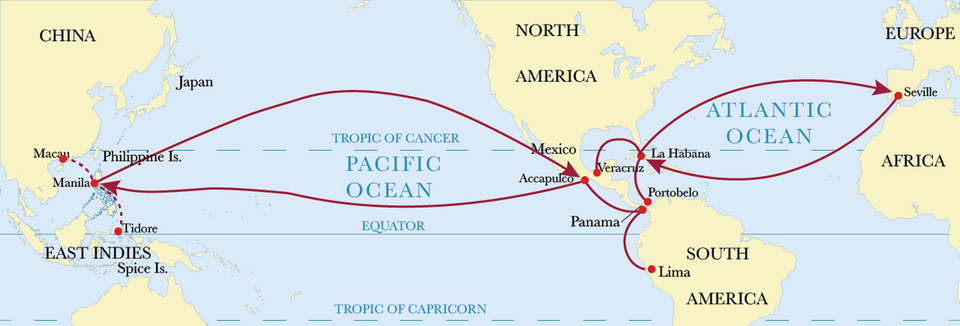
That relationship also shaped its calendar.
Because Manila's administrative ties pointed across the Pacific rather than toward Asia, the Philippines observed the same calendar date as Mexico. As a result, it was one day behind nearby ports such as Batavia and Singapore, despite being much closer geographically.
Read also: These 5 Countries Erased a Day From Their Calendars
A Calendar No Longer Matched Reality
By the early nineteenth century, that system no longer made sense.
Mexico gained independence from Spain in 1821, ending the colonial relationship that had connected Manila to New Spain. At the same time, trade with neighboring Asian ports became increasingly important. Ships arriving from China, the Dutch East Indies, British Malaya, and other parts of Asia often found themselves operating on a different calendar from the Philippines.
The mismatch complicated shipping schedules, commercial records, and government administration. According to Robert H. van Gent's A History of the International Date Line (Utrecht University) Governor-General Clavería decided to fix it with a single decree.
Issued on 16 August 1844, the order declared that Tuesday, 31 December 1844, would be omitted. Monday would be followed immediately by Wednesday, allowing the Philippines to observe the same date as its neighbors across Asia.
Before the Date Line Existed
The Philippines made the change decades before the International Meridian Conference of 1884, which established the Prime Meridian and laid the foundation for today's International Date Line.
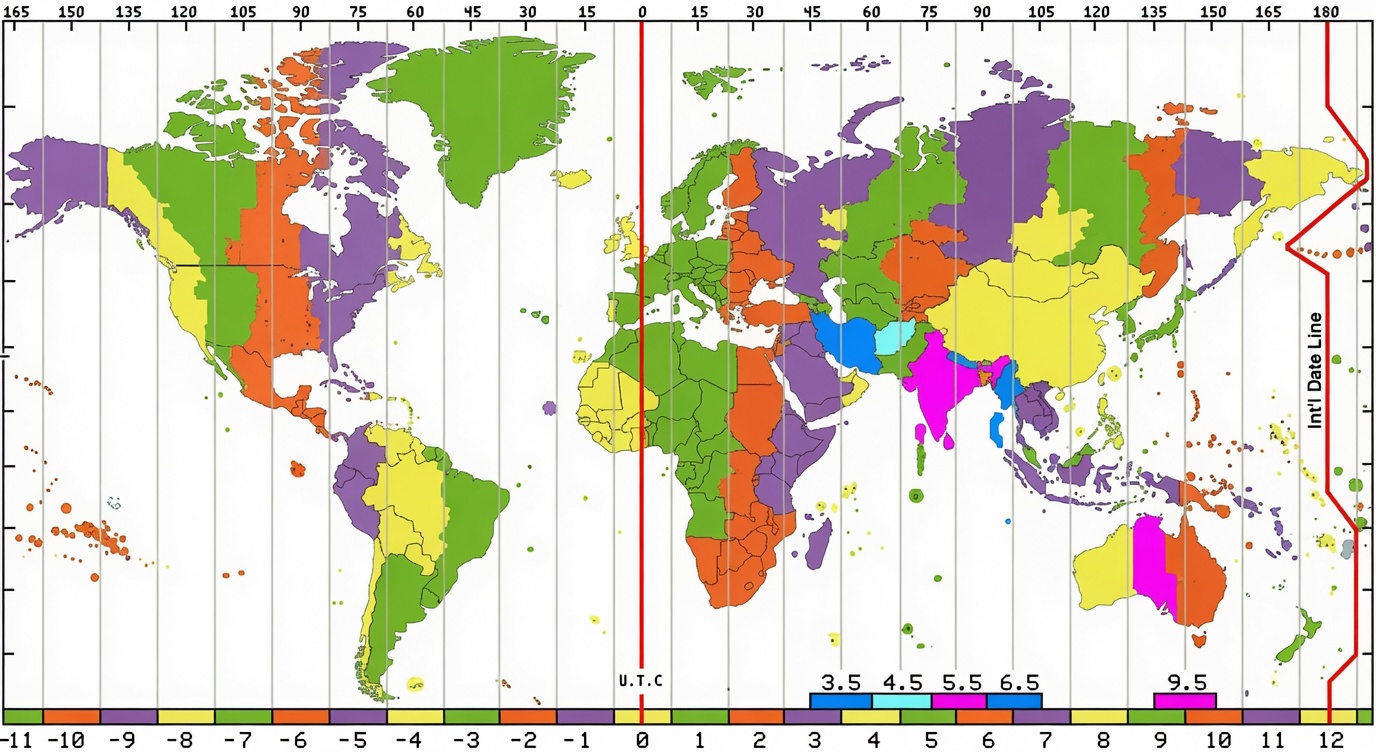
In other words, the country adjusted its calendar before the modern global system had even been formalized.
According to R. H. van Gent, the 1844 change went largely unnoticed outside the Philippines. Many European atlases and geographical handbooks continued to show the country using the old “American day reckoning” until the early 1890s.
One Day That Never Happened
The missing Tuesday did not mean people lost a day of their lives. Businesses reopened, ships continued sailing, and daily life went on as usual. Only the calendar changed.
But the decision carried a meaning that went beyond a skipped date.
For centuries, the Philippines had been oriented toward the Pacific world through Spain’s colonial system. By the mid 19th century, however, its economic and geographic reality was increasingly tied to Asia.
In that sense, the removal of a single calendar day came to symbolize a broader realignment of time and place. Nearly 180 years later, 31 December 1844 remains a date that officially never existed in Philippine history.