The Day of the Dead, also known as Día de los Muertos, is an annual celebration of Mexican people taking place on November 1 and 2. The event is held as a form of respect for family members who have passed away. Mexican people believe that the portal connecting the human world and the spirit realm remains open during the two days.
Before the main celebration begins, people carry out various preparations starting in late October. They set up altars in their respective homes and adorn them with papel picado decorative paper, skeleton figurines, and offerings sourced from traditional markets.
The Two Main Celebration Days
The welcoming sequence for Día de los Muertos is divided into two separate time stages. November 1 is known as Día de los Angelitos or Day of the Little Angels. The first day's commemoration is dedicated specifically to the spirits of children who passed away before their families.
The arrival of children's spirits is believed to begin at midnight at the turn of the month. Families arrange the deceased's favorite toys on the welcoming altar. The step continues with serving skull-shaped sugar treats to complete the offering.
Entering November 2, the primary activities take place as the culmination of the entire celebration sequence. The second day is specifically intended to welcome the return of adult spirits. Families serve heavy meals and the deceased's favorite beverages from their lifetime on the altar.
The Array of Welcoming Altar Offerings
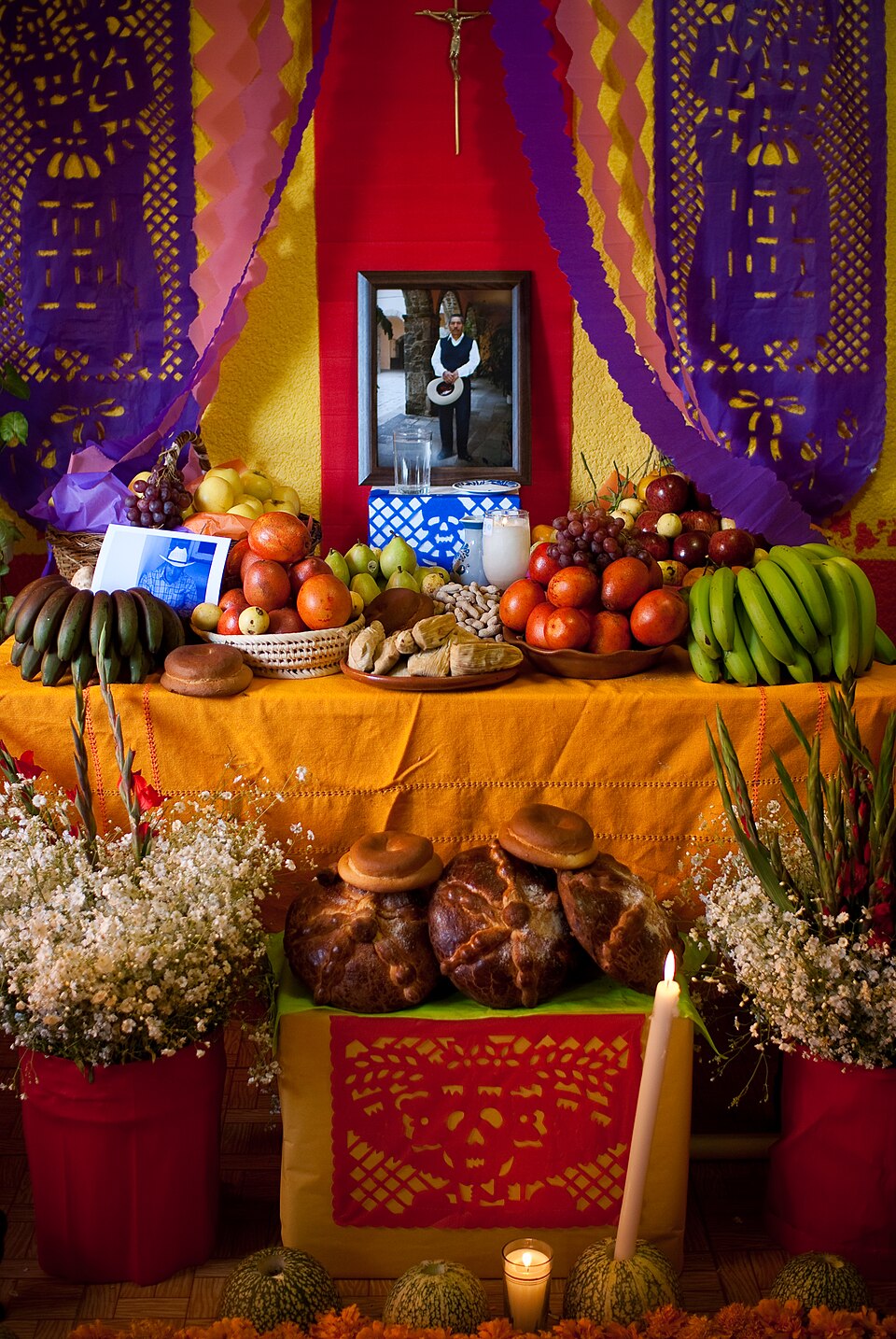
As a gathering space for the spirits, families construct tiered altars called ofrendas inside their homes. The altar is decorated with colorful cloths and portrait displays of the deceased. Families place personal belongings around the arranged photographs.
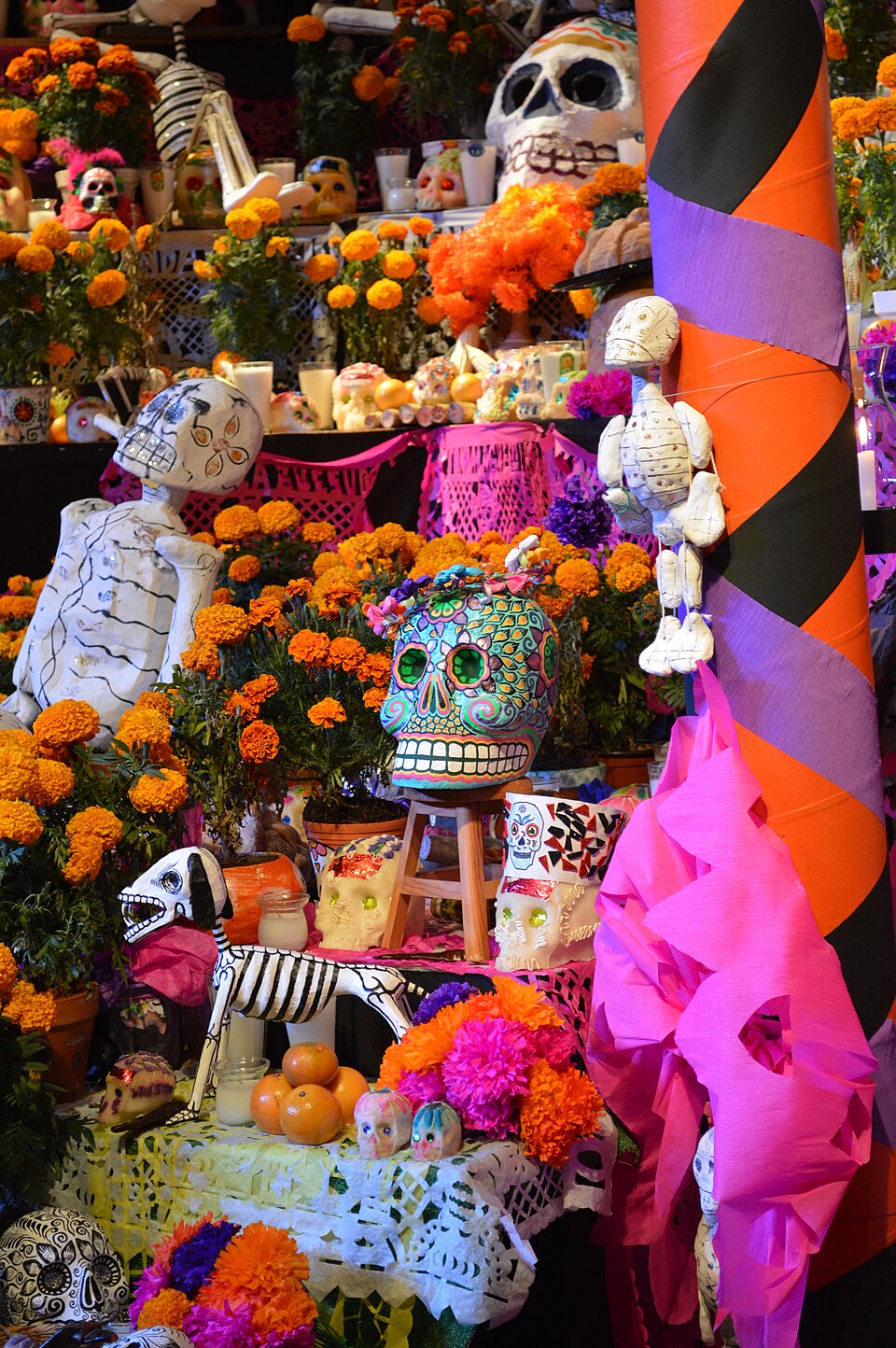
Beyond indoor decorations, orange marigold petals or cempasúchil are scattered along pathways. The scattered petals form trails extending from cemetery grounds to home entrances. The bright color and distinct scent of the petals serve as a guide for visiting spirits.
Apart from floral arrangements, traditional food offerings form an essential component atop the altar. A main staple served is pan de muerto, a sweet bread dusted with sugar and decorated with bone-shaped dough. Families also place traditional tamales and savory mole dishes around the serving plates.
Historical Roots of Aztec Catholic Cultural Fusion
Behind the festivities, the tradition holds deep historical roots stemming from Aztec culture in Mesoamerica. Prior to the arrival of the Spanish in the 16th century, indigenous people held month-long rituals honoring ancestors. The ancient ritual was overseen by the goddess governing the realm of the dead, Mictecacihuatl.
The arrival of Spanish Catholic missionaries subsequently shifted the scheduling of the indigenous ritual. The timing was adjusted to coincide with the observance of All Saints' Day and All Souls' Day. The change yielded a new form of celebration combining two distinct belief traditions.
In recognition of its historical value, UNESCO designated the event as Intangible Cultural Heritage of Humanity in 2008. The designation strengthened the position of the celebration as a vital cultural identity for the people of Mexico.
Cemetery Observances of Modern Mexican Society
Outside household grounds, people gather at public cemeteries on the night of November 2. Families clean headstones, tidy the grave surrounding areas, and light candles. Family members gather around the tombs until morning to recount memories of the departed.
To accompany the nighttime atmosphere, live performance of traditional mariachi music often echoes across cemetery grounds. Musicians perform the departed's favorite songs at the family's request.