The Philippines developed a vehicle category that combined the functions of a passenger car, light truck, van, and jeepney. Known as the Asian Utility Vehicle (AUV), it emerged alongside the country’s efforts to develop a domestic automotive industry in the 1970s.
AUVs used relatively simple construction and could be produced in several configurations, including pickups, vans, and passenger vehicles. A 1970s UNIDO study estimated that around 12,500 AUVs were produced in the Philippines in 1975.
A Vehicle Built Around Local Manufacturing
The development of AUVs was closely connected to the Philippines’ Progressive Car Manufacturing Program (PCMP). The program encouraged automotive companies to increase local production of components and develop manufacturing capabilities inside the country.
UNIDO documented several companies producing AUVs in the Philippines, including Ford Philippines’ Fiera and General Motors Philippines’ Harabas. Their vehicles could be configured as chassis-cabs, pickups, vans, or jeepneys.
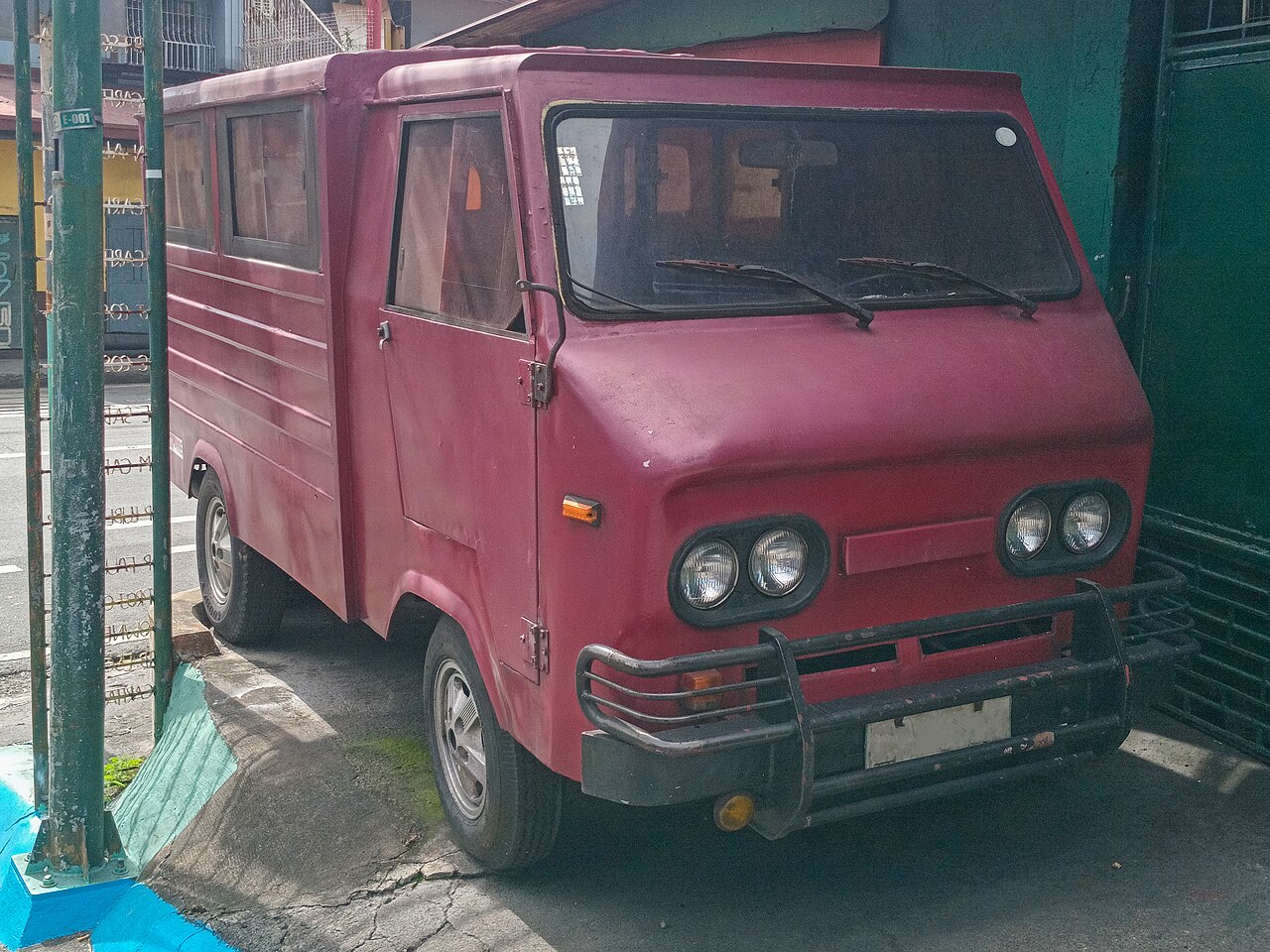
The relatively simple construction allowed manufacturers to use local labor and materials while limiting the need for specialized production equipment.
Government regulations later formally defined AUVs under the Commercial Vehicle Development Program, which required certain components to be locally manufactured or pressed. The program also linked commercial vehicles to the transportation of goods, services, and passengers.
Toyota Turned the AUV Into a Major Vehicle Category
Toyota introduced its own AUV in the Philippines in December 1976, naming it the Tamaraw, after the small buffalo native to Mindoro. The vehicle was developed around Philippine transportation conditions, government policies, consumer requirements, and local manufacturing capabilities.
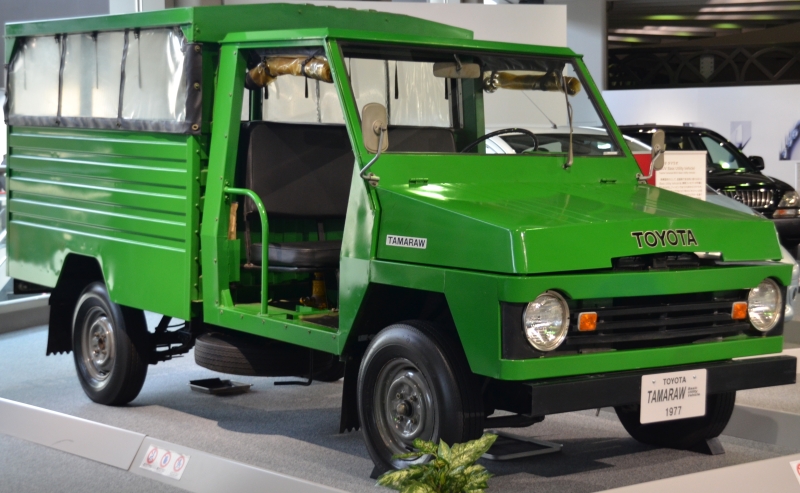
The first Tamaraw was available as a 15 passenger jeepney or a high side pickup capable of carrying three people and 600 kilograms of freight. Toyota stated that more than 50% of its content was locally produced at the beginning of production, including the body, frame, tires, and battery.
The category expanded rapidly during the same period.
Philippine Automotive Federation data compiled by UNIDO recorded AUV sales rising from 6,562 units in 1973 to 20,851 units in 1978. Sales remained above 20,000 units in 1979, when 20,685 AUVs were sold. In 1978, AUVs represented roughly 30% of the 69,961 vehicle sales recorded across passenger cars, AUVs, light commercial vehicles, and trucks in the dataset.
The concept also spread beyond the Philippines. Toyota introduced a related utility vehicle in Indonesia as the Kijang in 1977, shortly after the Tamaraw entered Philippine production.
The Tamaraw Returned
The AUV concept did not disappear from the Philippine automotive industry. Its most recognizable nameplate returned in a modern form.
Toyota began rolling out the Next Generation Tamaraw to Philippine customers in January 2025, following the start of local production in late 2024. The new Tamaraw is manufactured in Santa Rosa, Laguna, and is offered in configurations including dropside, utility van, and aluminum cargo versions.
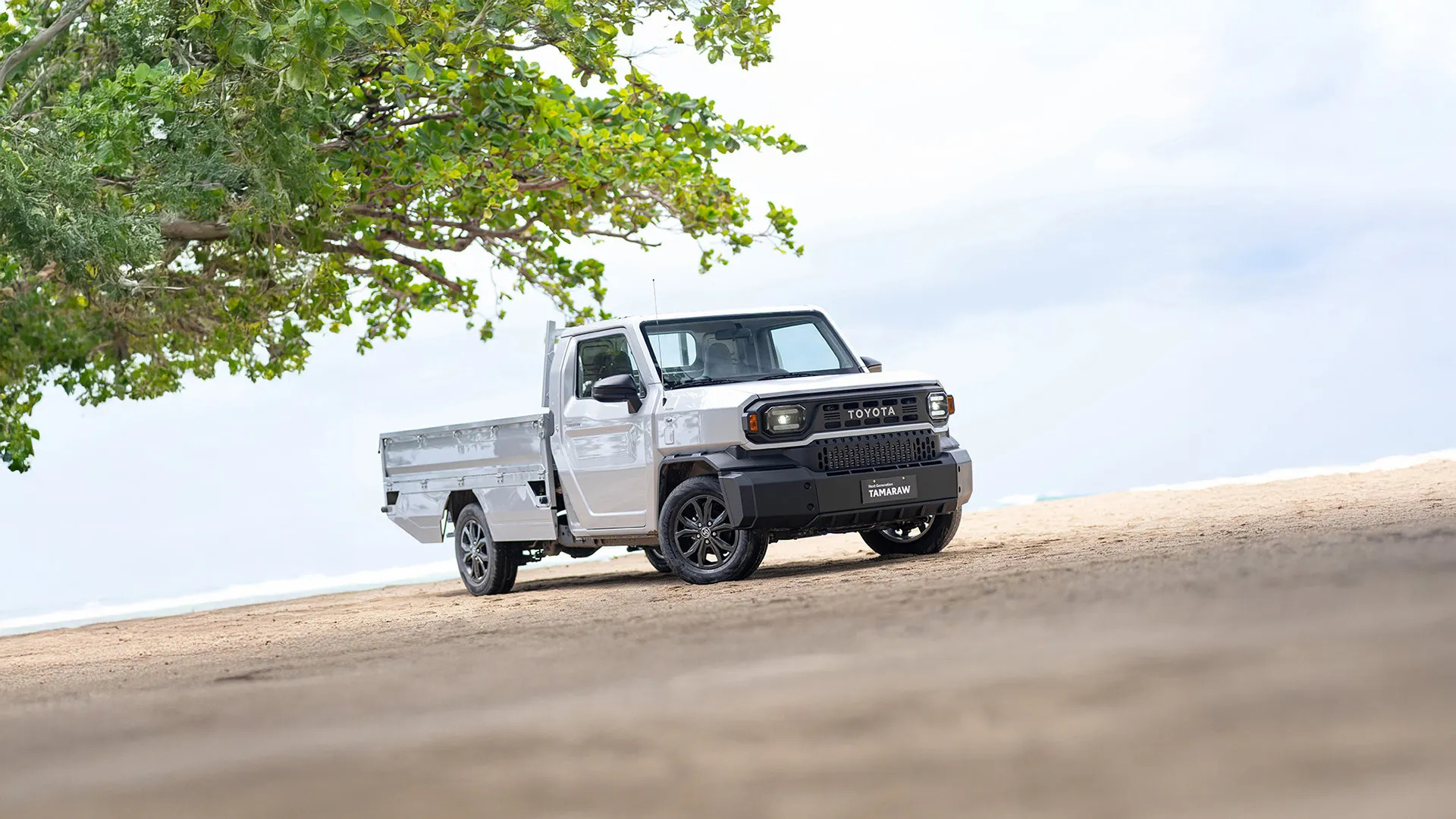
Toyota invested PHP 5.5 billion in the project, with local suppliers also participating in component production. The lineup was subsequently expanded with configurations including a wing van, mobile store, and food truck.
More than four decades after the original Tamaraw helped establish the AUV as a distinct Philippine vehicle category, the nameplate is now being used for a locally produced commercial vehicle designed for multiple applications.