The Philippines has a government agency dedicated specifically to one agricultural commodity: Sugar.
The Sugar Regulatory Administration (SRA) was created through Executive Order No. 18 on May 28, 1986 with a mandate to promote the growth and development of the sugar industry and improve working conditions for sugar workers.
The agency continues to regulate the industry four decades later. Its responsibilities include sugar production and allocation, licensing, market monitoring, research and development, and policies covering domestic supply and imports.
Under the Biofuels Act of 2006, SRA also became a member of the National Biofuel Board, with responsibilities related to bioethanol feedstock and domestic sugar supply.
An Industry Spanning Hundreds of Thousands of Hectares
The scale of the industry explains why sugar has its own regulatory institution.
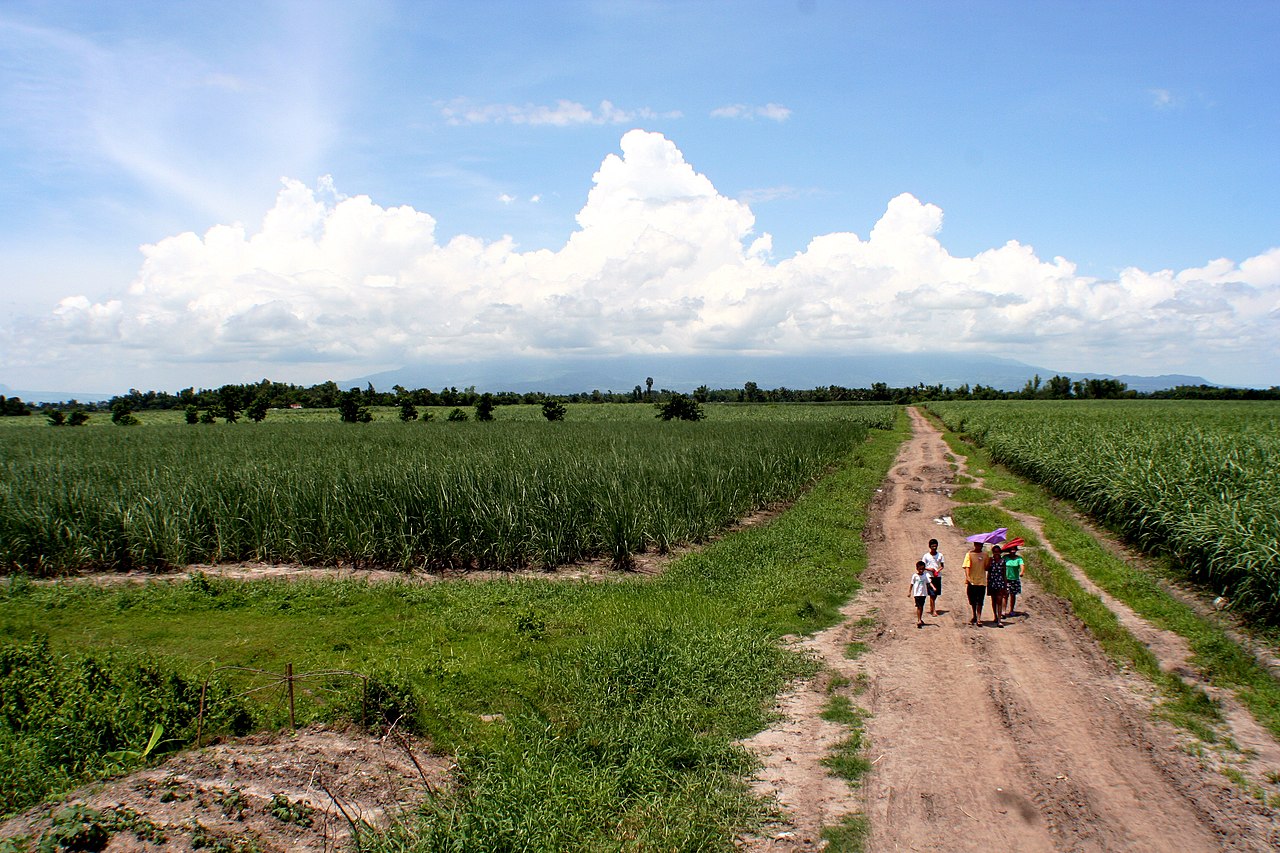
According to SRA statistics, the Philippines had 392,356 hectares of sugarcane area in crop year 2024-2025. Sugar mills processed 25.96 million metric tons of sugarcane, producing 2.09 million metric tons of raw sugar and 618,388 metric tons of refined sugar.
The industry currently has 25- registered sugar centrals and 12 registered sugar refineries. For the 2025-2026 crop year, sugarcane area increased to 408,205 hectares, while 23 of the 25 registered sugar centrals were operating as of May 3, 2026.
The SRA also maintains detailed statistics covering production, withdrawals, farm sizes, milling operations, prices and exports to the United States.
What Does the Sugar Agency Actually Do?
SRA regulates different stages of the sugar supply chain. Its administrative system includes licenses for traders, sugar mills and refineries, as well as certification requirements and monitoring of sugar stocks.
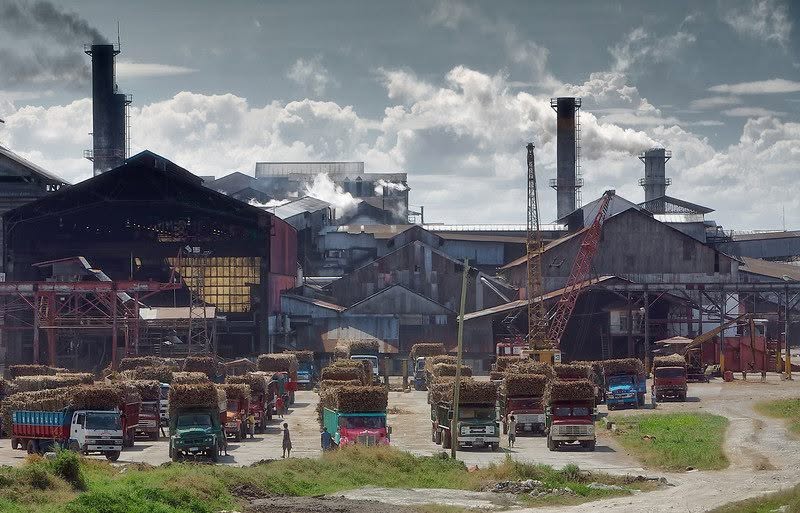
The agency also issues Sugar Orders governing specific aspects of production, imports, exports and the movement of sugar. Its 2024-2025 orders, for example, included rules covering sugar imports for food processors and manufacturers, exports under the US sugar quota and the movement of sugarcane planting materials.
The agency's role becomes particularly visible when domestic production changes.
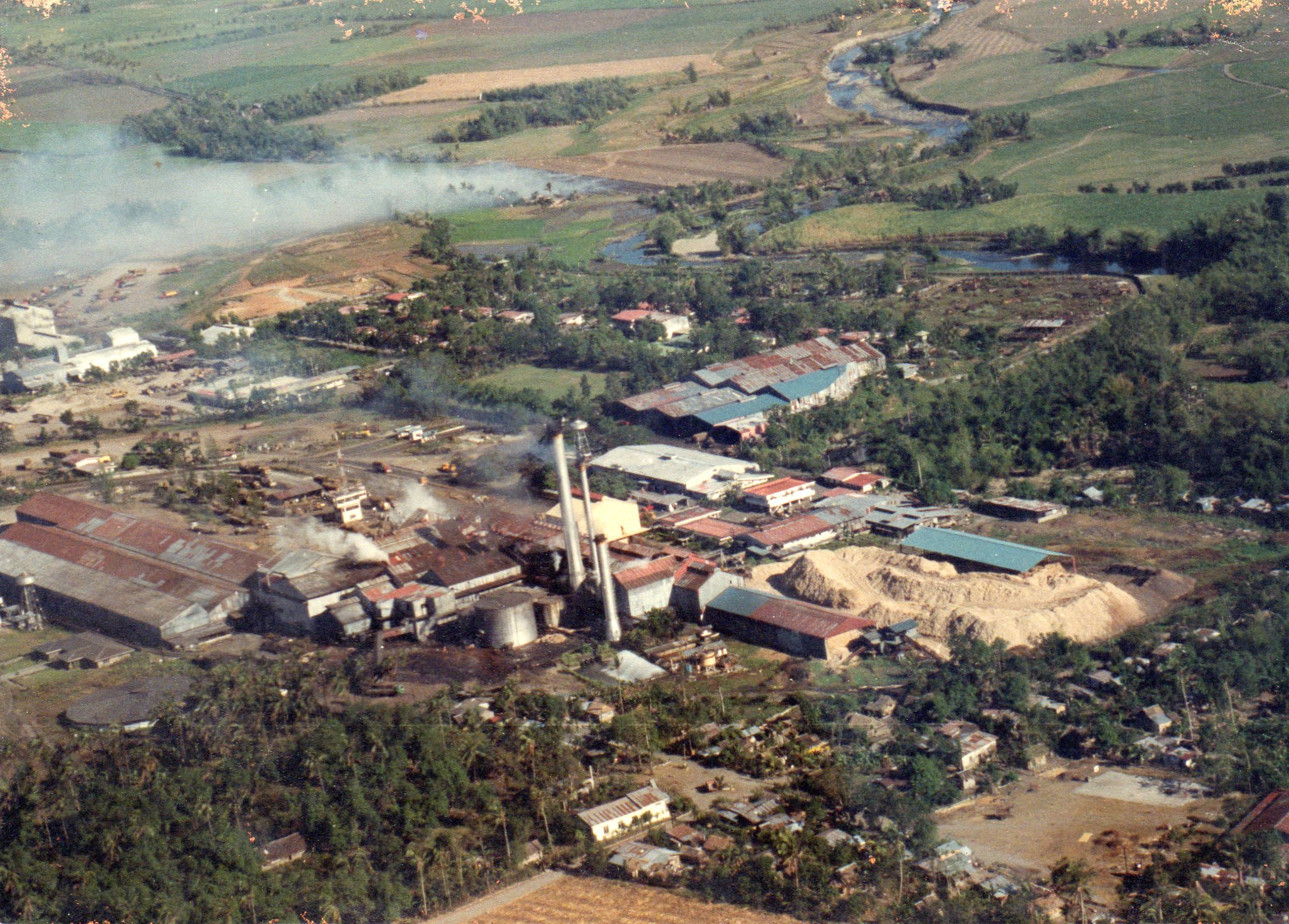
In June 2025, the Department of Agriculture reported, as cited by the Philippine News Agency, that Philippine raw sugar production had reached 2.015 million metric tons by June 8, exceeding the 2 million ton level for the first time since crop year 2020-2021. The figure was also about 300,000 metric tons above the initial 1.7 million ton projection.
Imports Are Also Part of Its Job
Sugar imports are closely linked to the SRA's regulatory decisions because the government uses import policy to manage domestic supply.
In October 2025, the Department of Agriculture and SRA announced that no sugar imports would be planned until the end of the 2025-2026 milling season, while maintaining a two-month buffer stock of refined sugar.
In December, the government extended the import moratorium through December 2026, citing stronger domestic production and the need to prioritize locally produced sugar. The SRA was also tasked with monitoring refinery operations and inventories.
At the same time, higher production created another issue. In January 2026, the Department of Agriculture approved an SRA plan to export 100,000 metric tons of raw sugar to the United States under the US tariff rate quota, after increased domestic production contributed to downward pressure on farmgate prices.
The Philippines therefore maintains a dedicated regulatory institution because sugar policy covers a chain extending from 408,205 hectares of sugarcane fields to mills, refineries, traders, domestic inventories, imports and exports.
The SRA's role spans those stages through production monitoring, licensing, allocation, market regulation and industry development.