There's a certain kind of store you'll spot in almost any Philippine neighborhood. Barely bigger than a closet, sometimes literally just a window cut into the front of someone's house.
Behind it, an improbable amount of stuff, instant coffee sachets, shampoo, pandesal, phone load, cooking oil, crammed onto a few shelves, sold to customers who often walk away with just one or two items.
That's the sari-sari store. And its tiny footprint isn't an accident or a space constraint, it's baked into how the business actually works.
Small Store, Small Purchase
The tingi system means consumers can buy products in quantities smaller than the standard package sold in supermarkets.
A customer does not necessarily need to buy a large bottle of detergent, a full pack of school supplies or a large quantity of food. Sari-sari stores can break products down into smaller units and sell them individually.
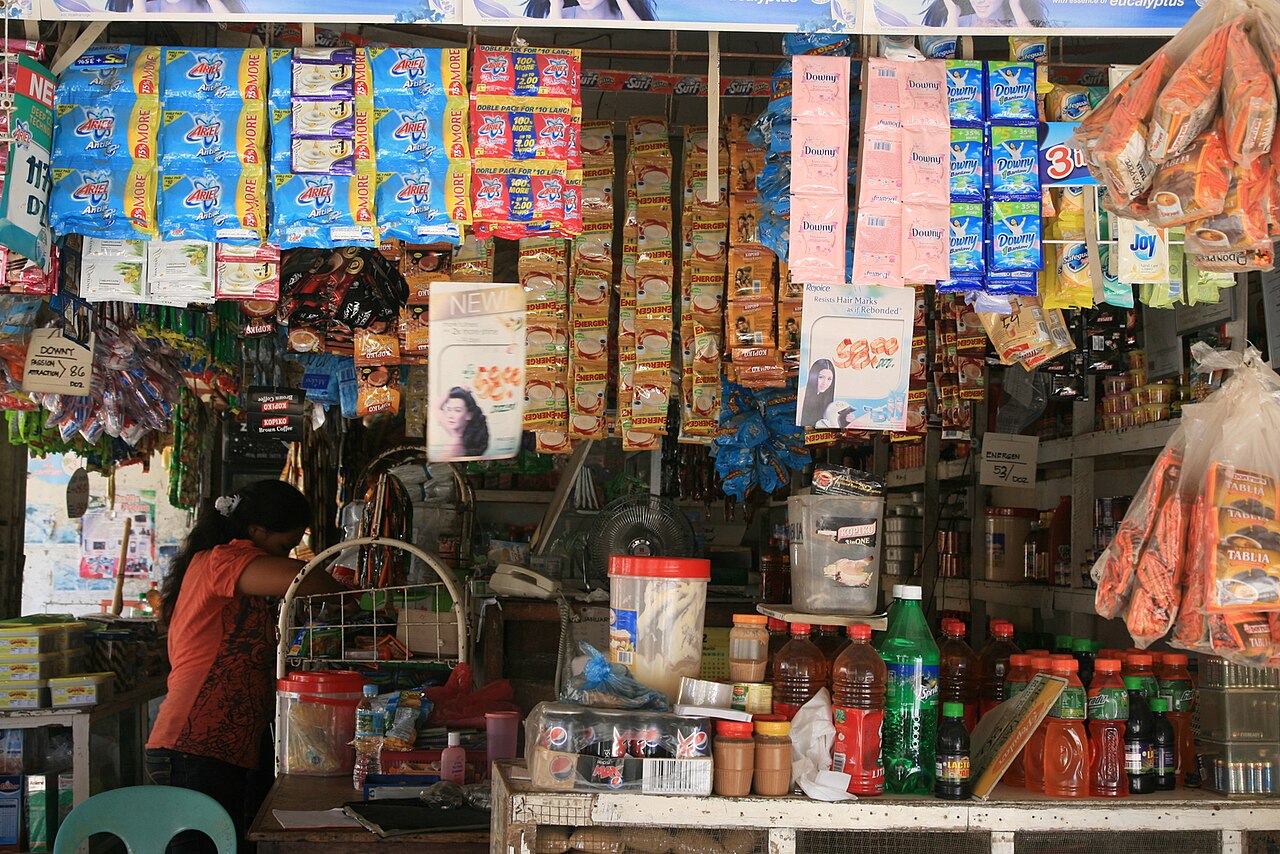
Recent data from Packworks shows how this model extends beyond traditional household products. Its 2025 analysis found that sari-sari stores near schools increasingly sold school supplies through tingi purchases.
The number of stores in its network located within about 400 meters of schools increased from around 71,000 in 2023 to 95,000 in 2024, before reaching 102,058 by June 2025.
The same dataset recorded a 71% increase in school supply sales in June 2025, while transactions for school supplies increased by 9% between 2023 and 2024. The total gross merchandise value, however, fell from ₱1.36 million (roughly $22,000) to ₱1.31 million (roughly $21,000), indicating more transactions involving smaller amounts.
A Tiny Shop With a Massive Network
The size of an individual sari-sari store does not reflect how widespread the retail format is.
Packworks estimated around 1.3 million sari-sari stores nationwide, with its own platform reaching nearly 23% of that estimated total. Its network covers more than 300,000 stores, and more than 213,000 stores actively transacted through its platform in 2025.
The network also extends far beyond Metro Manila. In 2025, active stores in Packworks' network increased by 21%, from around 176,000 in 2024 to 213,051. The Bangsamoro Autonomous Region in Muslim Mindanao recorded a 116% increase, while the Negros Island Region recorded a 58% increase.
The national food access data tells a similar story. According to the 2023 National Nutrition Survey conducted by the Department of Science and Technology Food and Nutrition Research Institute, traditional food stores including sari-sari stores and other small retailers were accessible to 99.2% of urban households and 98.6% of rural households.
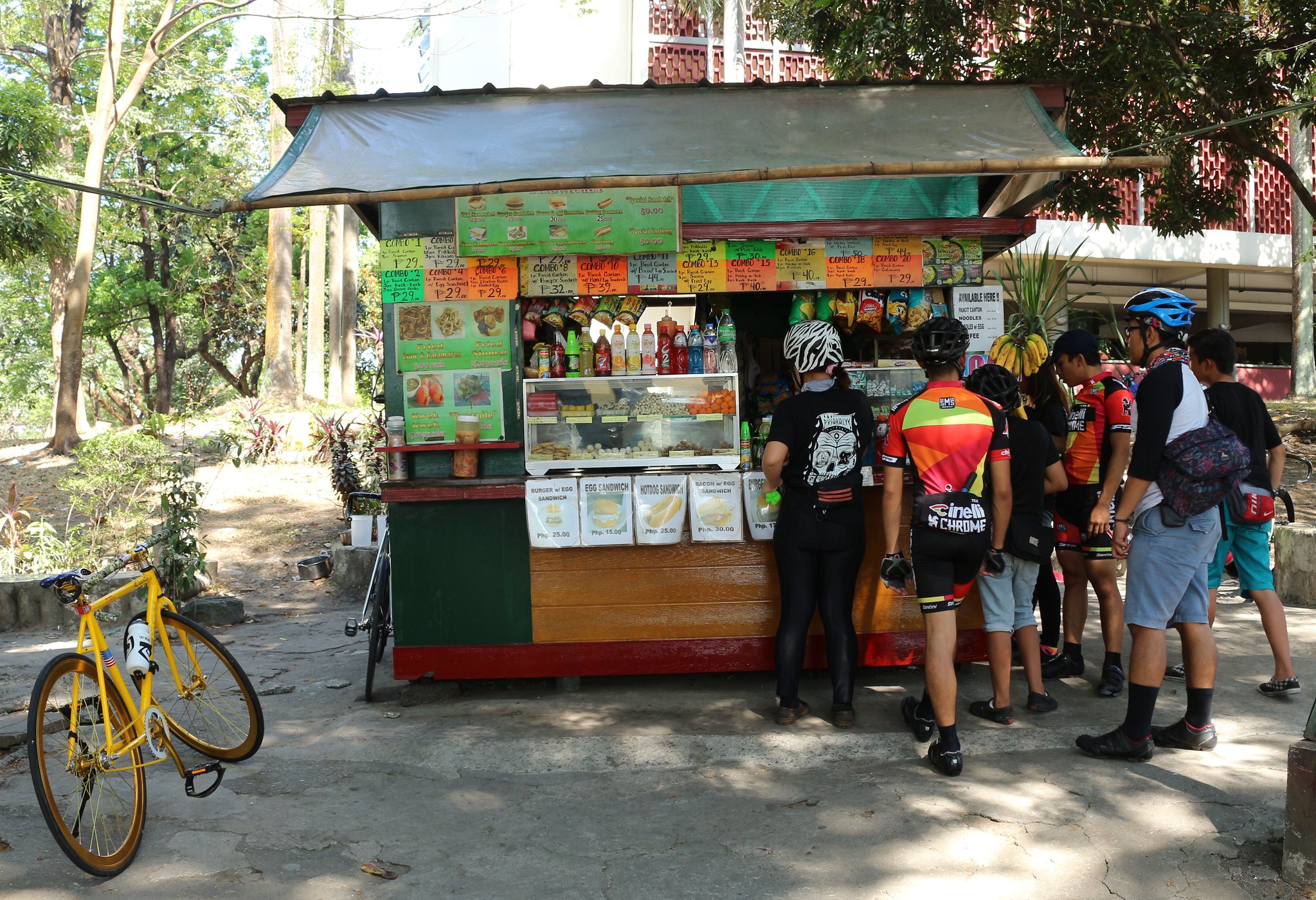
Around 66.9% of Filipino households regularly purchased food from sari-sari stores and other small retailers.
Why Keep the Store Small?
The business model does not require a supermarket sized inventory.
A small store can operate from part of a home, carry fast-moving products, restock according to available cash and sell products in small units. A 2017 case study published in the Asia Pacific Journal of Island Sustainability looked at sari-sari stores in Catanduanes, a rural province off the eastern coast of Luzon, far from Metro Manila's supermarket chains captures why this works.
On an island where these stores are often the only retail option around, not just a convenient one, researchers found that family members took turns managing the businesses, folding the store directly into how the household runs day to day.
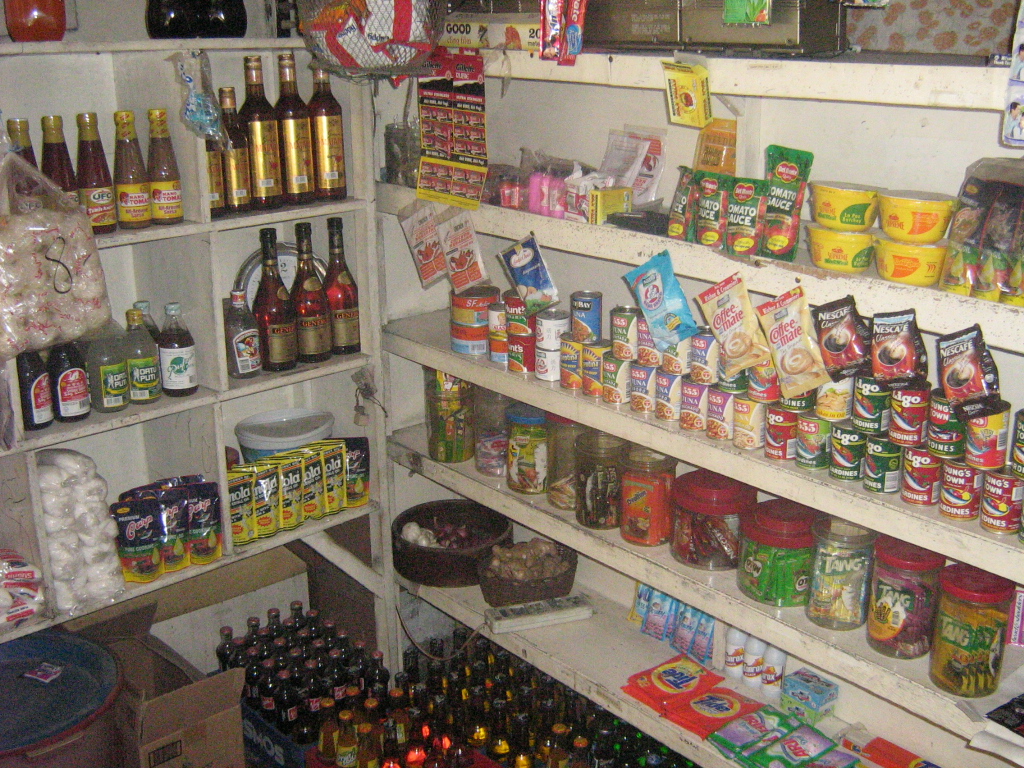
Consumer spending also fits the format. The 2023 National Nutrition Survey found that 62.6% of households spending at traditional food outlets spent between ₱100 and ₱500 (roughly $1.60 to $8) per purchase. At modern food outlets such as supermarkets and restaurants, 55.1% of households spent more than ₱1,000 (roughly $16).
Packworks' 2024 data showed another shift, average monthly spending at sari-sari stores fell to ₱689 (roughly $11) from ₱781 (roughly $13) the year before, while purchasing became more frequent.
So the sari-sari store's tiny window reflects a retail system built around small spaces, small inventories and small purchases, while serving millions of Filipino households across the country.