Southeast Asia is home to some of the world’s fastest growing aviation markets. With hundreds of millions of people spread across thousands of islands and rapidly expanding cities, airlines in the region need increasingly large fleets to keep up with demand.
But which Southeast Asian airlines actually operate the most aircraft?
These figures reflect each airline's total registered fleet, including aircraft currently active, parked, or temporarily grounded. It's also worth noting that the ranking counts aircraft in each airline's own fleet, rather than combining subsidiaries or entire airline groups.
Using fleet data from Planespotters.net, here are the five largest individual airlines in Southeast Asia by fleet size as of early September 2026.
1. Singapore Airlines: 164 aircraft

Singapore Airlines leads the region by a considerable margin, with 164 aircraft in its fleet.
The airline operates a diverse fleet of wide and narrow body aircraft, including the Airbus A350, A380 and A320 family, as well as several Boeing types. Its most numerous aircraft type is the Boeing 787-10 Dreamliner, with 28 aircraft currently listed in the fleet.
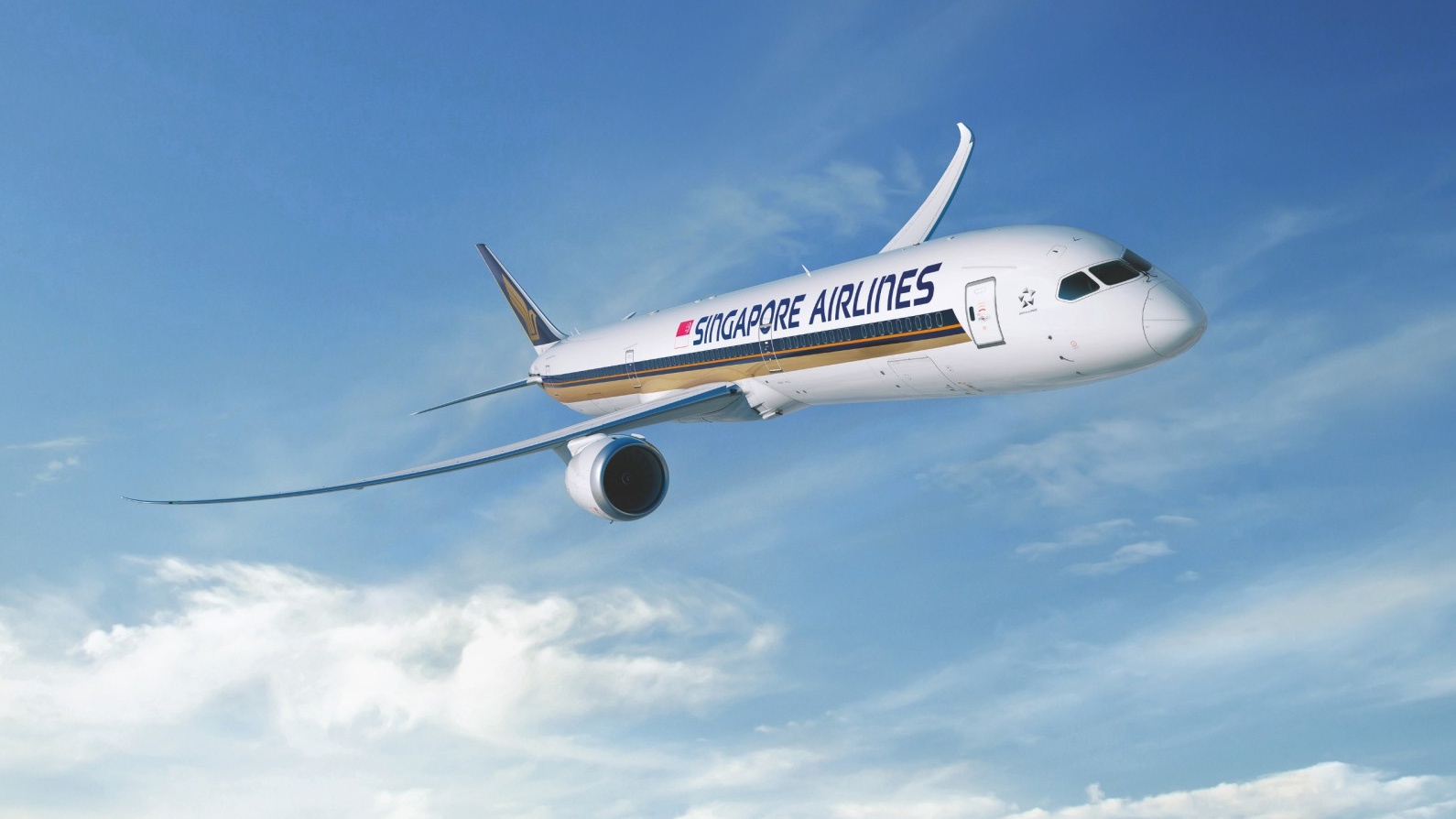
The fleet reflects Singapore’s role as a major international aviation hub. Despite the city state’s small geographic size, Singapore Changi Airport connects the airline to destinations across Asia, Europe, the Americas and beyond.
2. VietJetAir: 107 aircraft

Viet nam’s VietJetAir comes next with 107 aircraft.
The airline’s fleet is dominated by the Airbus A321 family, with 83 aircraft listed in its fleet, including both A321-200s and A321neos. This makes the A321 particularly important to VietJet’s high capacity, short and medium haul network.
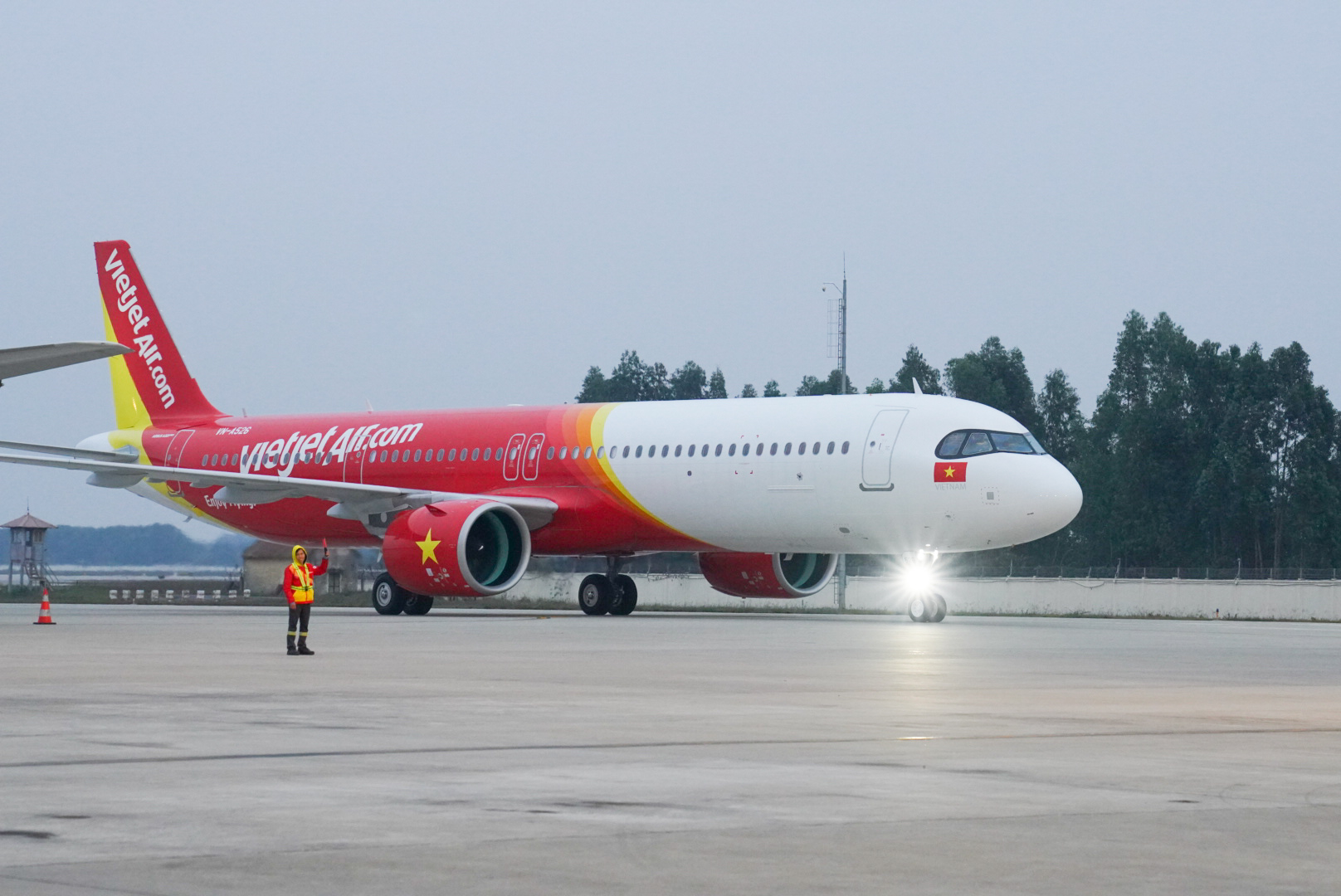
Unlike Singapore Airlines, VietJet has built much of its network around the low cost model, focusing heavily on domestic Vietnamese routes as well as destinations across Asia.
The airline’s fleet size is particularly notable considering VietJet only began operations in 2011.
3. AirAsia Malaysia: 104 aircraft

Malaysia’s AirAsia operates 104 aircraft, placing it third.
The airline is overwhelmingly an Airbus A320 family operator. Its most numerous individual aircraft type is the Airbus A320-200, with 55 aircraft, while another 23 are A320neos.
This standardized fleet has long been central to AirAsia’s low cost business model, allowing the airline to operate a large network with relatively similar aircraft.
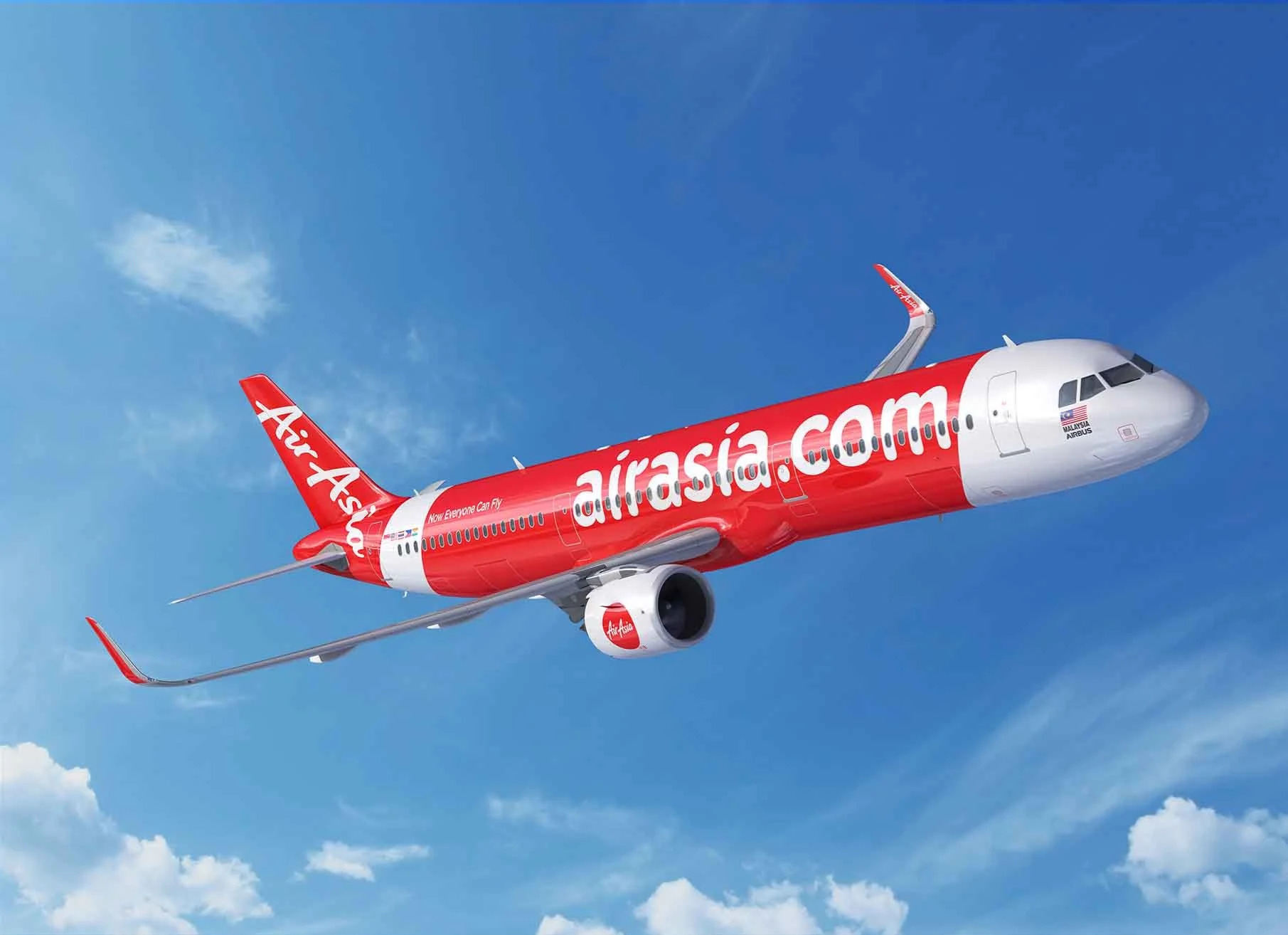
The figure here refers specifically to AirAsia Malaysia, rather than the wider AirAsia group, which operates additional airlines across Southeast Asia.
4. Vietnam Airlines: 97 aircraft

Vietnam Airlines has a fleet of 97 aircraft, making it the second Vietnamese airline in the top five.
Its fleet is heavily centered around the Airbus A321-200, with 40 aircraft. The airline also operates A321neos, Airbus A350-900s and Boeing 787 Dreamliners for longer international routes.
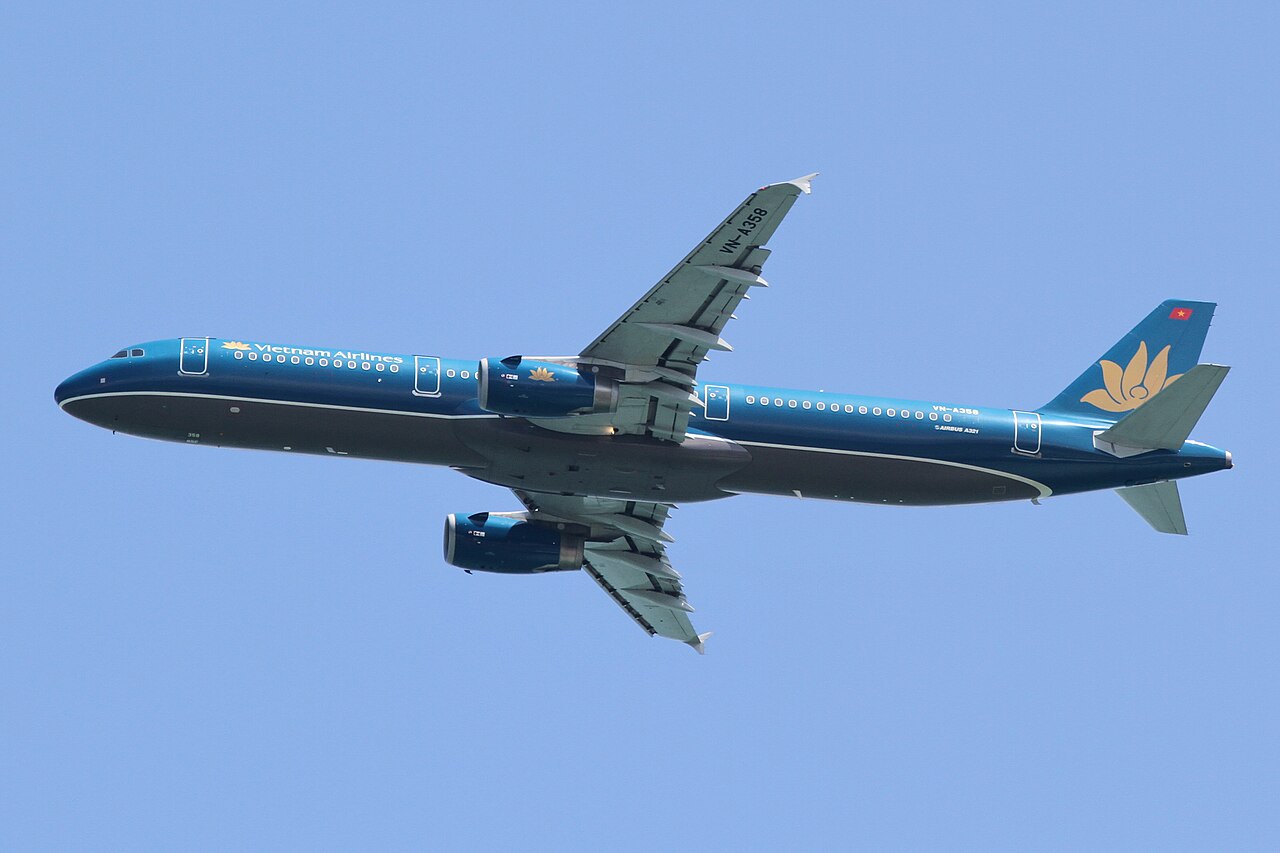
As Vietnam’s flag carrier, the airline uses this mix of narrow and wide body aircraft to serve both its extensive domestic network and international destinations across Asia, Europe and Australia.
5. Cebu Pacific: 96 aircraft

Rounding out the list is the Philippines’ Cebu Pacific, with 96 aircraft.
Its largest aircraft type is the Airbus A320-200, with 37 aircraft, followed by 27 A321s and 15 ATR 72 turboprops.
The combination gives Cebu Pacific the flexibility to serve both major international routes and domestic destinations across the Philippines’ vast archipelago.
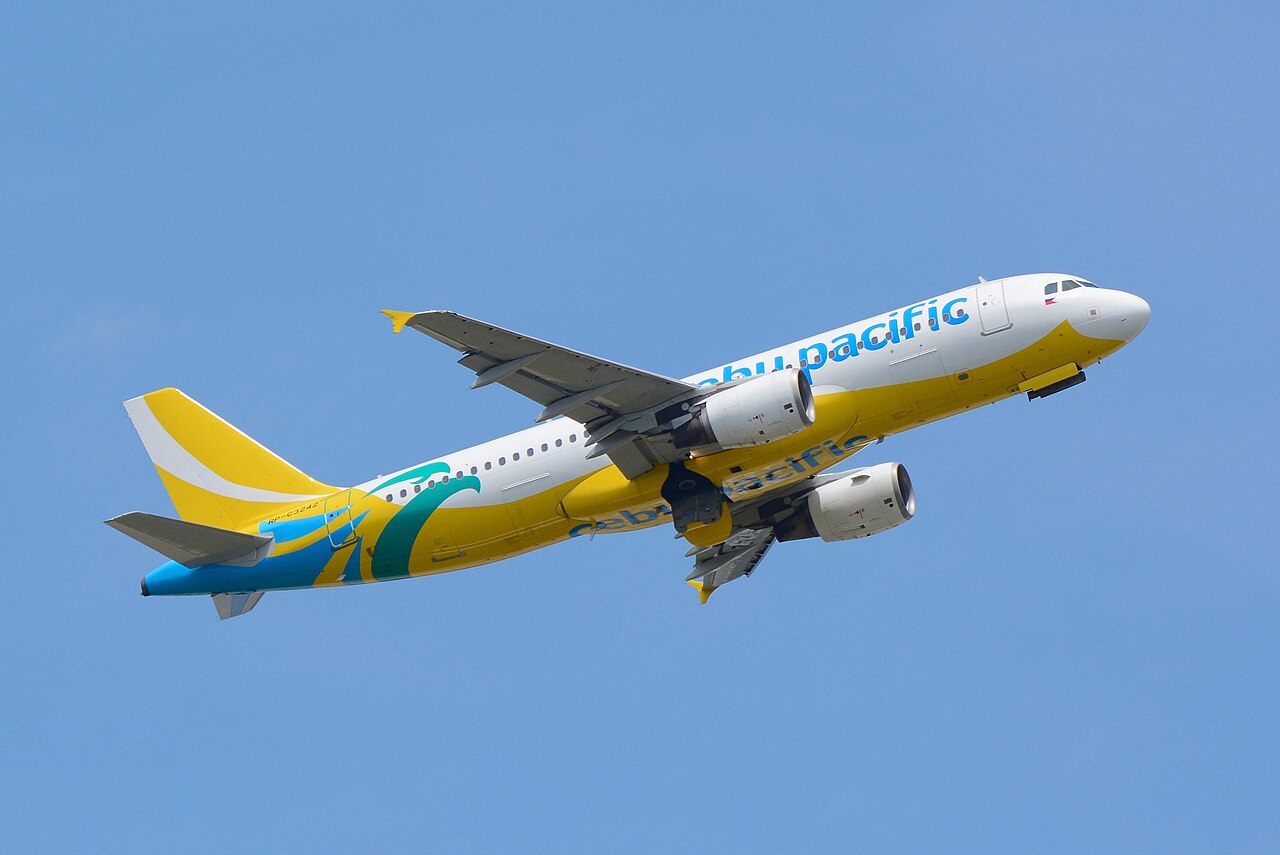
That geographic challenge is particularly important. With thousands of islands spread across the country, air travel plays a crucial role in connecting the Philippines, helping explain why Cebu Pacific has built one of the region’s largest fleets.
A Region Still Adding Aircraft
Together, these five airlines have 568 aircraft in their individual fleets.
The ranking also shows that fleet size is not simply determined by the size of a country’s population. Singapore Airlines leads despite Singapore being one of the region’s smallest countries, largely because Singapore functions as a major global aviation hub.
Meanwhile, low cost carriers such as VietJet, AirAsia and Cebu Pacific have built large, relatively standardized fleets to serve Southeast Asia’s growing demand for affordable air travel.
And with airlines across the region continuing to expand and renew their fleets, Southeast Asia’s skies are likely to become even busier in the years ahead.