Concorde is synonymous with the London-Paris-New York route, cruising at Mach 2 (about twice the speed of sound), flying at 60,000 feet (around 18.3 kilometers), and cutting Atlantic crossing times to under four hours.
Less known is that this supersonic aircraft also made regular trips to Southeast Asia throughout the 1970s, stopping in Bangkok, Singapore, Manila and Jakarta.
Of those four cities, only one actually became part of Concorde's scheduled passenger network, Singapore.
What Was Concorde?
Concorde was a supersonic passenger aircraft jointly developed by Britain and France.
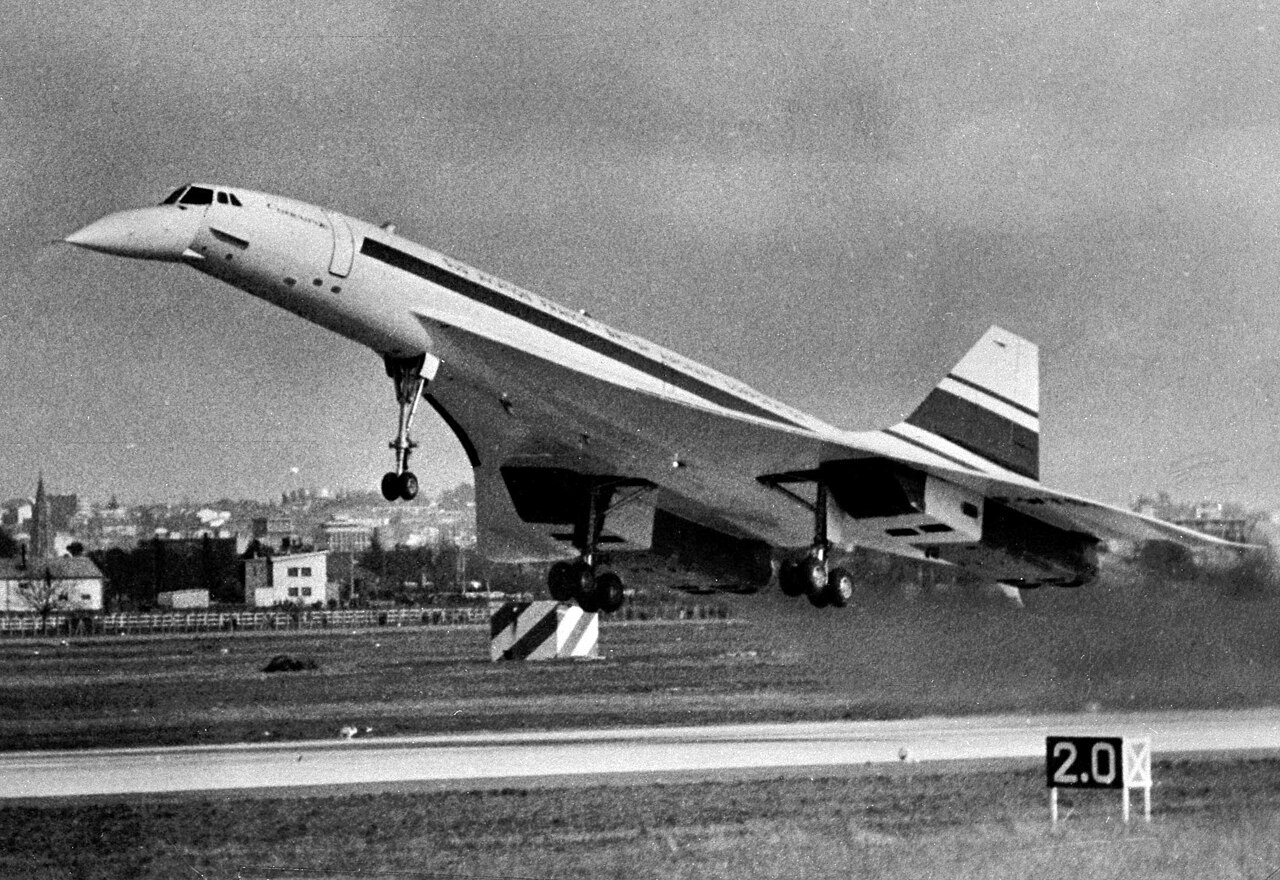
capable of flying at around Mach 2, or more than 2,000 km/h, far above the speed of ordinary passenger jets. This speed cut long distance travel dramatically, taking a London-New York flight down to less than four hours, roughly half the time of a conventional airliner.
The aircraft was built entirely around that performance. It had a long, slender fuselage, a distinctive delta wing, and four Rolls-Royce/Snecma Olympus turbojet engines with afterburners, normally cruising at around 60,000 feet while carrying only around 100 passengers, far fewer than the wide body jets used on most long haul routes.
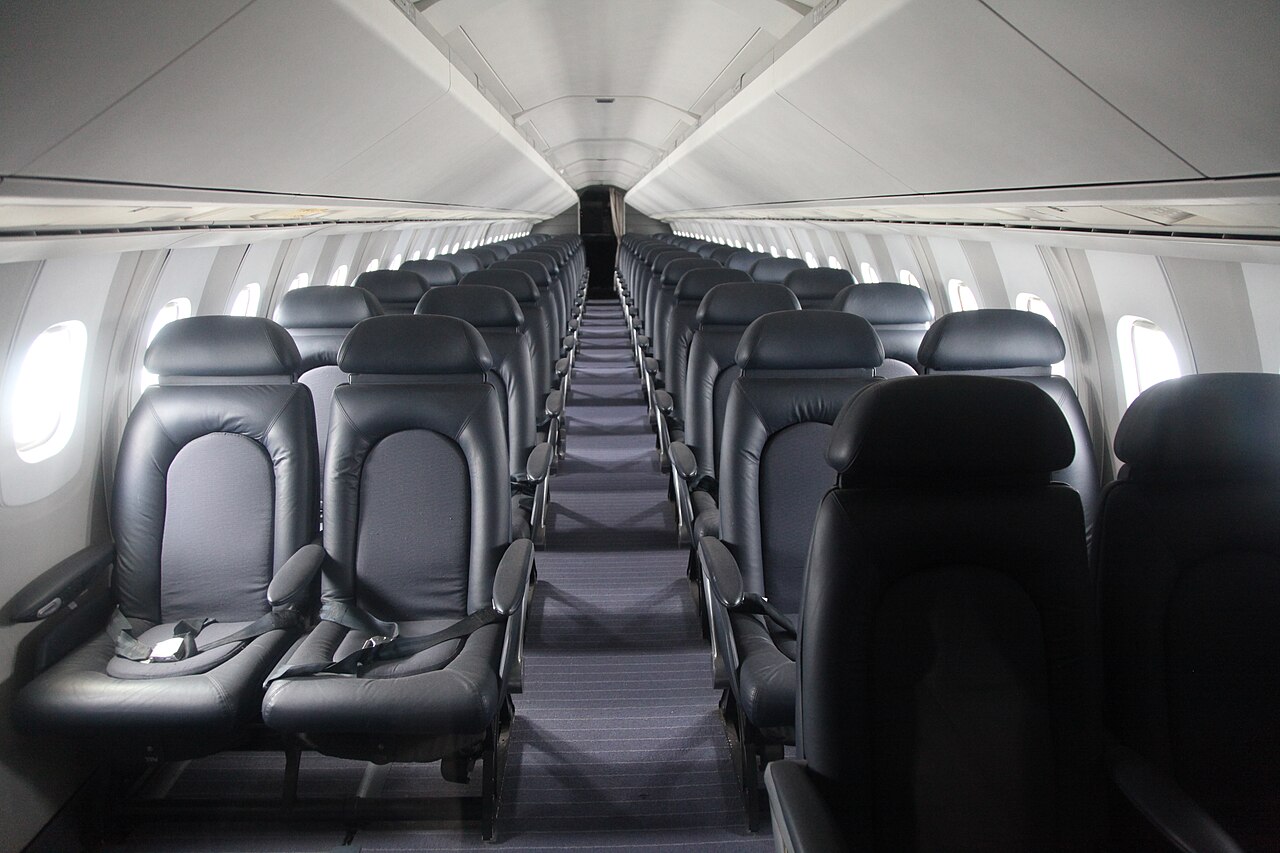
This speed came with a major operational drawback, the sonic boom.
Flying faster than sound produced shock waves that reached the ground, making supersonic flight over populated areas politically and environmentally sensitive, a problem that would become especially significant on Concorde's route into Southeast Asia.
Concorde Had Already Visited Southeast Asia
Singapore was not Concorde's first Southeast Asian stop.
In 1972, prototype Concorde 002 made an extensive Far East and Australian sales tour, visiting Bangkok, Singapore and Manila before continuing to Japan and Australia. According to Aérospatiale's, Concorde was presented to 13 airlines and flew 12 demonstration flights across the 12 countries visited.
The aircraft returned through Singapore on its way back to Britain, making Singapore an early destination in Concorde's development as an international airliner.
Jakarta also received Concorde. Air France’s F-BTSC landed at Halim Perdanakusuma Airport on November 8, 1976, during a promotional tour of the Far East. Aviation History of Indonesia, citing contemporary reporting, says hundreds of people witnessed the aircraft’s arrival at Halim that morning.
These were promotional visits, not a passenger service.
Singapore Got Its Own Concorde Route
British Airways and Singapore Airlines launched a joint Concorde service between London Heathrow and Singapore's Paya Lebar Airport, on December 9, 1977, with a stop in Bahrain, according to Concorde SST.
The scheduled service operated three times a week, with a journey time of about nine hours including the Bahrain stop. The aircraft assigned to the route was British Airways' G-BOAD, which famously carried Singapore Airlines' livery on one side of its fuselage and British Airways' livery on the other.
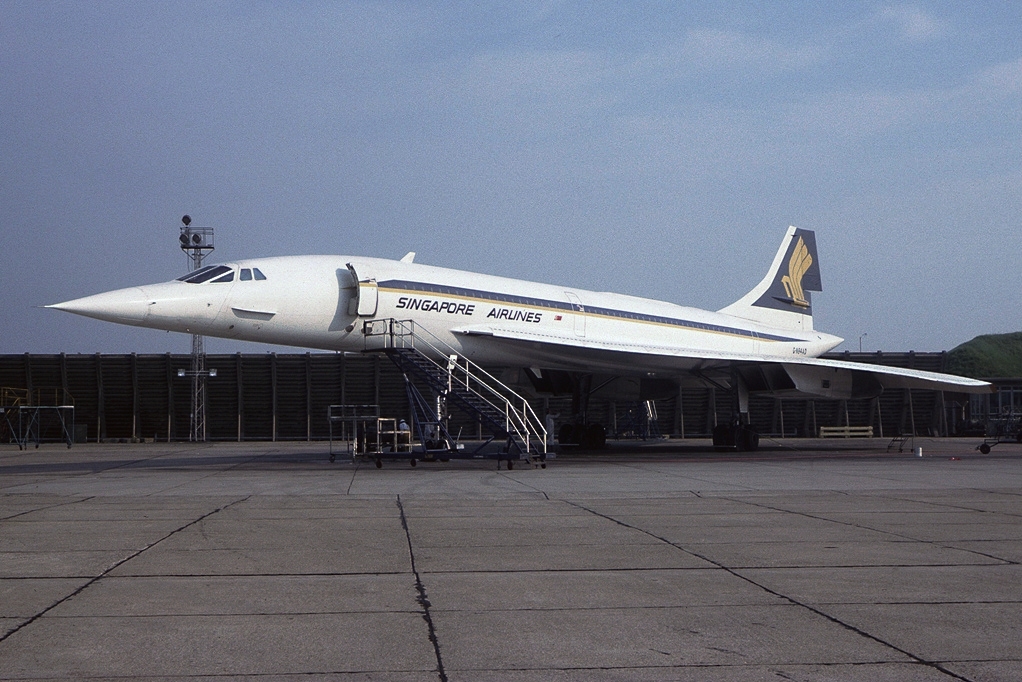
It was an extraordinary proposition for the time, letting passengers leave London and reach Singapore in roughly the time it takes some modern travelers to fly from Europe to the Middle East and connect onward to Asia.
That advantage, however, would not last long.
The Sonic Boom Problem
A sonic boom is the loud shockwave produced when an aircraft flies faster than the speed of sound, strong enough to be felt on the ground and, in some cases, to rattle windows or startle residents below the flight path.
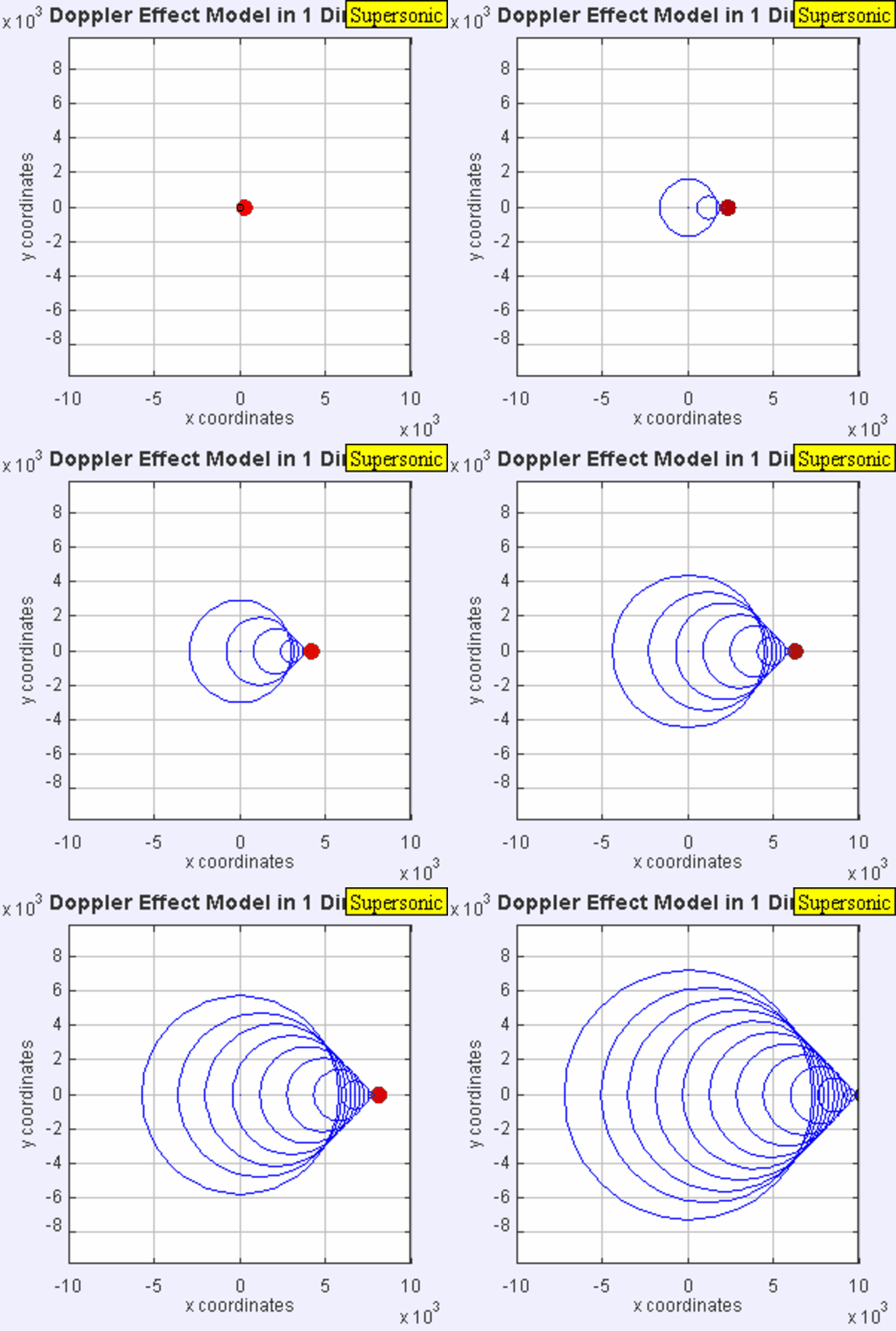
This was the issue that derailed Concorde's Singapore route almost as soon as it began. Malaysia objected to Concorde's supersonic boom over the Straits of Malacca. After just three return flights, the service was suspended on December 13, 1977.
The dispute was eventually resolved after more than a year of negotiations.
Concorde returned to the London-Singapore route on January 24, 1979, but only after British Airways and Singapore Airlines agreed the aircraft would fly at subsonic speed over Malaysian territory, limiting its supersonic segment to a brief stretch over the Straits of Malacca rather than the full overflight used in 1977.
The service continued for another 20 months before being withdrawn on November 1, 1980. Concorde SST and Heritage Concorde both cite falling traffic and particularly weak westbound load factors among the reasons for the withdrawal, with the route reportedly losing around £2 million (roughly US$4.7 million) a year at that time.
The route also faced operational constraints. Heritage Concorde notes that high temperatures at Singapore’s Paya Lebar Airport could restrict the aircraft’s payload, while subsonic operation made the route particularly expensive.
So while Concorde briefly appeared in several Southeast Asian cities, Singapore was the only one to become a scheduled Concorde destination.