Singapore Airlines is the only major airline in Southeast Asia that still flies the Airbus A380 to passengers. The A380 is a quadjet, the name for a four-engine jet, as are the Boeing 747-400 freighters in the airline’s cargo fleet.
Almost every other airline in the region has parted with its giants.
Thai Airways grounded its six A380s in 2020 and never brought them back into regular service. Malaysia Airlines began sending its six back to Airbus in 2022, and Garuda Indonesia retired its last 747-400 back in 2017.
The Changing Fleets of Southeast Asian Airlines
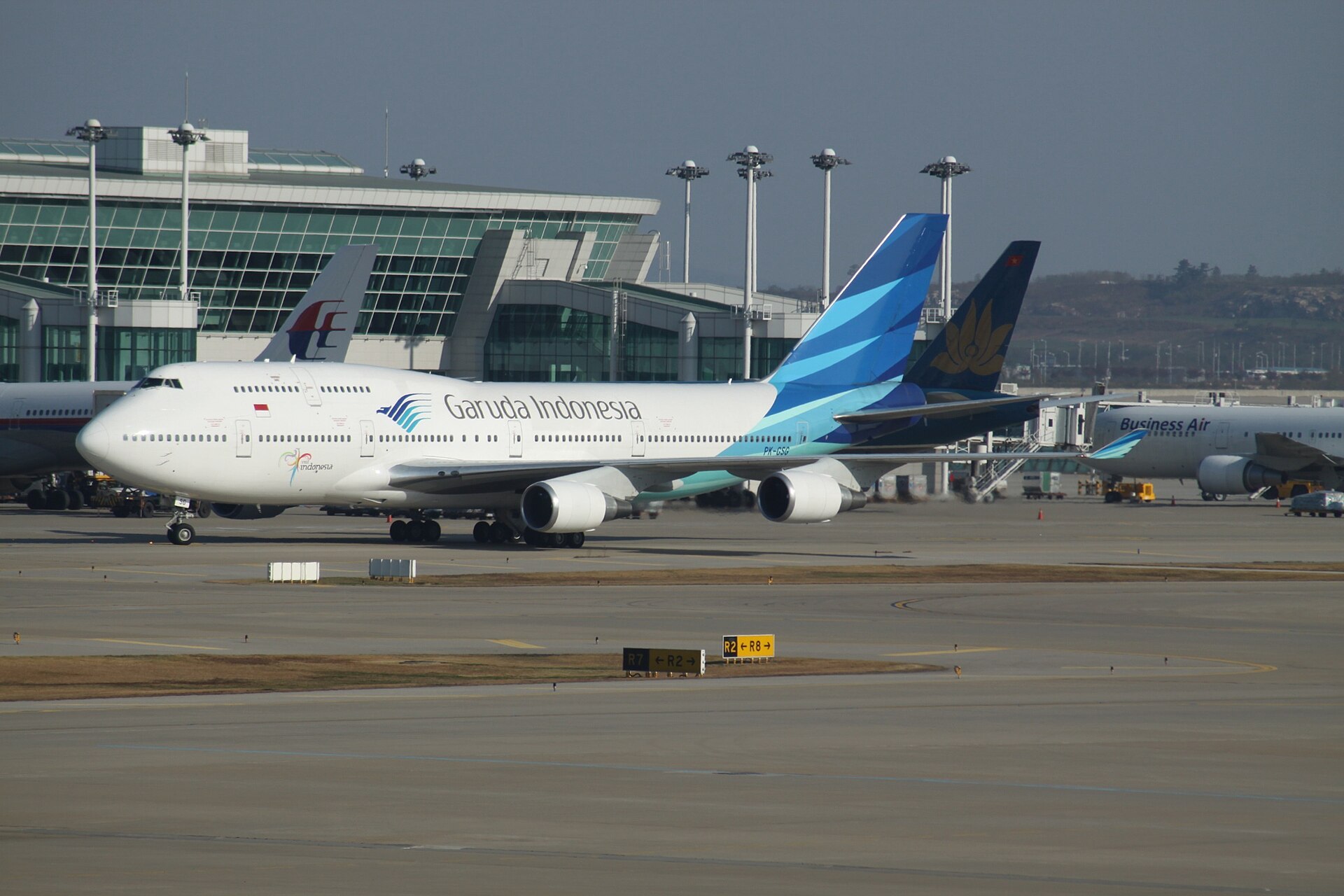
Garuda Indonesia said goodbye to the Boeing 747-400 in October 2017, retiring its last three after 23 years. Each seated 428 passengers, and the type was a familiar sight on Hajj flights to Saudi Arabia.
Garuda pointed to fleet renewal, citing the lower fuel consumption of its Boeing 777-300ERs.
Malaysia Airlines’ six Airbus A380s never returned to commercial service after the COVID-19 pandemic grounded them in 2020. In September 2022, parent company Malaysia Aviation Group (MAG) confirmed it would retire all six and return them to Airbus. The first aircraft was flown to France in November 2022.
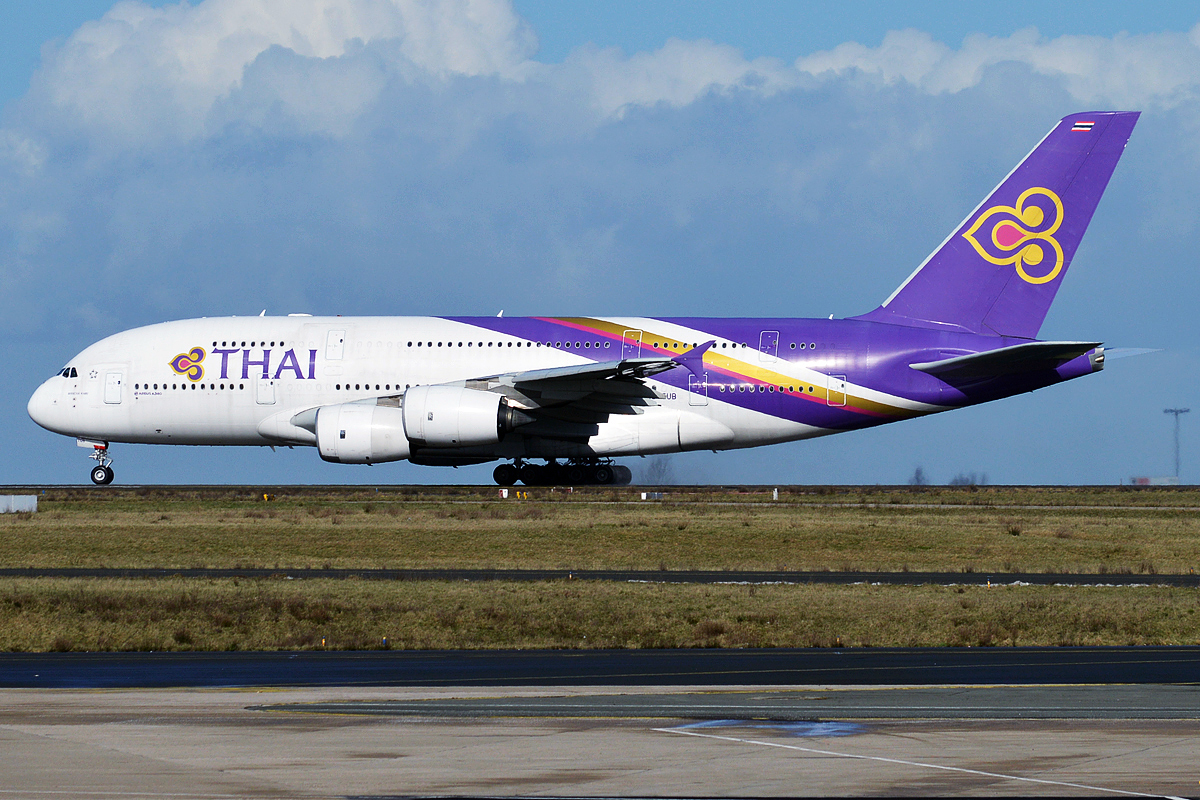
Thai Airways let go of both of its four-engine types during its restructuring. Its six A380s were grounded in 2020 and did not fly passengers again, and the airline began offering them for sale in 2023. The 747-400s were phased out and sold off gradually, with the last one formally retired in April 2024.
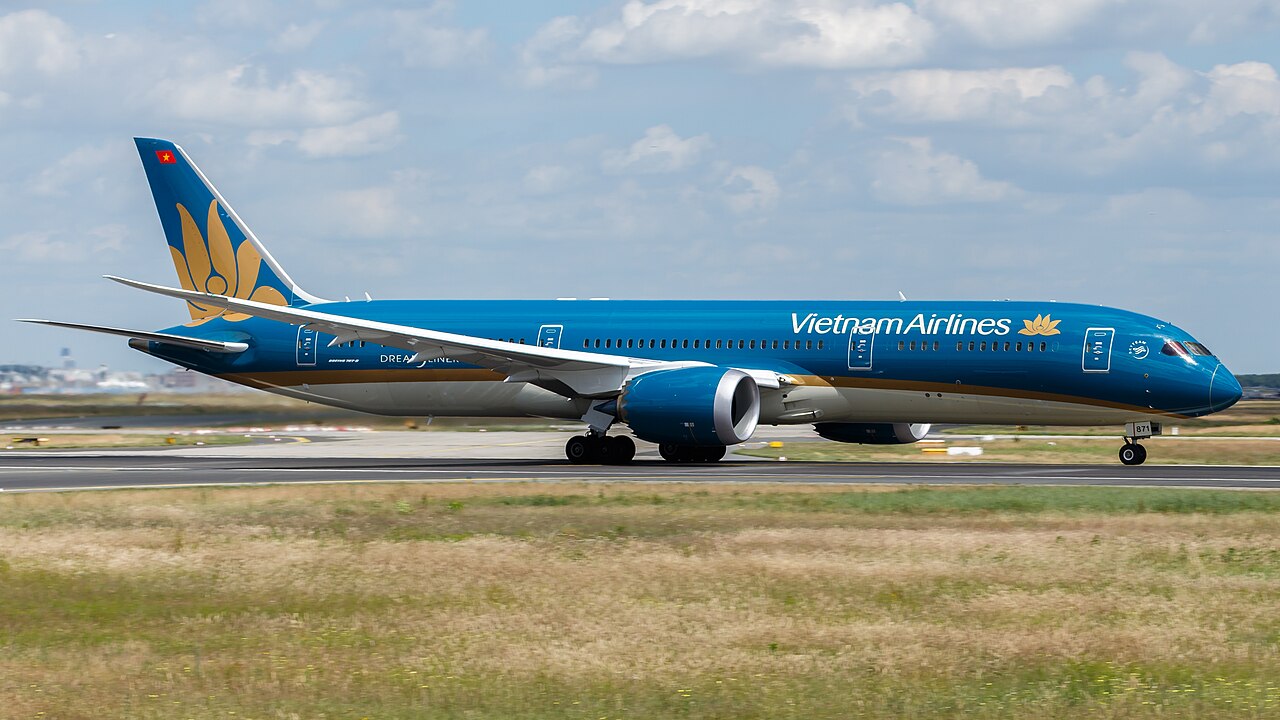
Vietnam Airlines never operated an A380, but it once looked at buying four. It signed a memorandum of understanding with Airbus in 2009, which expired in 2013 and was not renewed. In August 2015, the airline formally dropped the A380 from its fleet expansion plans in favor of the Airbus A350 and Boeing 787.
Singapore Airlines is the exception. As of March 2026, its passenger fleet included 12 A380s, and its cargo division operated seven Boeing 747-400 freighters.
The Economics of Four Engines
Fuel is the biggest reason airlines have moved away from four engines. Four engines burn more fuel and mean more components to maintain, and those costs weigh heavily when fuel already makes up a large share of operating expenses.
Twin-engine jets, or twinjets, have also caught up. Boeing says the 787 Dreamliner is designed to be around 25 percent more fuel-efficient than the aircraft it replaces, thanks to newer engines, lighter composite materials and more efficient systems.
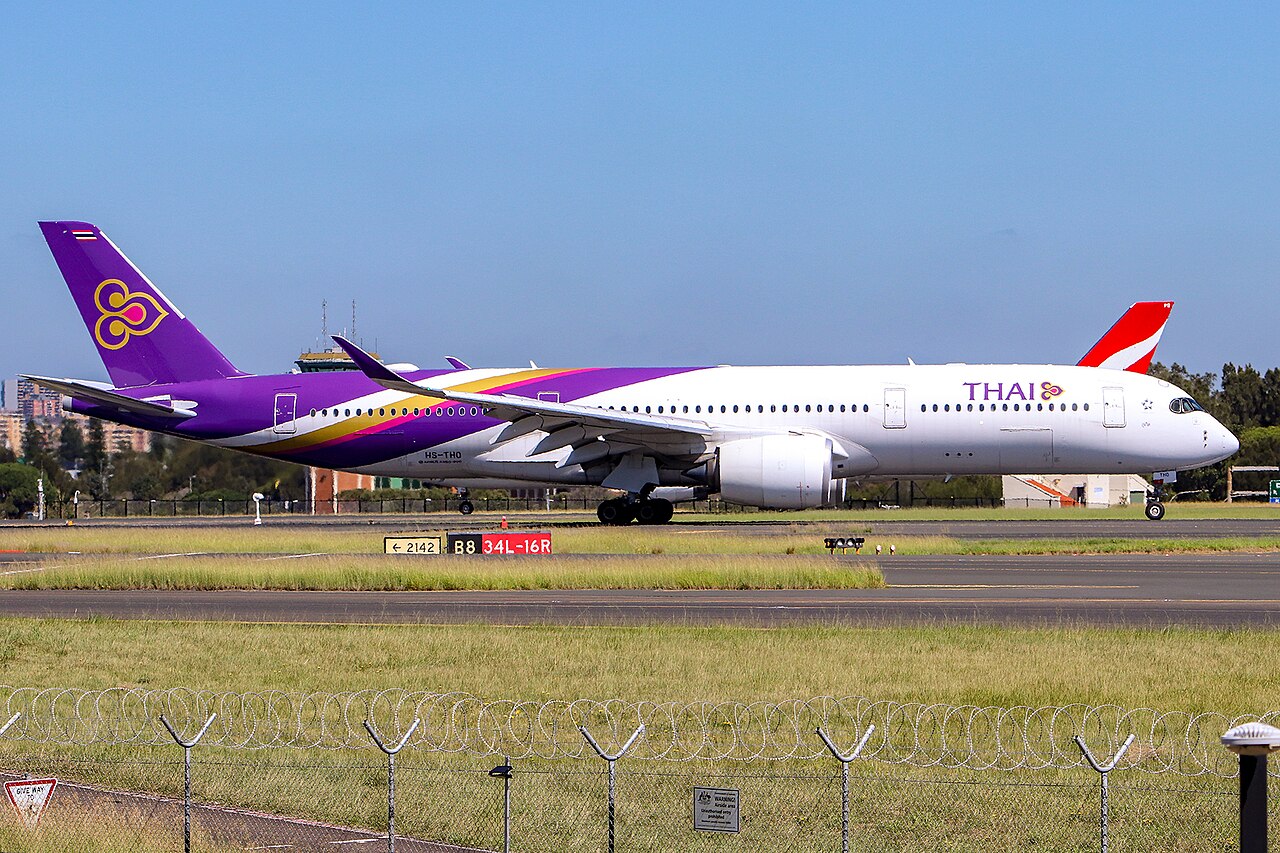
The Airbus A350 gives airlines a similar option, with long-range capacity and no need for four engines.
Regulation changed too. ETOPS (Extended-range Twin-engine Operational Performance Standards) lets approved twin-engine aircraft fly routes that take them farther from a suitable diversion airport.
In 1985, the US Federal Aviation Administration (FAA), which regulates civil aviation safety, began allowing certain twin-engine aircraft to operate more than 60 minutes from an adequate airport. By 1988, the limit for certain operations had risen to 180 minutes, as aircraft proved more reliable.
Long-haul routes that once seemed to demand four engines no longer did.
The last shift was in how airlines think about capacity. Rather than put one aircraft with hundreds of seats on every major route, carriers can fly smaller aircraft more often and adjust to passenger demand more easily.
What Remains
Airbus delivered 251 A380s to 14 customers before the program ended. The final deliveries came in 2021, after the manufacturer failed to win enough new orders to keep it going.
Several A380s remain in service. Lufthansa, British Airways and Qantas have all brought parked ones back into service, and Singapore Airlines flies its own on passenger routes.
The 747 and A380 once stood for the scale and ambition of long-distance flying. Most airlines have since switched to twin-engine jets, which burn less fuel and cost less to maintain.