


The sixth World Nomad Games concluded in Kyrgyzstan on September 6 after a week of equestrian contests, traditional wrestling, archery and strategic games. More than 3,000 athletes representing over 100 countries participated across 43 disciplines, turning Bishkek and the Issyk-Kul region into an international celebration of living heritage.
From Kyrgyz Vision to Global Movement
The World Nomad Games were created to give traditional sports and smaller cultural communities an international platform. Askhat Akibaev, a Kyrgyz sports leader and philanthropist, is credited with developing the concept, which later received state-level support from then-president Almazbek Atambayev.
The first three editions were staged in Cholpon-Ata in 2014, 2016 and 2018. The inaugural Games welcomed 583 athletes from 19 countries and featured 10 main competitive disciplines. The event scheduled for 2020 was postponed because of the COVID-19 pandemic and eventually held in İznik, Türkiye, in 2022, attracting more than 3,000 athletes from 102 countries. Astana hosted the fifth edition in 2024 with approximately 2,500 athletes from 89 countries.
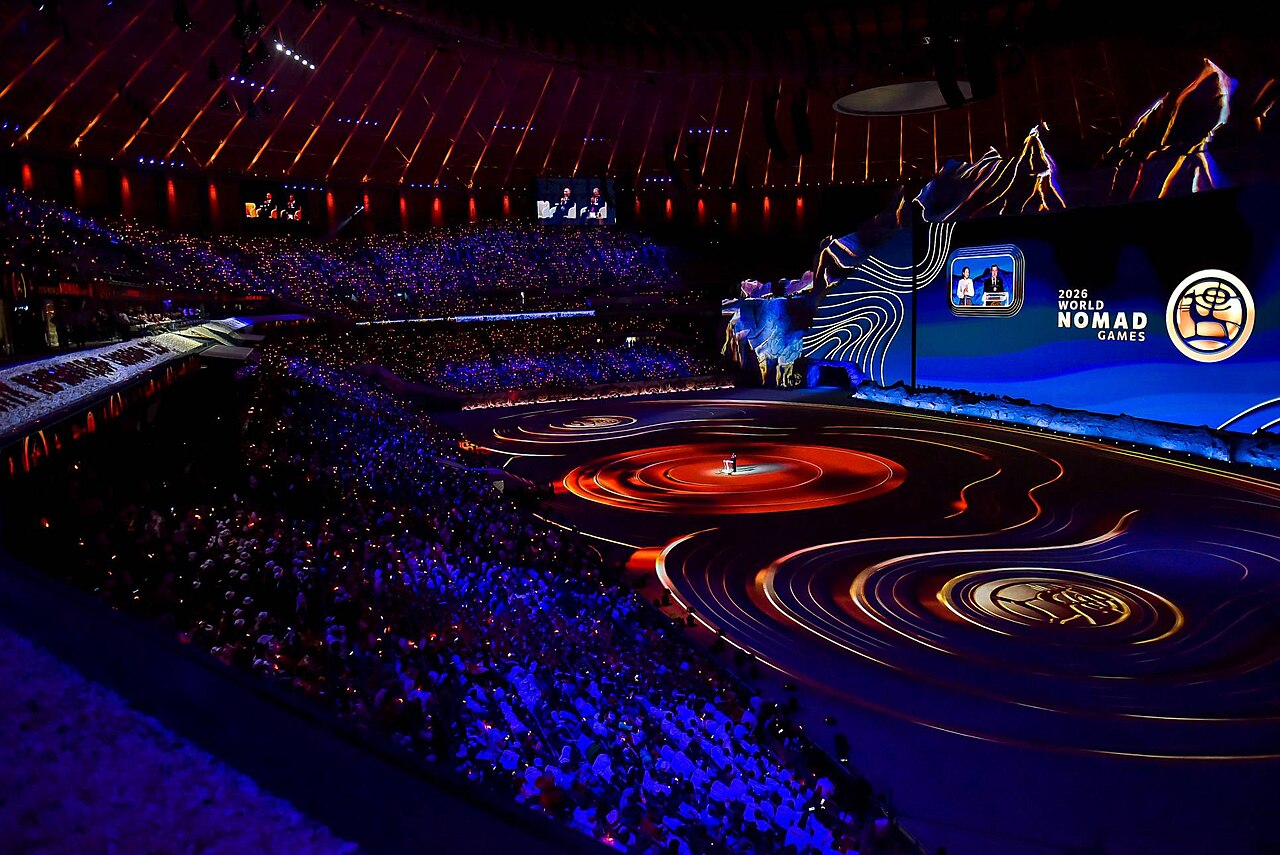
The 2026 edition therefore represented both a homecoming and the latest stage in the Games’ transformation from a regional gathering into a worldwide ethnosport movement.
An Arena for Strength, Skill and Memory
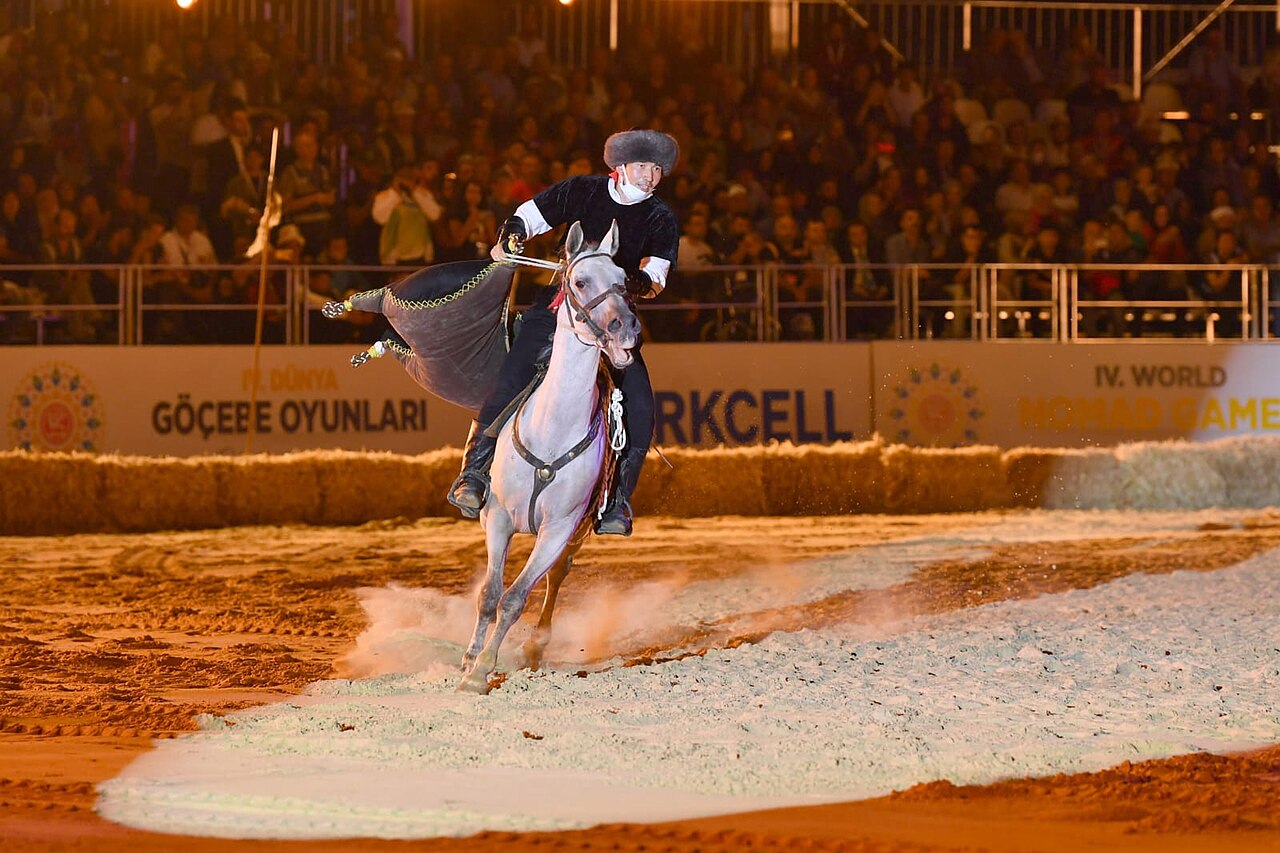
The programme brought together sports shaped by centuries of pastoral and nomadic life. Kok-boru placed skilled horsemen in a fast-moving team contest, while er enish challenged mounted wrestlers to unseat their opponents. At chabysh tested equestrian speed and endurance, and salburun combined elements of archery, horsemanship and hunting with birds of prey.
Physical disciplines such as alysh and kurash were complemented by strategic games including toguz korgool and mangala. These contests demonstrated that nomadic sport values calculation, patience and memory alongside physical strength.
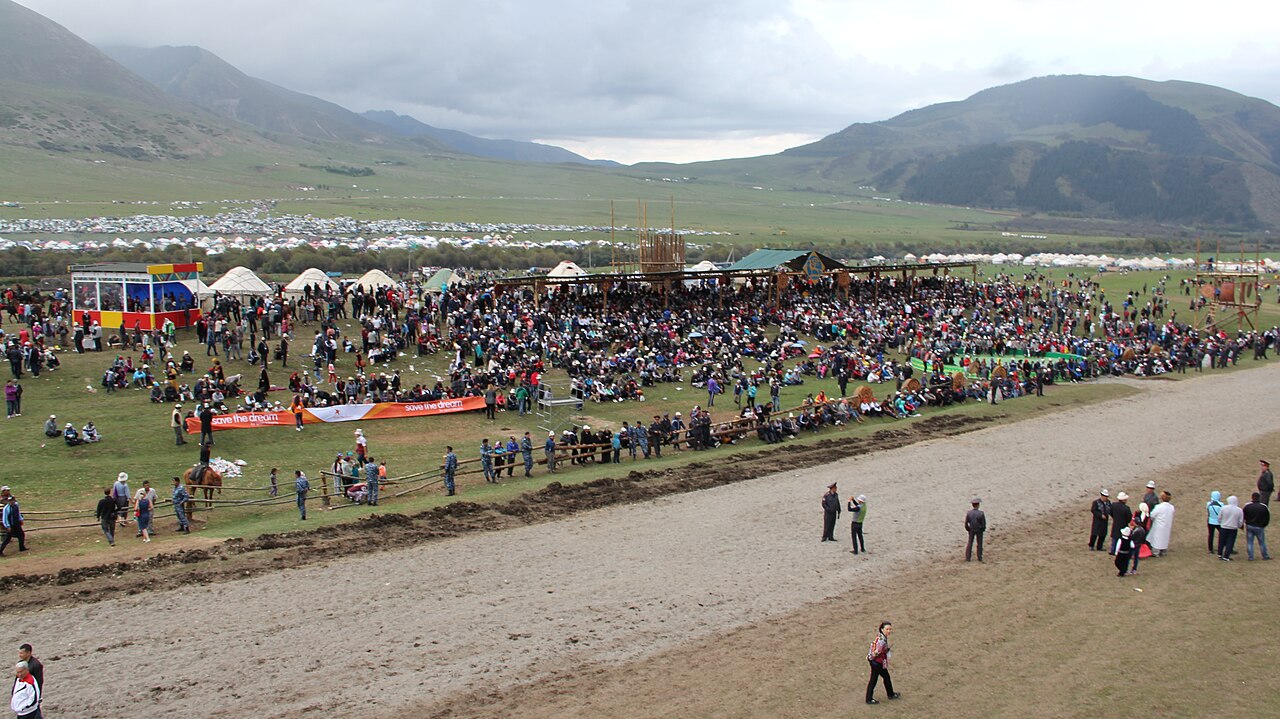
The sporting programme was accompanied by music, cuisine, handicrafts and storytelling. At Kyrchyn Gorge, the “Universe of Nomads” ethno-village presented yurts and traditional practices as parts of contemporary community life rather than museum displays.
Southeast Asia Finds Common Ground
Southeast Asia’s presence demonstrated how the Games have moved beyond their Central Asian origins. Public updates confirmed the participation of Singaporean traditional archers, while Philippine sporting organizations also announced their country’s involvement. Athletes from Indonesia, Malaysia, Thailand, Singapore and the Philippines had already been reported at the 2024 edition.
Singapore’s connection stretches back further. The cumulative results recorded for the first three Games show that the country secured a bronze medal, making it one of the earliest Southeast Asian nations to reach the podium.
Singaporean archer Azan Rahim has described traditional archery as a discipline extending beyond competition. “Archery taught me patience and how to control my ego. It’s about doing the right thing at the right time, both in archery and life.”
The Philippines offers another cultural connection through toguz korgool. Filipino competitor Rhon Palmera won silver and bronze in 2018 after drawing on his familiarity with sungka. Both belong to the wider mancala family, showing how traditional games can connect maritime Southeast Asia with the Eurasian steppe.
Kazakhstan Leads the Reported Medal Count
A widely circulated compilation placed Kazakhstan first with 74 medals: 32 gold, 20 silver and 22 bronze. Host Kyrgyzstan accumulated more medals overall, recording 30 gold, 35 silver and 19 bronze for a total of 84. Russia followed with seven gold, eight silver and 21 bronze medals. Mongolia recorded five gold, three silver and 13 bronze, while Uzbekistan completed the reported top five with four gold, four silver and 11 bronze.
However, Kyrgyzstan’s State Agency for Physical Culture and Sports clarified on September 7 that the Games do not maintain an official overall country ranking. Achievements are formally recorded within individual disciplines because the event is intended to prioritize heritage and friendship rather than competition between national teams. The figures should therefore be described as aggregated medal results, not an official final table.
Issyk-Kul Illuminates the Final Night
The closing ceremony took place at the Cholpon-Ata Hippodrome beside Lake Issyk-Kul. The programme combined theatrical performances with fireworks and a drone show, bringing the seven-day gathering to a colourful conclusion.
The ceremonial Kookor, a traditional leather vessel filled with sacred water, was handed to representatives of Tatarstan. The Russian republic is preparing to welcome the seventh World Nomad Games in 2028, with Kyrgyzstan offering to share its organizational experience.
President Sadyr Japarov summarized the broader diplomatic message when he declared, “Our chosen course is international friendship and partnership.” That spirit was visible throughout the Games as athletes from distant cultural landscapes met through shared traditions.
For Southeast Asia, participation is more than an appearance at an unusual sporting event. It offers inspiration for safeguarding arnis, pencak silat, traditional archery, indigenous wrestling and community games at home—proving that ancestral traditions can gain new life through international exchange.


