


Moroccan tea and finger foods welcomed Indonesian journalists to Ambassador Redouane Houssaini’s residence in Jakarta on September 29, 2026. The working dinner combined warm hospitality with conversations about how Morocco and Indonesia could bring their longstanding friendship closer to businesses, students, travellers and the wider public.
A Warm Welcome Around the Table
Morocco’s ambassador to Indonesia and ASEAN opened his home for an evening that felt relaxed and personal. Guests gathered around the dinner table for a full meal, beginning with an appetizer, followed by main courses, Moroccan dessert and a fruit platter.
The cosy setting encouraged friendly exchanges throughout the evening. Hospitality became part of the diplomatic conversation, giving guests an introduction to Morocco through its flavours and traditions.
Food also provided a natural opening for discussions about gastronomy diplomacy. Introducing Indonesian audiences to Moroccan tea, cuisine and dining customs offered an accessible way to build curiosity about a country geographically distant but connected through shared Islamic traditions and diplomatic history.
Connecting North Africa and Southeast Asia
The discussion moved from trade and business to economic cooperation, bilateral relations and the geopolitical situations in North Africa and Southeast Asia. Morocco’s engagement with ASEAN formed another important part of the conversation.
Houssaini had assumed his ASEAN role in August 2026, three years after Morocco became an ASEAN Sectoral Dialogue Partner. His dual accreditation placed Indonesia within a broader effort to strengthen Morocco’s connections with Southeast Asia.
The countries’ friendship stretched back to 1960, when diplomatic relations were established and President Sukarno visited Rabat. Their strategic partnership, established in December 2023, provided a framework for expanding cooperation across economic, educational and cultural fields.
Against that background, the evening explored how historical goodwill could support practical partnerships. Morocco offered connections to North African and European markets, while Indonesia provided an important link to Southeast Asia’s businesses and consumers.
Opening Doors Through Travel and Education
Tourism discussions focused on encouraging more Indonesians to discover Morocco. Gastronomy, cultural heritage and opportunities for personal encounters offered compelling ways to introduce the destination to prospective travellers.
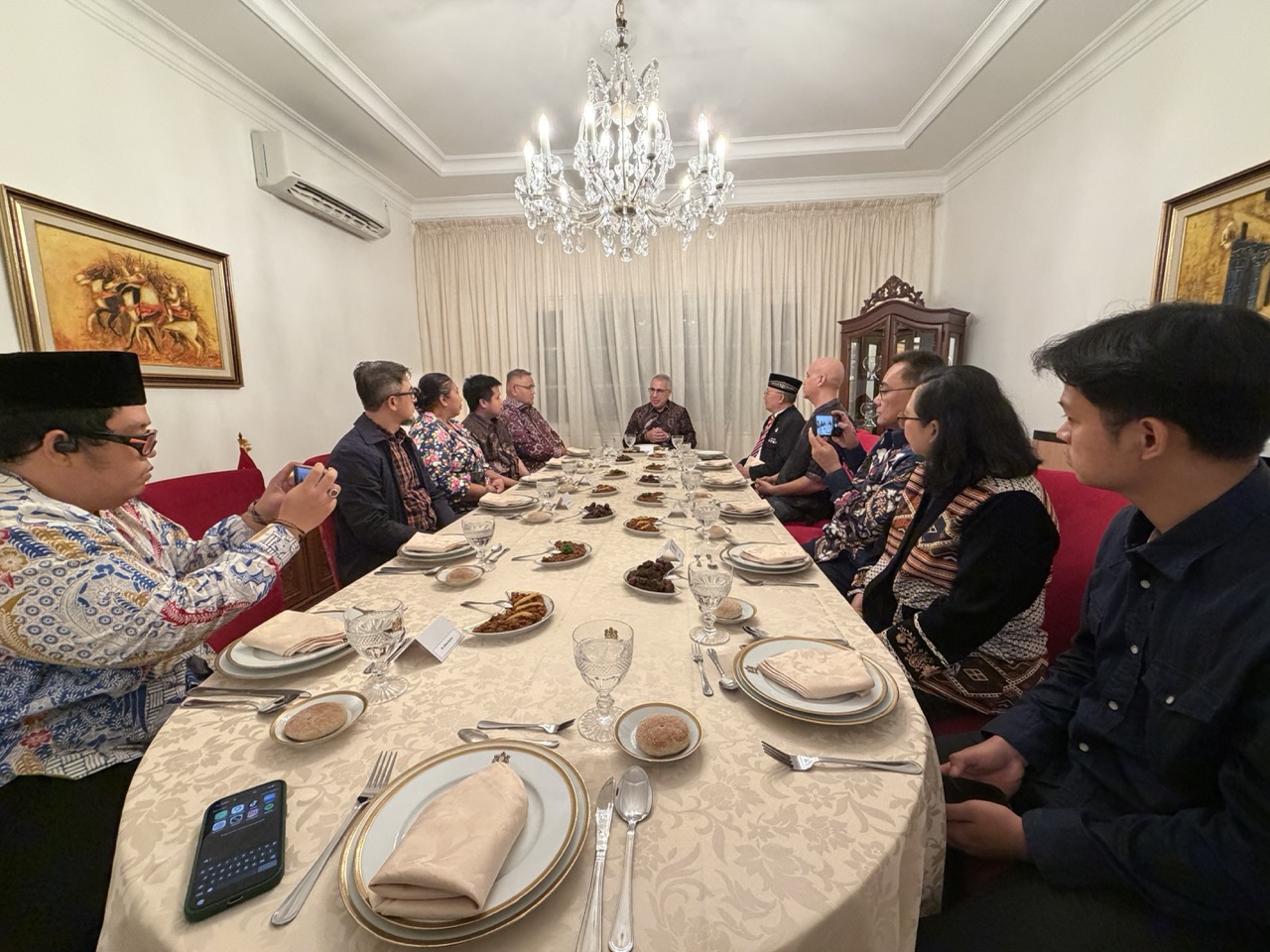
Education and exchanges also featured prominently. Student exchanges offered opportunities to deepen academic cooperation and cultural understanding, while journalist exchanges could help newsrooms develop more informed coverage of each country.
For Indonesian media workers, direct exposure to Morocco would provide material beyond official announcements: stories about everyday life, education, business, faith and the country’s place in a changing region. Similar opportunities for Moroccan journalists could broaden understanding of Indonesia and Southeast Asia.
Culture, Ramadan and Football Brought People into Focus
The conversation included Ramadan programmes and a Moroccan pavilion at Jakarta’s Istiqlal Mosque, highlighting opportunities to connect through faith, culture and public engagement. A proposed Moroccan cultural festival in Jakarta during the final quarter of 2026 also featured in the discussion, with the aim of introducing Moroccan culture to wider Indonesian audiences.
These initiatives offered possibilities for sustained interaction beyond diplomatic circles. Cultural programming could give families, young people and creative communities opportunities to experience Morocco through food, traditions and conversation.
Football provided another promising connection. With Morocco preparing to co-host the 2030 FIFA World Cup, discussions explored stronger collaboration with Indonesian football in the lead-up to the tournament.
The World Cup offered a focal point for building sporting relationships and encouraging tourism interest. Turning that enthusiasm into concrete partnerships remained an opportunity for further work.
Media as a Bridge Between Communities
Throughout the evening, the role of the media extended beyond reporting on diplomatic engagements. Journalists could help explain how bilateral cooperation related to people’s interests, whether through scholarships, travel, business opportunities, cultural events or sport.
The friendly atmosphere made space for questions and exchanges about both countries and their regions. It also highlighted the value of regular contact between the embassy and Indonesian newsrooms, supported by accessible information and opportunities for firsthand reporting.
By the end of the dinner, Moroccan hospitality had provided more than a warm welcome. It had created a setting for discussing how a longstanding partnership could develop through the people who studied, travelled, traded and told stories across its borders.


