


Around 2,000 Gurkhas from Nepal serve in Singapore. In Brunei, a battalion of the Royal Gurkha Rifles remains stationed under a defence arrangement that has lasted for decades.
Their presence may seem unusual. Gurkhas come from Nepal, while Singapore and Brunei are thousands of kilometres away. Yet their connection to both Southeast Asian countries dates back to Britain’s military history in Asia and developed in response to the security challenges faced by Singapore and Brunei.
Singapore Needed a Force Outside Communal Conflicts
The Gurkha Contingent in Singapore was established on April 9, 1949, when the British colonial government recruited Gurkhas from Nepal to join the police force. Around 150 arrived in several groups between March and May that year.
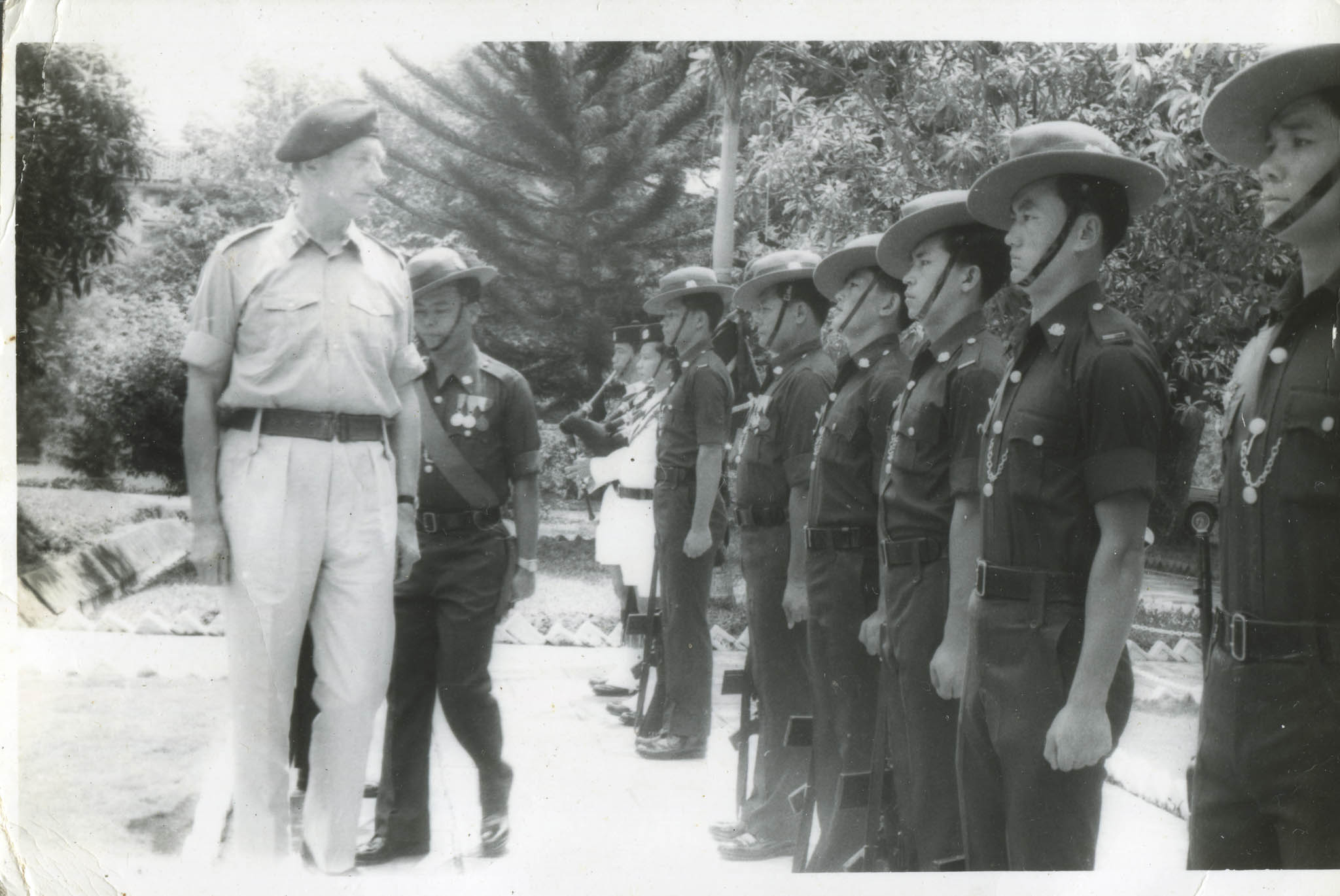
Their arrival was closely linked to Singapore’s ethnic tensions at the time. Police Commissioner John Foulger wanted a paramilitary unit made up entirely of people from outside the region who would not be affected by racial tensions in Malaya.
The concern was that the police themselves could become involved in communal conflicts. In his memoirs, Lee Kuan Yew recalled fears that if a police officer from one ethnic group shot a member of another, the act could further inflame the conflict.
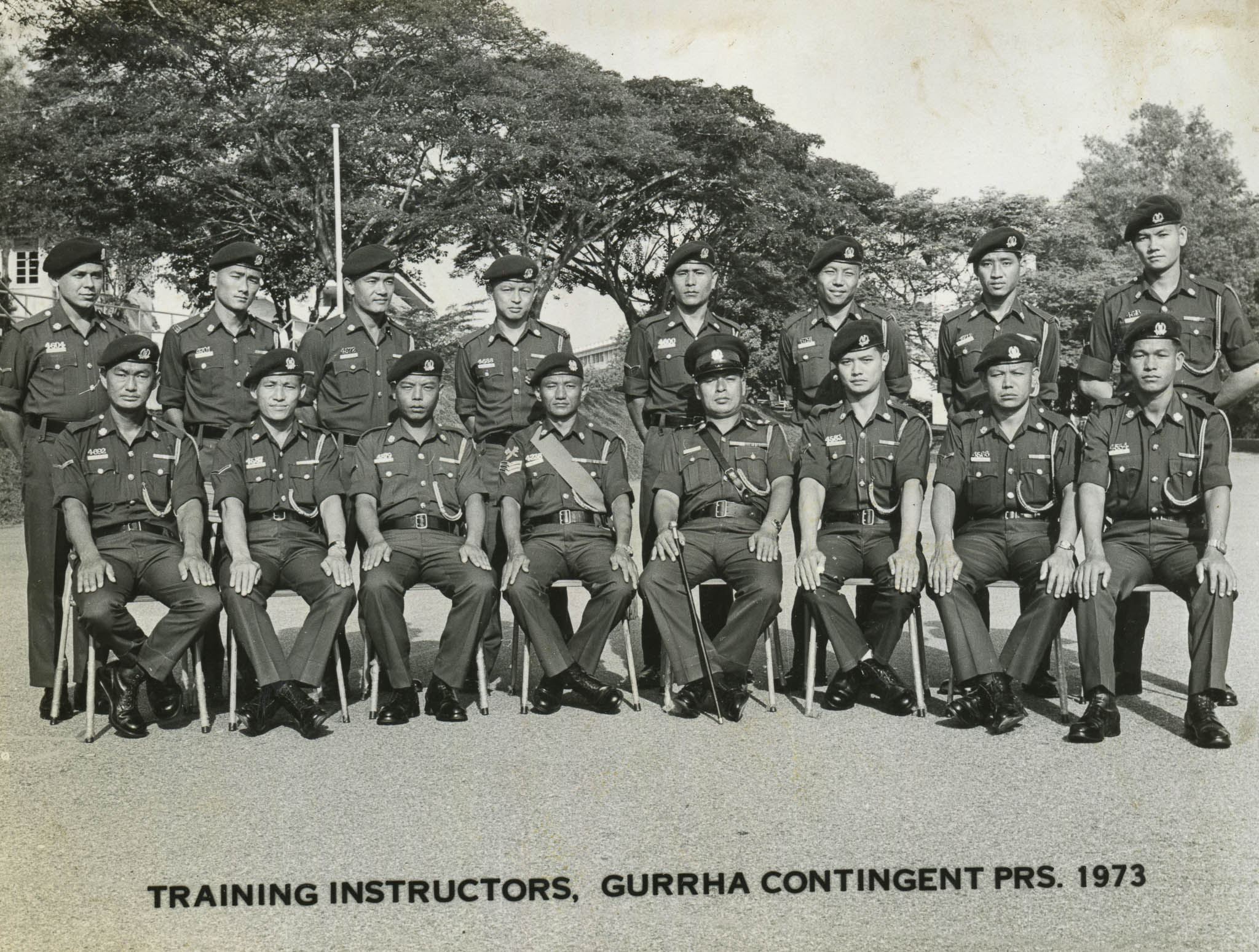
Gurkhas were considered better suited to remain outside these tensions because they came from Nepal and had a strong military tradition.
That role was tested during the Maria Hertogh riots in 1950, the Hock Lee bus riots in 1955, student demonstrations in 1956 and communal clashes in 1964. They were also deployed again during the Little India riots in 2013.
After the September 11, 2001 attacks, the Gurkhas’ role in Singapore expanded to include counterterrorism and high-risk security operations.
Gurkhas Continued Britain’s Military Presence in Region
Gurkhas were not the first foreign troops recruited by Britain to serve in Singapore. On March 26, 1881, Britain brought 54 Sikh police officers from Punjab, India. The contingent later became an important part of Singapore’s colonial police force.
The Sikh contingent declined after the Japanese occupation. Many members left the force, while the independence of India and Pakistan in 1947 changed the recruitment system in the region.
The change also affected the Gurkhas. That same year, Britain, India and Nepal signed the Tripartite Agreement, which set out arrangements for the continued service of Gurkhas after Indian independence.
Four Gurkha regiments that had previously been part of the Indian Army were transferred to the British Army, while Britain continued recruiting Gurkhas from Nepal.
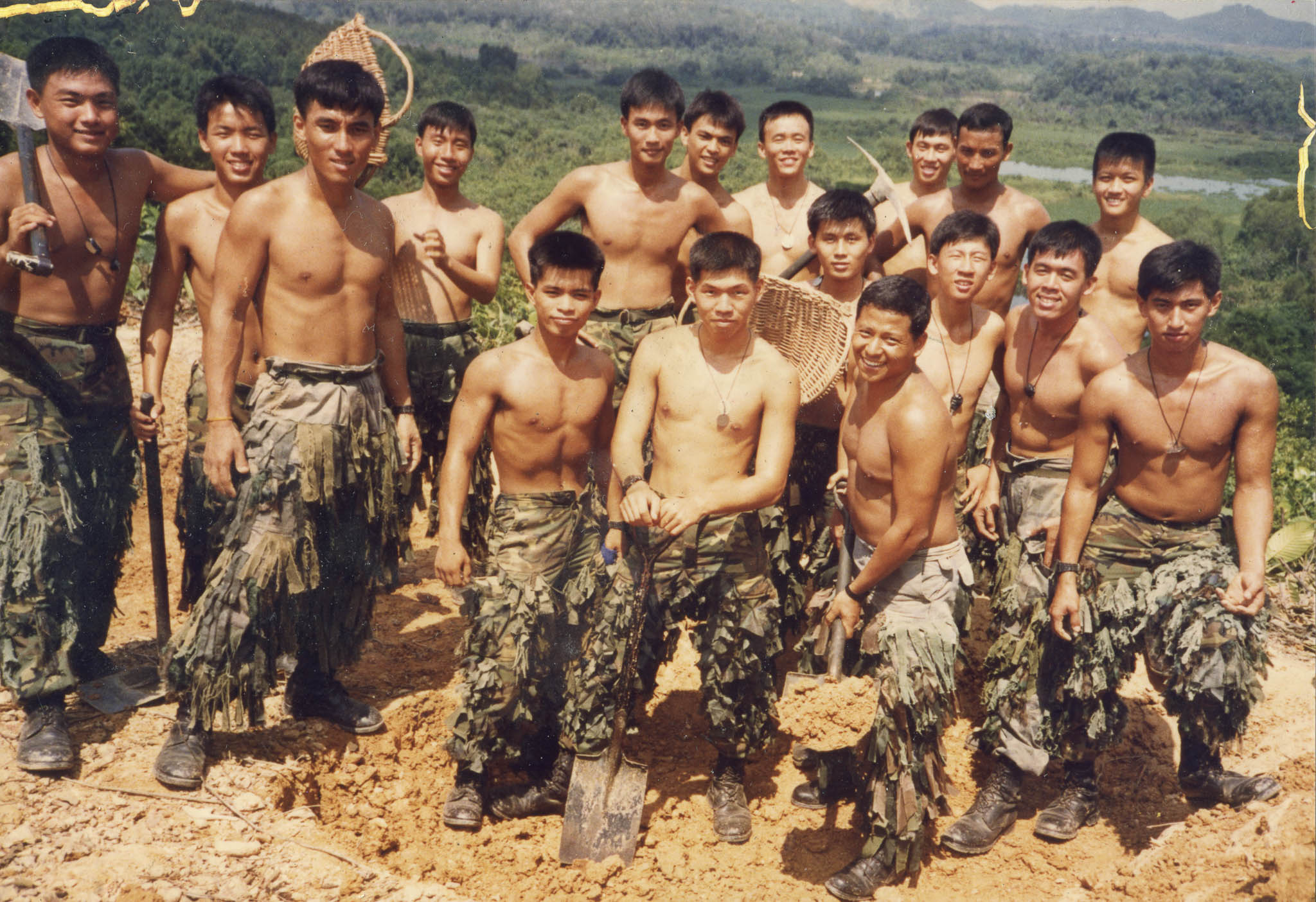
This allowed Gurkhas to remain part of the British military after the end of British rule in India. They were subsequently deployed across various parts of Asia, including Singapore, and some Gurkha units were later sent to Borneo from British military bases in the region.
The Brunei Rebellion Took Gurkhas to Borneo
The Gurkhas’ connection with Brunei began on December 8, 1962, when the North Kalimantan National Army, or TNKU, launched a rebellion against the Brunei government. One of the factors behind the uprising was opposition to Brunei’s proposed entry into the Federation of Malaysia.
Britain quickly sent troops to support the Brunei government. Two companies from the 1st Battalion, 2nd Gurkha Rifles were flown from Singapore about 900 miles to Labuan, landing at around 10 p.m.
Within days, they secured Bandar Seri Begawan, recaptured government buildings, protected the Seria oil fields and freed hostages. More than 3,400 rebels were later captured during Operation ALE.
Gurkha involvement continued during the Indonesia-Malaysia Confrontation from 1963 to 1966. All eight Gurkha battalions took part in operations along the Indonesia-Malaysia border, which stretched roughly 1,000 miles through the forests of Borneo.
The experience made Gurkhas an important part of Britain’s defence system in Borneo. When Britain later reduced its military presence in the region, Brunei chose to maintain its defence relationship with Britain.
Brunei Kept the Gurkhas After Independence
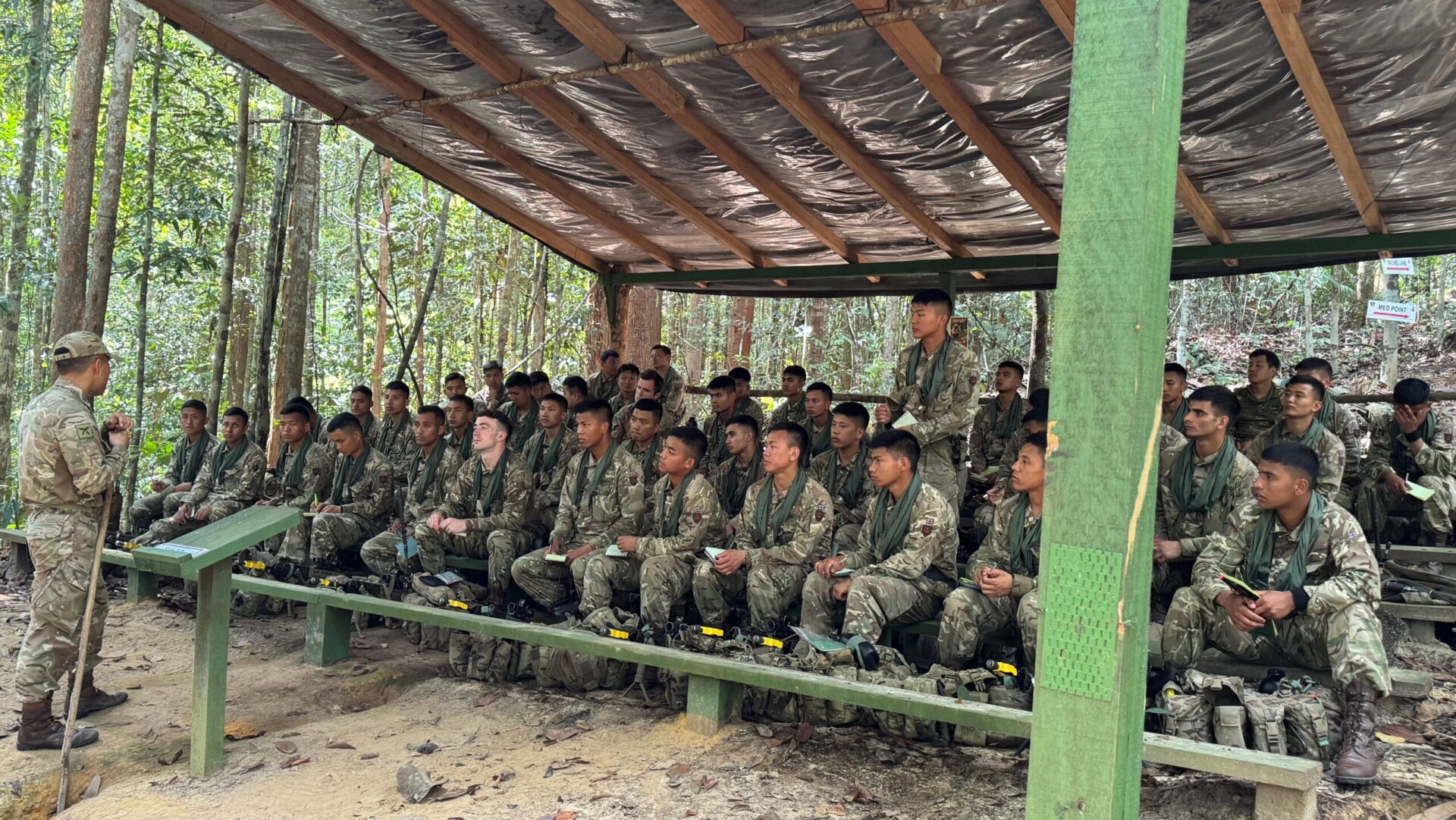
Brunei gained independence in 1984, but its defence relationship with Britain continued. As a result, the Gurkha presence in the country also remained.
The relationship later expanded into domestic security. In 1973, after several prisoners involved in the 1962 rebellion escaped, Brunei consulted the Singapore Gurkha Contingent and began recruiting former Gurkhas for security duties.
Mohansing Gurung became the first guard recruited on February 25, 1974. The unit became known as the Gurkha Reserve Unit in 1980 and at one point had around 2,300 personnel.
On November 28, 2024, marking its 50th anniversary, the unit was renamed the Gurkha Security Unit. Its personnel now come from the British Brigade of Gurkhas, the Singapore Gurkha Contingent, the Nepal Army, the Indian Army and Brunei citizens.
Are Gurkhas Foreign Troops?
Gurkhas come from Nepal, and many serve outside their country of origin. In Britain’s military system, however, they are recruited through formal arrangements with Nepal and serve as part of regular armed forces rather than as groups operating outside the military structure.
This is also what distinguishes them from mercenaries in discussions of international law. A person’s status is not determined solely by nationality, but also by their legal relationship, recruitment arrangements and the institution in which they serve.
In Singapore and Brunei, Gurkhas serve through official security institutions. In Singapore, they are part of the Singapore Police Force, while in Brunei their presence developed from British military deployment into the country’s broader security and defence arrangements.


