


What happened to a museum’s exhibition materials after the displays came down? How much electricity and water did its galleries consume? At MuseeID’s third MSDG Learning Series, these practical questions connected cultural stewardship with environmental responsibility—and extended the conversation to Jakarta’s changing riverbanks.
Held on October 22, 2026, at Museum Kehutanan Ir. Djamaludin Suryohadikusumo, “Green Museum: Tata Kelola Lingkungan dan Aksi Iklim” explored how museums could reduce their environmental footprint while helping communities understand climate change.
Bringing Policy and Museum Practice Together
The programme brought together Bambang Arifatmi, Country Coordinator of the UNEP UN-REDD Programme in Indonesia; Nofa Farida Lestari, Executive Director of MuseeID and an ICOM CECA board member; Erni Pelita Fitratunnisa of the Jakarta Environment Agency; and Adang Suryana, deputy chair of AMIDA Jakarta Paramita Jaya.
Sriwulantuty Rizkiningsih, MuseeID’s Director of Partnerships and an ICOM INTERCOM board member, moderated the discussion.
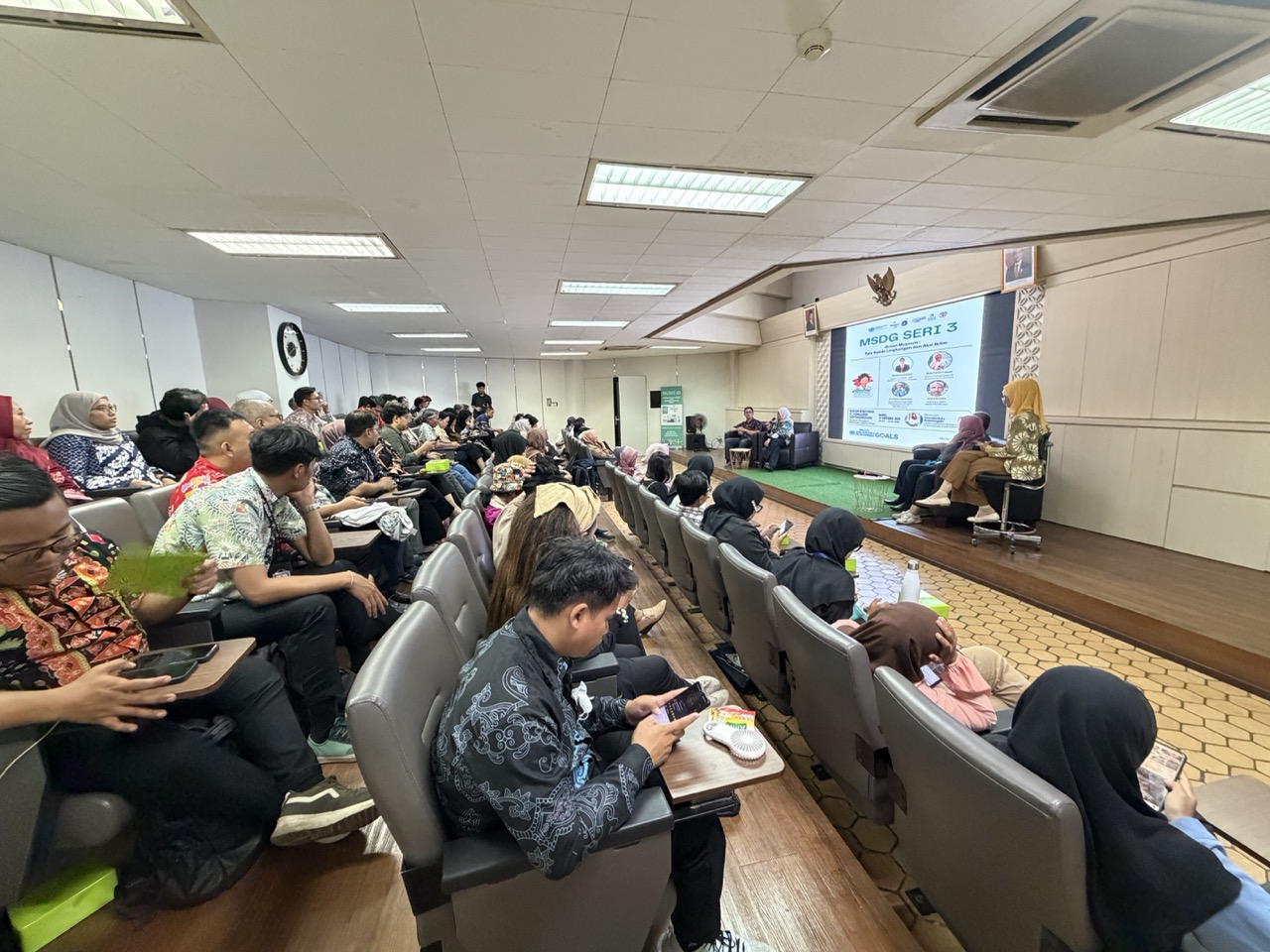
Energy consumption, water management, wastewater, exhibition waste and riverbank conditions featured alongside climate change and the United Nations Environment Assembly. Together, these subjects connected international environmental discussions with decisions made inside museums and across surrounding communities.
The central challenge was practical: how could institutions turn environmental awareness into sustained changes in management, exhibitions and public education?
Moving from Collections to Climate Action
Bambang’s presentation, Dari Koleksi ke Aksi: Museum Hijau untuk SDG 13, positioned museums as contributors to climate action through their buildings, collections and relationships with visitors.
He highlighted the energy demands of lighting, air-conditioning and collection storage, alongside threats posed by flooding, extreme temperatures, humidity and rising sea levels. His framework connected three responsibilities: reducing emissions, protecting collections and facilities, and strengthening public understanding.
A proposed six-part roadmap covered carbon-footprint measurement, energy efficiency, renewable energy, climate-conscious exhibitions, waste reduction and water efficiency, and educational programmes. Practical options included LED lighting, improved cooling systems, insulation, solar panels and smarter energy monitoring.
The roadmap presented possible directions for institutions rather than an agreed implementation plan. Its emphasis was on linking operational improvements with museums’ educational mission.
Making Environmental Management Measurable
Erni’s presentation brought the discussion into the everyday responsibilities of museum operators. It addressed environmental documentation, green buildings, wastewater, air pollution and waste management.
Her material treated energy and water efficiency as measurable aspects of building performance. It also distinguished mandatory building categories from those recommended to improve efficiency, placing museums in the latter category within the framework presented.
Waste management required more than providing bins. The presentation connected sorting with collection, treatment, transport and final disposal, while distinguishing biodegradable waste, recyclables, hazardous waste and residual rubbish.
Jakarta-wide figures illustrated the importance of reporting. According to the presentation, 825 companies and managed areas had reported waste management by July 24, 2026, up from 604 in June. These figures covered establishments such as hotels, restaurants, apartments and offices, rather than museums alone.
For museum managers, the practical implication was clear: environmental commitments needed records, assigned responsibilities and reliable arrangements for handling waste after it left the premises.
Giving Exhibition Materials a Second Life
Adang focused on a familiar museum problem: temporary exhibitions could generate substantial waste when carefully constructed displays were dismantled.
His presentation recommended planning for reuse before an exhibition opened. Modular backdrops, display cases and panels could be dismantled and reassembled, while durable materials could serve multiple events. During exhibitions, energy-efficient lighting, reduced disposable packaging and accessible waste-sorting facilities could support that approach.
Afterwards, staff could inventory remaining materials and separate items for reuse, recycling or repurposing. Timber could become shelves or frames, banners could become bags, and suitable display boards could support educational activities.
One practical proposal was a “material library”: a designated storage area where exhibition designers could check reusable supplies before purchasing new materials.
Adang also presented the scale of the challenge through an example involving 11 museums, five exhibition days and at least 25,000 visitors. His recommendations showed how choices made before, during and after an event could influence both its environmental impact and its educational value.
Following the Gomati Story Beyond Museum Walls
Nofa brought the conversation into North Jakarta through the history, issues and transformation of the Gomati River. Her presentation connected urban heritage with contemporary environmental conditions, including the changing relationship between waterways, riverbanks and surrounding communities.
The river offered a way to consider the city itself as a place of learning. Historical narratives could prompt questions about how waterways had changed, how residents experienced those changes and whose perspectives were represented in public discussions.
Nofa encouraged participants to continue the conversation at Festival Cerita Kota on Saturday, October 24, at Jakarta’s Maritime Museum. The forthcoming gathering would feature young speakers discussing Gomati, creating space for younger voices in conversations about the city’s heritage and environment.
That invitation extended the green museum agenda beyond institutional operations. Museums could also convene discussions about the landscapes and neighbourhoods around them, connecting historical understanding with present-day concerns.
Keeping Cultural Stewardship Practical
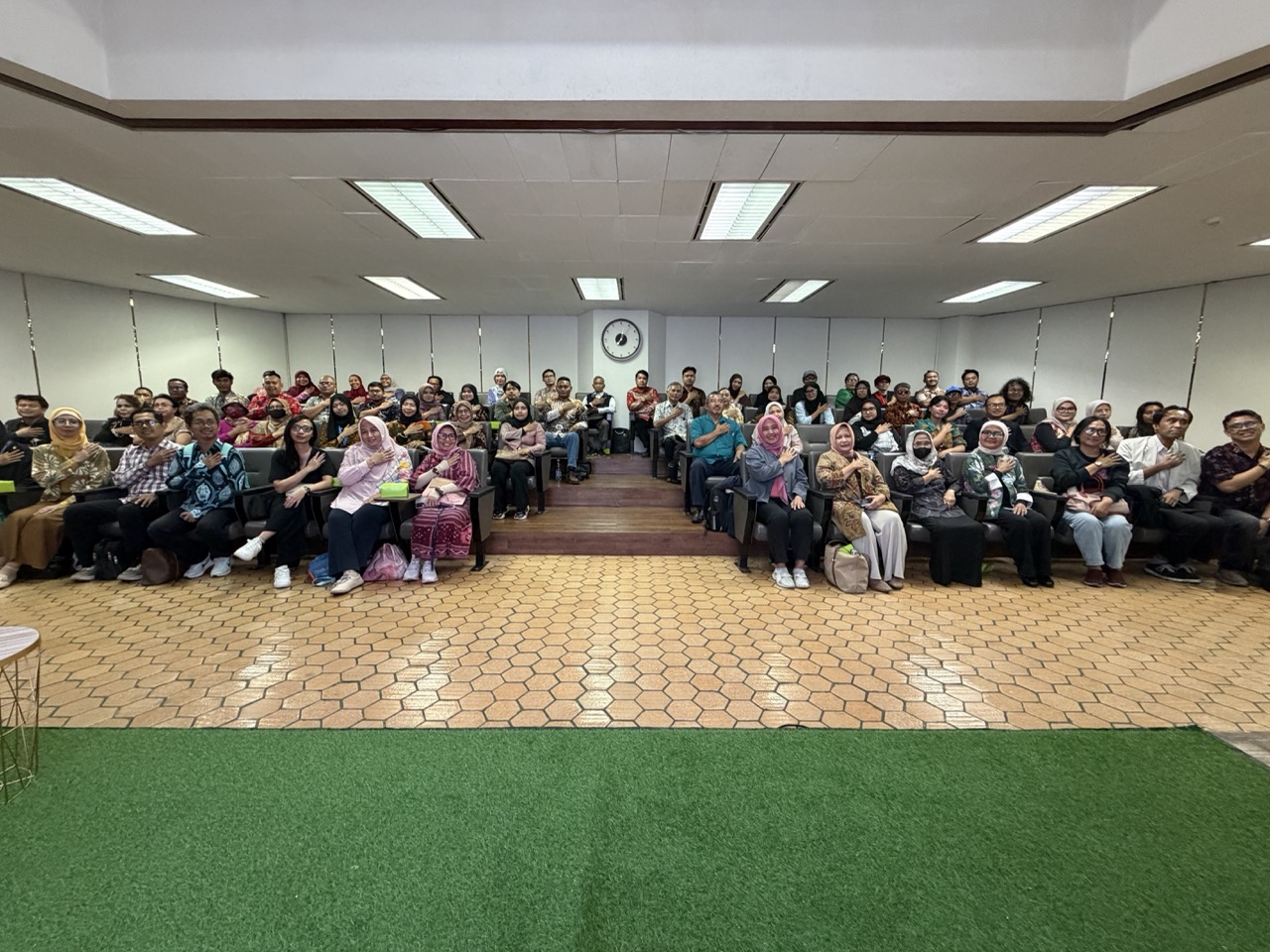
The forestry museum provided a fitting setting for a discussion linking natural resources, public education and institutional responsibility. The programme also included “Road to ICOM CECA Conference 2026 Jakarta,” connecting the local exchange with wider museum education conversations.
Across the presentations, environmental responsibility emerged as continuing work: measuring consumption, managing wastewater, designing reusable exhibitions and listening to communities. The gathering’s lasting value would depend on how those ideas informed daily practice—and how museums helped people participate in shaping a more sustainable city.


