The Lotus Temple is an iconic house of worship located in the Kalkaji area of New Delhi, India. The construction of the unique lotus-shaped building was initiated by followers of the Bahá'í Faith.
The Lotus Temple was officially opened to the public in December 1986 as a Mashriq'ul-Adhkár. Its construction reflects the core principles of the Bahá'í teachings regarding the oneness of religion and humanity.
The place is open to everyone regardless of religion, ethnicity, or gender. Visitors are welcome to pray and reflect according to their respective beliefs.
Background of the Bahá'í House of Worship
The idea of building a Bahá'í house of worship in India was first conceptualized during the First Bahá'í Convention in Bombay in 1920. Efforts to acquire land in the village of Bahapur, New Delhi, were completed in 1954.
The local government temporarily acquired the land in 1967 to designate it as a green belt zone. Following a series of legal negotiations, the land was officially released back in February 1978 for the construction of the house of worship.
The choice of the lotus flower shape was based on the universal symbolism of the flower within Indian cultural tradition. The lotus represents purity and sacredness, concepts widely embraced across various religious traditions.
The planning and construction costs were fully funded through voluntary contributions from the global Bahá'í community. One of the primary contributors was Ardishír Rustampúr of Hyderabad, who donated his entire life savings.
Construction of 27 Giant Marble Petals
Canadian architect of Iranian descent, Fariborz Sahba, was selected in 1976 through an international design competition to helm the project. Sahba spent years translating the concept of a blooming lotus into complex engineering calculations.
The main structure consists of 27 free-standing concrete petals clad in marble. The petals are arranged symmetrically in three tiers to form nine main sides.
Nine entrance doors surround the central hall, guiding the flow of incoming visitors. The number nine in the Bahá'í Faith symbolizes completeness and unity.
The white marble covering the exterior was sourced from Mount Pentelicus in Greece and precision-shaped in Italy. The marble is the same variety historically used on the Parthenon in Athens.
Nine large water ponds surround the outer base of the building. Beyond their aesthetic appeal, the ponds help cool the interior temperature naturally.
Interior Features Without Religious Symbols
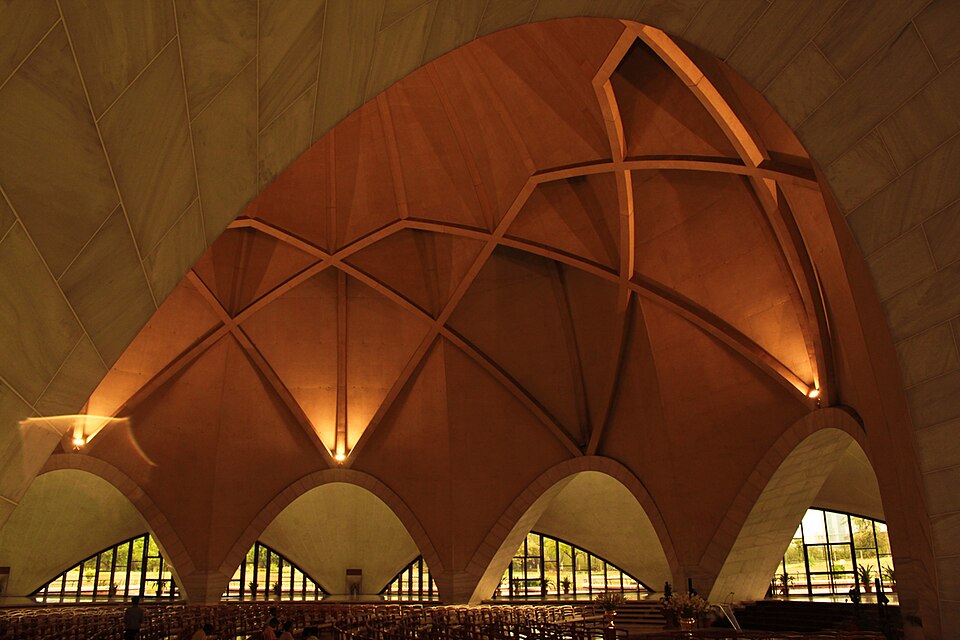
The main hall inside the building stands 34 meters high and can accommodate up to 2,500 people. Natural light enters through the central glass roof at the apex of the inner petals.
The interior of the house of worship is intentionally minimal without elaborate ornamentation. Inside the hall, there are no altars, statues, pictures, or symbols representing any specific religion.
Bahá'í teachings prohibit the display of specific religious symbols inside their houses of worship. The practice ensures that followers of all faiths can pray without feeling alienated by other religious symbols.
Visitors are free to read sacred scriptures from their respective faiths in peace. The hall maintains a quiet atmosphere without ritualistic sermons or the use of loud musical instruments.
Contemporary Social Function
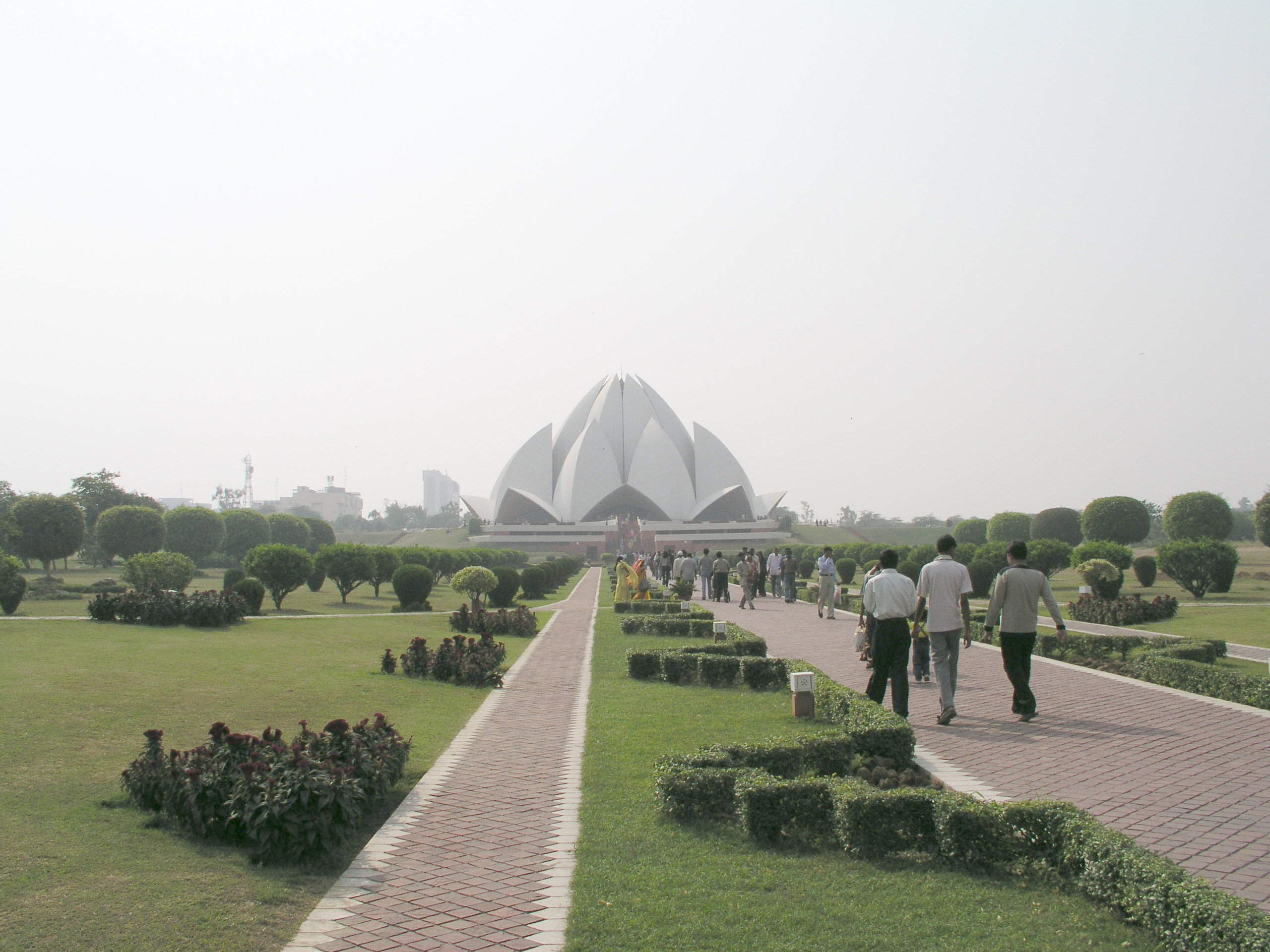
Since its inauguration, the site has grown into one of the most visited architectural landmarks in Asia. The building has received numerous international awards, including from the Institution of Structural Engineers in the United Kingdom in 1987.
The Delhi regional government designated the Lotus Temple area as a protected heritage site and architectural landmark. The special protection was reinforced following the completion of regional urban planning in the late 1980s.
In addition to serving as a place of prayer, the management provides a library and a community education center. Various youth empowerment programs and children's education classes are regularly conducted within the complex. The activities include moral character training for children as well as leadership development classes for youth, irrespective of religious background.