


Jakarta offered a different kind of conference experience on Thursday, 12 November, as the third day of the ICOM CECA International Conference 2026 moved beyond conventional meeting rooms and into museums and cultural spaces across the city. From the National Museum of Indonesia to the historic waterfront of Museum Bahari, participants explored how museums can encourage dialogue, strengthen belonging and connect heritage with everyday life.
The day’s programme brought the conference theme, "Museums in Divided Times: How to Foster Dialogue, Caring and a Sense of Belonging?", into practice. Through parallel workshops, discussions, poster presentations and creative activities, delegates examined how museums can become more inclusive, community-centred and connected to the cities they serve.
The conference, held from 10 to 14 November, brought together museum professionals, educators and cultural practitioners from 35 countries. Organised by Musee ID in collaboration with the Jakarta Provincial Government, Good News From Indonesia and ICOM Germany, with support from ICOM Indonesia, it created an international platform for exchanging ideas on museum education and cultural engagement.
The citywide format also added a distinctly Jakarta dimension. Rather than remaining in one conference venue, participants travelled between museums spread across the capital. Some journeys involved public transportation, while others meant navigating Jakarta’s busy roads. These transitions offered delegates a glimpse of the city beyond its exhibition halls, showing how cultural institutions operate within a wider urban environment.
National Museum: A Guided Journey Through Indonesia’s History
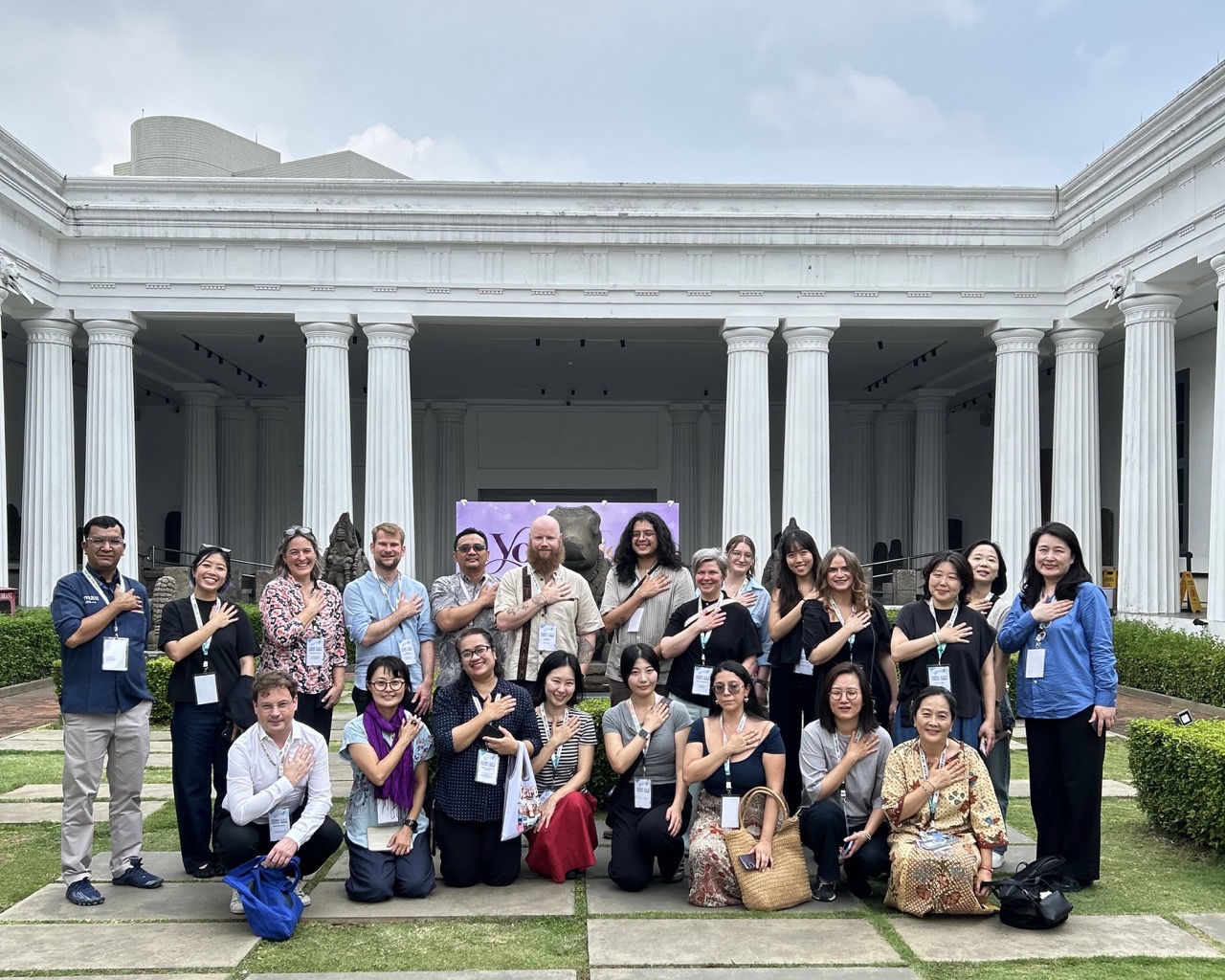
The National Museum of Indonesia attracted the largest group of participants for the conference’s educational visits on the morning of 12 November. Rather than attending workshops, delegates joined a guided tour through the museum’s collections, discovering artefacts that tell the story of Indonesia’s history, cultural diversity and national identity.
The visit also introduced participants to the museum’s two main buildings, the historic old building and the newer building, which together provide a broader experience of Indonesia’s past. A key feature of the renovated complex is its receiving area, designed to connect the two buildings and create a more welcoming transition for visitors. This renewed layout followed the major renovation undertaken after a fire damaged the museum, marking an important step in its recovery and revitalisation.
The newer facilities also include the recently opened Danantara Library, adding another space for learning, research and public engagement within the museum complex. Together, the collections, renovated spaces and library demonstrate how the National Museum continues to develop its role not only as a place to preserve historical objects but also as a centre for education and cultural exchange.
For ICOM CECA 2026 participants, the guided visit offered a valuable introduction to Indonesia through its material heritage. By exploring the museum’s collections and renewed facilities, delegates could see how a national institution connects historical memory with contemporary approaches to learning and public participation.
Textile Museum: Weaving Identity Through Cultural Heritage
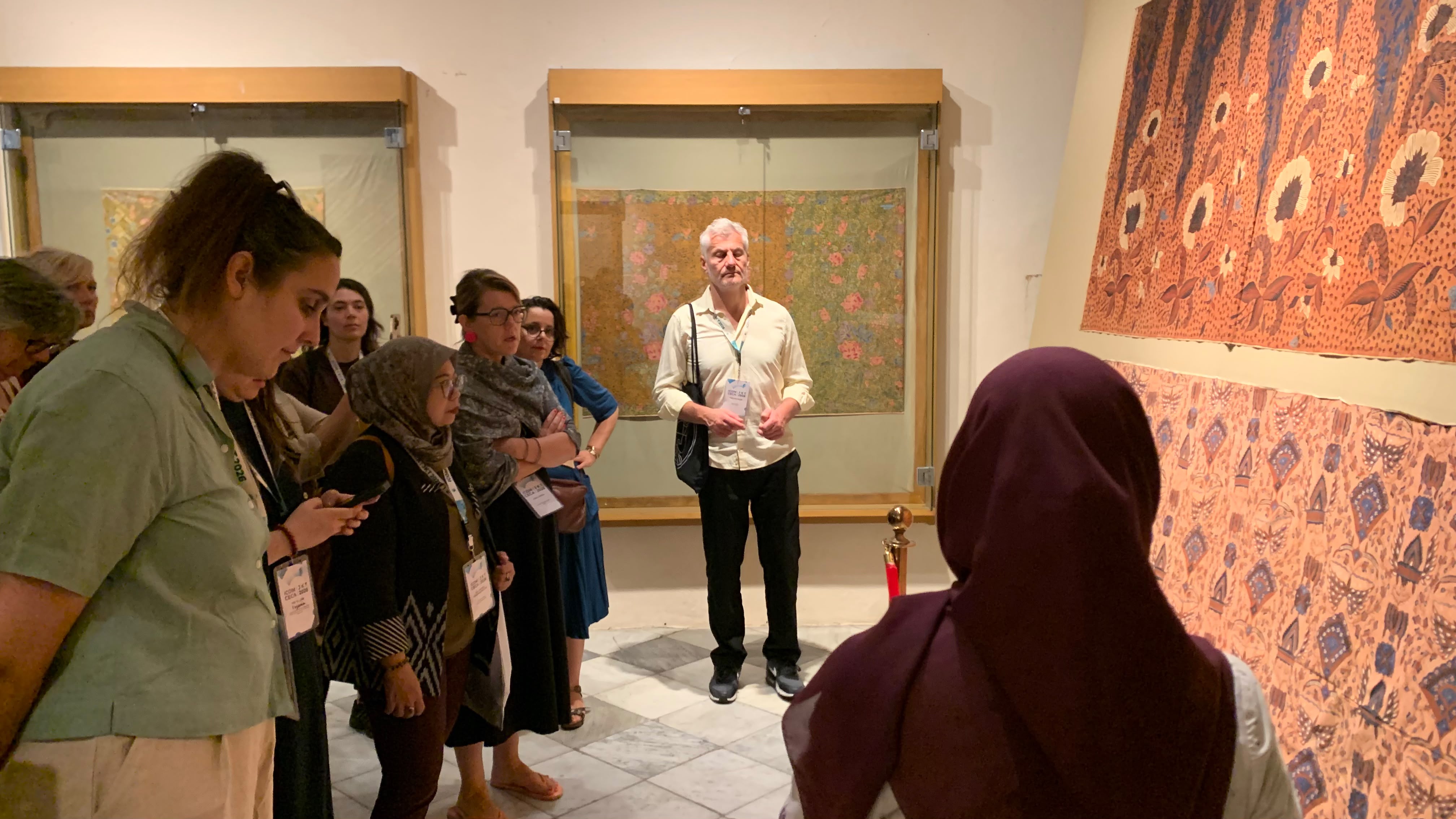
At the Jakarta Textile Museum, the workshop Interweaving Identities: Fabric as a Medium for Social Dialogue explored how traditional textiles can connect communities across cultural and ethnic boundaries.
Textiles in Indonesia carry stories of regional identity, craftsmanship, social traditions and everyday life. From batik to woven fabrics, these traditions offer more than artistic expression: they preserve knowledge passed between generations. The workshop considered how museums can protect this intangible heritage through interactive weaving and batik-making activities.
It also highlighted the importance of supporting traditional artisans and encouraging younger generations to engage with inherited skills. By presenting textiles as a shared cultural language, museums can create opportunities for dialogue and strengthen a sense of belonging among communities whose contributions may otherwise receive limited recognition.
Galeri Demono: Bringing Marginalized Voices into the Story
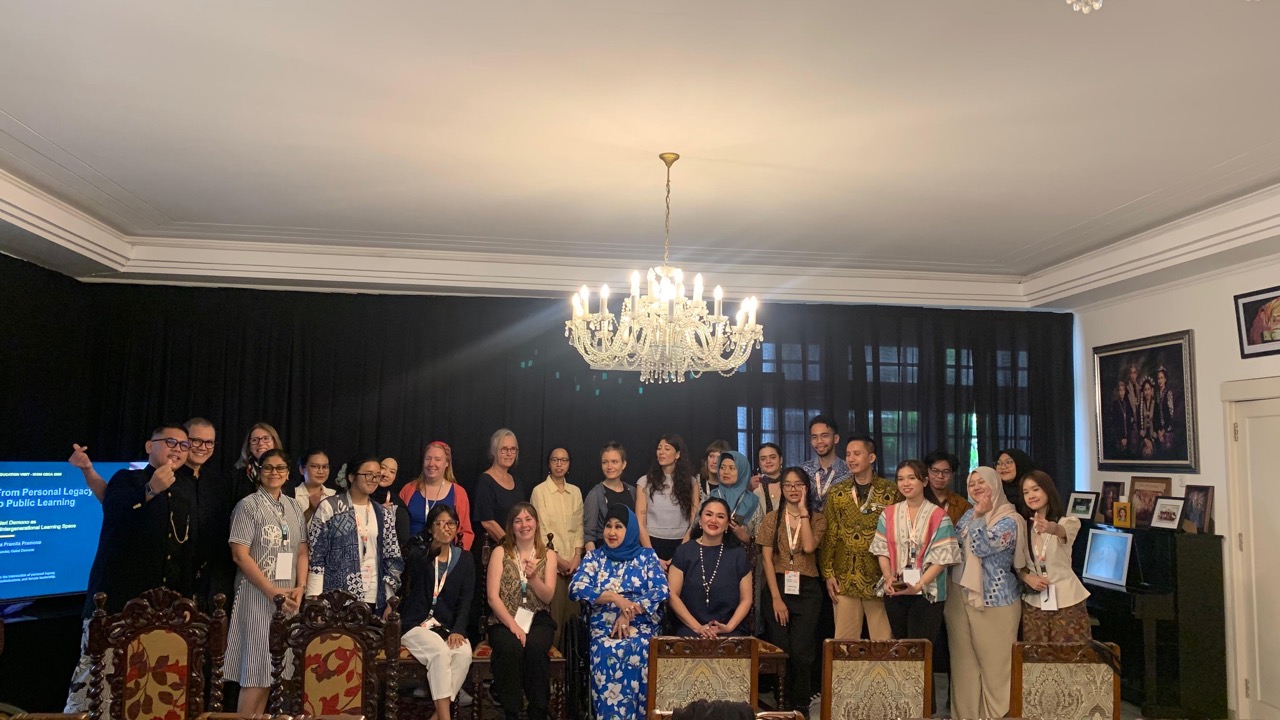
At Galeri Demono, participants explored Feminism, Literature, and the Art of Caring, a session focused on intimate museology and marginalized voices.
The workshop examined the relationship between personal legacy and public intellectual life, particularly through the stories of women and thinkers whose contributions have not always received sufficient attention in mainstream historical narratives. It considered how smaller, specialised museums can preserve these personal histories and create space for perspectives that have traditionally been overlooked.
The discussion offered another interpretation of care in museum practice: recognising whose stories are represented, whose experiences remain absent and how cultural institutions can make their collections more inclusive.
Mandiri Museum: Making Financial Literacy Part of Inclusion
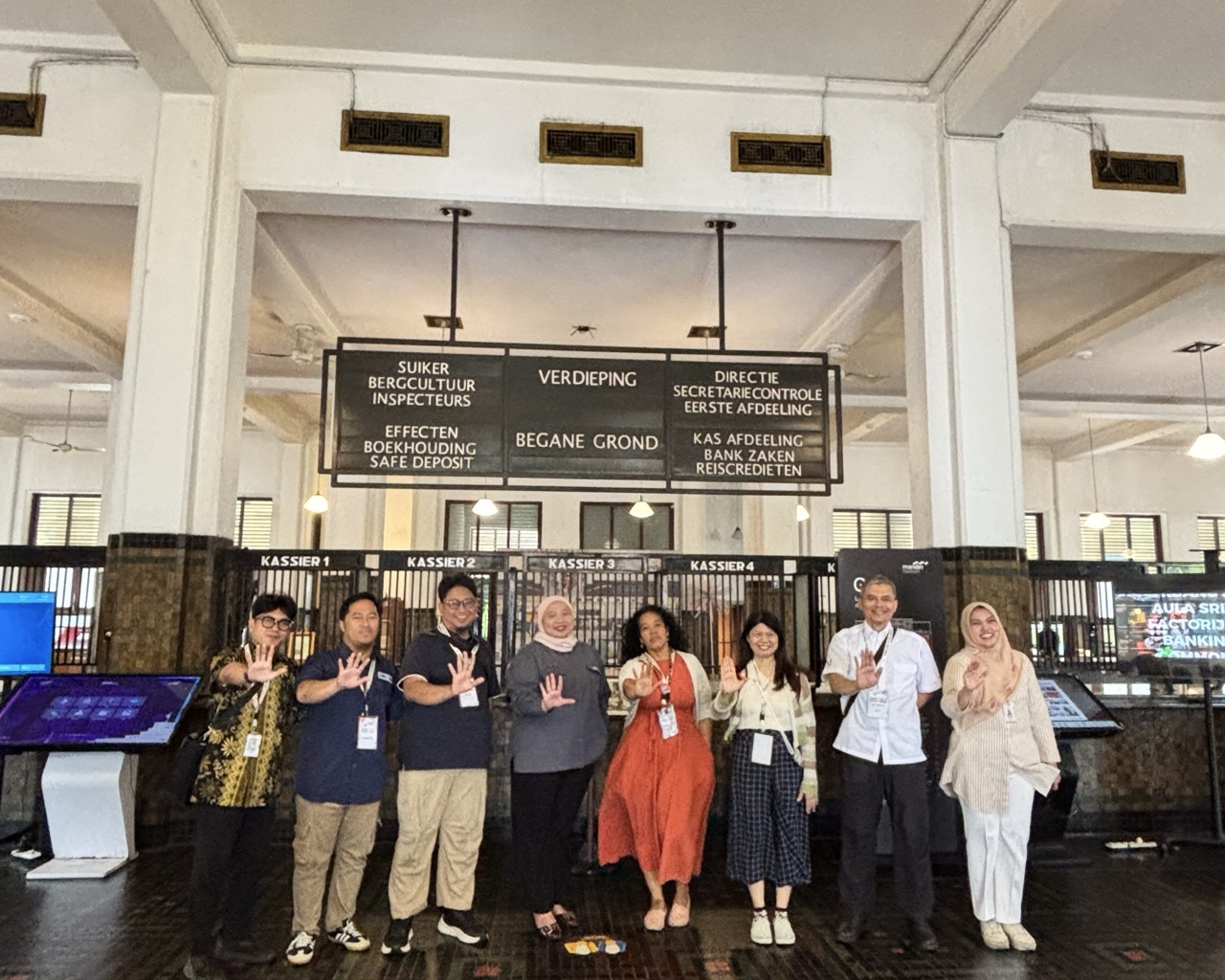
At Mandiri Museum, the session Institutional Identity and Financial Literacy as Inclusion explored the relationship between institutional history, trust and social participation.
Using the museum’s Art Deco heritage as a backdrop, participants discussed how financial education can help people better understand economic institutions and develop greater confidence in making financial decisions. The workshop connected concepts such as trust and reciprocity with social inclusion, showing how museums dedicated to specialised subjects can contribute to public education beyond their traditional collections.
Museum Bahari: Connecting Waterfront Communities with Global Goals
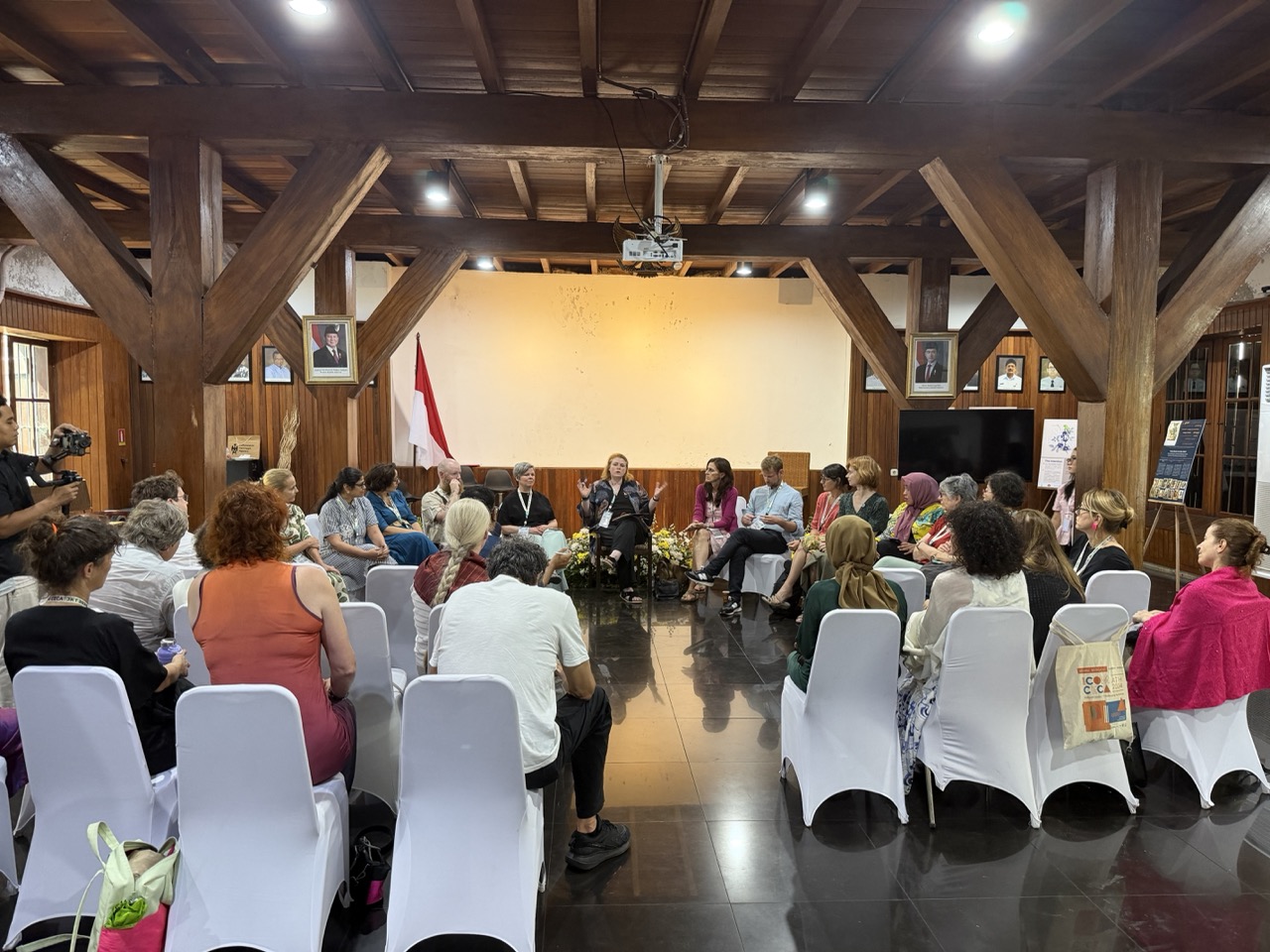
The afternoon programme brought participants together at Museum Bahari Jakarta, where the conference placed community engagement, sustainable development and urban collaboration at the centre of its discussions.
Located beside the historic Sunda Kelapa harbour, Museum Bahari occupies former Dutch East India Company warehouses built between 1652 and 1771. The buildings once stored commodities including spices, coffee, tea and textiles before being restored and officially opened as a museum on 7 July 1977. Its setting makes it a natural place to explore Indonesia’s maritime history and the continuing relationship between the city and its waterfront communities. museum.kemenbud.go.id
One of the morning workshops, Stories from the Waterfront Communities, examined the museum’s relationship with communities around Sunda Kelapa. Rather than treating community engagement as a one-off outreach activity, the session emphasised the importance of building long-term relationships based on trust. Participants explored how local experiences and community narratives can become part of museum programmes, ensuring that maritime heritage reflects the people whose lives remain connected to the harbour.
Another session, Mainstreaming SDGs in Museums: Museum in the City — Networking for Impact, connected museum practice with the Sustainable Development Goals. Its programme featured keynote contributions from Irene Umar, Indonesia’s Vice Minister of Creative Economy, and Glenn Perkins, Chair of ICOM CITIES. The panel included Miklos Gaspar, Director of the United Nations Information Centre in Jakarta; Atika Nur Rahmania, Head of Jakarta’s Regional Development Planning Agency; Mis’ari Musa, Head of the Jakarta Maritime Culture Museums Management Unit; and Nofa Farida Lestari, Executive Director of Musee ID.
The discussion built on an initiative already taking shape at Museum Bahari. In July 2026, the United Nations in Indonesia, the Jakarta Provincial Government, Musee ID, AMI DKI Jakarta and museum partners launched the Mainstreaming SDGs in Museums programme. The initiative builds on the establishment of the first SDG Corner in an Indonesian museum at Museum Bahari, with the aim of helping museums communicate global challenges through cultural heritage, exhibitions and public education.
Miklos Gaspar had previously underlined the importance of this approach, saying that museums have an increasingly important role “not only in preserving our shared heritage, but also in helping people understand today’s global challenges.” His observation captured the connection between cultural preservation and the wider development agenda.
The afternoon continued with the luncheon talk Museum as a Creative Hub, featuring Borbala Csete of the Indonesia Heritage Society; Bonita Rintyowati from the Surakarta City Office of Culture and Tourism; and Aleksandar Markovic, Director of EARTH PR. A separate speed-dating workshop led by Haryany Mohamad, Director of Penang State Museum, provided another opportunity for participants to exchange experiences and build professional connections.
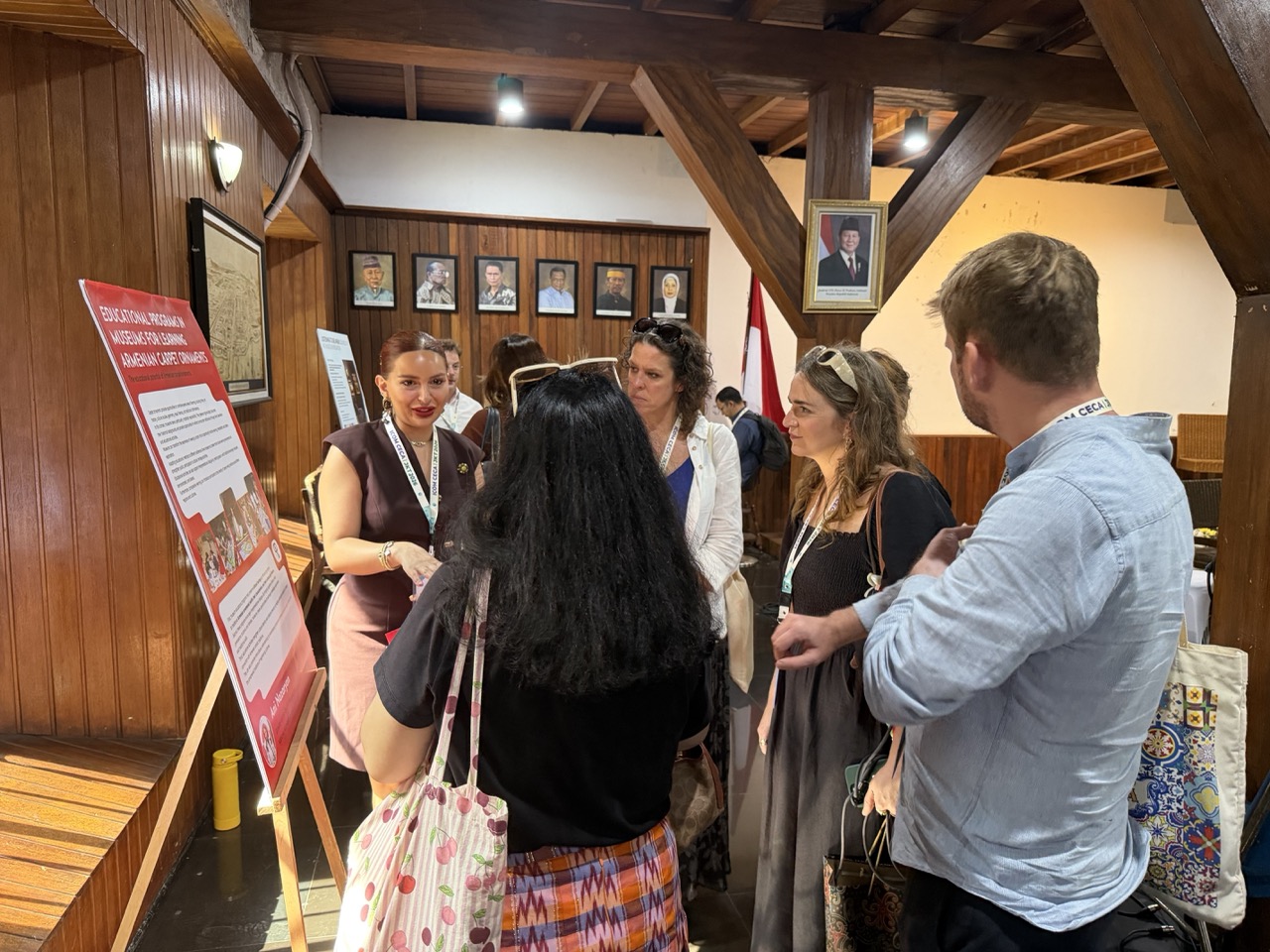
International perspectives continued through the oral poster presentations. Topics ranged from museum education and audience engagement to Armenian carpet traditions, accessibility, decolonisation, family histories and digital storytelling. Presenters from countries including Brazil, Russia, Armenia, Canada, Germany and Hong Kong demonstrated how museums in different contexts are addressing shared questions of participation, inclusion and community relationships.
From Batik to Dance: Learning Through Creative Practice
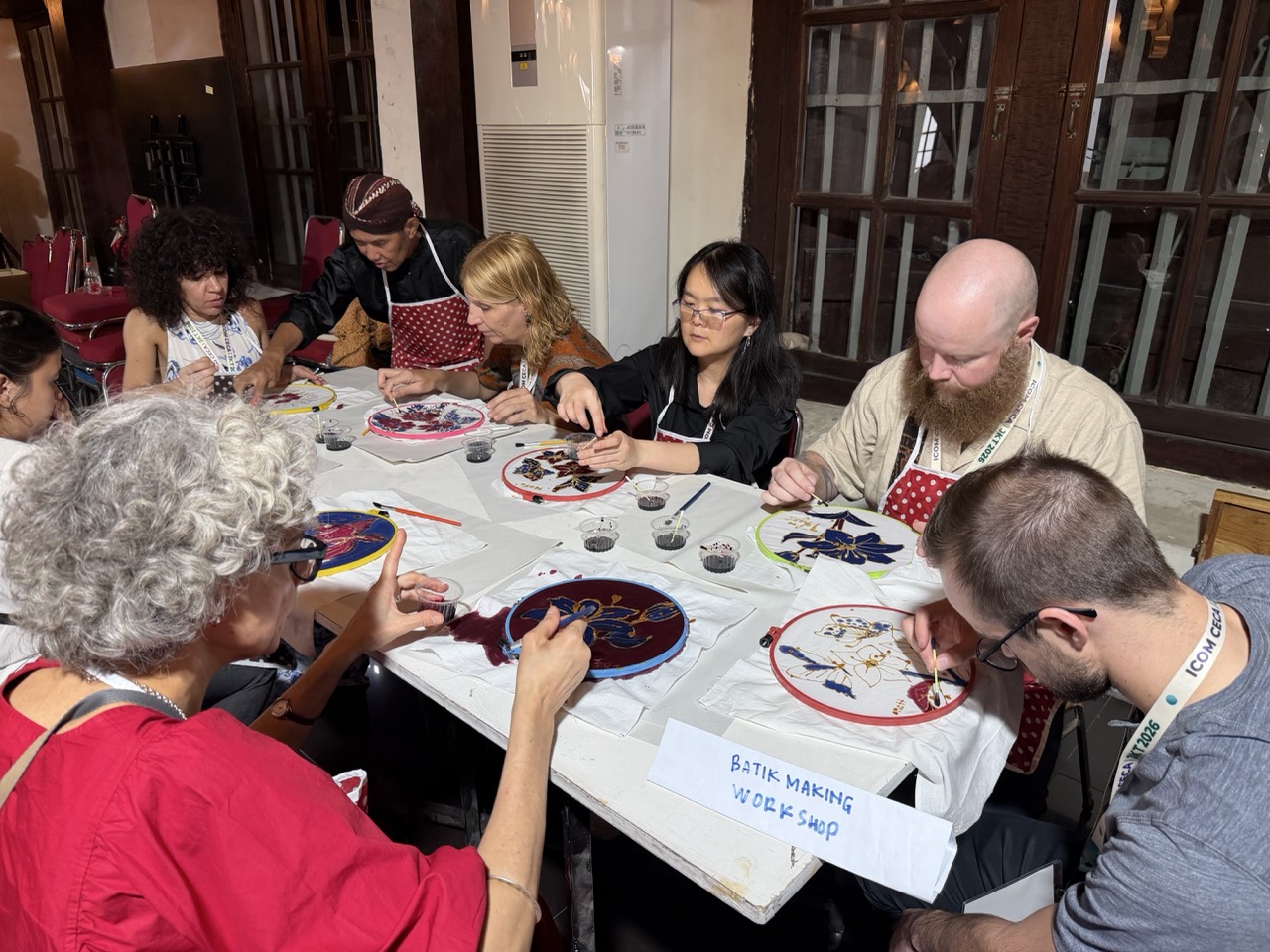
The day’s programme also made room for participants to experience cultural heritage through hands-on activities. Creative workshops introduced traditional Indonesian batik-making, net-thread crafting associated with coastal fishing communities, and paper engineering through an Ichinogami papercraft activity.
The activities offered a practical extension of the day’s discussions. Participants could explore how knowledge is passed down through traditional crafts, how local skills remain relevant to younger generations and how cultural practices can become engaging educational experiences.
An Indonesian dance workshop followed, giving delegates an opportunity to learn through movement before the programme concluded with cultural performances and a light dinner at Museum Bahari.
Strengthening Museums Through Shared Knowledge and Practice
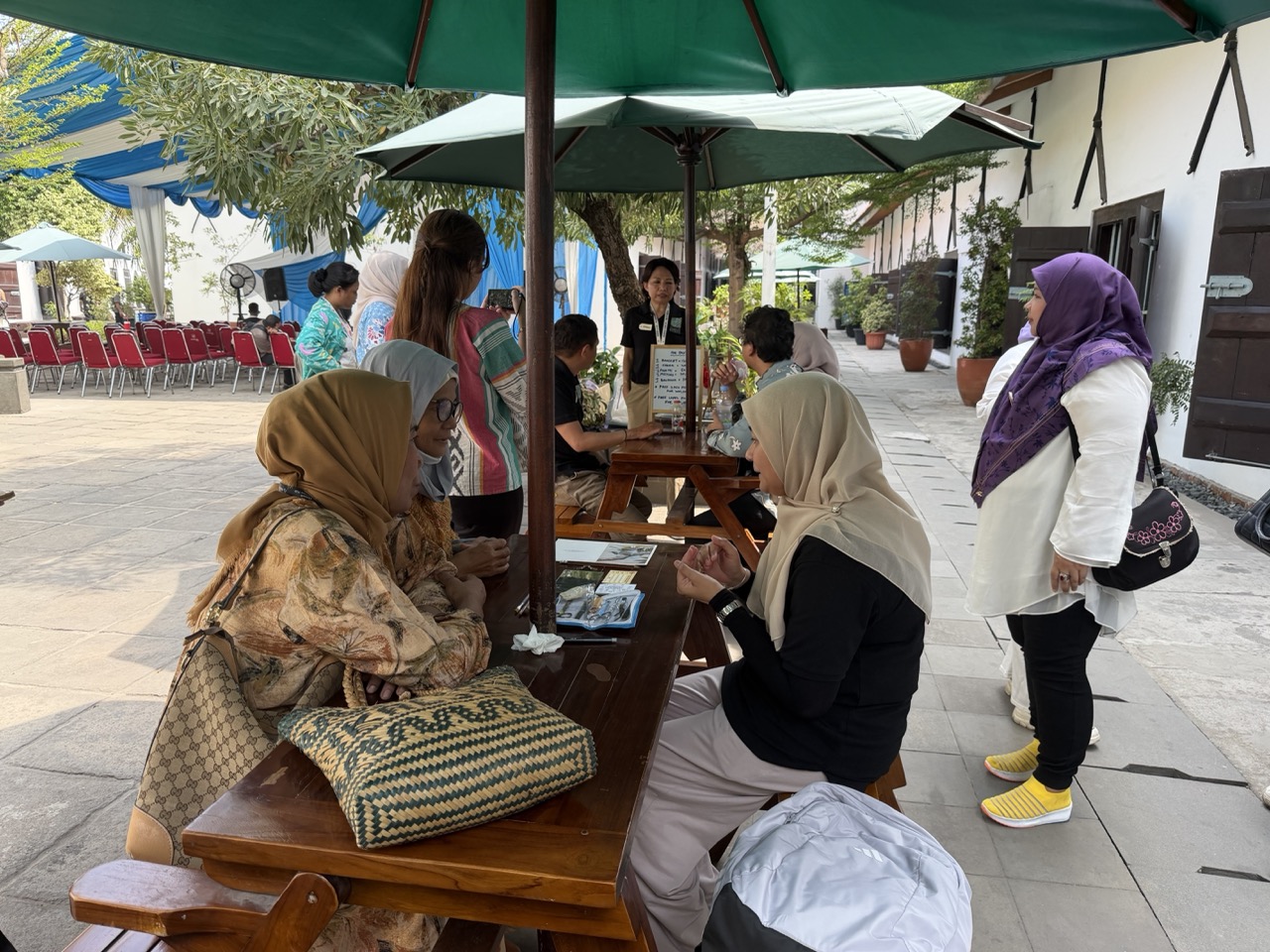
The 12 November programme highlighted how museums can respond to the changing expectations of their audiences while remaining rooted in their cultural and historical responsibilities. Across different institutions, participants encountered approaches that connected collections with education, community participation, traditional craftsmanship and social inclusion. These experiences demonstrated that museum development is not defined by exhibitions or infrastructure alone, but also by the relationships museums build with people and the ways they make heritage meaningful in everyday life.
For international delegates, the sessions also created opportunities to exchange professional perspectives and consider how ideas developed in one cultural setting might inspire practice elsewhere. The discussions reflected the value of connecting museum professionals across countries, institutions and disciplines, particularly as museums seek to become more accessible, inclusive and relevant to younger generations.
The value of ICOM CECA 2026 therefore extended beyond presentations and museum visits. It strengthened a professional network committed to sharing knowledge, exploring new approaches to museum education and ensuring that museums continue to serve as spaces for learning, cultural dialogue and community connection.


