


On Thursday, 12 November 2026, Indonesian Vice President Gibran Rakabuming Raka submitted his resignation letter to the leadership of the People's Consultative Assembly (MPR). The five-paragraph letter stated that Gibran was stepping down from his position as Vice President for the 2024–2029 term "at his own request". However, it did not provide any reason for his decision.
MPR Speaker Ahmad Muzani described the event as a "new constitutional practice" in Indonesia.
Resignations by Indonesian vice presidents have been extremely rare throughout the country's history. Before Gibran, only Mohammad Hatta had left the office through resignation.
Similar cases have also occurred in Myanmar. Across Southeast Asia, four vice presidents have been documented as leaving office before the end of their terms: two from Indonesia and two from Myanmar.
However, each case had a different political background and followed a different process.
1. Mohammad Hatta, Indonesia (1956)
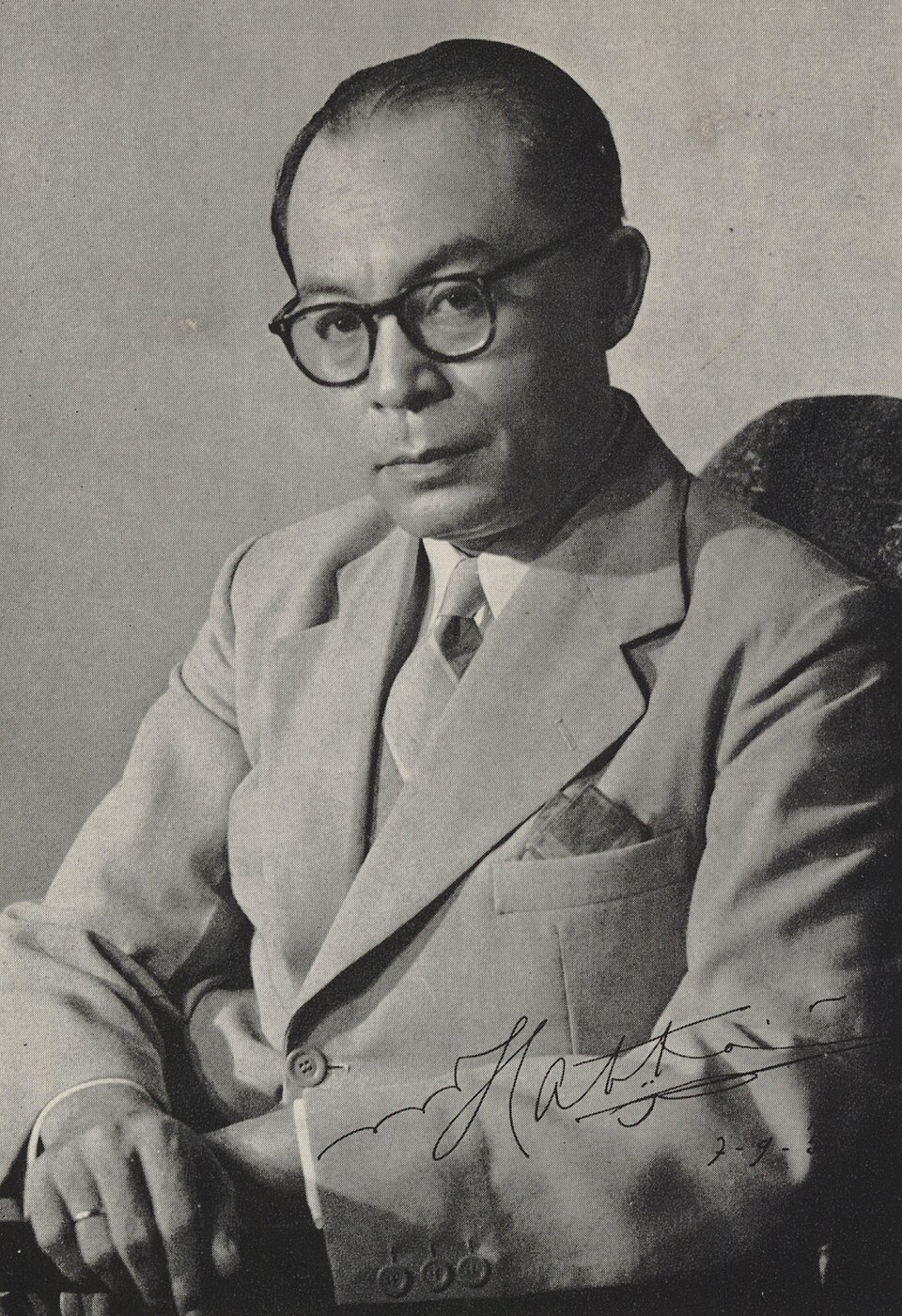
Mohammad Hatta was Indonesia's first vice president. He served alongside President Sukarno from 18 August 1945, shortly after Indonesia declared independence.
However, the two leaders gradually developed differences over the direction of the government. In his book Demokrasi Kita (Our Democracy), Hatta wrote that he had long held different views from Sukarno on what he considered an efficient form and structure of government.
On 20 July 1956, Hatta submitted his resignation letter to Sartono, the Speaker of the House of Representatives (DPR). The DPR approved his resignation on 30 November 1956, and Hatta officially left office on 1 December 1956, after serving for around 11 years.
His departure left the vice-presidential office vacant for nearly 17 years. Indonesia did not have another vice president until 1973, when Sultan Hamengkubuwono IX was elected to serve alongside President Soeharto.
2. Tin Aung Myint Oo, Myanmar (2012)
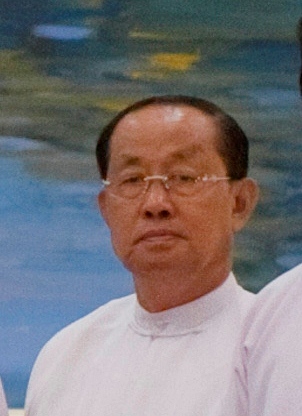
More than half a century after Hatta's resignation, another vice president in Southeast Asia left office before the end of his term, this time in Myanmar.
Before 2011, Myanmar was under military rule led by the State Peace and Development Council (SPDC), chaired by General Than Shwe. Following the implementation of a new constitution, the country began forming a government with a president and two vice presidents in 2011.
Tin Aung Myint Oo, who had previously served as the SPDC's first secretary, became one of the vice presidents in the new government. However, the 61-year-old retired four-star general was reportedly seeking to resign in early May 2012 on health grounds, after receiving medical treatment in Singapore.
The news was initially difficult to report. Radio Free Asia reported that Myanmar's authorities had prohibited local media from covering his resignation and warned that legal action could be taken against those who violated the restriction.
The government officially confirmed the news on 4 July 2012. In a written message from President Thein Sein read out in parliament, the government announced that the first vice president would be replaced within seven days through parliamentary procedures.
3. Henry Van Thio, Myanmar (2024)
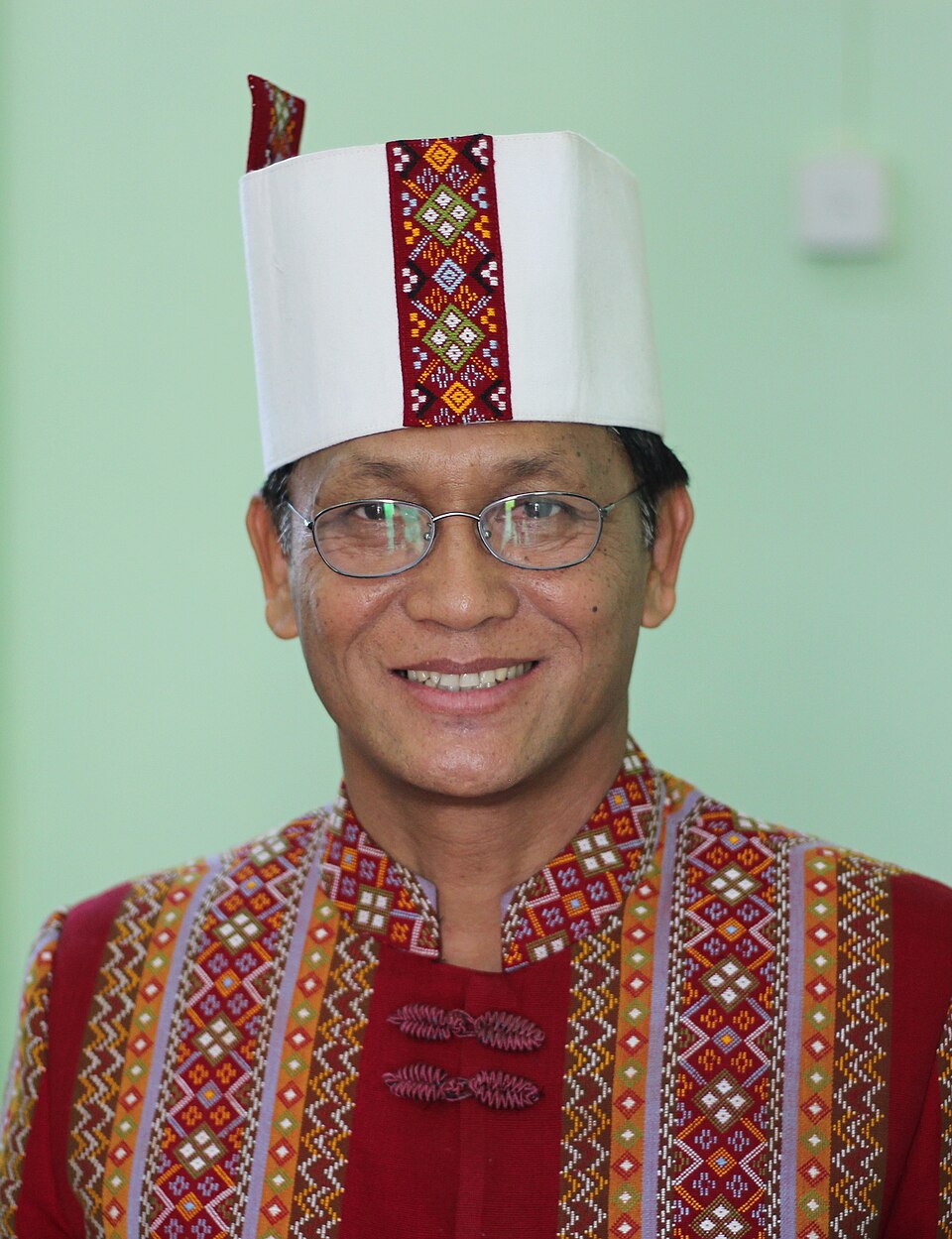
Myanmar experienced another vice-presidential departure before the end of a term in 2024. This time, it was Henry Van Thio, who had served as the country's second vice president since 2016.
Myanmar had already had two vice presidents since the new government was formed in 2011. Henry Van Thio took the second position after the 2015 general election brought the National League for Democracy (NLD), led by Aung San Suu Kyi, to power in 2016.
He remained in office even after the military coup in February 2021. During this period, he became the only NLD member to remain on Myanmar's National Defence and Security Council.
On 22 April 2024, state broadcaster MRTV announced that Van Thio, then 65, had been "allowed to retire" from his vice-presidential position on health grounds, in accordance with the constitution. The announcement did not specify his illness or name a successor.
Previously, Van Thio had reportedly missed several council meetings due to health reasons. He was also hospitalised in January 2023 after suffering a head injury from a fall.
However, most information about his condition came from statements by the military junta, while independent reporting on the case remained limited.
Unlike Tin Aung Myint Oo, Van Thio was officially announced as having retired. His departure is therefore more accurately described as leaving office before the end of his term, rather than a direct resignation.
4. Gibran Rakabuming Raka, Indonesia (2026)
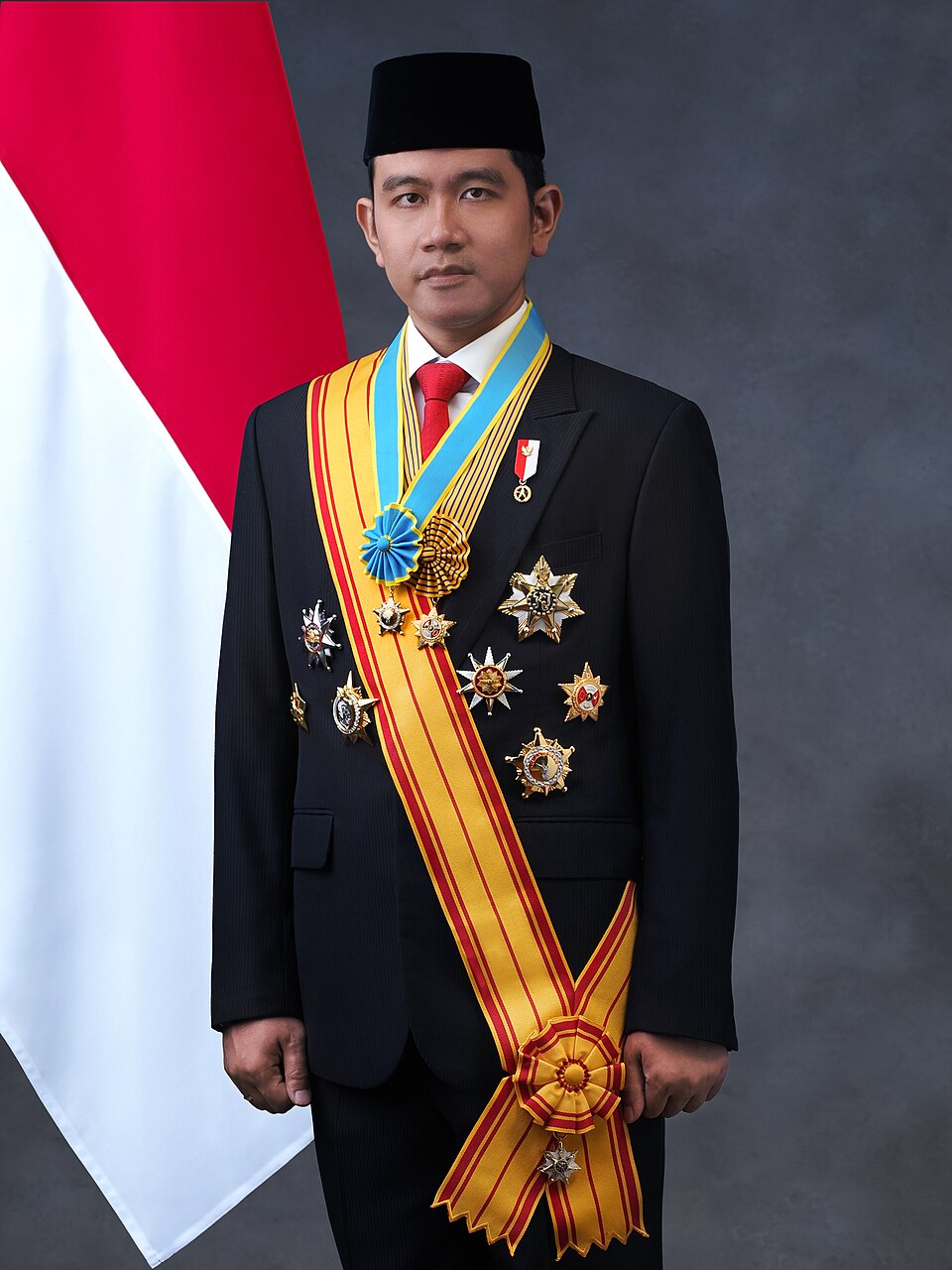
Gibran is the second vice president in Indonesian history to submit a resignation. His decision came amid controversy surrounding his educational credentials and related legal proceedings.
In early October 2026, the Constitutional Court rejected a petition filed by Denny Indrayana and 11 other applicants. In Case No. 01/PHPU.PRES-XXIV/2026, the Court ruled that Gibran was no longer a vice-presidential candidate.
The Court also stated that it had found no convincing evidence that Gibran held a foreign diploma or certificate that could serve as the basis for an equivalency assessment.
The next development came from the Supreme Court. In cassation case No. 742 K/TUN/2026, filed by lawyer Subhan Palal, the Court ruled that the high school diploma equivalency certificate issued by the Ministry of Primary and Secondary Education was invalid. A copy of the ruling was released on 10 November 2026.
On the same day, Gibran informed President Prabowo Subianto of his intention to resign, according to State Secretary Minister Prasetyo Hadi. A day later, 120 members of the House of Representatives from eight parliamentary factions proposed exercising their right to express an opinion, a preliminary step in the impeachment process.
However, Gibran insisted that his resignation was a personal decision and had nothing to do with the controversy over his educational credentials. Coordinating Minister for Law, Human Rights, Immigration and Corrections Yusril Ihza Mahendra also cited personal reasons and considerations surrounding public opinion.
After Gibran submitted his resignation letter on 12 November, the DPR plenary session on the proposed right to express an opinion was cancelled. Attention then shifted to the constitutional process for filling the vacant vice-presidential position.
The four cases in Indonesia and Myanmar show that vice presidents can leave office for different reasons and through different procedures. Some resigned over political differences, others cited health reasons, while one was officially announced as retiring. In Gibran's case, the next steps will test Indonesia's constitutional mechanisms.


