


Among the millions of lakes on Earth, only one has a maximum depth exceeding 1,600 metres. Lake Baikal in Siberia, Russia, reaches 1,637 metres at its deepest point. That is almost three times the depth of Lake Matano in Sulawesi, Indonesia, which ranks tenth at 590 metres.
The difference between the two is 1,047 metres. Yet these lakes hold other remarkable features, from vast freshwater reserves to ecosystems that preserve clues about Earth's ancient environments.
This list uses maximum-depth figures from the United States National Park Service (NPS). Measurements from other sources are also included where they differ. The Caspian Sea and Lake Vostok in Antarctica are included as well.
1. Lake Baikal, Russia: 1,637 metres
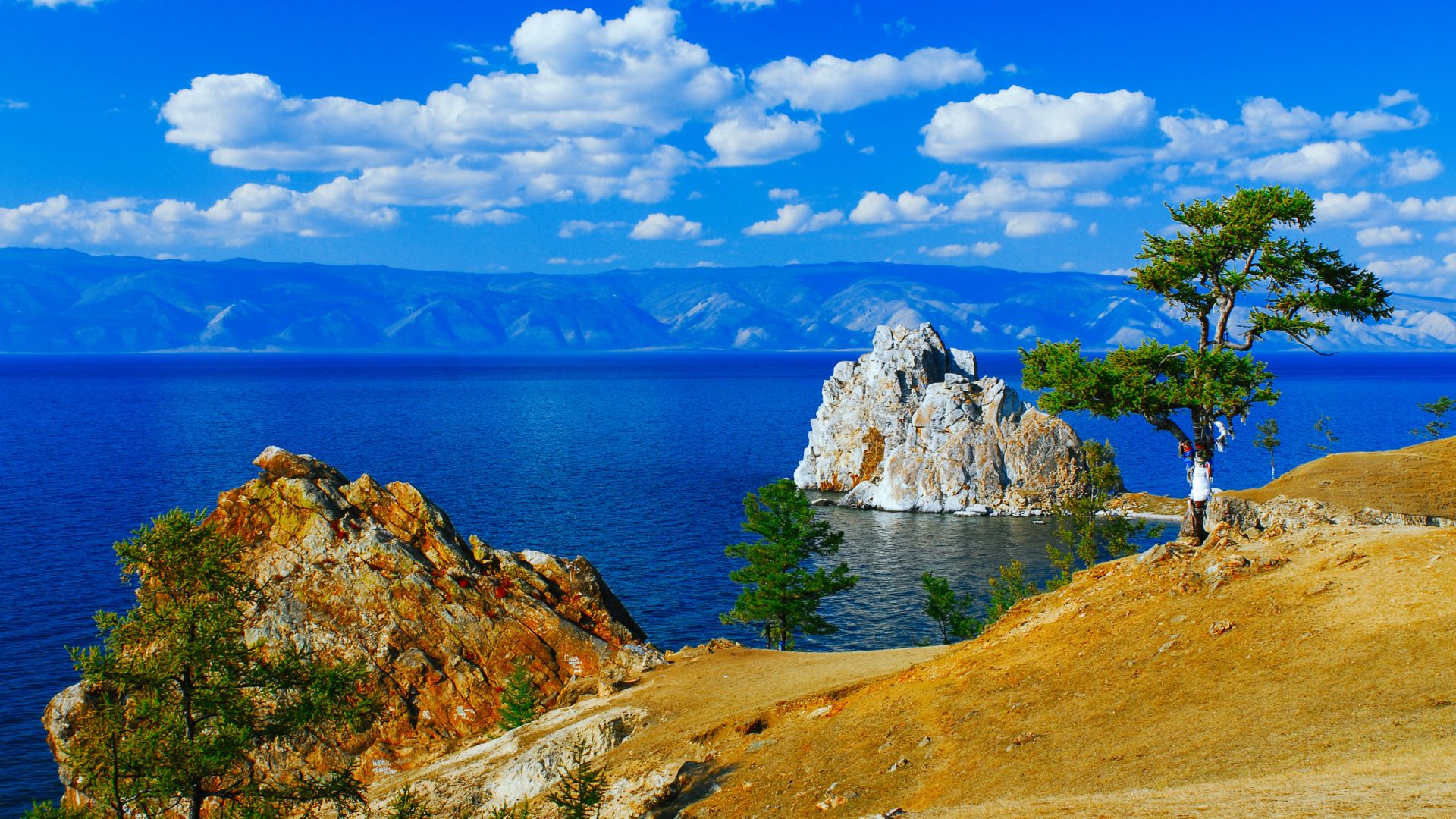
Lake Baikal is the deepest lake in the world. The NPS records its maximum depth at 1,637 metres, although other sources put the figure as high as 1,642 metres.
Estimated to be around 25 million years old, Baikal holds 23,600 cubic kilometres of freshwater, equivalent to about 20 per cent of the world's unfrozen freshwater reserves.
According to the IUCN, Baikal is also home to at least 2,640 animal species, around 56 per cent of which are endemic. However, its ecosystem faces threats from heavy metal pollution in the Selenga River and toxic waste from the former Baikalsk pulp and paper mill, which closed in 2013. In 2025, its conservation outlook was classified as significant concern.
2. Lake Tanganyika, East Africa: 1,471 metres
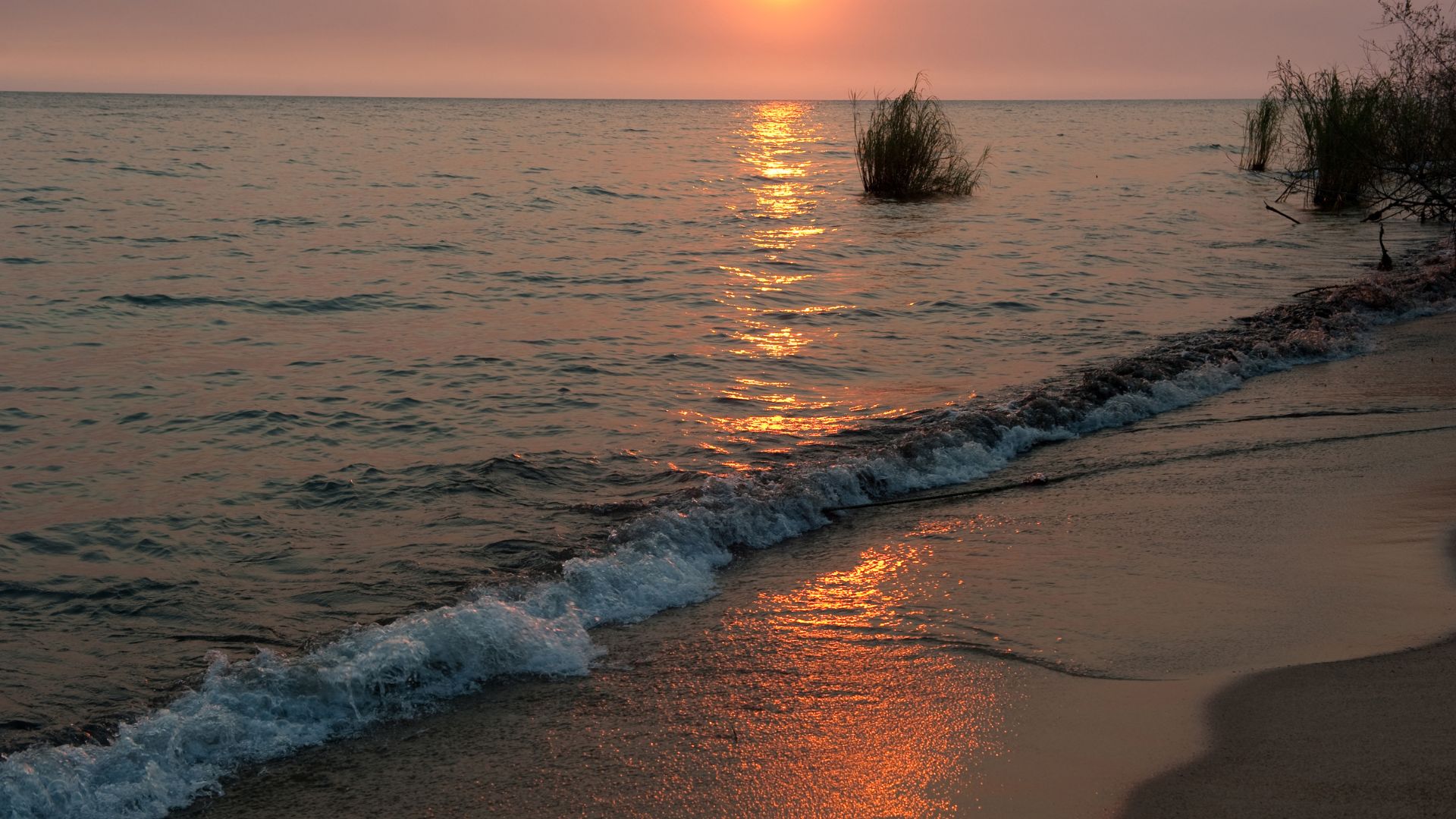
Lake Tanganyika stretches across Tanzania, Burundi, the Democratic Republic of the Congo, and Zambia. With a maximum depth of 1,471 metres, it is the world's second-deepest lake after Baikal. The Food and Agriculture Organization (FAO) records its surface area at 32,900 square kilometres and its water volume at around 18,880 cubic kilometres.
Tanganyika is also remarkably rich in fish species. The International Lake Environment Committee (ILEC) database records 214 native fish species, including 176 that are endemic to the lake.
One notable group is the cichlid fish, with 30 genera found exclusively in Tanganyika. Water in the lake's deeper layers also mixes very little with surface water because of differences in temperature.
3. Caspian Sea, Europe and Asia: 1,025 metres
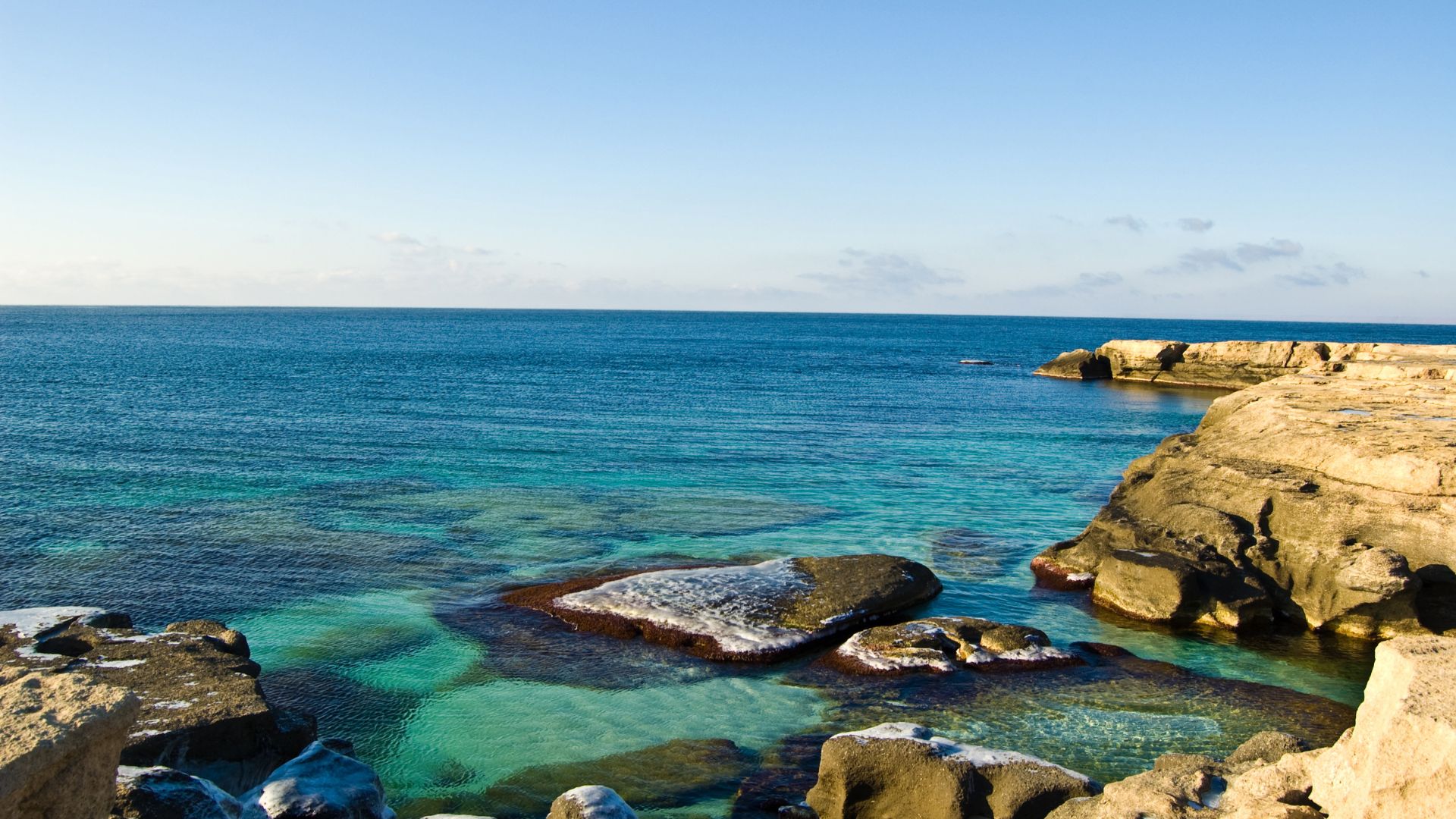
Despite its name, the Caspian Sea is an enclosed body of water bordered by five countries: Russia, Kazakhstan, Turkmenistan, Iran, and Azerbaijan. Its deepest point lies in the southern part, reaching 1,025 metres.
Because of its characteristics, some sources classify it as the world's largest lake. It covers an estimated 371,000 square kilometres and holds around 78,200 cubic kilometres of water. The Volga River alone supplies about 80 per cent of the water flowing into the Caspian.
4. Lake Vostok, Antarctica: At least 900 metres
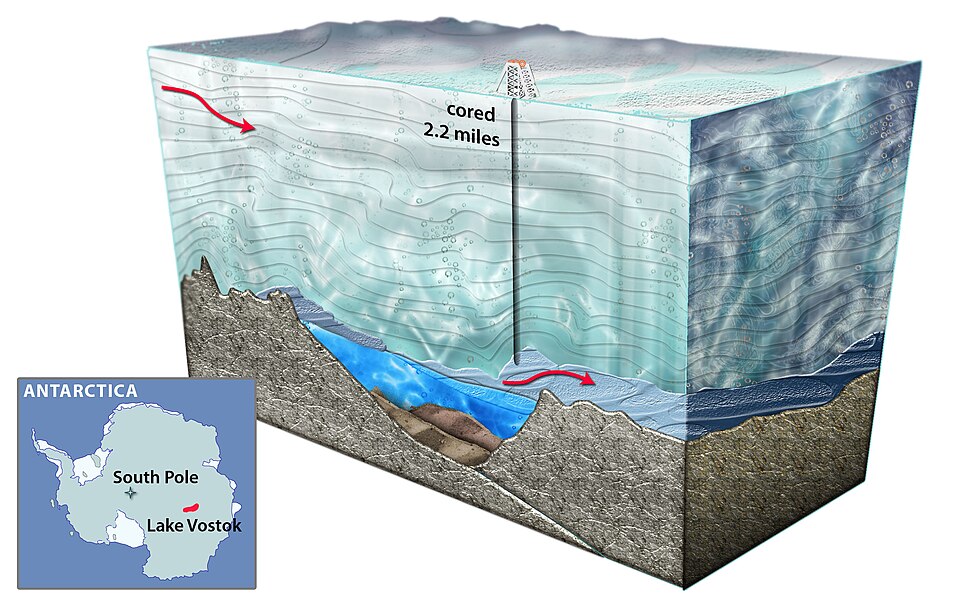
Lake Vostok lies hidden beneath Antarctica's ice sheet, approximately 3,700–4,300 metres below the ice surface. Its location makes direct depth measurements difficult.
The NPS records its depth at at least 900 metres. In February 2012, a Russian research team reached the lake's water at a drilling depth of 3,769 metres below the ice surface.
According to the Lamont-Doherty Earth Observatory, the pressurised water surged into the borehole and subsequently froze. Scientists are particularly interested in Vostok because it has remained isolated beneath the ice for an exceptionally long time.
5. Lake O'Higgins–San Martín, Chile and Argentina: 836 metres
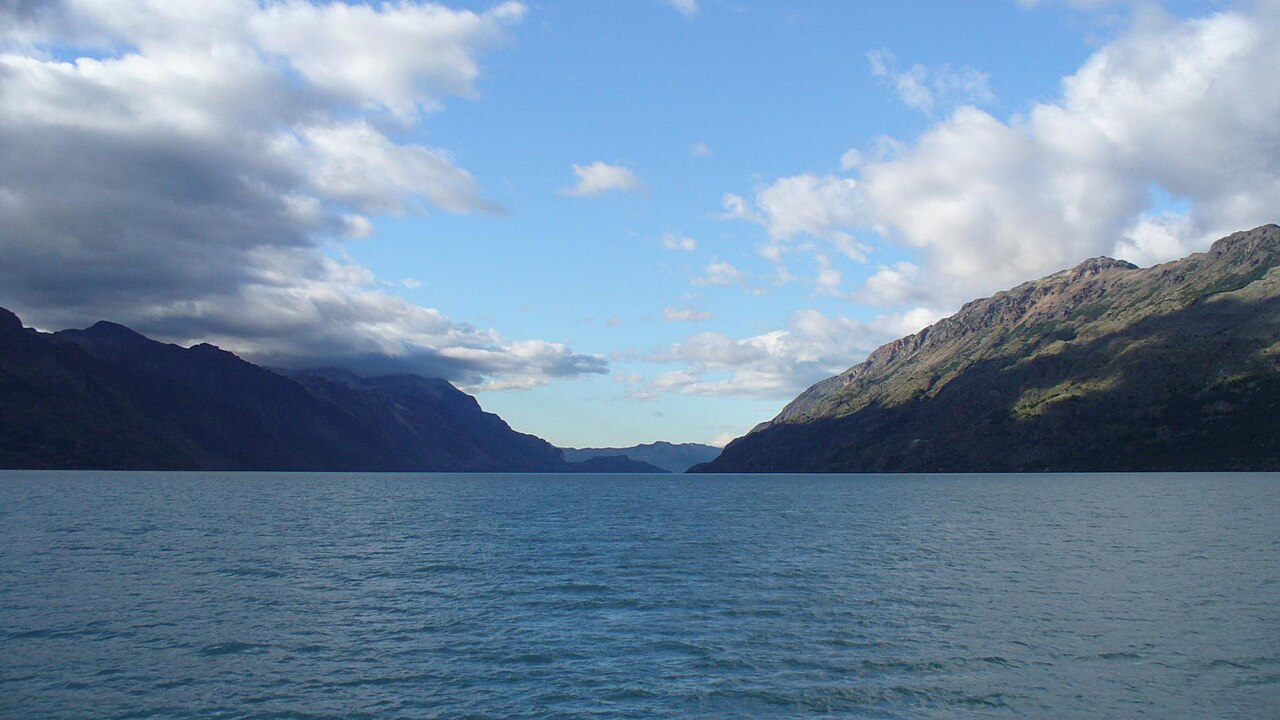
This lake has two names, depending on which side of the border it is viewed from. In Chile, it is known as Lago O'Higgins, while in Argentina it is called Lago San Martín.
The NPS records its maximum depth at 836 metres, while a 2023 study reported a depth of 799 metres based on field measurements taken in 2020.
At one end of the lake lies O'Higgins Glacier, part of the Southern Patagonian Ice Field, which covers approximately 762 square kilometres. Over roughly a century, the glacier's front has retreated by around 15 kilometres. Between 2017 and 2022, its ice surface also declined by an average of 17.6 metres per year.
6. Lake Malawi or Nyasa, Africa: 706 metres
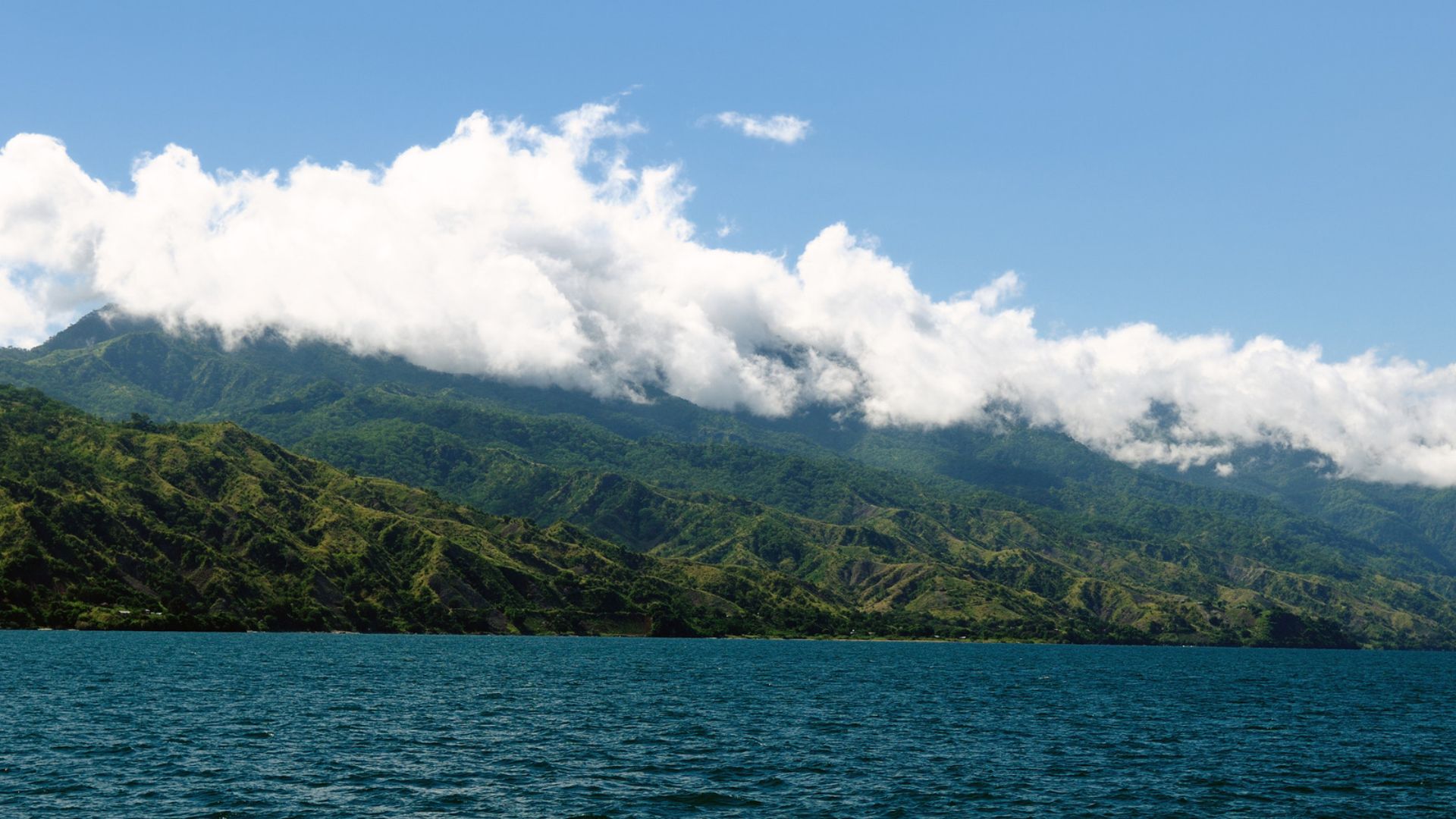
Lake Malawi, also known as Lake Nyasa, borders Malawi, Mozambique, and Tanzania. It reaches a maximum depth of 706 metres, with an average depth of around 273 metres.
In 1984, UNESCO added Lake Malawi National Park to its World Heritage List because of its rich biodiversity. The lake is estimated to contain up to 1,000 fish species.
One notable group is the mbuna fish, with more than 350 species, almost all of which are endemic. However, life in the lake's deeper waters faces a challenge: below 200 metres, the water contains no oxygen.
7. Lake Issyk-Kul, Kyrgyzstan: 668 metres
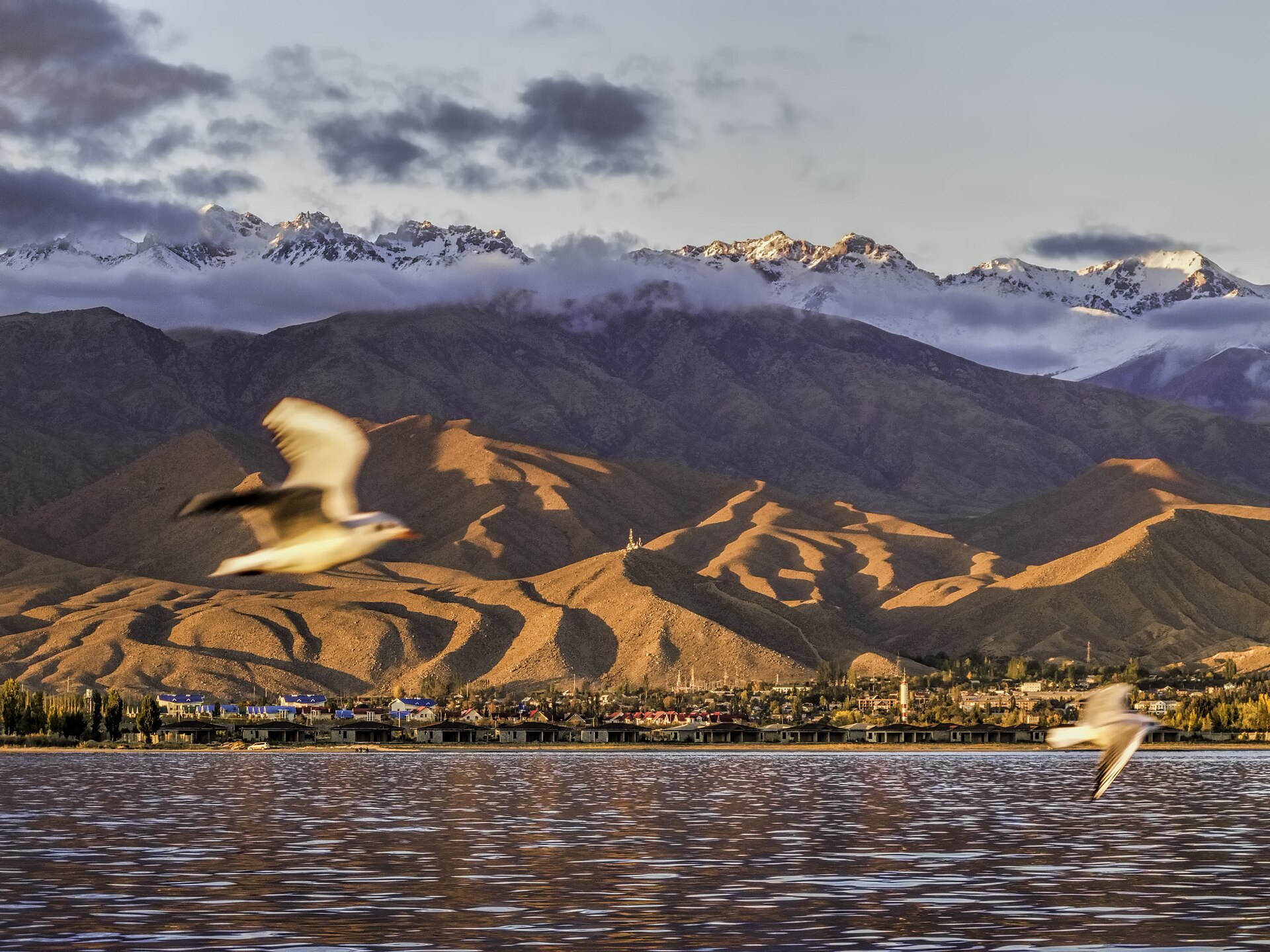
Located in Kyrgyzstan's Tian Shan Mountains, Lake Issyk-Kul sits approximately 1,608 metres above sea level. It covers around 6,236 square kilometres and holds roughly 1,738 cubic kilometres of water. The NPS records its maximum depth at 668 metres.
However, the International Association for Great Lakes Research (IAGLR) also lists a figure of 702 metres from another source. This 34-metre difference is substantial enough to affect the lake's position in the ranking. Issyk-Kul itself was formed by tectonic activity that created a long basin between the surrounding mountains.
8. Great Slave Lake, Canada: 614 metres
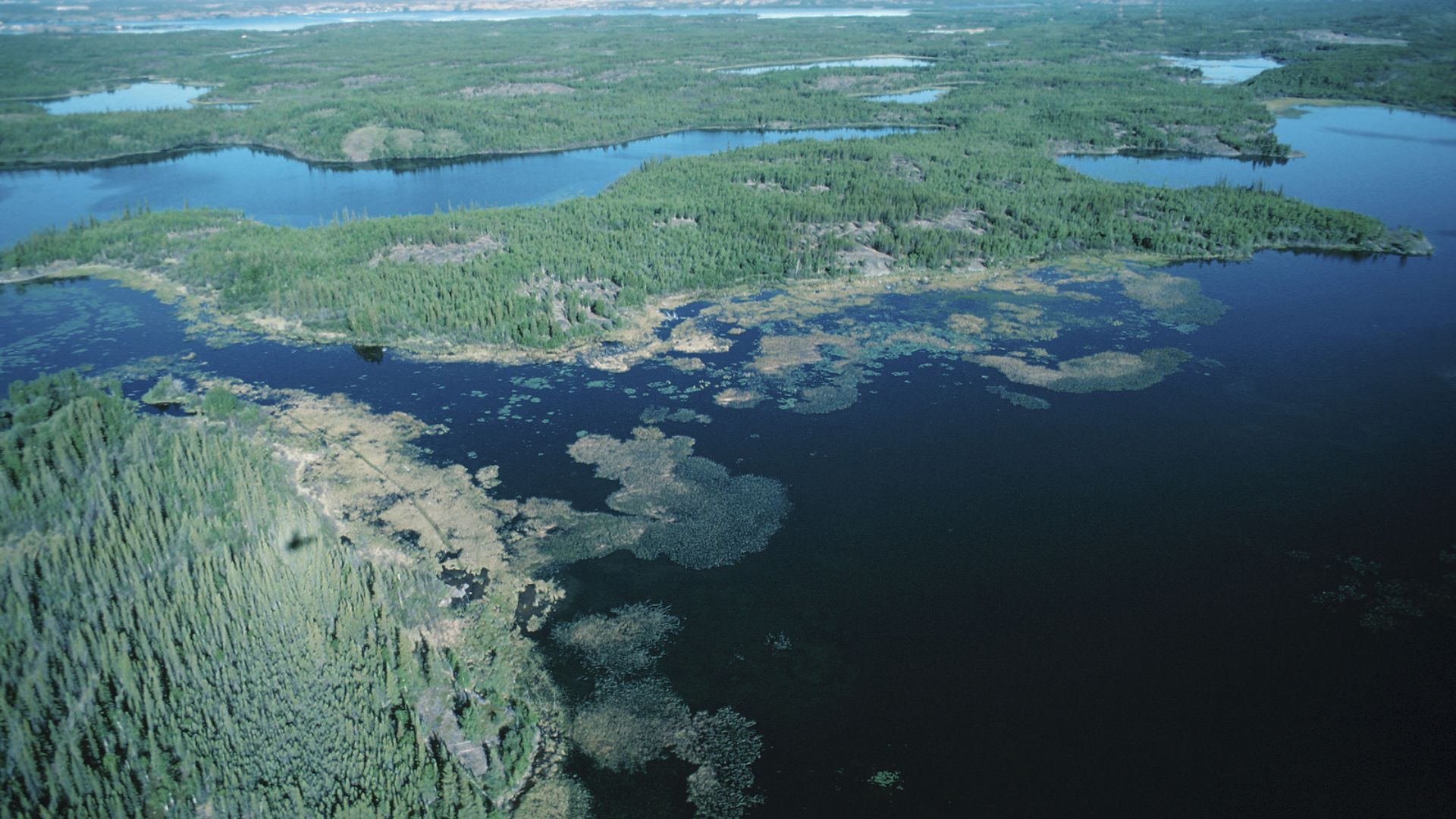
Great Slave Lake is located in Canada's Northwest Territories, at an elevation of around 156 metres above sea level. With a maximum depth of 614 metres, it is the deepest lake in North America on this list. It covers 28,568 square kilometres and holds approximately 2,088 cubic kilometres of water.
The lake was formed through glacial erosion during the last ice ages. Its water is freshwater, with low to moderate nutrient levels. Great Slave Lake is 54 metres shallower than Issyk-Kul and just 22 metres deeper than Crater Lake in the United States.
9. Crater Lake, United States: 592 metres
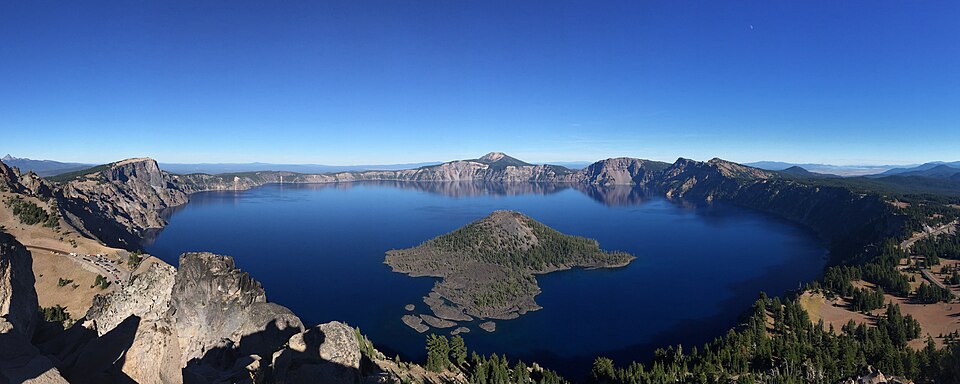
Crater Lake in Oregon was formed after the massive eruption of Mount Mazama around 7,700 years ago. The mountain's summit, estimated to have stood 3,658 metres high, collapsed and created a caldera 8–10 kilometres wide. Rainwater and melting snow gradually filled the basin, forming a lake that now reaches 592 metres deep.
Crater Lake is famous for its exceptionally clear water, with an average visibility of around 31 metres. At its centre lies Wizard Island, formed by volcanic activity and last erupting around 4,800 years ago. The lake also rarely freezes during winter.
10. Lake Matano, Indonesia: 590 metres
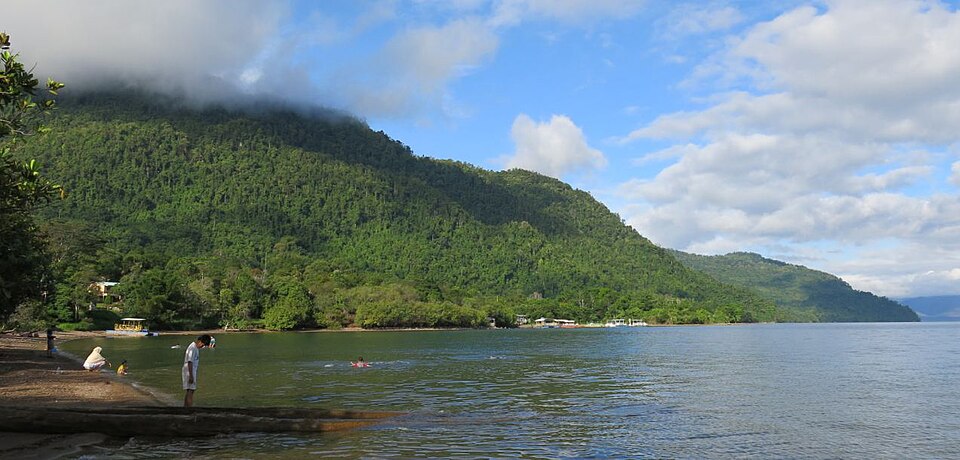
Lake Matano in Sulawesi puts Indonesia on the list of the world's deepest lakes. The NPS records its maximum depth at 590 metres, just four metres shallower than General Carrera Lake on the Argentina–Chile border.
Matano has a meromictic structure, meaning its deep water layers do not regularly mix with the water near the surface. This creates distinct conditions in different parts of the lake.
A 2008 study found that water below approximately 120 metres is rich in dissolved iron and methane. At around 100 metres, microbial communities use sunlight to obtain energy from iron.
The lake's water chemistry even resembles that of ancient oceans during the Archaean and early Proterozoic eras. However, Matano's ecosystem faces pressure from mining activities in its surrounding watershed.


