


From centuries-old mosques and illuminated Qur'ans to contemporary fashion and geometric designs, Southeast Asia's Islamic art reflects a remarkable meeting of faith, heritage and creativity.
Every November 18, the world celebrates the International Day of Islamic Art, proclaimed by UNESCO in 2019 to recognise the artistic contributions of Islamic civilisation and encourage intercultural dialogue. Across Southeast Asia, the occasion offers an opportunity to rediscover an artistic heritage shaped by centuries of cultural exchange, maritime trade and local craftsmanship.
Home to approximately one-quarter of the world's Muslim population, Southeast Asia has developed a distinctive visual identity in Islamic art. From Indonesia and Malaysia to Brunei, Singapore, southern Thailand and the Philippines, Islamic artistic traditions have evolved alongside indigenous cultures, producing expressions that remain visible in architecture, textiles, manuscripts and contemporary design.
Where Faith Meets Southeast Asian Heritage
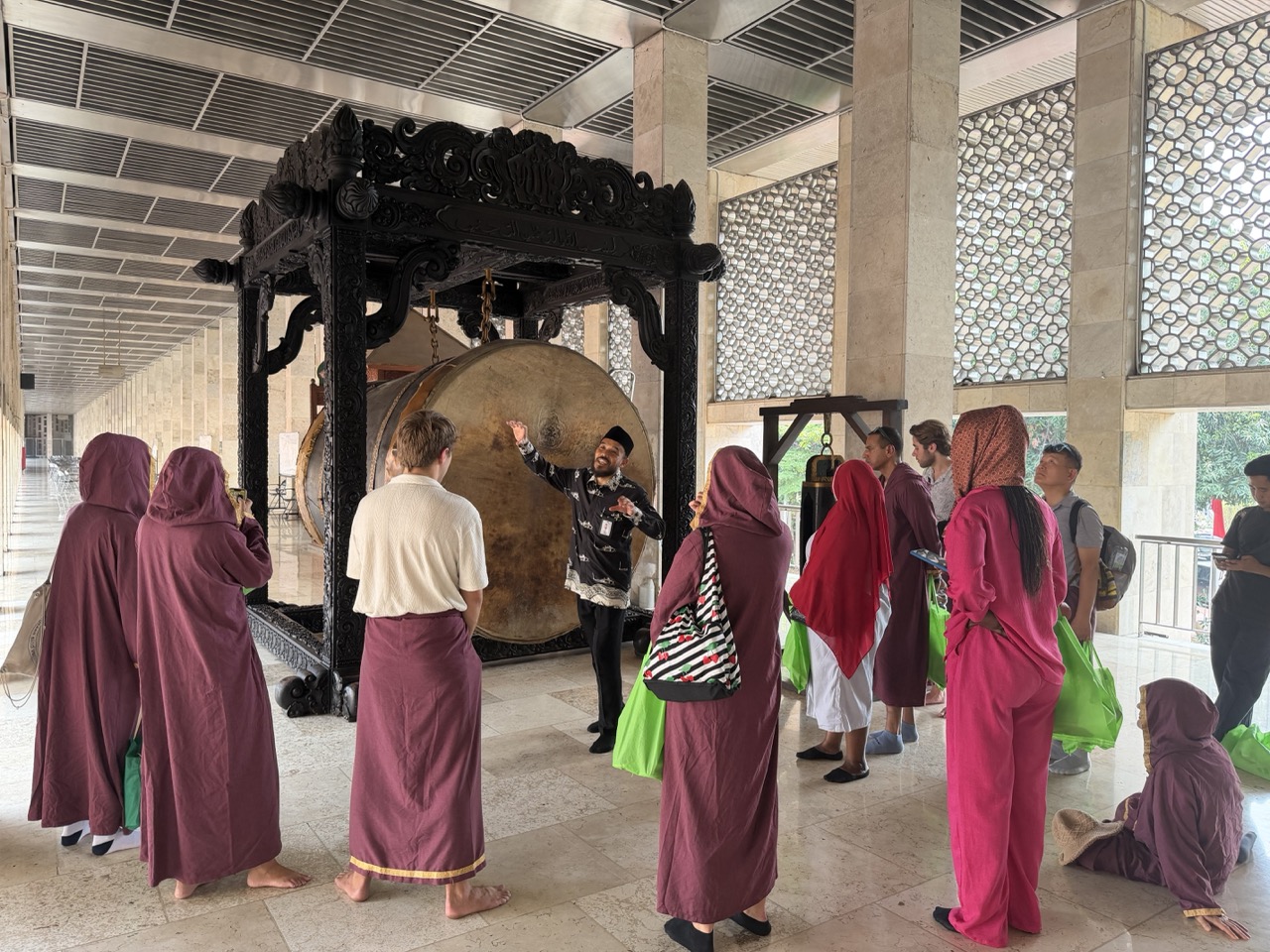
Unlike the assumption that Islamic art is defined primarily by Middle Eastern domes, arches and geometric ornamentation, Southeast Asian traditions demonstrate considerable regional diversity. Islamic artistic expressions developed through interactions between Muslim merchants, scholars, royal courts and local communities, particularly from the 13th century onwards.
In Indonesia, traditional mosques incorporated Javanese architectural forms, wooden structures and tiered roofs. Malay communities developed intricate woodcarving, textiles and calligraphy, while Islamic manuscripts incorporated floral and geometric decorations inspired by the natural environment.
Indonesian calligraphy master Dr. Didin Sirojuddin AR has described the significance of this tradition, saying, "Islamic calligraphy is the first form of Islamic culture found in Indonesia and remains a leading cultural asset today."
His observation highlights how Islamic art became more than religious decoration. It developed into an important expression of cultural identity, knowledge and artistic craftsmanship.
Five Celebrated Expressions of Islamic Art in Southeast Asia
Among the region's most recognisable heritage expressions is Masjid Agung Demak in Central Java, Indonesia. Dating to the 15th century, the historic mosque features a distinctive three-tiered pyramidal roof supported by traditional wooden pillars. Its architecture demonstrates how Islamic principles were incorporated into existing Javanese building traditions.
Another remarkable example is Menara Kudus Mosque in Central Java. Its distinctive red-brick minaret reflects architectural influences associated with pre-Islamic Javanese and Hindu traditions, illustrating the cultural interactions that shaped early Islamic architecture in the archipelago.
In Malaysia, Masjid Kampung Laut in Kelantan represents traditional Malay timber architecture. Built using traditional construction techniques, the historic mosque is notable for its multi-tiered roof and timber craftsmanship. Its preservation and return to its original village demonstrate the importance of protecting architectural heritage for future generations.
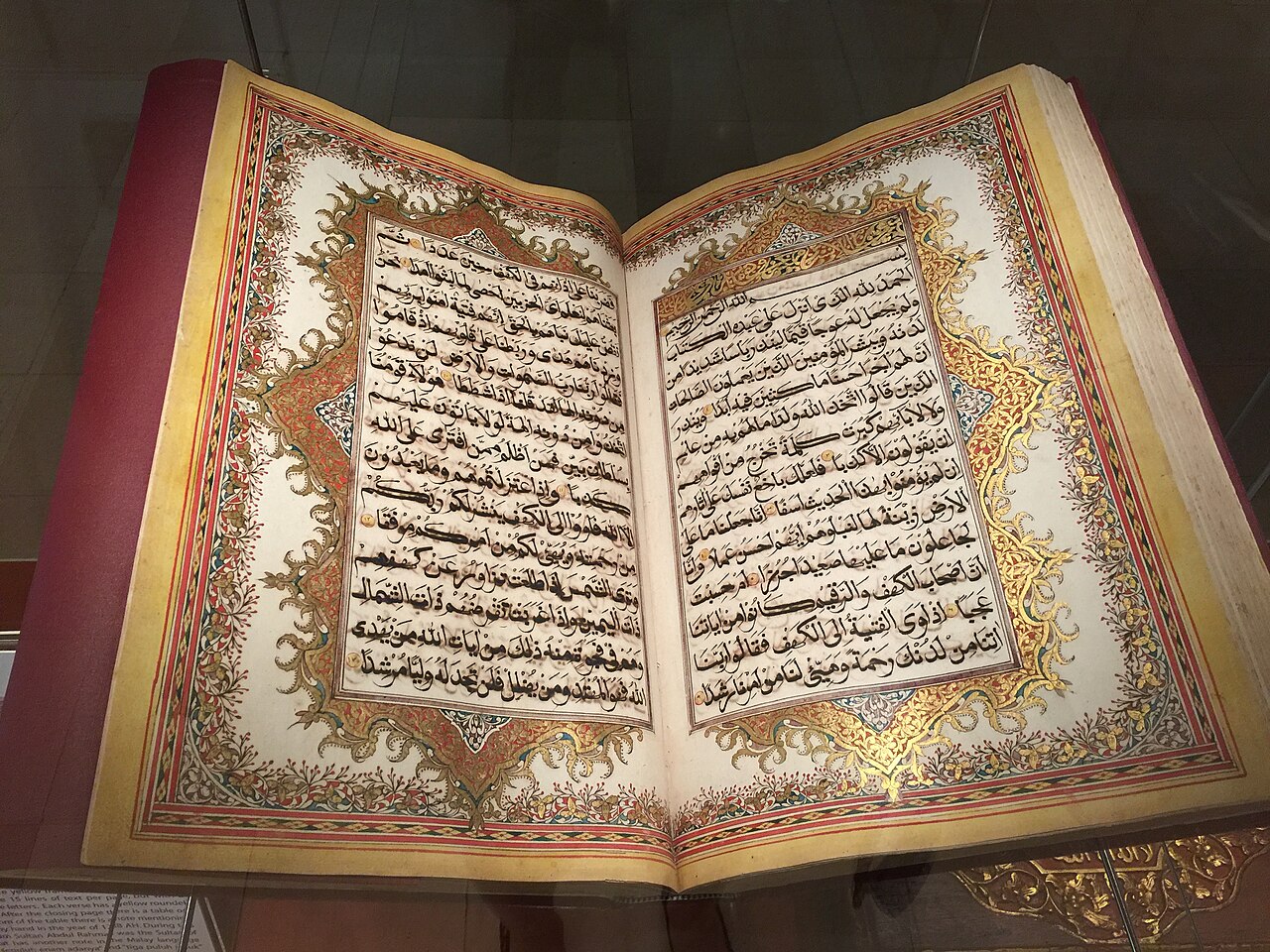
Beyond architecture, Southeast Asia's illuminated Qur'anic manuscripts represent another significant artistic achievement. The 19th-century Acehnese Qur'an manuscripts feature distinctive decorative frames, intricate geometric compositions and regional colour combinations. These manuscripts demonstrate how religious texts became extraordinary works of visual craftsmanship.
Meanwhile, the 19th-century Terengganu Qur'an manuscripts from Malaysia are celebrated for their elaborate illumination, elegant Arabic calligraphy and extensive use of gold pigments. Their artistic sophistication reflects the importance of royal patronage and manuscript production in the Malay world.
Together, these five examples demonstrate how Islamic art developed through different materials, techniques and cultural influences rather than following a single regional style.
From Kuala Lumpur to Jakarta: Keeping Islamic Art Alive
Today, museums and cultural institutions across Southeast Asia provide important platforms for preserving and introducing Islamic artistic traditions to younger generations.
In Kuala Lumpur, the Islamic Arts Museum Malaysia houses more than 10,000 artefacts across 12 permanent galleries, covering subjects ranging from architecture and ceramics to textiles, manuscripts and the Malay world. Its collections help connect Southeast Asian heritage with the wider history of Islamic civilisation.
In Jakarta, Indonesia's Istiqlal Mosque and its surrounding cultural institutions provide opportunities to explore Islamic architecture, Qur'anic calligraphy and contemporary Muslim artistic expression. Traditional crafts such as Bengkulu's Batik Besurek, featuring Arabic-inspired calligraphic motifs, also demonstrate how religious aesthetics continue to influence Indonesian fashion and textile design.
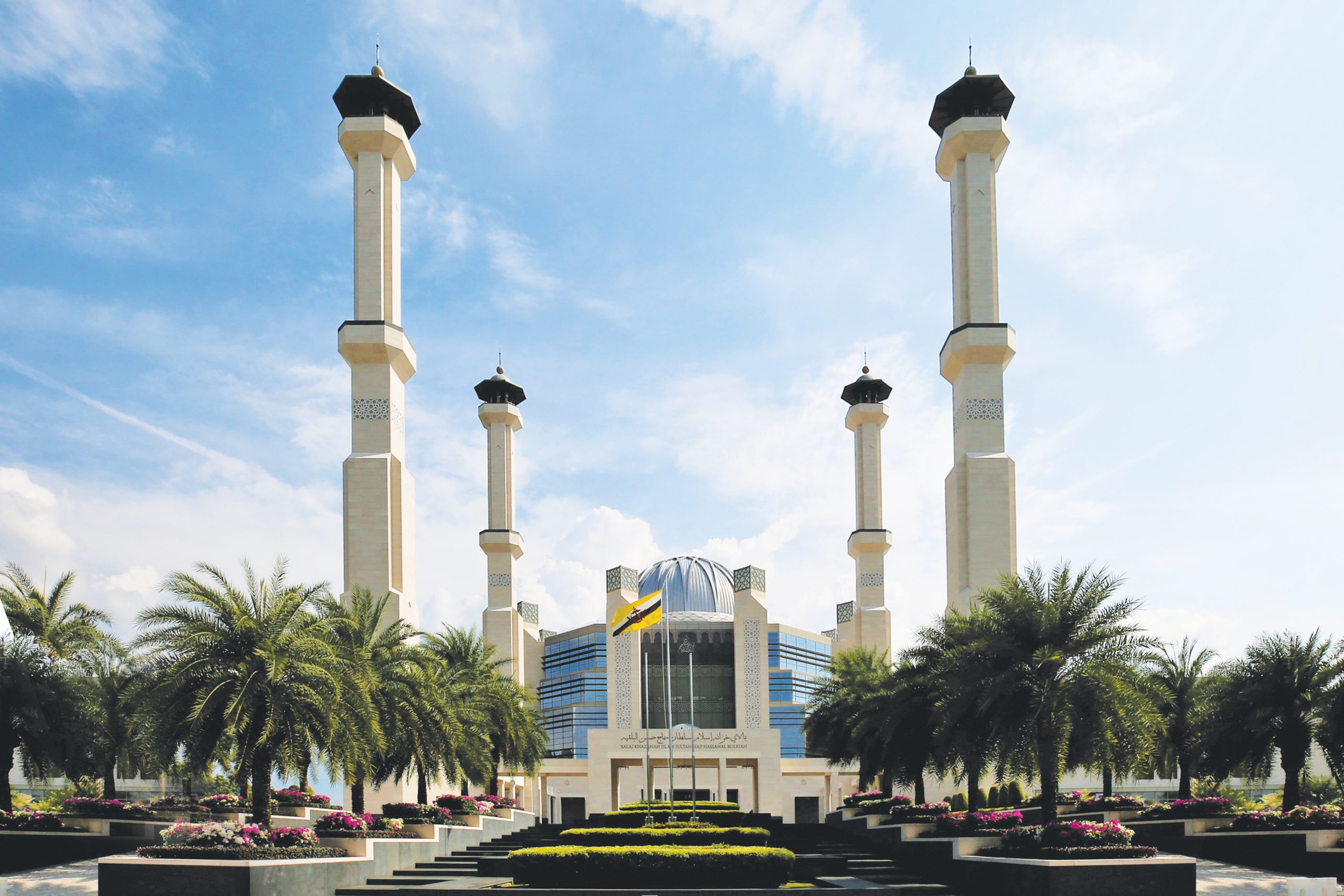
Brunei Darussalam offers another important example through Balai Khazanah Islam Sultan Haji Hassanal Bolkiah in Bandar Seri Begawan. Its nine galleries preserve Islamic manuscripts, Qur'anic collections, calligraphy, ceramics and historical objects, providing visitors with insights into Islamic intellectual and artistic heritage.
Meanwhile, Singapore's Asian Civilisations Museum documents the region's historical connections through its collections of illuminated manuscripts, textiles, woodcarvings and other Islamic artefacts.
Contemporary Creativity Meets Cultural Preservation
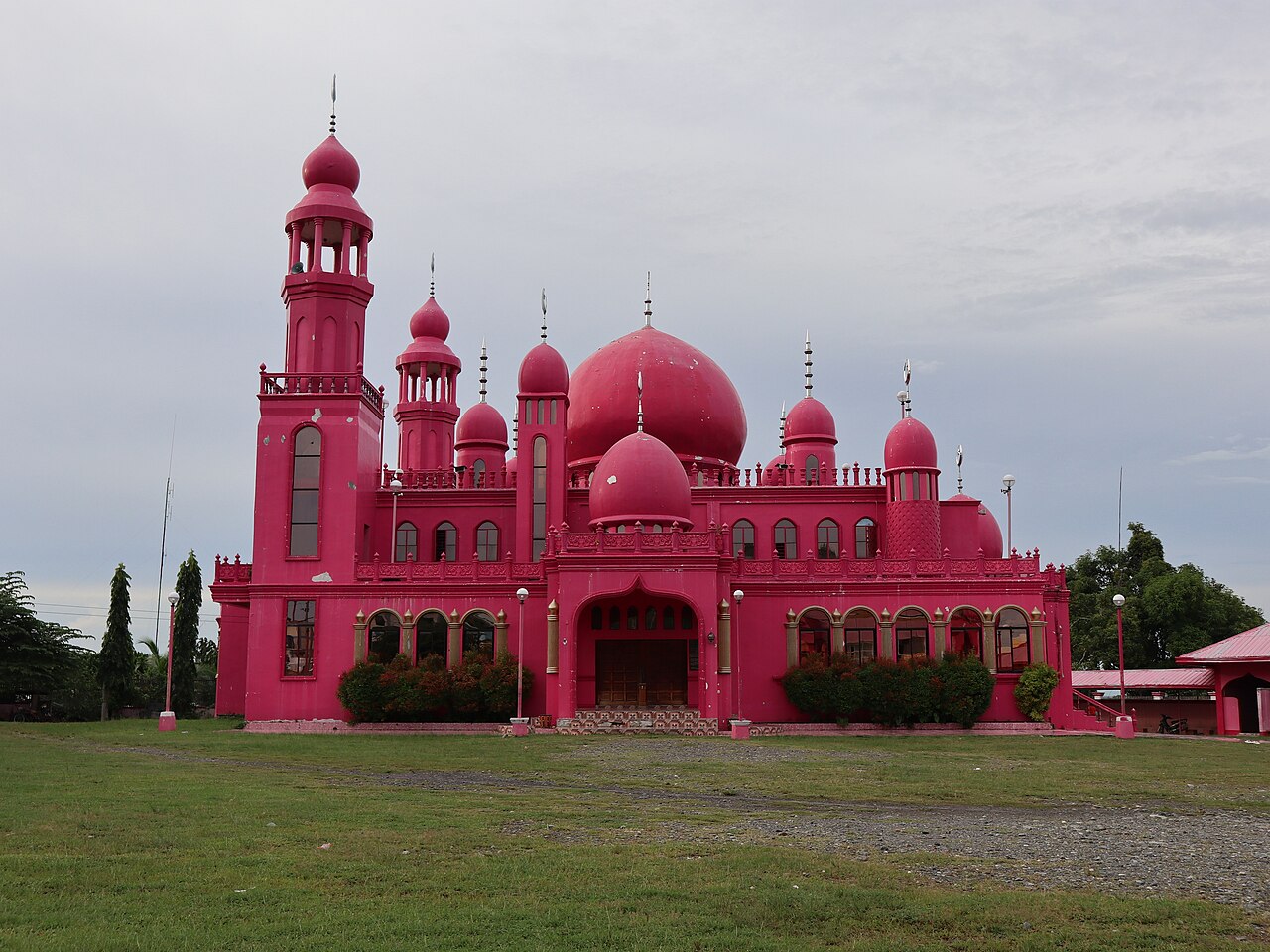
Islamic art is not confined to historical monuments and museum collections. Contemporary Southeast Asian artists continue to reinterpret traditional aesthetics through painting, graphic design, architecture, fashion and digital creativity.
Indonesian artist A.D. Pirous, widely recognised as a pioneer of modern Islamic calligraphic painting, once described his creations by saying, "What you see here, these are my spiritual notes."
His artistic approach demonstrates how traditional Qur'anic calligraphy can become a source of contemporary artistic expression without losing its spiritual inspiration.
Similarly, younger designers and artisans are incorporating geometric patterns, Arabic typography, traditional weaving and local motifs into modern fashion, interior design and creative industries.
These developments create opportunities to connect heritage preservation with education, tourism and the creative economy, while supporting artisans and communities that sustain traditional craftsmanship.
Celebrating a Shared Cultural Legacy
The International Day of Islamic Art is a reminder that artistic traditions can connect communities across geographical, linguistic and cultural boundaries. In Southeast Asia, Islamic art tells a story of exchange, adaptation and creativity, demonstrating how faith can coexist with diverse local identities.
Preserving this heritage while encouraging contemporary innovation will help ensure that the region's artistic traditions remain meaningful to future generations.


