Belief in the supernatural takes many forms around the world. Some people think spells and curses can shape their lives, others see spirits in mountains, rivers, and trees, and others hold that the souls of dead ancestors can reach the living.
Southeast Asia is no exception. A 2025 Pew Research Center report, “Believing in Spirits and Life After Death Is Common Around the World”, looked at how people in different countries see spirituality, the afterlife, and supernatural phenomena.
The data comes from the Center’s Spring 2024 Global Attitudes Survey, which covered five Southeast Asian countries (Indonesia, Malaysia, the Philippines, Singapore, and Thailand).
Their answers differ in telling ways. Interviews were done by phone in Malaysia and Singapore and face-to-face in Indonesia, the Philippines, and Thailand, so small gaps between countries are best read with caution.
Spells, Curses, and Magic
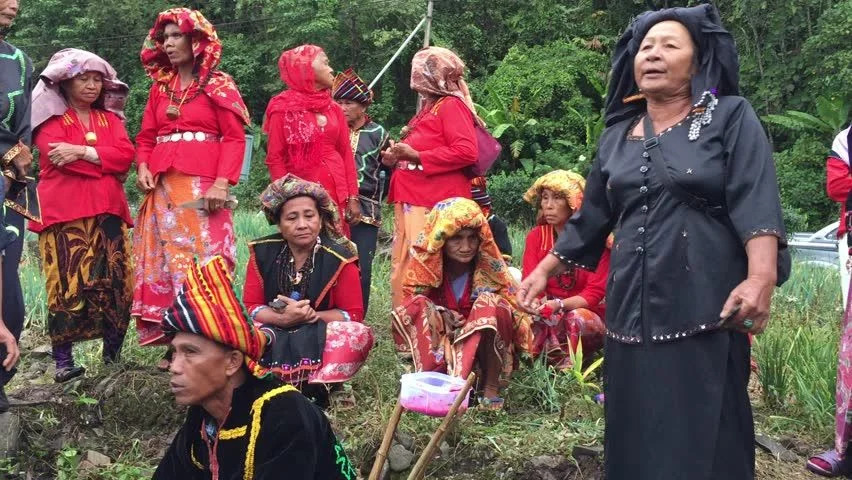
Many people in the five Southeast Asian countries surveyed believe that spells, curses, or other forms of magic can affect people’s lives. Pew Research Center put the question to respondents directly.
All five countries sit above the 35 country median of 45%. Malaysia is highest at 61%, followed by the Philippines (55%), Singapore (52%), Thailand (49%), and Indonesia (48%). Thailand and Indonesia are only one point apart, so their order should not be read as a ranking.
The survey only asked whether people think such forces can shape human lives. It did not ask whether they had ever experienced a curse, practiced magic, or sought out someone believed to have supernatural powers.
Spirits in Nature
Belief in the supernatural goes beyond magic and curses. Some people also hold that mountains, rivers, trees, and other parts of nature carry spirits or spiritual energy.
The Philippines and Thailand are tied at 73%. Singapore comes next at 62%, while Indonesia (57%) and Malaysia (56%) are one point apart and sit right around the 35 country median of 56%.
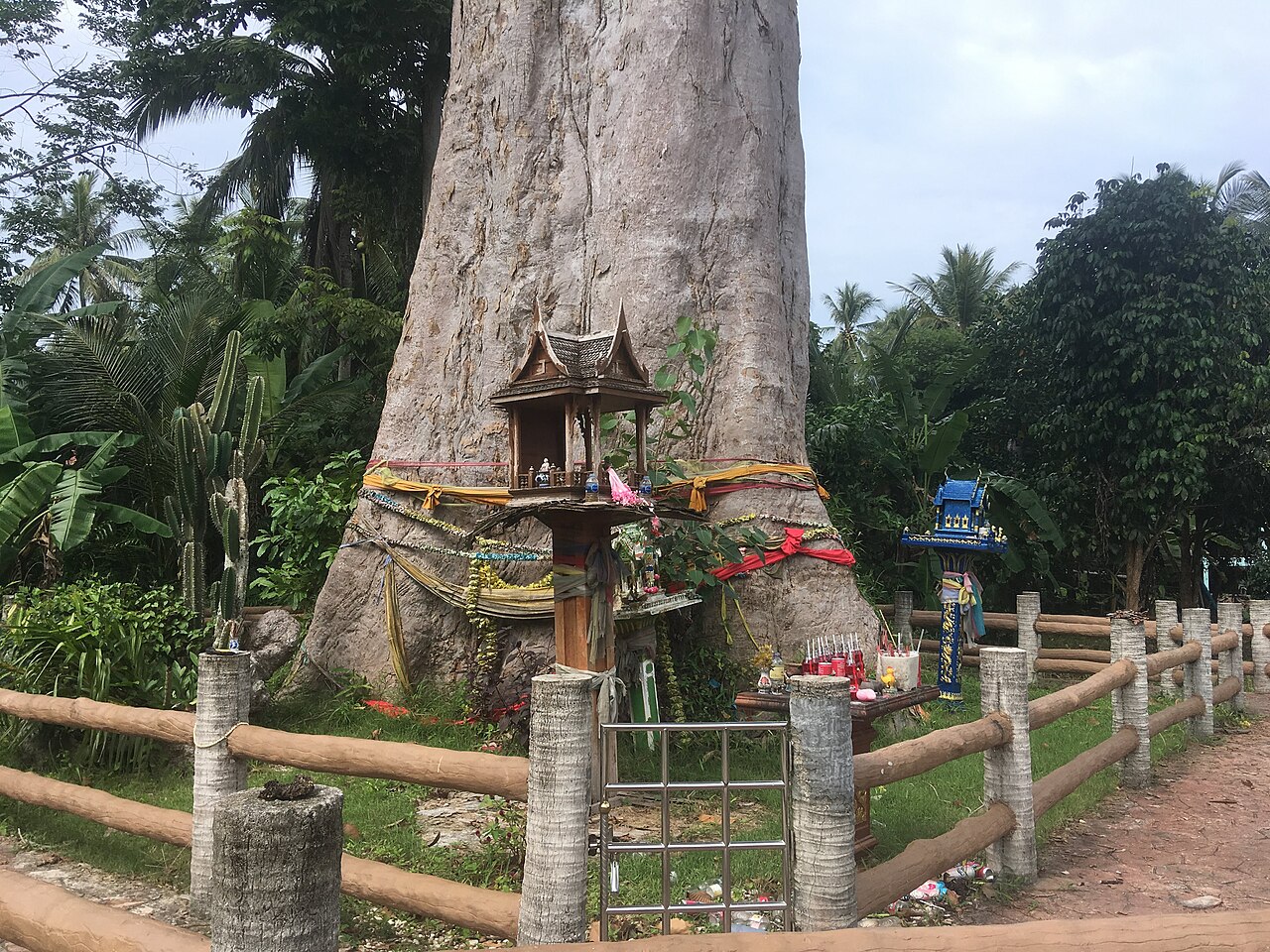
In all five countries, more than half of respondents shared this view.
The survey did not ask people to name specific mountains, rivers, or trees they considered spiritual. It only measured the broader belief that nature can hold spiritual energy.
Ancestral Spirits
Another question asked whether the spirits of deceased ancestors can help or harm the living.
The Philippines leads at 50%, with Thailand close behind at 48%. Singapore’s 38% matches the 35 country median exactly. Indonesia is lower at 31%, and Malaysia’s 18% is the lowest of all 35 countries surveyed.
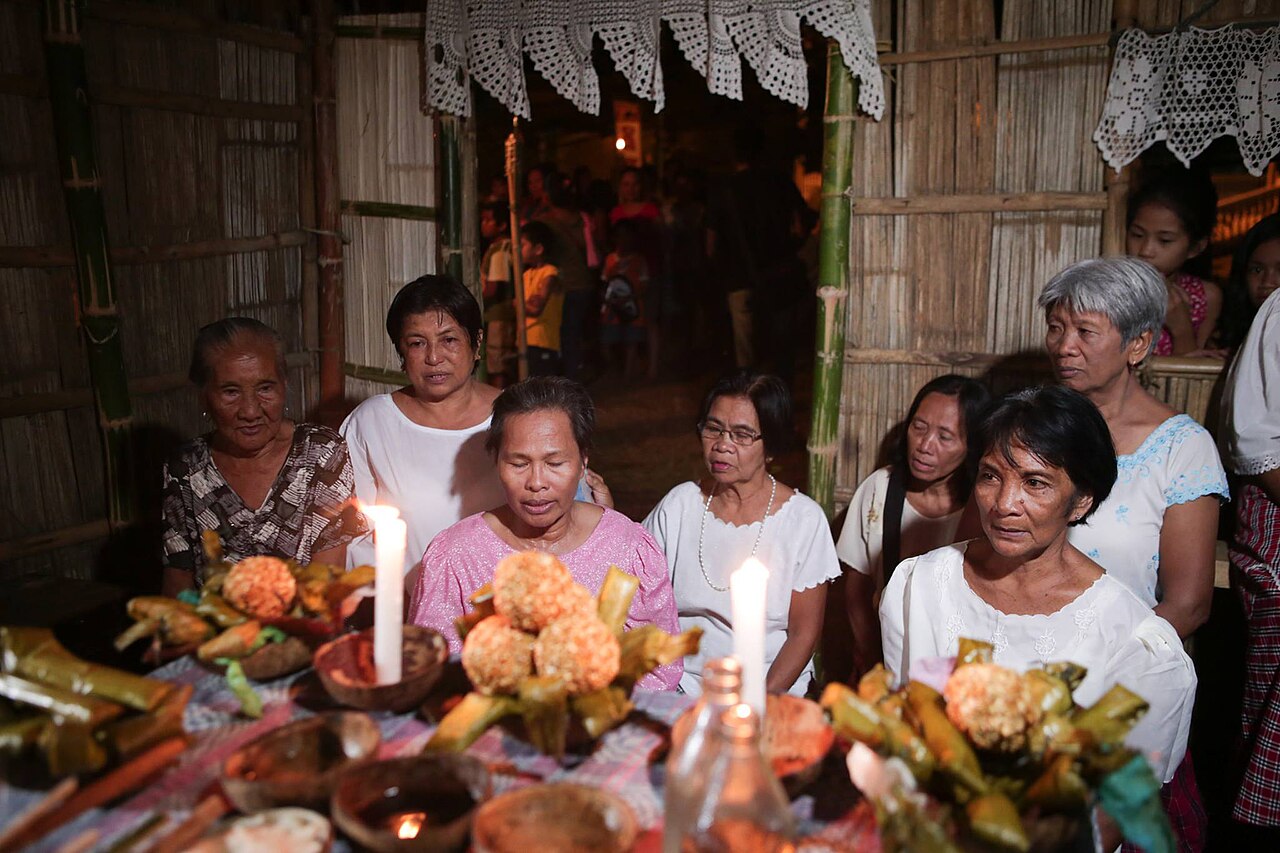
Pew notes that Muslim-majority countries, including Indonesia and Malaysia, are among the least likely to say ancestors can affect the living. It adds that a country’s religious makeup plays a role alongside its economic situation.
Reincarnation
Pew Research Center described it to respondents as the idea that people are reborn in this world again and again.
Thailand (48%), the Philippines (45%), and Singapore (41%) all sit above the 35 country median of 33%. Malaysia (20%) and Indonesia (17%) fall far below it. Pew also finds that Buddhists and Hindus are consistently more likely than other religious groups to believe in reincarnation, while Muslims tend to be among the least likely.
The survey only measured whether people accept the idea of reincarnation, not whether they follow a particular religious explanation of how it works.
Fortune-Tellers and Horoscopes
This question was about a practice, not a belief. Respondents were asked whether they consult fortune-tellers, horoscopes, or other ways of seeing the future.
Thailand’s 29% is the third highest of all 35 countries, behind only South Africa (47%) and India (45%). The Philippines (22%) and Singapore (19%) are also above the 35 country median of 12%, while Malaysia (10%) and Indonesia (7%) fall below it.
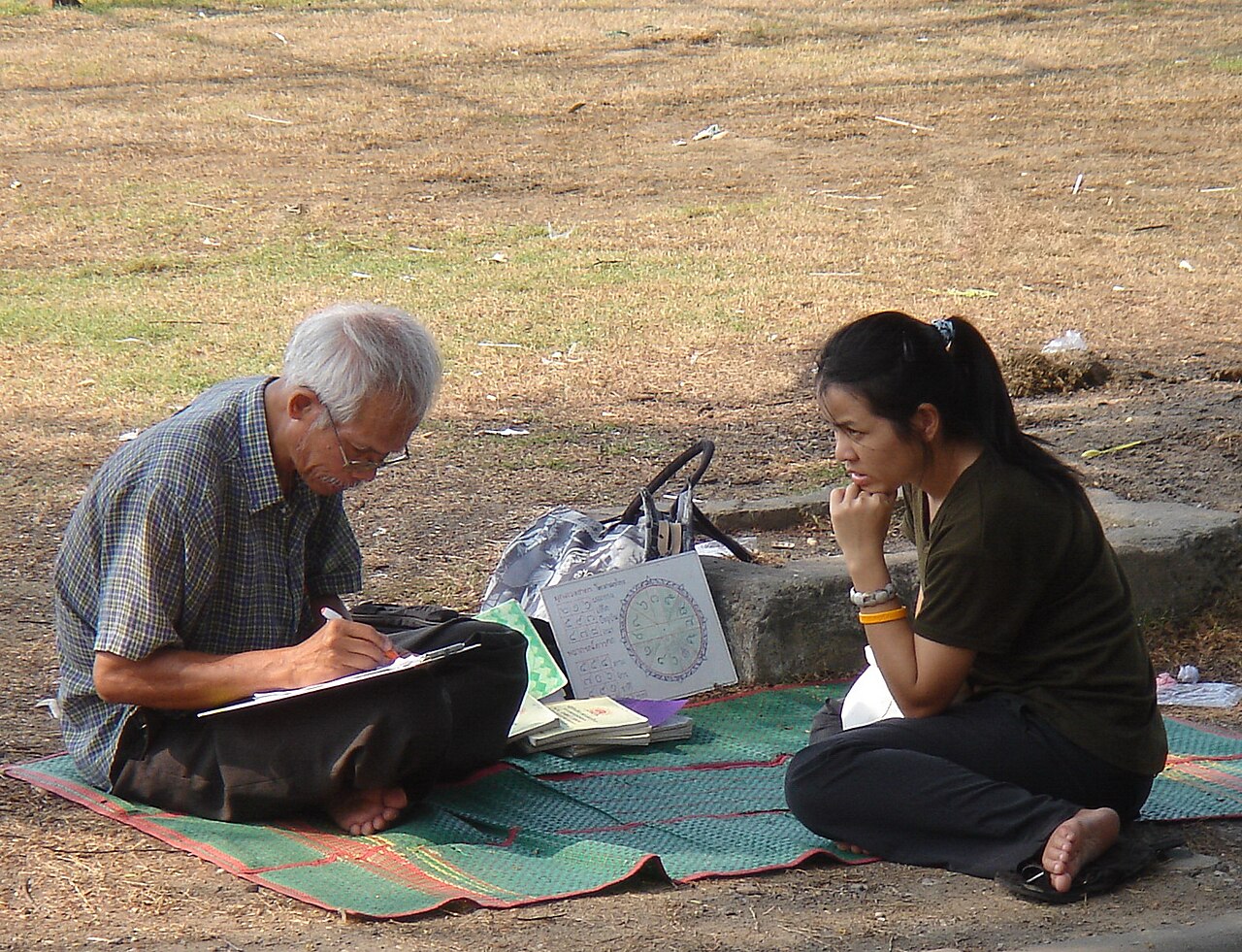
Even so, this was far less common than most of the beliefs in the report. In nearly all of the 35 countries, fewer than a quarter of adults said they use these methods, and Thailand is one of only three exceptions.
Spiritual Objects
The report also asked whether objects such as crystals, jewels, and stones can hold spirits or spiritual energy.
The Philippines (44%) and Thailand (40%) lead, followed by Singapore (36%), Indonesia (33%), and Malaysia (29%). All five are above the 35-country median of 28%, but in every country fewer people believed this than believed in spirits in nature.
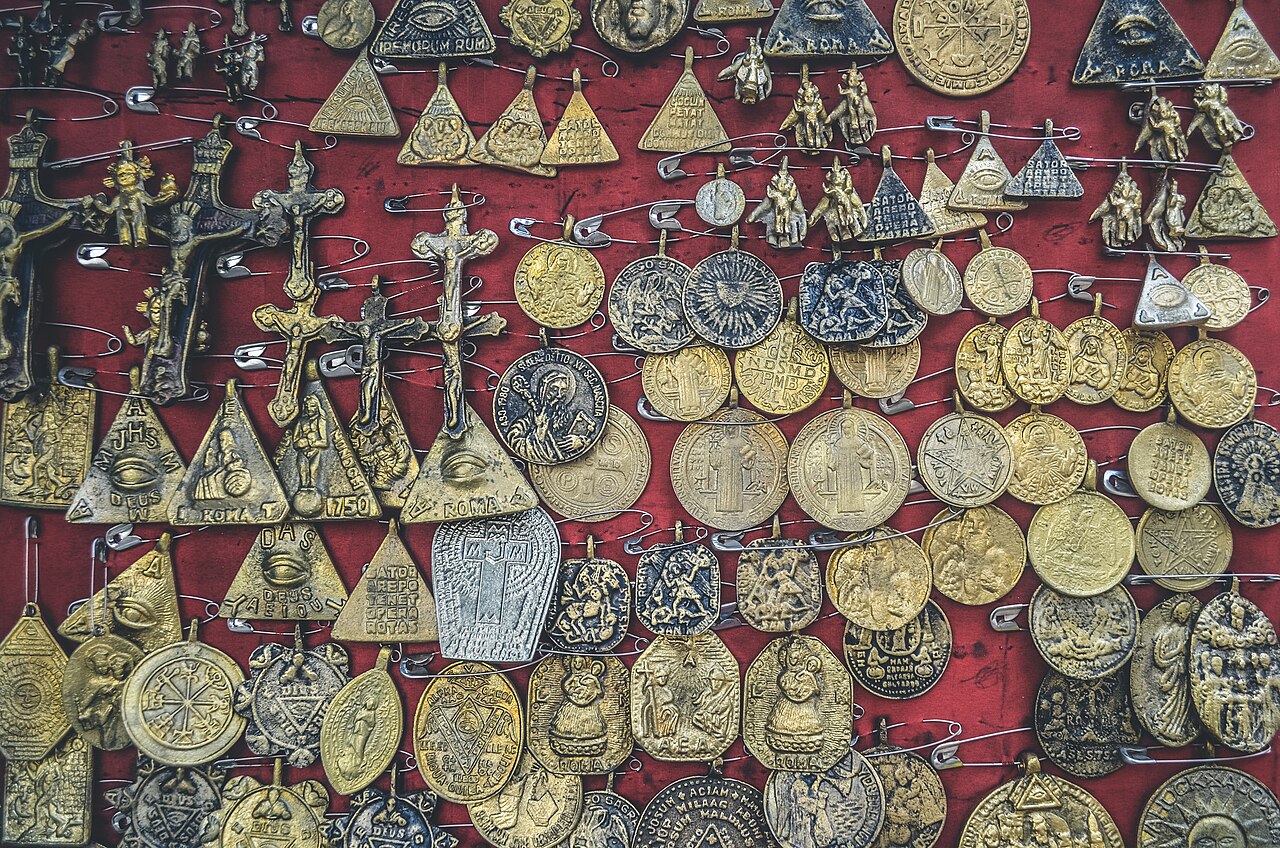
Supernatural belief in Southeast Asia is not one single idea. It spans spells and ancestral spirits, spiritual energy in nature and objects, reincarnation, and practices like fortune-telling.
Still, the figures cover only the five countries in the survey, not the whole region. They also measure different beliefs and practices, so they should not be read as interchangeable or as a single gauge of how superstitious a society is.
The Numbers Side by Side
Put next to each other, the six questions show how differently the five countries answered. Malaysia has the highest share on spells and curses but the lowest on ancestral spirits, while the Philippines and Thailand lead on most of the rest.
| Country | Spells, curses, magic | Spirits in nature | Ancestors’ spirits | Reincarnation | Fortune-tellers | Spiritual objects |
|---|---|---|---|---|---|---|
| Indonesia | 48% | 57% | 31% | 17% | 7% | 33% |
| Malaysia | 61% | 56% | 18% | 20% | 10% | 29% |
| Philippines | 55% | 73% | 50% | 45% | 22% | 44% |
| Singapore | 52% | 62% | 38% | 41% | 19% | 36% |
| Thailand | 49% | 73% | 48% | 48% | 29% | 40% |
Reference
Evans, J., Lesage, K., Miner, W., Starr, K. J., & Corichi, M. (2025). Believing in spirits and life after death is common around the world. Pew Research Center. https://doi.org/10.58094/tk92-mf49