Mount Ramelau is the highest mountain in Timor-Leste, rising 2,963 meters (9,721 feet) above sea level. The Mambai people call it Tatamailau, which means "grandfather of all."
Timorese treat the mountain as sacred ground. Many families believe the spirits of their ancestors live on its slopes.
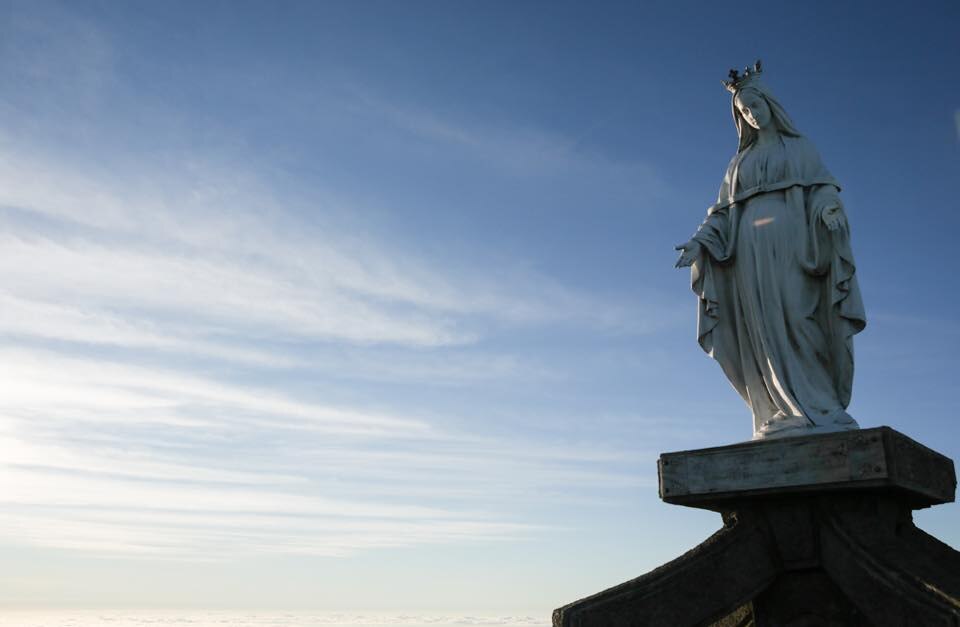
A statue of the Virgin Mary stands on the summit, next to a large cross. Catholic pilgrims and hikers climb up to it all year.
The peak rises in Ainaro Municipality. Most climbers start from the highland village of Hatubuilico.
Why Mount Ramelau Is Sacred to the Timorese
The name Tatamailau shows how deeply locals respect the peak. Mambai speakers see it as an elder that watches over the land and its people.
Timorese culture ties people closely to the land. Mountains, rocks, and springs often hold spiritual meaning, and Ramelau stands at the top of that list.
Many villagers still follow older customs before a climb. They ask the ancestors for permission and a safe trip, and some families leave small offerings.
Catholic faith adds a second layer of meaning. Pilgrims carry their prayers to the statue of Mary, and crowds gather there during major religious celebrations.
The mountain also holds memories of the independence struggle. Fighters used the rugged highlands around it as shelter during the long years of conflict.
Because of this history, local guides expect visitors to behave with care. Hikers keep their voices low, take their rubbish home, and follow the guide's lead.
The Tallest Peak in Timor-Leste
At 2,963 meters, Ramelau is the tallest peak in Timor-Leste. It also stands higher than any other point on the island of Timor, which Timor-Leste shares with Indonesia.
The sunrise draws most visitors. Climbers leave Hatubuilico in the dark, around 2 or 3 a.m., and reach the top in about three to four hours.
The climb is short but steep. A rocky trail winds through the final stretch, so sturdy shoes matter.
On a clear morning, the view stretches across the island to both the north and south coasts. Clouds often fill the valleys below, and the nearby ridges poke through like islands.
The cold surprises many first-time visitors. Temperatures near the summit can drop close to freezing before dawn, even though Timor-Leste sits in the tropics.
Weather also changes fast on the peak. Mist can roll in within minutes, so guides keep a close watch on the sky.
Few mountains blend faith, history, and wide views as closely as this one. A Catholic shrine on the highest peak of a tropical island is a rare sight.
Exploring Mount Ramelau
The summit holds the statue of Mary and the cross. Pilgrims often pause there for a quiet prayer as the sun comes up.
Eucalyptus forests cover parts of the upper slopes, and these trees grow naturally on Timor. Higher up, the forest thins out into grass and low shrubs.
Bird life is rich around the mountain, and several species live only on Timor. Bird watchers often search the forest near Hatubuilico in the early morning.
Coffee farms spread across the hills around the village. Families grow the beans on small plots and serve fresh cups to guests.
Small villages near the base offer simple homestays. Guests sleep in basic rooms, eat local meals, and meet the families who farm the slopes.
Many hikers combine Ramelau with a longer trip through Ainaro and the central highlands. Local guides arrange the climb and share stories about the mountain along the way.
Visitors need warm clothes, a headlamp, and plenty of water. The dry season, from about May to November, usually brings the clearest skies.